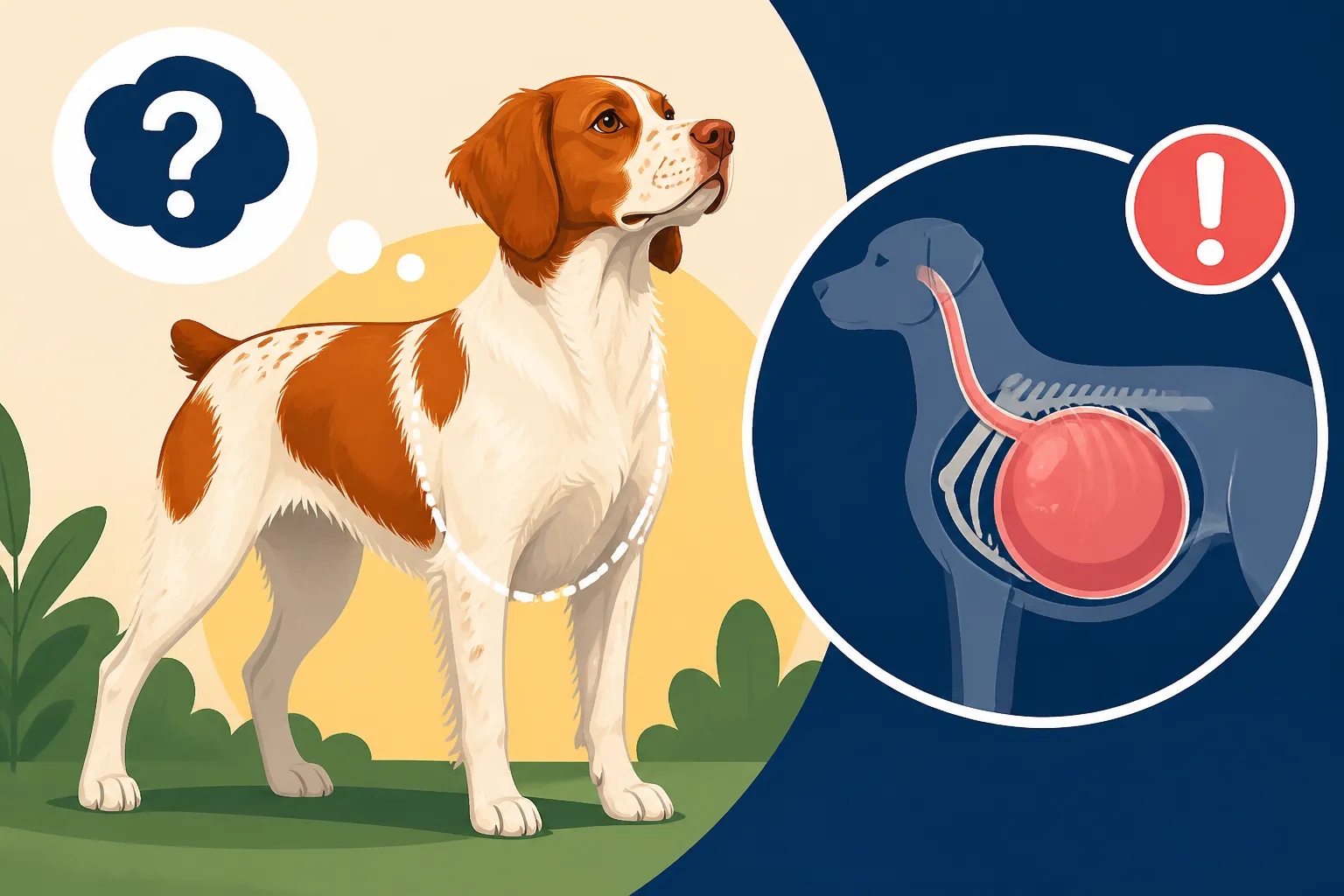
Whether a Brittany’s Deep Chest Risks Bloat
It’s a heart-stopping moment for any dog owner: you look at your beloved Brittany, and something just doesn't seem right. Maybe they're pacing restlessly, trying to throw up with no success, or their belly just looks a little…off. For those of us with deep-chested breeds, the immediate fear that grips us is often "bloat," a terrifying and rapidly fatal condition. This guide will explore whether the Brittany's unique conformation truly puts them at higher risk, what to watch for, and how you can take proactive steps to protect your loyal companion.
The Alarming Reality of Gastric Dilatation-Volvulus GDV
Bloat, medically known as Gastric Dilatation-Volvulus or GDV, is one of the most feared emergencies in the world of dog ownership, particularly for specific breeds. It’s a condition that can escalate from seemingly mild discomfort to a life-threatening crisis in a matter of hours, sometimes even minutes. Understanding what happens inside your Brittany’s body during a bloat episode is the first crucial step in recognizing and responding to this silent killer.
What Happens Internally During a Bloat Episode
Imagine your dog's stomach, a muscular sac designed to hold and digest food. During the initial phase of bloat, called gastric dilatation, the stomach rapidly fills with gas, food, or fluid, causing it to distend like an overinflated balloon. This distension is painful and puts immense pressure on surrounding organs, including the diaphragm, making it hard for your dog to breathe. It also compresses major blood vessels, hindering blood flow back to the heart. This alone is a serious emergency.
However, the real danger begins when the stomach, now distended and heavy, rotates or twists upon itself. This is the "volvulus" part of GDV. When the stomach twists, it completely pinches off both the entry (esophagus) and exit (duodenum) points, trapping all the gas and contents inside. It also cuts off its own blood supply and can drag other organs, like the spleen, along with it. This creates a cascade of devastating effects, including shock, organ damage, and eventually, death of stomach tissue. It’s not "just gas" – it's a catastrophic internal event that demands immediate and expert veterinary intervention.
Recognizing the Critical Signs of Bloat in Your Brittany
Given the rapid progression of GDV, being able to spot the signs early is absolutely vital. While every dog is different, there are several key indicators that should send you rushing to the vet, not waiting to see if things improve. One of the most common and telling signs is unproductive retching or gagging – your Brittany will look like they’re trying to vomit, often repeatedly, but nothing, or very little, comes up. This is because the twisted stomach prevents anything from passing through.
Another critical symptom is a distended or swollen abdomen, especially on the left side behind the rib cage. However, this isn't always immediately obvious, particularly in a dog with a thick coat or one that is still moving around. Other signs include restlessness, pacing, whining, or an inability to get comfortable. Your dog might also drool excessively, show signs of pain when you gently touch their belly, or exhibit weakness, a rapid heart rate, pale gums, and eventually, collapse. If you notice any combination of these symptoms, even if you’re not entirely sure, it’s always better to err on the side of caution. A delay of even an hour or two can drastically reduce survival rates.
Why a Brittany's Build Contributes to Bloat Risk
When we talk about bloat, certain breeds instantly come to mind: Great Danes, Weimaraners, Setters, and various Pointers. The common thread among these breeds is their characteristic "deep-chested" conformation. While the Brittany might not be as imposing in stature as a Great Dane, their physical structure still places them in a higher-risk category for this dangerous condition.
Understanding the Deep-Chested Conformation
Brittanys are agile, athletic dogs, built for covering ground quickly and efficiently in the field. They possess a lean, muscular build with a deep and relatively narrow chest. This body type, which is excellent for lung capacity and endurance, also creates a particular anatomical vulnerability. In a deep-chested dog, the stomach hangs lower and has more room to swing and twist within the abdominal cavity compared to a broad-chested or more barrel-chested breed where the stomach is held more snugly. This extra "play" or space significantly increases the likelihood of the stomach rotating on its axis, leading to volvulus.
Think of it like a swing: a long rope allows for a wider, more dramatic swing than a short rope. Similarly, a deep chest provides a longer "rope" for the stomach to maneuver, unfortunately, sometimes leading to a dangerous twist. While they might be considered a medium-sized breed, the Brittany's overall proportion, particularly the depth of their chest in relation to their width, mirrors that of many breeds traditionally associated with high bloat risk.
Genetic and Lifestyle Factors Beyond Anatomy
Beyond their deep-chested conformation, there are other factors that can heighten a Brittany's susceptibility to bloat. Genetics play a role; while specific genes for bloat in Brittanys aren't as widely publicized as they might be for a Great Dane, a general hereditary component in deep-chested breeds means that dogs with a family history of bloat are at an increased risk. If you know the lineage of your Brittany, it's worth asking your breeder if there's any history of GDV in their lines.
Temperament and stress can also be significant contributing factors. Brittanys are often characterized as sensitive and eager-to-please dogs, but they can also be high-strung, anxious, or prone to separation anxiety if not properly exercised and stimulated. This sensitivity is part of why The Brittany Is the Softest of the Pointing Breeds. Stress, excitement, or anxiety can trigger physiological responses that may increase the risk of bloat. For instance, a dog that is highly stressed might gulp air, leading to gastric distension. Similarly, a Brittany that is What an Under Exercised Brittany Does at Home might exhibit nervous pacing or other behaviors that could contribute to risk factors. Additionally, age is a factor, with older dogs generally being more susceptible to bloat. Considering How Long a Brittany Spaniel Lives on Average, proactive measures become even more critical as your Brittany ages.
Proactive Measures to Safeguard Your Brittany from Bloat
While bloat can feel like a terrifying and unavoidable threat, there are numerous proactive steps you can take to significantly reduce your Brittany's risk. These measures often involve a combination of thoughtful feeding practices, smart lifestyle adjustments, and, in some cases, veterinary interventions. Implementing these strategies consistently can provide immense peace of mind.
Optimizing Feeding Regimens and Dietary Habits
One of the most impactful ways to reduce bloat risk is by modifying how and what your Brittany eats. Instead of feeding one large meal a day, break it down into two or even three smaller portions. This prevents the stomach from being excessively full and distended at any one time, which can lessen the chance of it twisting. When it comes to food bowl placement, there’s been a long-standing debate about elevated bowls. While it was once thought that elevated bowls could prevent bloat, recent studies, particularly a large Purdue University study, actually suggest that they might increase the risk of bloat in large and giant breeds. Therefore, it's generally recommended to feed your Brittany at floor level unless your veterinarian has specifically advised an elevated bowl for other medical reasons, such as arthritis.
Rapid eating is another concern, as dogs can gulp down a lot of air along with their food, contributing to gastric distension. This is where slow feeders or puzzle bowls become incredibly useful. These specialized bowls force your dog to eat more slowly, reducing air intake and promoting better digestion. Always provide fresh water, but try to limit excessive gulping of large volumes immediately before or after meals, especially after strenuous exercise. Some theories also suggest that dry kibble with citric acid as a preservative or foods high in fat might contribute to bloat, though research on these specific dietary factors is still mixed. For working Brittanys, understanding Whether a Working Brittany Needs a Performance Food and how to manage their intake is crucial, but always discuss any major dietary changes with your vet.
Lifestyle Adjustments and Veterinary Interventions
Beyond feeding, your Brittany's daily routine and overall health play a crucial role in bloat prevention. It is absolutely essential to avoid strenuous activity, such as running, high-intensity play, or hunting, for at least one hour before and two hours after meals. A full stomach bouncing around during vigorous exercise is a recipe for disaster. Plan your walks, training sessions, and field time around their feeding schedule to give their stomach time to digest calmly.
Stress reduction is another key factor. Brittanys are sensitive creatures, and a highly anxious or stressed dog can be more prone to bloat. Maintaining a calm and predictable home environment, especially around meal times, can help. For dogs prone to anxiety, consider training techniques or environmental enrichment to reduce stress. Finally, for those who want the most proactive veterinary intervention, prophylactic gastropexy is an option. This surgical procedure involves "tacking" or suturing the stomach to the abdominal wall, preventing it from twisting (volvulus), although it doesn't prevent the initial gastric dilatation. Many owners opt to have this procedure performed when their Brittany is already undergoing another surgery, such as spaying or neutering. While it's an added cost, the peace of mind it offers is substantial. This is where pet insurance can be a huge help; for example, providers like Healthy Paws often cover prophylactic gastropexy if it's deemed medically necessary or if it's done in conjunction with another covered procedure. Understanding What Insuring a Brittany Costs a Month can make this and other significant veterinary expenses much more manageable. Regular How Often a Brittany Needs a Wellness Exam also ensures you're discussing all risk factors with your vet.
What to Do in a Bloat Emergency
Despite all your best preventative measures, sometimes bloat can still occur. It's a terrifying thought, but being prepared for an emergency is paramount. Knowing exactly what to do and acting swiftly can make the difference between life and death for your beloved Brittany.
Time is of the Essence: Immediate Action Steps
If you suspect your Brittany is suffering from bloat, there is only one course of action: get them to a veterinarian immediately. This is not a "wait and see" situation, and home remedies are absolutely ineffective and dangerous, as they only delay critical, life-saving care. The moment you observe symptoms like unproductive retching, a distended abdomen, restlessness, or signs of pain, pick up the phone and call your veterinarian or the nearest emergency veterinary clinic. Tell them you suspect GDV and that you are on your way. This allows the veterinary staff to prepare for your arrival, ensuring that precious minutes are not wasted once you get there.
Do not try to force your dog to vomit, give them antacids, or attempt to massage their stomach. These actions can worsen the situation or waste valuable time. Keep your Brittany as calm and comfortable as possible during transport. While it's a stressful situation for you, maintaining your composure will help your dog remain calmer, too. Remember, survival rates plummet with every hour that passes without treatment. Immediate action is truly the key to a positive outcome.
The Importance of Preparedness for Unforeseen Costs
It’s an unfortunate reality that emergency veterinary care, especially for a condition as complex and serious as bloat, can be incredibly expensive. Treatment for GDV often involves emergency surgery to untwist the stomach and tack it to the abdominal wall (gastropexy), as well as extensive post-operative care, including IV fluids, pain management, and monitoring for complications. These costs can easily run into several thousands of dollars, presenting a significant financial burden on top of the emotional distress.
This is precisely where pet insurance becomes an invaluable asset. Having a robust pet insurance plan can mean that you don't have to make agonizing decisions based on cost during a life-or-death emergency. Providers like Healthy Paws, for instance, are often praised by owners for their coverage of emergency procedures, allowing you to focus on your Brittany's recovery without the added stress of overwhelming bills. Considering What a Brittany Costs Over Its Lifetime, including unexpected medical emergencies, proactive financial planning through pet insurance is a wise decision. While no one wants to think about What a Brittany's Final Illness Costs, having insurance can ease the financial strain during any serious health crisis your dog may face.
Preventative Measures for Bloat in Brittanys
| Category | Action | Rationale |
|---|---|---|
| Feeding | Small, frequent meals (2-3/day) | Reduces stomach distension from large food intake |
| Use a slow feeder or puzzle bowl | Prevents rapid eating and excessive air gulping | |
| Feed at floor level | Studies suggest elevated bowls may increase risk | |
| Limit water gulping around meals | Prevents excessive stomach fill and gas | |
| Exercise | Avoid strenuous activity 1 hr before/2 hrs after meals | Prevents stomach jostling and twisting when full |
| Environment | Minimize stress and anxiety | Stress can be a trigger for GDV |
| Medical | Consider prophylactic gastropexy | Surgically tacks stomach to prevent twisting (volvulus) |
| Regular vet check-ups | Discuss risk factors and general health with your vet | |
| Monitoring | Be vigilant for symptoms | Early detection is crucial for successful treatment |
Disclaimer
The information provided in this article is for general informational purposes only and is not a substitute for professional veterinary advice. Always consult with a qualified veterinarian regarding any health concerns or medical conditions your Brittany may experience.