When the Brittany Was First Shown in Paris
If you've ever found yourself tracing the fascinating history of our beloved Brittany Spaniels, you've likely wondered about their journey from the fields of rural France to the sophisticated world of dog shows. It’s a common question among enthusiasts and new owners alike: when did these energetic, bird-crazy dogs first make their formal debut in a grand setting like Paris? This guide delves into the breed's origins and its pivotal moment of gaining recognition in the French capital, explaining how these early showings shaped the Brittany we know today.
The Rustic Origins of the Brittany
Before they graced the show rings of Paris, Brittanys were, first and foremost, working dogs, deeply ingrained in the lives of the farmers and hunters of their native region. They weren't bred for their looks or conformity to a written standard, but for their keen hunting instincts and tireless work ethic.
A Poacher's Best Friend
Imagine the rugged, hedgerow-lined landscapes of Brittany, the northwestern corner of France. Here, for centuries, a small, eager pointing dog developed alongside the local populace. These dogs were the ultimate companions for a subsistence hunter, often called a "poacher" by those in power. They were adept at finding game birds in dense cover, possessing a natural ability to point and retrieve, making them indispensable for putting food on the table. They weren't flashy, and they certainly weren't registered with any kennel club; they were simply there, an integral part of rural life. What the Peasants of Brittany Used the Dog For touches upon just how vital these dogs were to everyday survival. They were quiet, biddable, and efficient, traits that made them perfect for hunting without drawing undue attention, a stark contrast to the more flamboyant, wide-ranging dogs favored by the aristocracy.
Evolving From a Landrace
The Brittany as we know it today didn't spring forth fully formed. Rather, it evolved over generations as a landrace, meaning it developed naturally within a specific geographic area, adapted to its environment and the needs of its human companions, long before formal breeding programs or studbooks existed. Local farmers and gamekeepers would breed their best working dogs, prioritizing traits like bird sense, endurance, and a cooperative temperament. It was a utilitarian approach to breeding; if a dog hunted well and was easy to live with, it was a good dog. This informal breeding meant there was a natural variation in size, coat patterns, and even tail length, but the core essence of a versatile, intelligent bird dog remained consistent. The dogs from this region were simply known as "Brittany dogs" or "Epagneul Breton," a name that literally means "Breton Spaniel," even though their pointing style sets them apart from true spaniels. The Brittany Comes From the Northwest Corner of France offers more insight into their specific geographical roots.
The Dawn of Formal Recognition in France
The transition from a cherished regional working dog to a formally recognized breed was a significant leap for the Brittany. This shift marked the beginning of its journey into the wider dog world, a path that led directly to its exhibition in the capital.
From Fields to Fairs: The Paris Debut
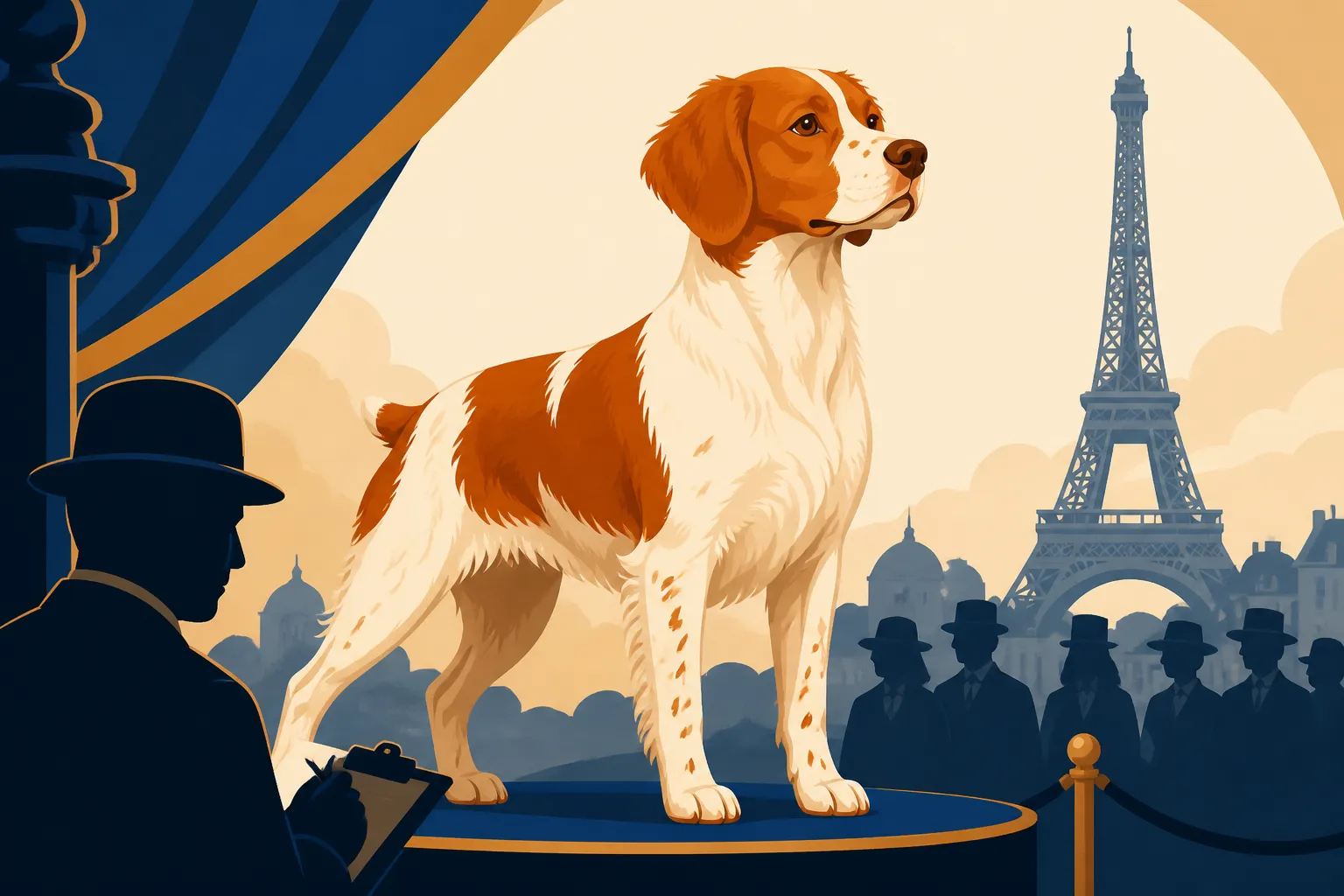
The story of the Brittany's formal debut in Paris is a testament to its undeniable qualities. As the 19th century gave way to the 20th, there was a growing interest in standardizing and formalizing many regional dog types into recognized breeds. It was around this time that the unique qualities of the Brittany began to attract attention beyond its local hunting grounds. Historical records indicate that a dog resembling the modern Brittany was exhibited in Paris in the early 1900s, specifically around 1900, at an unofficial dog show. This wasn't necessarily a full-fledged, breed-specific event, but rather an opportunity for various regional types to be showcased.
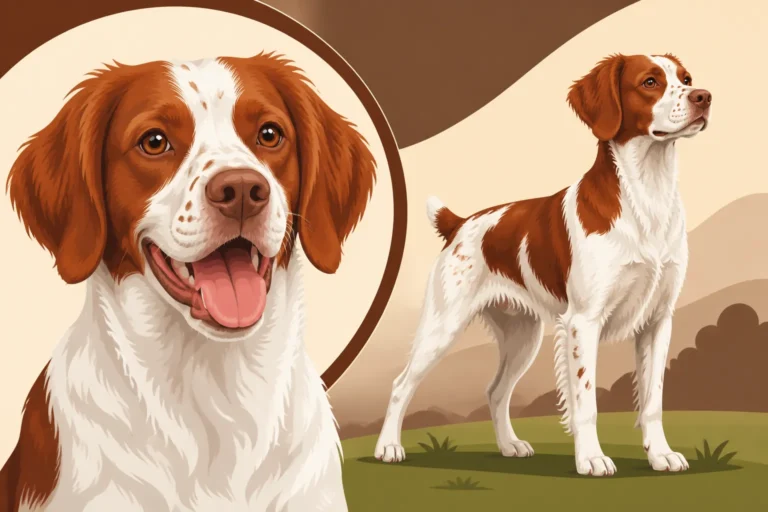
Imagine the bustling atmosphere of turn-of-the-century Paris, a stark contrast to the quiet fields of Brittany. Here, amid a diverse collection of dogs, these compact, earnest bird dogs made an impression. Their intelligence, their distinctive orange and white or liver and white coats, and their naturally bobbed tails (a common trait in the breed even then) would have certainly caught the eye. This early appearance helped to ignite interest among a broader audience, paving the way for serious discussions about formalizing the breed. It was a crucial moment, signaling that the Brittany was more than just a local hunter's helper; it had the potential for national and international recognition.
Early Standards and Enthusiasts
Following these initial informal showings, dedicated enthusiasts and breeders began to coalesce. They recognized the need to define what constituted a "true" Brittany and to protect its unique characteristics. This collective effort led to the drafting of the first breed standard and the formation of a breed club. The very first written standard for the Brittany was established in France in 1907, a direct result of this growing interest and the desire to formalize the breed's identity. This crucial document outlined the desired physical traits and temperament, aiming to preserve the qualities that made the Brittany such an exceptional hunting dog. The formation of the Club de l'Épagneul Breton (the French Brittany Club) in that same year provided a formal structure for breeding, showing, and promoting the breed. This club became the guardian of the breed's future, ensuring that its rich heritage and working abilities would be maintained for generations to come. When the French Brittany Club Was Founded and When the Brittany Standard Was First Written delve deeper into these foundational moments.
What "Being Shown" Meant for the Brittany
Exhibiting the Brittany in Paris and subsequently developing a breed standard wasn't just about winning ribbons; it was about defining an identity and securing the breed's future.
Gaining Wider Acclaim
Having a dog shown in Paris, even informally at first, brought a level of prestige and visibility that a regional working dog couldnin't achieve otherwise. It shifted the perception of the Brittany from a mere "farm dog" to a legitimate breed with unique and valuable qualities. This exposure led to increased interest from sportsmen, not just within France but internationally. People began to understand that this wasn't just any pointing dog; it was a distinctive type, bred for a specific purpose, with a charm and intelligence that made it stand out.
The discussions and debates among early enthusiasts, spurred by these public appearances, helped refine the understanding of the breed. It allowed for a consensus to form around what was considered ideal for a Brittany, both in terms of conformation and working ability. This wider acclaim was essential for the breed's survival and flourishing, ensuring it would not be lost to time or diluted by indiscriminate breeding.
The Road to the Official Breed Standard
The process of formally showing and judging dogs necessitates a clear standard. Those early exhibitions were invaluable in highlighting the consistent characteristics found in the best working Brittanys. Breeders and fanciers could observe different specimens side-by-side, compare them, and begin to articulate what traits were most desirable and representative of the breed. This iterative process, moving from informal recognition to a written standard, was pivotal. The standard isn't just a set of rules for judging; it's a blueprint for breeders, a guide to maintaining the health, temperament, and working prowess of the breed. It ensures that future generations of Brittanys retain the qualities that make them so special. Without these foundational steps, the Brittany might have remained a varied regional type rather than the globally recognized, successful pointing breed it is today. What Epagneul Breton Means further explores the historical naming conventions.
The Brittany's Journey Beyond France
The formal recognition and exhibition in France were merely the first chapters in the Brittany's global story. From the show rings of Paris, these versatile dogs soon began to travel the world.
Crossing the Atlantic
Once the Brittany had established its identity and gained recognition in its homeland, it wasn't long before its reputation spread. Hunters and dog enthusiasts from other countries, particularly the United States, heard tales of this exceptional little pointing dog. The first Brittanys began to arrive in America in the early 1930s, bringing with them their distinct hunting style and charming personalities. When the Brittany Reached America outlines this significant expansion of the breed.
The American sportsmen quickly fell in love with the Brittany's biddability, intelligence, and tireless drive in the field. They were an immediate hit, offering a compact, agile alternative to the larger pointing breeds. This transatlantic journey cemented the Brittany's status as a breed of international appeal, capable of adapting to diverse hunting environments while still retaining its core characteristics.
Maintaining Working Roots
Even as the Brittany gained popularity in show rings and as a companion animal, its working roots remained paramount. Breeders and enthusiasts on both sides of the Atlantic recognized that the breed's essence lay in its ability to hunt. This dedication to performance is a cornerstone of the Brittany's identity, distinguishing it from many other breeds that might lose their working purpose over time.
For instance, whether a Brittany was bred for field trials or for family companionship, the expectation was always that it would possess strong natural hunting instincts. This commitment to its original purpose is one of the reasons the Brittany holds the record for the most Dual Champions – dogs that excel in both conformation shows and field trials – within the American Kennel Club. This unique achievement speaks volumes about the breed's enduring versatility and the efforts of dedicated individuals to preserve its heritage. Why the Brittany Kept Its Working Ability offers more insight into this remarkable balance.
To illustrate the evolution, consider the key differences between the early, rustic Brittany and the formally recognized breed:
| Feature | Rustic (Pre-Standard) Brittany | Standardized Brittany (Post-1907) |
|---|---|---|
| Primary Purpose | Subsistence hunting, local game | Field trials, formal hunting, family companion |
| Breeding Focus | Working ability, temperament, local adaptation | Adherence to written standard, health, working ability |
| Appearance | Varied in size, coat, tail length; less uniform | Consistent size, coat color patterns (orange/white, liver/white, roan), preferred tail length (naturally bobbed or docked) |
| Recognition | Local, informal recognition as a "Brittany dog" | Formal recognition by national kennel clubs, written standard |
| Geographic Scope | Primarily Brittany region of France | National and international |
This table highlights how the process of formal recognition, including those early showings in Paris, transformed a local marvel into a beloved and widely admired breed.
Disclaimer
This article is for general informational purposes only and does not constitute professional advice. Laws, prices and regulations vary by location and change over time. Consult a qualified professional for guidance on your specific situation.