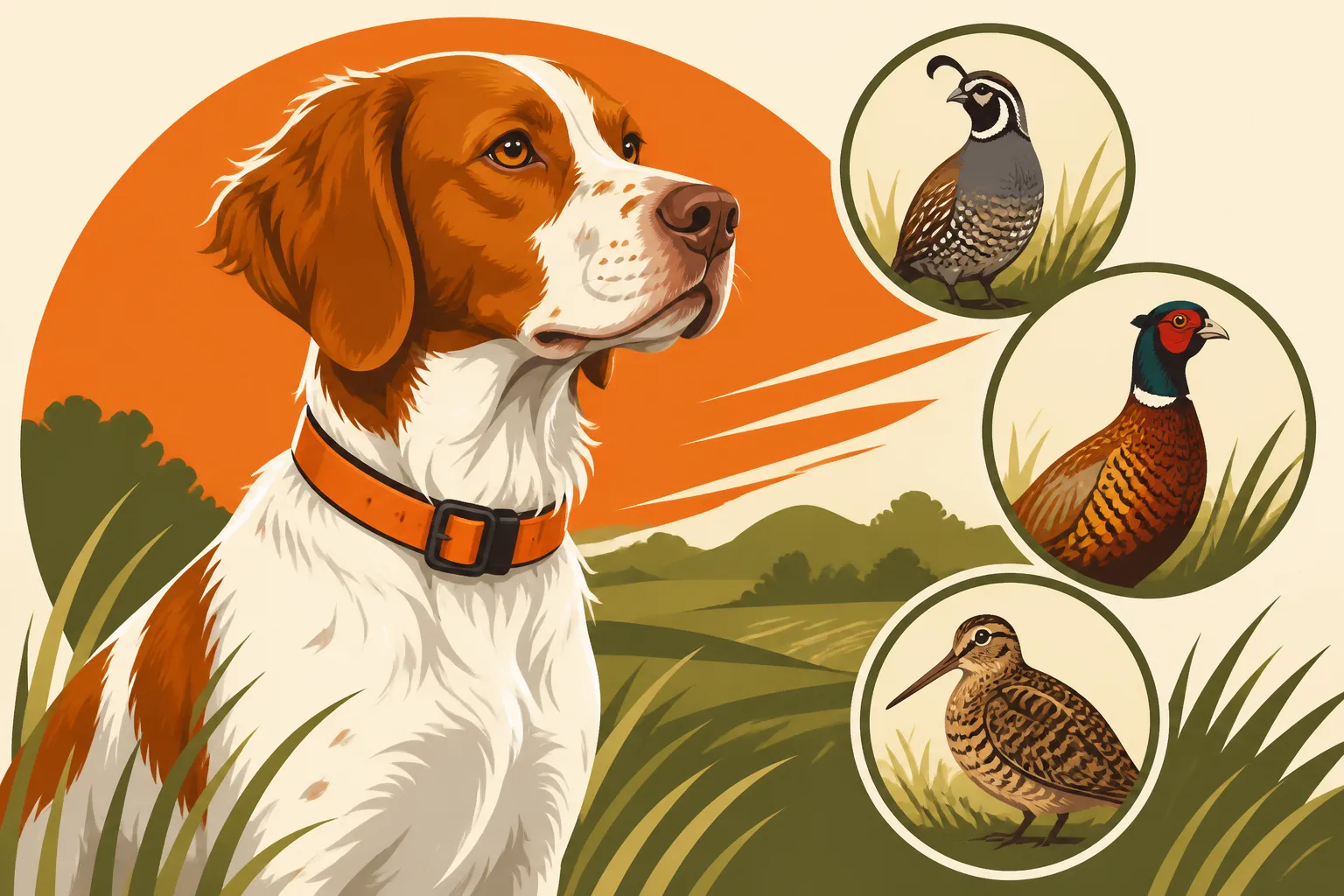
What the Brittany Was Bred to Hunt
It’s a question many new Brittany owners, or those just admiring the breed, often ponder: what exactly was this energetic, orange-and-white dynamo bred to hunt? It’s not just about pointing at any bird; the Brittany has a very specific heritage and set of skills honed over centuries to excel at particular types of game. This guide will walk you through the rich history and practical applications of the Brittany’s hunting prowess, helping you understand their true calling in the field.
Unraveling the Brittany's Hunting Heritage: More Than Just a Pretty Face
When you look at a Brittany today, whether they're curled up on your couch or tearing through a field, it's easy to forget their deep-seated history as a working gun dog. This isn't a breed that was simply "discovered"; it was carefully cultivated in a specific region of France for a very particular purpose. Understanding this lineage is key to appreciating their instincts and talents.
From Humble Beginnings: The Poacher's Dog
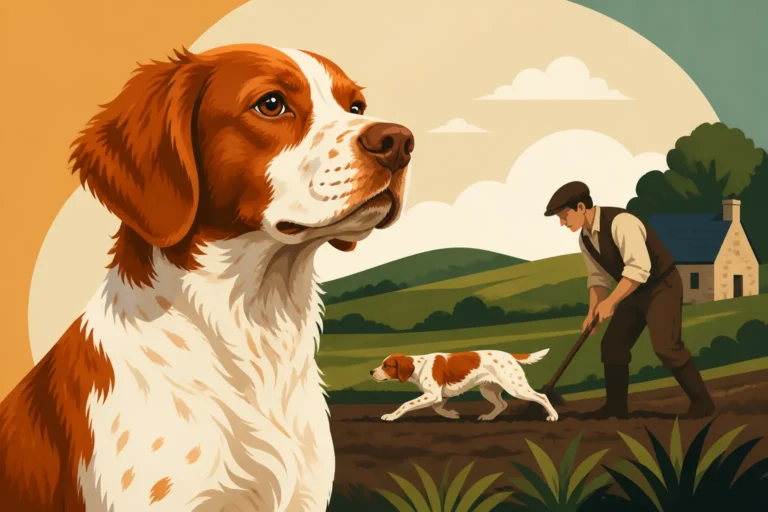
The Brittany's story isn't one of grand estates and aristocratic hunters initially. Instead, their roots are intertwined with the common folk, particularly poachers, in the northwestern region of Brittany, France, around the 17th to 19th centuries. These early dogs needed to be highly efficient, quiet, and biddable enough to work closely with their human partners without drawing undue attention. They weren't just flushing dogs that would send birds sky-high; they needed to hold game precisely so a hunter could net or snare it, often without the use of a firearm in the early days.
This demand for a discreet yet effective hunting companion forged many of the traits we see in modern Brittanys: their keen intelligence, their desire to please, and their inherent ability to work with a person rather than just for themselves. They were often referred to as a "poacher's dog" because they could provide sustenance for a family under challenging circumstances. You can learn more about Where the Brittany Comes From to dive deeper into their geographical and cultural origins.
The Shift from Flushing to a Natural Point
While some early versions of the breed might have acted more like flushing spaniels, the Brittany as we know it today firmly falls into the pointing category. This crucial shift in purpose occurred as firearms became more common and hunting evolved into a sport. Instead of just driving game into a net, hunters needed a dog that could locate birds, freeze, and hold them motionless until the hunter arrived to flush and shoot.
The Brittany developed an uncanny ability to "point" — standing rigid, nose often pointing directly at the hidden game, with tail sometimes held high, signaling the bird's presence. This natural pointing instinct wasn't something that had to be heavily trained; it was an innate talent, deeply embedded in their DNA. This made them incredibly valuable to hunters, saving time and effort in finding elusive upland game birds. Their ability to do this with remarkable steadiness distinguishes them from many other breeds.
The Brittany's Prime Target: Upland Game Birds
When you talk about a Brittany and hunting, you are almost always talking about upland game birds. This is where their instincts, their physique, and their intelligence truly shine. Their entire design, from their keen nose to their tireless legs, is optimized for these specific hunting scenarios.
Why They Excel with Pheasant, Quail, and Grouse
The typical quarry for a Brittany includes pheasants, quail, and grouse. These birds inhabit various "upland" terrains, from open fields and dense brush to woodlands and thickets. The Brittany's medium size allows them to navigate diverse cover, unlike larger, heavier breeds that might struggle in tight spots.
- Pheasants: Known for their explosive flush and preference for dense grass and field edges. Brittanys are excellent at methodically working these areas, using their superior nose to pinpoint a pheasant's hiding spot. Their energy ensures they can cover a lot of ground, driving pheasants into a corner or holding them for a shot.
- Quail: Often found in coveys in brushy areas, quail require a dog with a more precise, cautious approach. A good Brittany will work closer, showing finesse in handling these birds, holding a staunch point on a covey, and then carefully working singles after the flush. Their shorter range, especially the French Brittany type, is ideal for the tighter cover quail often favor.
- Grouse: Perhaps the most challenging of upland birds, grouse live in thick woods and require a dog that can work quietly and patiently. The Brittany's intelligence and ability to adjust its range to the cover make it a fantastic grouse dog, navigating dense forests without bumping birds prematurely. The Brittany Points, It Does Not Flush is a key characteristic that makes them so effective for these birds.
Navigating Diverse Terrains for the Hunt
Brittanys are not one-trick ponies when it comes to terrain. Their athleticism allows them to adapt to an array of environments where upland birds are found. Whether it's the wide-open prairie where they might run a bigger pattern, the thickets and hedgerows of agricultural land, or the dense timber of a grouse cover, they adjust their search pattern and speed.
This adaptability means a Brittany hunter can pursue different species across multiple states or regions. A Brittany trained on Kansas pheasants will likely make the transition to Michigan grouse, perhaps with some adjustments in range and pace, but always with that inherent bird-finding ability leading the way. Their robust constitution allows them to handle varying temperatures and conditions, though proper care, like ensuring they stay hydrated with a travel bowl from Chewy, is always essential.
Here’s a quick overview of how the Brittany matches up with common upland game:
| Game Bird | Typical Habitat | Brittany's Hunting Style | Key Strengths Utilized |
|---|---|---|---|
| Pheasant | Open grasslands, field edges, CRP | Wide, methodical search; staunch point | Speed, stamina, keen nose, range |
| Quail | Brushy cover, open woods, briar patches | Closer, finessed search; precise point | Intelligence, biddability, patience |
| Grouse | Dense woods, thickets, logging roads | Patient, quiet, methodical; cautious point | Stealth, scenting ability, adaptability |
| Chukar | Rocky, arid terrain, steep hillsides | Extremely energetic, wide-ranging search | Endurance, agility, tenacity |
| Woodcock | Wet, marshy woodlands, alders | Slower, meticulous, close-working search | Fine nose, methodical pace |
The Hallmark of a Brittany: Pointing and Retrieving Instincts
What truly sets the Brittany apart, and what it was unequivocally bred for, are its exceptional pointing and retrieving instincts. These aren't just parlor tricks; they are critical components of a successful hunt and the very essence of the breed's purpose.
That Signature Freeze: The Brittany's Natural Point
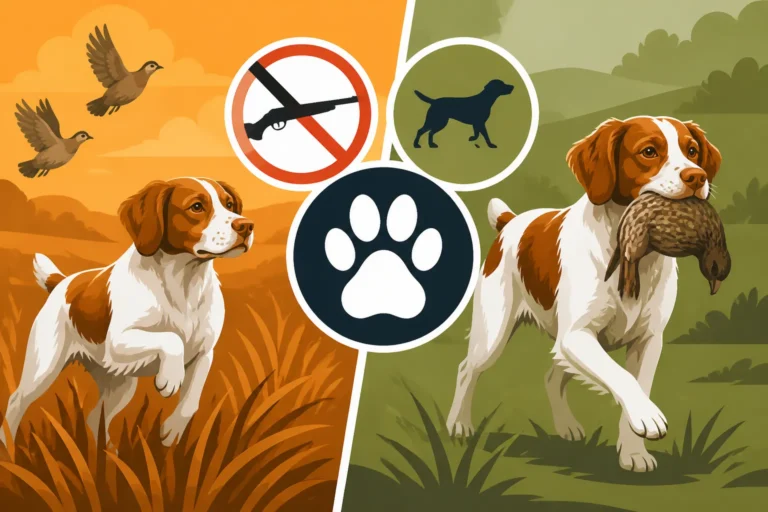
Imagine walking through a field, your Brittany quartering ahead, nose to the ground. Suddenly, they halt. Every muscle tenses, their body goes rigid, often leaning forward intensely, and their gaze is fixed on an unseen spot in the cover. This is the Brittany's point—a breathtaking display of instinct that signals the presence of game. This natural behavior is why many Brittany owners are so passionate about the breed. You don't teach a Brittany to point; you merely refine it. Whether a Brittany Points Naturally is almost always answered with a resounding yes, though the quality and style can vary.
This instinct is so strong that even young puppies, sometimes as early as eight to ten weeks, will exhibit a rudimentary point on a feather or a wing. It’s an inherited trait that has been meticulously preserved and enhanced through generations of selective breeding. For a hunter, this means less time wasted blindly searching and more efficient bird-finding, allowing them to focus on the shot rather than locating the bird. It's a partnership where the dog finds, and the hunter harvests.
Beyond the Point: The Drive to Retrieve
Finding the bird is only half the battle; bringing it back is the other. Brittanys were also bred to retrieve shot game. This "retrieve to hand" is highly prized, meaning the dog brings the bird directly back to the hunter and gently delivers it without damaging the feathers. This soft mouth, combined with a strong desire to please, makes them excellent retrievers.
While some Brittanys may be natural retrievers, readily bringing back anything you throw, others might require a bit more encouragement or formal "force fetch" training. However, the desire to retrieve is almost universally present. They understand the entire sequence: find, point, wait for the flush and shot, then retrieve. This comprehensive skillset is what makes them "versatile" pointing dogs. You can explore Whether a Brittany Retrieves Naturally to understand more about this facet of their hunting ability. A good retrieval prevents lost birds and ensures an ethical hunt, which is paramount for responsible sportsmen.
Beyond Birds: The Brittany's Broader Field Aptitudes
While upland birds are their bread and butter, the Brittany's intelligence and desire to work mean they can sometimes extend their talents to other forms of hunting, showcasing their true versatility. These aren't their primary targets, but they're capable of surprising you!
Waterfowl Work: A Lesser-Known Talent
It might surprise some, but many Brittanys can and do participate in waterfowl hunting. While not purpose-bred duck dogs like Labradors or Chessies, their retrieving drive, endurance, and eagerness to please translate well to retrieving ducks and geese from water. They're often called "versatile" for a reason! However, their lighter coats and smaller size mean they aren't as well-suited for prolonged exposure to icy water or harsh conditions as some of the dedicated retrieving breeds.
For a Brittany to be an effective duck dog, they need to be introduced to water early and have a strong, confident retrieve. Their agility and swimming ability are generally excellent, but their comfort level in cold water will vary by individual. If you're planning to take your Brittany duck hunting, investing in a neoprene vest from a retailer like Chewy can help keep them warm and protect their chest from abrasive ice or reeds. Always prioritize your dog's safety and comfort in challenging environments.
Small Game: When Opportunity Knocks
Historically, especially in their early "poacher's dog" days, Brittanys would certainly have helped locate and retrieve smaller ground game like rabbits or hares. While not a primary focus for modern Brittany breeders or field trialers, a Brittany's keen nose and persistent search can make them effective at flushing rabbits from brush piles or thick cover.
However, their strong pointing instinct might sometimes lead to interesting situations with small game. They're primarily visually stimulated by birds flushing, but their nose is indiscriminate. Don't be surprised if your Brittany points a rabbit or squirrel! This speaks to their overall prey drive and scenting ability, which is transferable across different types of quarry. Most Brittany owners focus on birds, but it’s a testament to their inherent hunting instincts that they can adapt to other game when needed.
Nurturing the Hunter Within: Training and Temperament
The Brittany's innate hunting abilities are powerful, but they still require careful development through training. Their sensitive nature and intense desire to please make them highly trainable, yet also susceptible to harsh methods.
Gentle Yet Driven: Training Considerations for a Brittany
Brittanys are known for being "soft" dogs, meaning they respond best to positive reinforcement and gentle, consistent methods. They are incredibly intelligent and eager to learn, but they can shut down or become withdrawn if subjected to overly harsh corrections. This is a crucial point for any aspiring Brittany owner or handler; patience and understanding will get you much further than force. How Sensitive a Brittany Is to Correction is a topic often discussed among owners, highlighting their unique temperament.
Early socialization and exposure to different environments, sights, and sounds are vital. For a hunting dog, this includes controlled introductions to feathers, live birds, and eventually, the sound of gunfire. Starting young with positive experiences builds confidence and reinforces their natural instincts. Training sessions should be kept short, fun, and engaging to match their high energy and short attention span as puppies. This methodical approach ensures they develop into confident, reliable hunting partners.
The Essential Gear for a Dedicated Brittany Hunter
Outfitting your Brittany for a successful hunting season goes beyond just a leash and collar. Proper gear enhances safety, comfort, and performance, whether you're heading out for an early season quail hunt or a late season pheasant push.
Here’s some essential gear to consider for your hunting Brittany:
- E-Collar (Electronic Collar): Used for long-range communication and reinforcement of commands like recall and whoa. Given a Brittany's natural range, especially American Brittanys, an e-collar is often indispensable for safety and control in vast fields. Whether a Brittany Needs an E Collar is a common question, and for many field hunters, the answer is yes, when used correctly and humanely.
- Check Cord: A long rope (20-50 feet) used for teaching commands like "whoa" and recall in a controlled environment before off-leash work.
- Whistle: For silent commands, especially useful when your dog is ranging far out or you don't want to spook game.
- Beeper or GPS Collar: Helps locate your dog in dense cover or when they're on point out of sight. A GPS collar, in particular, offers real-time tracking, which is invaluable.
- Protective Vest: Essential for protecting your Brittany from thorns, burrs, and sharp stubble, especially in heavy cover. A blaze orange vest also increases visibility.
- First Aid Kit: Always have one packed with essentials for treating minor cuts, scrapes, and foxtail intrusions. The Injuries a Brittany Picks Up in the Field can be varied, so being prepared is key.
- Performance Dog Food: During hunting season, your Brittany's caloric needs skyrocket. A high-quality performance dog food is crucial to maintain their energy and weight. Many brands available through Chewy offer specialized formulas for active sporting dogs. How Much an Adult Brittany Eats will significantly increase during hunting season.
- Water & Portable Bowl: Keeping your Brittany hydrated is paramount, especially on long, warm days in the field.
Investing in quality gear and understanding how to use it effectively will not only make your hunting trips more enjoyable but also ensure the well-being and peak performance of your Brittany.
Disclaimer
This article is for general informational purposes only and does not constitute professional advice. Laws, prices and regulations vary by location and change over time. Consult a qualified professional for guidance on your specific situation.