How Tall a Brittany Stands
It's completely normal to wonder just how big your beloved Brittany, or the Brittany you're thinking of bringing home, will truly get. You see them bustling around with such boundless energy, but their actual stature can sometimes be a bit deceptive. This guide will walk you through the official breed standards for height, discuss why those measurements matter for a hunting dog and a family companion, and help you understand the factors that shape your Brittany's final size.
Understanding the Brittany's Official Height Standard
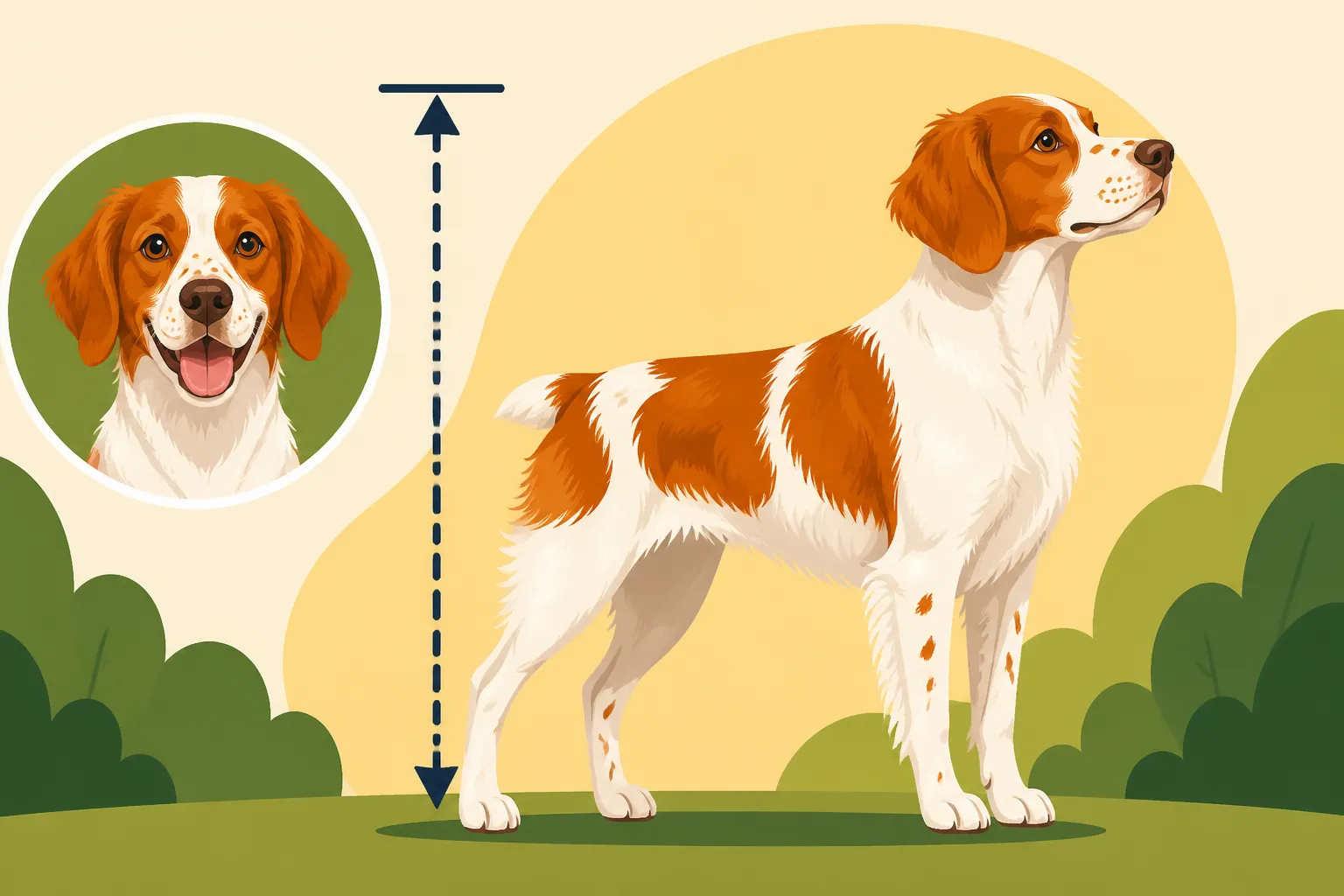
When we talk about a dog's "height," we're not just guessing or looking at how tall they stand on their hind legs when they're begging for a treat. For purebred dogs, height is a precise measurement taken at the highest point of the shoulder blade, known as the withers. This measurement is crucial because it helps define the breed's physical characteristics, ensuring consistency and preserving the working abilities for which they were originally bred. It’s a foundational piece of their identity.
The American Kennel Club Standard for Height
For the American Brittany, the standard set by the American Kennel Club (AKC) is quite specific. These dogs are meant to be compact, agile, and athletic, designed for efficient movement in the field. They aren't supposed to be towering giants, nor are they meant to be tiny lapdogs.
The official AKC standard states that a Brittany should stand between 17.5 and 20.5 inches at the withers. Anything outside this range is considered a disqualification in the conformation ring. This range isn't arbitrary; it reflects the ideal build for a versatile bird dog. A dog too small might struggle in heavy cover or deep snow, while one too large could lack the nimbleness and endurance required for a long day of hunting. It's all about finding that sweet spot where form perfectly meets function, allowing them to move effortlessly through various terrains and maintain stamina.
How the French Standard Differs for the Epagneul Breton
While we often refer to "the Brittany," it's important to remember that there are distinct differences between the American Brittany and its European cousin, the Epagneul Breton. In France, where the breed originated, the standard is slightly different, reflecting a subtle divergence in breeding focus over the decades. This distinction is part of understanding How a French Brittany Differs From an American One.
The French standard, governed by the Club de l'Épagneul Breton, allows for a slightly smaller dog. For males, the height typically ranges from 19 to 20.5 inches (48-52 cm), and for females, it's 18.5 to 20 inches (47-51 cm). While the overlap is significant, the French standard tends to favor a slightly more compact animal on average. This minor difference in height can sometimes translate to a subtle shift in their hunting style or the type of cover they might navigate most effectively. It’s not a huge difference to the casual observer, but for breeders and serious hunters, these details can be important in preserving the lines they prefer.
Why a Brittany's Height Matters for Owners
You might think, "Does an inch or two really make a difference?" For a Brittany, whether in the field or at home, height can certainly impact their daily life and your experience as an owner. It’s not just about aesthetics; it ties directly into their capabilities, their comfort, and even their overall health. When you consider The Brittany Is the Smallest of the Versatile Pointing Breeds, every aspect of their physical build is designed for purpose.
Impact on Hunting Style and Cover Navigation
A Brittany's size is intrinsically linked to its performance in the field. Their moderate height allows them to weave through dense brush, duck under low-hanging branches, and power through taller grasses without expending excessive energy. A dog that is too tall might get hung up more often, or have to jump over obstacles that a standard-sized Brittany could simply slip through. This constant effort would quickly lead to fatigue over a long hunting day.
Conversely, a Brittany that is too small might struggle to clear certain obstacles or be less visible to the hunter in taller cover. The breed's typical range is also influenced by their physical build; an American Brittany, known for its wider range, relies on its athletic build to cover ground efficiently, while a French Brittany, which typically hunts closer, still needs to be robust enough to handle challenging terrain. This balance in size and build contributes significantly to their effectiveness as pointing dogs.
Considerations for Home Living and Travel
Beyond the hunt, a Brittany's height and overall size affect how they fit into your home and lifestyle. A moderately sized dog is often easier to manage in various living situations. They don't take up an enormous amount of space on the couch, fit comfortably in standard crates or dog beds (like those you might find on Chewy), and are generally less cumbersome to transport in a vehicle.
Imagine trying to fit a giant breed into a small SUV or navigating tight spaces in a busy household with a much larger dog. The Brittany's manageable size makes them excellent companions for active families who enjoy travel, whether it's a road trip to a hunting destination or a weekend getaway. It also means they're less likely to accidentally knock over small children or fragile items, though their exuberance often compensates for their moderate stature in that regard!
Health Implications of Extreme Heights
While most Brittanys fall within the breed standard, dogs that are significantly outside the typical height range can sometimes experience health challenges. For example, an unusually tall Brittany might be more prone to certain orthopedic issues, as their bone structure might be under more strain than it was designed for. Conversely, a significantly undersized Brittany might struggle with joint stability or lack the physical endurance needed for strenuous activity.
Responsible breeding aims to maintain the health and structural integrity of the breed. Breeders carefully select dogs that conform to the standard, not just for show purposes, but because these standards are often indicative of a sound, healthy animal. Deviations from the standard can sometimes be a red flag, prompting owners to be more vigilant about potential health concerns, which is why understanding What a Brittany Spaniel Breeder Should Have Tested is so important.
Factors Influencing a Brittany's Mature Height
It's fascinating how a tiny, wobbly puppy grows into a powerful, athletic adult. Just like humans, a Brittany's final height is a complex interplay of several factors. While genetics lay the groundwork, environment and care during their formative months play a significant role in helping them reach their full potential.
Genetics and Lineage: American vs. French Brittanys
The most significant predictor of a Brittany's adult height comes from its parents and its specific lineage. As discussed, there's a subtle but noticeable difference in the average height between American Brittanys and French Brittanys (Epagneul Bretons). If you have an American Brittany puppy, it's more likely to fall within the AKC's 17.5 to 20.5-inch range, with males often reaching the higher end.
If your pup comes from French lines, particularly those rigorously bred to the European standard, you might anticipate a slightly more compact dog. This genetic predisposition means that even with perfect nutrition and care, a French Brittany puppy is unlikely to grow as tall as some of the larger American lines. Understanding this genetic background is crucial when selecting a puppy and predicting its adult size. This is also why reputable breeders provide detailed information about a puppy's parents and their conformation.
Nutrition and Growth During Puppyhood
While genetics set the potential, nutrition during puppyhood is absolutely vital in realizing that potential in a healthy way. Rapid growth, particularly in larger or moderately-sized breeds like the Brittany, can sometimes lead to orthopedic problems down the road. It's not about making them grow as fast as possible; it's about supporting steady, healthy growth.
Feeding a high-quality puppy food specifically formulated for medium-sized breeds, like many excellent options available on Chewy, is essential. These foods provide the right balance of protein, fats, vitamins, and minerals to support bone and muscle development without promoting excessively fast weight gain, which can stress developing joints. Overfeeding or feeding an adult dog food too early can be detrimental. It's often debated Whether a Brittany Puppy Needs Large Breed Food, but the key is controlled growth, not accelerated bulk. Consistent, appropriate nutrition helps ensure that their growth plates close properly and their skeletal system develops soundly.
Gender Differences in Brittany Height
Just like many other dog breeds, and indeed many species, there's a noticeable size difference between male and female Brittanys. Typically, males are taller and heavier than females. This is a consistent trend across both American and French lines of the breed.
A male Brittany will generally mature closer to the upper end of the breed standard's height range (20-20.5 inches for American Brittanys), while females usually fall into the lower to mid-range (17.5-19.5 inches). This difference isn't just about height; males often have a more robust bone structure and a slightly more powerful build overall. When considering a puppy, this gender difference can be a practical consideration, especially if you have specific preferences for a smaller or larger dog, or if you plan to compete in conformation where these nuances are important.
Measuring Your Brittany Accurately
So, you're curious about your own Brittany's height or want to verify if a dog you're considering meets the standard. Taking an accurate measurement at home is totally doable, but it requires a bit of patience and knowing exactly where to measure. It's not like measuring a child against a growth chart on the wall; there are specific points of reference that ensure consistency.
Step-by-Step Guide to Taking Your Brittany's Height
To get a reliable measurement of your Brittany's height at the withers, you'll need a few things: a level surface (a hard floor, not carpet), a carpenter's level or a straight stick, and a measuring tape.
- Get Your Brittany Used to It: First, make sure your dog is comfortable with standing still and being touched. A few treats and some gentle praise can go a long way. You want them to stand naturally, not slouching or stretching up.
- Position Your Dog: Have your Brittany stand squarely on all four paws, with their head in a neutral position – not looking up or down. Their front legs should be straight, directly under their shoulders. This is crucial for an accurate reading.
- Locate the Withers: The withers are the highest point of the shoulder blades, where the neck meets the back. You can usually feel this bony prominence.
- Use Your Tools: Place the carpenter's level or a straight stick horizontally across your dog's withers. Make sure it's perfectly level.
- Measure: Now, use your measuring tape to measure the vertical distance from the floor up to the underside of the level or stick. Keep the tape perpendicular to the floor to avoid inaccuracies.
- Repeat: Take the measurement a few times to ensure consistency. Your Brittany might shift slightly, so averaging a few readings can give you the most accurate result.
This method helps you understand if your dog falls within the standard, whether it's for general curiosity or preparing for a show.
Common Mistakes and How to Avoid Them
It’s easy to get an inaccurate reading if you're not careful. Here are some pitfalls to watch out for:
- Measuring to the Top of the Head: This is the most common mistake. A dog's head position can vary greatly, making this an unreliable point of measurement. Always measure to the withers.
- Measuring on Uneven Surfaces: Measuring on grass, a thick rug, or an uneven patch of ground will give you a skewed result. Always use a hard, flat, level surface.
- Dog Not Standing Squarely: If your Brittany is slouched, leaning, or has one leg tucked under, the measurement will be off. Patiently reposition them until they are standing naturally and squarely.
- Using a Flexible Tape Measure Without a Level: Trying to eyeball the height with just a soft tape measure is almost impossible to do accurately. The level or straight stick creates a clear horizontal line to measure against, removing guesswork.
- Rushing the Process: A stressed or fidgety dog will make accurate measurement difficult. Take your time, make it a positive experience with treats, and don't get frustrated if you need to try a few times.
By avoiding these common errors, you'll get a much more reliable understanding of your Brittany's actual height.
The Link Between Height and Overall Proportions
When we talk about a Brittany's height, it’s rarely just about the number on the tape measure. In the world of dog breeds, height is always considered in conjunction with other measurements, particularly length and weight, to assess the dog’s overall proportions. For a working dog like the Brittany, these proportions are crucial for its athletic ability and structural soundness.
Why a Square Build is Desirable
One of the defining characteristics of the Brittany breed standard, especially for the American Brittany, is a "square" build. This means that the length of the body, from the prosternum (the front of the chest) to the rear of the thigh, should be approximately equal to the height at the withers. This isn't just an aesthetic preference; it's a functional requirement.
A square build contributes to the Brittany's agility, balance, and efficiency of movement. A dog that is too long in the body might struggle with quick turns and tight maneuvers in dense cover, making them less effective at working birds. A dog that is too short could appear stocky and less athletic. The square proportion helps ensure that the dog has the correct leverage and muscle attachment points for powerful propulsion and agile changes in direction, which are essential for its pointing and retrieving tasks. This balance is why you'll often hear discussions about Whether a Brittany Should Be Square among enthusiasts.
How Height Relates to Weight and Bone Structure
Height and weight are inextricably linked, and for the Brittany, a healthy weight is directly proportional to its height and bone structure. The breed standard calls for a sturdy, well-muscled dog without being heavy or bulky.
A Brittany that is within the ideal height range but significantly overweight will likely suffer from increased strain on its joints, reduced stamina, and a higher risk of health problems. Conversely, a Brittany that is too lean for its height might lack the muscle mass and body fat reserves needed for demanding field work. The goal is a dog that feels substantial and well-conditioned, with easily palpable ribs but not visible ones, a tucked-up waist, and a strong, level topline. This balance ensures they have the strength and endurance to perform in the field for extended periods. When puppies are growing, their weight and height development needs to be carefully managed to prevent issues down the line, which connects to conversations about When a Brittany's Growth Plates Close and The Age a Brittany Reaches Full Weight. Proper nutrition, even from trusted brands like Chewy, coupled with appropriate exercise, helps them maintain this ideal proportion throughout their lives.
Brittany Height at a Glance: American vs. French Standards
To give you a quick visual comparison of how height standards typically vary between the American Brittany and the Epagneul Breton (French Brittany), here's a handy table. Remember, these are ideal ranges, and individual dogs can vary within these guidelines.
| Characteristic | American Brittany (AKC Standard) | Epagneul Breton (FCI Standard) |
|---|---|---|
| Males (Height at Withers) | 17.5 to 20.5 inches | 19 to 20.5 inches (48-52 cm) |
| Females (Height at Withers) | 17.5 to 20.5 inches | 18.5 to 20 inches (47-51 cm) |
| General Build | Square, athletic, energetic | More compact, slightly smaller |
| Typical Weight Range | 30-40 lbs (though not in standard) | 30-40 lbs (13.6-18.1 kg) |
This table clearly illustrates the slight nuances in what each registry considers the ideal height for the breed. While the ranges overlap considerably, the French standard generally leans towards a dog that is, on average, a tad smaller.
Living with a Brittany of Any Size
Regardless of whether your Brittany stands at the lower or upper end of the breed standard, you're bringing home (or already have!) a dog bursting with energy, intelligence, and a whole lot of love. These dogs are remarkable athletes, and their moderate size is one of their many advantages, both in the field and at home. Their manageable height contributes to their ability to be excellent house dogs, fitting comfortably into family life while still retaining the stamina and drive of a top-tier hunting companion.
What truly defines a Brittany isn't just its height, but its boundless enthusiasm, its keen bird sense, and its incredible biddability. You'll find that their energetic spirit and loving nature are far more impactful than a mere inch or two on a measuring tape. As long as they're healthy, well-exercised, and showered with affection, your Brittany will thrive.
Disclaimer
This article is for general informational purposes only and does not constitute professional advice. Laws, prices and regulations vary by location and change over time. Consult a qualified professional for guidance on your specific situation.