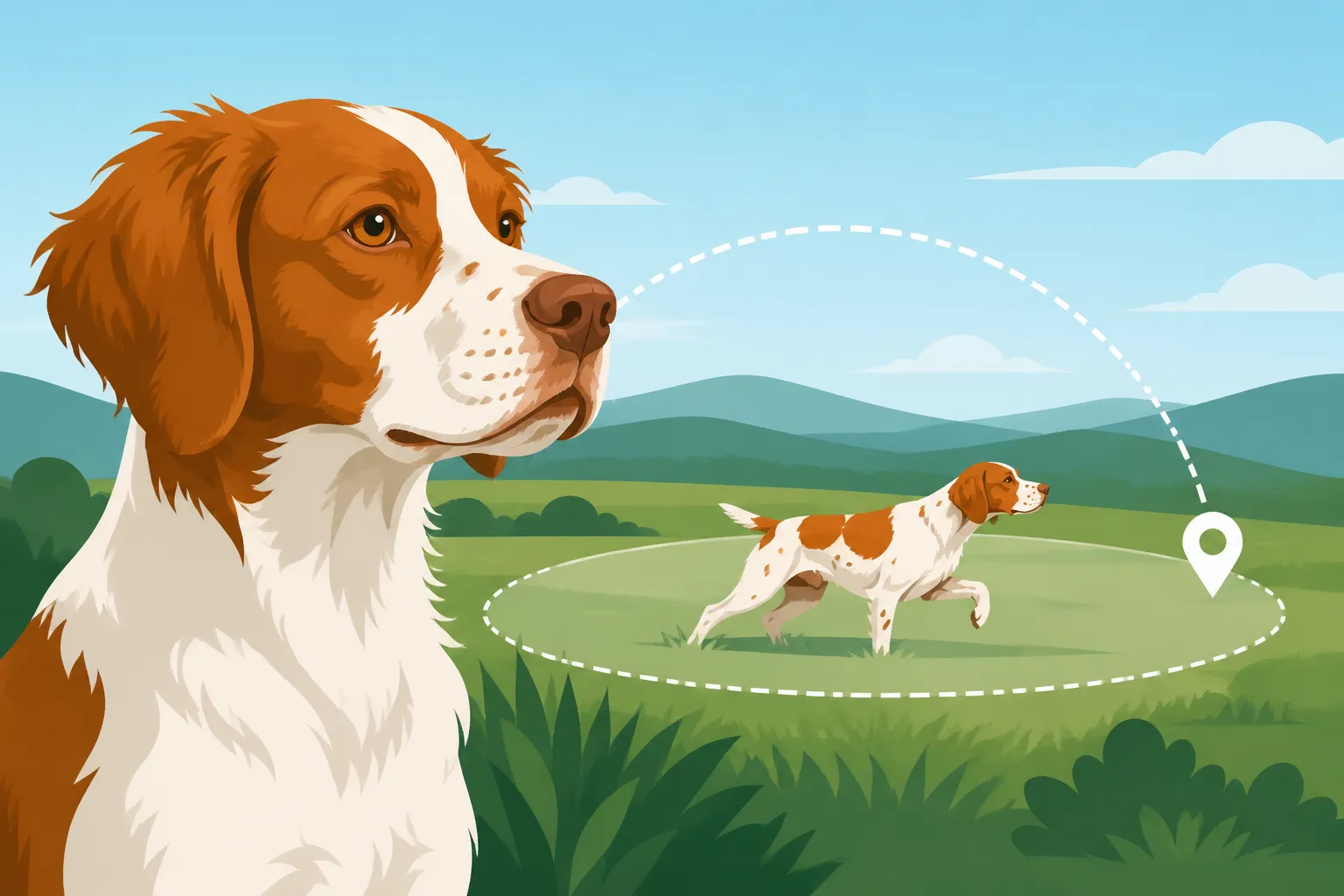
How Far an American Brittany Ranges
It’s a common scenario: you’re out in the field with your energetic American Brittany, watching them work with that beautiful, driven enthusiasm, only to realize they’ve disappeared over a distant rise or into a dense thicket. Many new Brittany owners, or even seasoned hunters new to the breed, often wonder just how far these dogs are truly supposed to range. This guide will dive deep into understanding the natural range of an American Brittany, what influences it, and how you can manage it for a more effective and enjoyable hunting experience.
Understanding the American Brittany's Natural Hunting Range
The American Brittany is a pointing breed, and their hunting style is distinct, especially when compared to many other gun dog breeds. They're built for speed, agility, and covering ground, often with an almost tireless energy. This inherent drive to find birds means they naturally extend their search pattern, or "range," much wider than you might initially expect. This isn't a flaw; it's a deliberate characteristic bred into them over generations.
Why American Brittanys Were Bred for a Wider Range
Historically, the development of the American Brittany diverged from its European cousin, the Epagneul Breton. American hunters, especially those working vast expanses of open prairie or large crop fields, needed a dog that could cover significant ground efficiently. They weren't just looking for a close-working companion; they wanted a powerful bird-finder capable of scenting game from a distance and sweeping through wide areas. This selective breeding emphasized traits that led to a dog with a greater desire to cast out and explore, covering more territory in search of game. This difference is one of the key aspects distinguishing them, as discussed in An American Brittany Ranges Wide and a French One Stays Close.
Imagine hunting quail in Kansas or pheasants in the Dakotas. The fields stretch for acres, and if your dog is hugging your heels, you're missing out on a huge amount of potential bird contacts. The American Brittany was essentially designed to maximize the chances of finding birds in such expansive landscapes. Their physical build — athletic, medium-sized, and highly agile — complements this wide-ranging instinct, allowing them to maintain speed and stamina over long distances.
The Instinctive Search Pattern
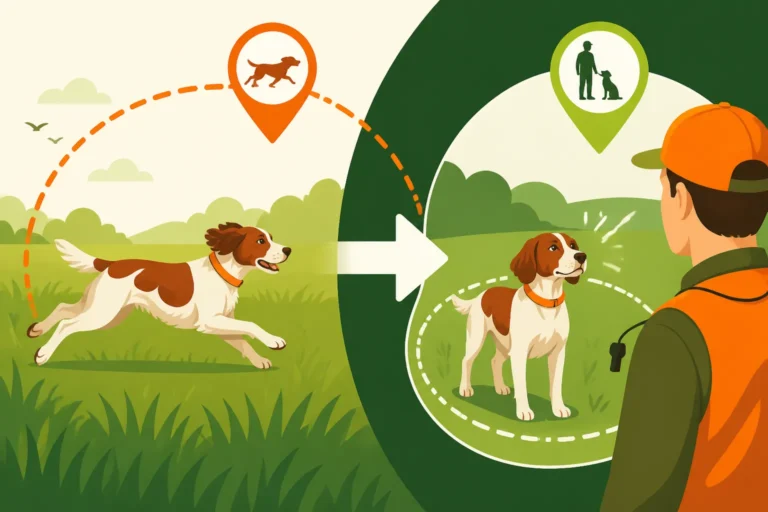
When you let an American Brittany loose in a field, especially one with a good scenting breeze, you’ll typically observe them cast out in a quartering pattern. They don't usually run in a straight line; instead, they work back and forth across the wind, covering the ground in front of you. The "range" refers to how far to either side of you, and how far ahead, they will extend this pattern before naturally checking back in or encountering bird scent. For a typical American Brittany, this can be quite impressive. They are looking for scent cones, trying to pick up the faintest whiff of a bird, and they know the more ground they cover, the better their chances.
This instinctive search pattern is a marvel to watch when executed well. They are constantly analyzing wind direction, terrain, and your position, all while maintaining their primary goal: finding birds. It's a dance between their independent drive and their inherent biddability, a testament to their intelligence and hunting acumen. However, it requires an owner to understand and work with, rather than against, this natural tendency.
Quantifying the "Wide" in an American Brittany's Range
When we talk about an American Brittany ranging "wide," what does that actually mean in practical terms? It's not just a vague concept; there are often observable distances that differentiate them from closer-working breeds. Understanding these typical distances can help set expectations and inform your training strategy.
Typical Distances in the Field
For many American Brittanys, especially those from strong field lines, ranging out 50 to 100 yards to either side and ahead of the hunter is not uncommon. In open country, or when they are particularly fired up and hunting strong, some dogs might even extend that to 150 yards or more. This is significantly further than, say, a flushing spaniel or even some of the closer-working pointing breeds. This characteristic is often what people mean when they refer to How Far an American Brittany Runs Out or How Many Yards an American Brittany Runs Out.
Consider a scenario where you're walking through a large CRP field, birds are scarce, and the cover is thick but broken. Your Brittany, driven by instinct, will push ahead and wide, trying to crisscross every possible patch of cover where a pheasant might be hiding. They are actively seeking out the edge of scent, not just running through the middle. This wide pattern allows them to effectively sweep a large area, ensuring that fewer birds are left undiscovered.
Factors Influencing Individual Dog Range
While the breed generally ranges wide, individual dogs can vary. Several factors play into how far your Brittany will range:
- Genetics: Some lines are bred for even wider, more competitive ranges, often seen in dogs destined for horseback field trials. Other lines might be slightly less extreme but still retain the core Brittany "wide" characteristic.
- Training: While range is innate, it can be influenced. Consistent recall training, teaching your dog to "check in" regularly, and using commands like "here" or "hunt close" can modify their natural tendencies. You can't eliminate the drive to range, but you can certainly shape it.
- Terrain and Cover: A Brittany will naturally range wider in open fields with sparse cover, where scent travels easily and they can see more. In dense woods or heavy brush, their range will naturally shorten as they navigate obstacles and lose visual contact with you.
- Wind Conditions: A strong, consistent wind allows a dog to scent birds from much further away, often leading them to extend their range downwind or quarter more aggressively into it.
- Bird Abundance: In areas with abundant birds, a Brittany might "shorten up" their range slightly as they encounter scent more frequently. Conversely, in sparse bird cover, they might extend their range to find game.
- Handler's Pace: If you walk slowly, your Brittany will naturally need to cover more ground to maintain their energetic search pattern. If you move quickly, they might stay a bit closer.
- Experience Level: A young, inexperienced Brittany might be more chaotic in its range, whereas a seasoned veteran will have a more efficient, purposeful pattern.
Managing and Modifying an American Brittany's Range
The natural wide-ranging instinct of an American Brittany is a huge asset in many hunting situations, but it's not always ideal for every hunter or every type of cover. There are certainly times when you might want to encourage your dog to work a bit closer, or at least ensure they remain responsive even at a distance. The good news is that, while you can't erase their fundamental drive, you absolutely can manage and modify their range through consistent training and the right tools. This ties directly into the discussions around Whether Range Can Be Trained Into a Brittany and Whether Range Can Be Trained Out of a Brittany.
Early Training for Control and Responsiveness
The foundation of managing your Brittany's range begins long before they ever see a real bird in the field. Strong foundational obedience is paramount.
- Rock-Solid Recall: This is non-negotiable. Your Brittany needs to come every single time you call, regardless of distractions. Start training recall in low-distraction environments and gradually increase the challenge. Use positive reinforcement and make coming back to you the most rewarding thing they can do. This recall is your ultimate safety net when they stretch their range a bit too far.
- "Whoa" Command: A reliable "whoa" (or "hup" or "stay") teaches your dog to stop and hold position, which is invaluable if they get too far ahead or are about to push a bird out of range. This command is often taught on a check cord first, giving you physical control to enforce the stop.
- Constant Communication: Brittanys are intelligent and eager to please. Use your voice, whistle, and hand signals to direct them. A consistent whistle command for "come in" or "turn" can be incredibly effective across long distances. Teach them to respond to these cues even when they are focused on hunting.
When introducing these concepts, especially for a young pup, consistency is key. Think of it like a game where they learn the rules, and make sure the "rules" are always fair and rewarding.
Techniques to Shorten Range
If you find your Brittany is consistently ranging too wide for your hunting style or the cover you're in, there are specific techniques you can employ to encourage a closer pattern. This is often explored when asking How to Shorten a Brittany's Range.
- Check Cord Work: A long check cord (20-50 feet) is an invaluable tool for teaching range control. In areas where it's safe and practical, allow your dog to drag the cord. When they try to range too far, simply step on the cord or reel them in gently, pairing it with your "here" or "hunt close" command. This provides a physical reminder of their boundaries. You can find robust check cords on platforms like Amazon, offering various lengths and materials.
- Density Training: Purposefully hunt your Brittany in denser cover, like thickets or small woodlots. In these environments, their natural range will shorten instinctively because it's harder to move and see. This helps them learn to work more deliberately and closer to you.
- Consistent "Check-Ins": Actively encourage your dog to check back in with you, even if it's just a quick glance or a brief swing towards you. Reward this behavior consistently. A good Brittany should regularly turn their head to confirm your location and direction, as highlighted in How Often a Brittany Should Check In.
- E-Collar Use: For more advanced control, especially over greater distances, a properly fitted and correctly used e-collar can be an excellent tool. It allows you to reinforce commands like recall or "whoa" with a mild stimulation at range. However, this is not a substitute for foundational training; it's a reinforcement tool. If you're considering an e-collar, research thoroughly and ideally work with a professional. Reputable brands are available on sites like Amazon, but choose quality and educate yourself on safe and ethical use.
Tools and Aids for Range Management
Beyond foundational training, several pieces of equipment can significantly help manage and enhance your American Brittany's performance in the field, especially regarding their range and your ability to keep track of them.
Electronic Collars and Whistles
Electronic collars (e-collars) can be controversial, but when used correctly and humanely, they are an indispensable tool for many serious bird hunters with wide-ranging breeds like the Brittany.
- Reinforcing Commands at a Distance: The primary benefit of an e-collar is its ability to provide a consistent, timely correction or reminder at distances where your voice alone wouldn't reach. This is crucial for reinforcing recall, "whoa," or even just a general "hunt close" command when your Brittany is 100 yards out, completely focused on bird scent. The cost of these collars can vary widely, as detailed in What an E Collar Costs a Brittany Owner, but investing in a reliable one is key.
- Beepers and GPS Trackers: Many e-collars come integrated with beeper functions or GPS tracking. A beeper collar emits a sound when your dog is on point or simply moving, which is incredibly useful in dense cover when you can't see them. GPS tracking is a lifesaver for wide-ranging dogs, allowing you to see their exact location on a handheld device. This greatly reduces the anxiety of having your dog out of sight and ensures their safety.
- Whistle Training: A whistle travels further than your voice and carries a consistent tone, which is vital for long-distance communication. Training your Brittany to respond to different whistle blasts (e.g., two short blasts for "come," one long blast for "whoa") is incredibly effective for directing their range. Many owners will buy a good quality whistle on sites like Amazon, alongside a reliable check cord, which is discussed in What a Check Cord and Whistle Cost a Brittany Owner.
Harnessing Training Resources
No matter your experience level, continuous learning and structured training can elevate your Brittany's performance and your enjoyment of their companionship.
- Professional Gun Dog Trainers: For those who want to maximize their Brittany's potential or address specific range-related issues, working with a professional gun dog trainer can be invaluable. They have the experience and facilities to teach advanced concepts and troubleshoot problems.
- Online Training Programs: For owners who prefer a DIY approach or need flexibility, online platforms offer a wealth of knowledge. Services like BAXTER & Bella provide comprehensive, step-by-step training courses that cover everything from puppy foundations to advanced obedience, much of which directly translates to better field control. These programs can help you understand the nuances of positive reinforcement and consistent communication, crucial for a sensitive breed like the Brittany. Their structured approach can be particularly beneficial for developing a reliable recall and managing a wide-ranging dog's exuberance.
- Breed-Specific Clubs and Mentors: Joining a Brittany club or finding an experienced mentor can offer localized advice, training days, and invaluable insights into managing the breed's unique traits.
Comparing American Brittany Range to Other Breeds
To truly appreciate the "wide-ranging" nature of an American Brittany, it's helpful to see where they fit on the spectrum of other pointing breeds and gun dogs. This comparison isn't about one being "better" than another, but about understanding their distinct working styles and why a hunter might choose one over the other based on their needs and terrain.
American Brittany vs. French Brittany (Epagneul Breton)
This is perhaps the most direct and crucial comparison when discussing range. The Epagneul Breton, or French Brittany, is the original form of the breed and generally possesses a much closer working range.
| Feature | American Brittany | French Brittany (Epagneul Breton) |
|---|---|---|
| Typical Range | 50-150+ yards (wide, expansive casts) | 20-50 yards (closer, methodical hunting) |
| Hunting Style | Covers ground quickly, large quartering patterns | Deliberate, thorough, works close to the hunter |
| Ideal Terrain | Open fields, prairies, large expanses of cover | Dense cover, small woodlots, walking hunter |
| Speed | Generally faster and more athletic | More moderate pace, efficient |
| Check-in Frequency | Periodically checks in, often at the edge of range | More frequent visual and audible check-ins |
As you can see, the American Brittany's range is significantly greater. This is precisely why the American Brittany was bred the way it was, as detailed in Why an American Brittany Was Bred to Run Bigger. If you're a foot hunter working dense cover or small plots, a French Brittany might be a more natural fit. If you're covering vast areas, perhaps even on horseback, the American Brittany truly shines.
American Brittany vs. Other Pointing Breeds
The American Brittany's range also stands out when compared to other popular pointing breeds:
- German Shorthaired Pointer (GSP) / English Pointer: These breeds can often match or even exceed the American Brittany in terms of range, especially English Pointers which are historically bred for enormous casts in open country, often from horseback. A Brittany's range often falls somewhere between a GSP and a setter for ground coverage, though their compact size and agility give them a unique advantage in certain cover types.
- English Setter / Irish Setter: While setters can also cover a lot of ground, their gait and style are different. They often have a more flowing, ground-eating run, but their range might feel a bit more "sweeping" compared to the Brittany's tighter, more methodical quartering at range.
- Vizsla / Weimaraner: These breeds generally work much closer than an American Brittany. They are often described as "Velcro" dogs, highly attuned to their handler's position, and their natural range typically doesn't extend as far, making them excellent choices for hunters who prefer a tight-working dog.
Understanding these distinctions helps hunters choose the right breed for their specific hunting conditions and personal preferences. It's about matching the dog's natural abilities with the environment you hunt in.
Practical Considerations for Hunting with a Wide-Ranging Brittany
Hunting with an American Brittany that loves to range wide comes with its own set of challenges and immense rewards. To maximize your success and your dog's safety and effectiveness, you need to adapt your hunting style and strategy.
Keeping Track of Your Dog in the Field
The biggest concern with a wide-ranging dog is losing track of them. This can lead to safety issues, lost birds, or simply a frustrating day.
- Auditory Cues: As mentioned, a beeper collar is crucial. Set it to beep every few seconds while the dog is moving and switch to a steady tone when they're on point. This audible signal allows you to pinpoint their general location even when out of sight. Remember to consider battery life for long hunting days.
- Visual Aids: Even with their flashy orange and white or liver and white coats, a Brittany can disappear quickly. An orange vest or bright collar can help them stand out, particularly in denser cover or low light conditions.
- GPS Tracking Devices: For many American Brittany owners, a GPS tracking collar is an essential piece of equipment. Devices allow you to see your dog's exact location, movement patterns, and whether they're on point, all displayed on a handheld receiver or even your smartphone. This eliminates guesswork and anxiety, allowing you to let your wide-ranging Brittany work with confidence. It's a significant investment, but one that often pays for itself in peace of mind.
Adjusting Your Hunting Strategy
Your approach to hunting needs to evolve when you have a wide-ranging Brittany.
- Walk with a Purpose: You need to move at a pace that allows your dog to work effectively. Don't be afraid to cover ground yourself. Your Brittany is clearing a large area, so you should be moving to cover that same ground, positioning yourself to shoot birds that flush in front of your dog's point.
- Trust the Dog: It can be hard to let your dog disappear over a hill, but you must trust their instincts and training. If you've done your homework with recall and "whoa," let them work. They are often finding birds you would have walked right past with a closer-working dog.
- Understand Wind and Terrain: Brittanys excel at working the wind. Pay attention to its direction and let your dog work into it. In heavy cover, be prepared for their range to naturally shorten, and adjust your pace accordingly.
- Group Hunts: If you're hunting with multiple people, communicate clearly about where your wide-ranging Brittany is working. Position yourselves strategically to cover the area your dog is searching, ensuring safety and maximizing shooting opportunities. This might also factor into Whether an American Brittany Suits Horseback Trials, as their wide range makes them excellent for covering ground ahead of mounted hunters.
Ultimately, hunting with a wide-ranging American Brittany is a partnership. You provide the guidance, the training, and the trust, and they provide the incredible bird-finding prowess that makes them such a beloved and effective gun dog. It's a dynamic experience that, once mastered, is truly exhilarating.
Disclaimer
This article is for general informational purposes only and does not constitute professional advice. Laws, prices and regulations vary by location and change over time. Consult a qualified professional for guidance on your specific situation.