How a Brittany Differs From a Springer Spaniel
It’s a common scenario: you’re at the dog park, admiring a beautiful, active medium-sized bird dog, and you wonder, "Is that a Brittany or a Springer Spaniel?" Or perhaps you’re dreaming of adding a gundog to your family and these two fantastic breeds are at the top of your list. While both are incredibly athletic, intelligent, and devoted companions with a passion for birds, they each bring a distinct set of characteristics to the field and the home. This guide will meticulously break down the differences, helping you understand the unique appeal of each.
Origins and Core Purpose: Pointing vs. Flushing
Understanding the historical role these breeds were developed for is the first step in appreciating their fundamental differences. It's not just semantics; it deeply influences their instincts, temperament, and how they interact with game.
The Brittany's French Pointing Heritage
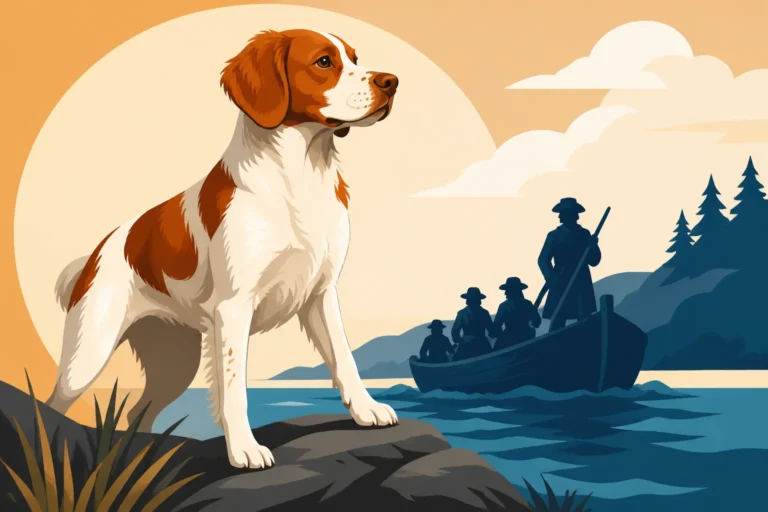
Our beloved Brittany hails from the rugged, bird-rich region of Brittany in northwest France. For centuries, these dogs were prized by poachers and hunters who needed an efficient, close-working partner capable of covering ground and then freezing to indicate the presence of game. The goal was to locate the birds without disturbing them, allowing the hunter to approach and net them, or later, flush them on command. This required a dog with an exceptional nose, keen intelligence, and an innate ability to hold a staunch point.
Brittanys were specifically bred to be pointers, meaning they are designed to locate game birds and then "point" at them, standing motionless with their nose indicating the bird's exact location. This behavior is deeply ingrained, a core part of their genetic makeup. They are collaborative partners in the truest sense, waiting for the hunter's direction. Their original name, Epagneul Breton, speaks to their French origins, but the "spaniel" part of the name was officially dropped by the AKC in 1982 to better reflect their pointing style, which is more akin to setters or pointers than traditional flushing spaniels. If you're curious about their background, read more on Where the Brittany Comes From.
The English Springer Spaniel's Flushing Legacy
In stark contrast, the English Springer Spaniel has its roots in Great Britain, where it was developed as a "springing" or "flushing" dog. Their job was to dive into dense cover, roust hidden game birds (like pheasants or grouse) into the air, and then retrieve them once shot. This required a different kind of drive: bold, tenacious, and less concerned with holding a point. Springers are bred to cover ground methodically, often in a quartering pattern, flushing birds within gun range for the hunter.
The Springer's work is typically characterized by a more immediate, active engagement with game. They don't traditionally point; they go straight in to flush. This instinct makes them incredibly exciting to hunt over, as the action is often fast and furious once a bird is located. Their powerful build and enthusiastic nature are perfectly suited to pushing through thickets and retrieving from challenging terrain or cold water.
Physical Distinctions: Size, Build, and Coat
While both breeds are medium-sized sporting dogs, a closer look reveals several key physical differences that are important for both recognition and understanding their functional attributes.
Brittany: Compact and Agile
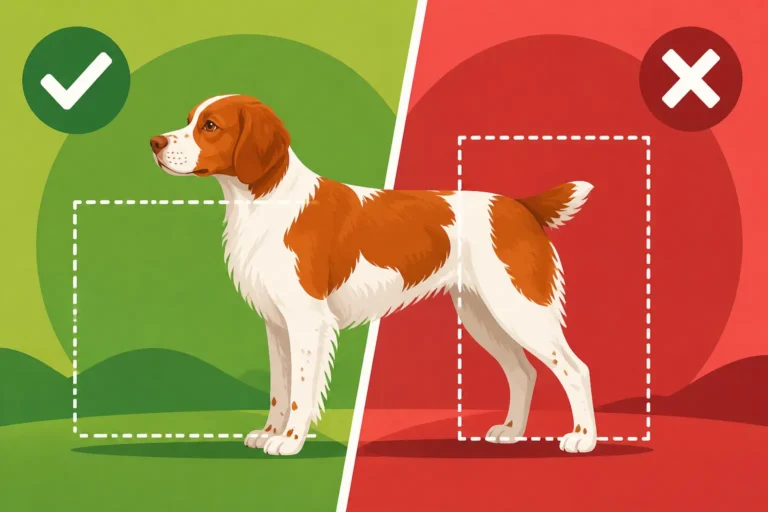
The Brittany is typically a more compact and square-bodied dog. They are often described as being "leggy" for their size, giving them an agile appearance built for speed and endurance in the field. Males generally stand between 17.5 to 20.5 inches at the shoulder and weigh between 30 to 40 pounds. Females are usually a bit smaller. This moderate size makes them incredibly efficient hunters, able to navigate dense cover with ease and cover a lot of ground without tiring. If you want more details, check out How Tall a Brittany Stands and How Much a Brittany Weighs.
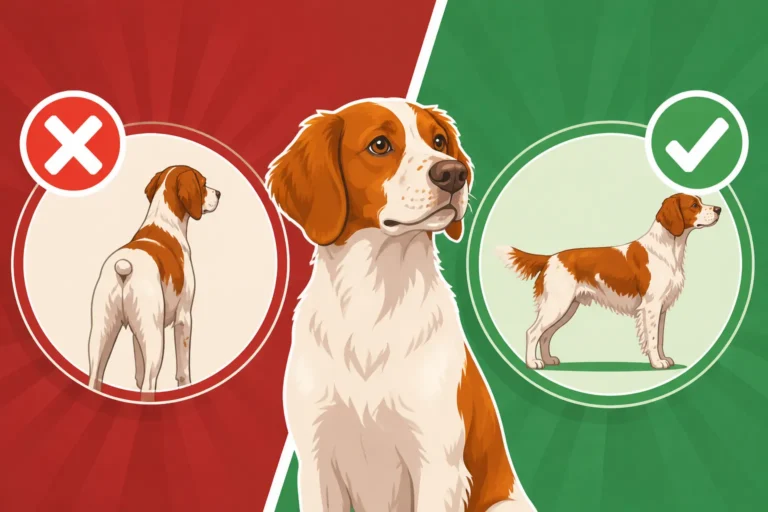
Their coat is another defining feature. It's typically a dense, flat or wavy coat that lies close to the body, providing protection from the elements. They have some feathering on their legs and ears, but it's generally not as profuse as a Springer's. The most common colors are orange and white or liver and white, often with roan patterns. You might also see tricolor Brittanys. A unique trait is the natural bobtail, with many Brittanys being born with no tail or a very short one. This is distinct from a docked tail, which is a surgical procedure. For more on this, see Which Colors a Brittany Comes In.
Springer Spaniel: Robust and Expressive
English Springer Spaniels are generally a bit larger and more robustly built than Brittanys. Males usually stand between 19 to 20 inches at the shoulder and weigh between 40 to 50 pounds, with females slightly smaller. They possess a more rectangular, solid build, reflecting their need for power and stamina to flush birds from heavy cover.
Their coat is longer and features much more profuse feathering on the legs, chest, and ears. This beautiful coat offers excellent insulation and protection, but it does require more grooming. Common colors include black and white or liver and white, often with ticking or roaning. Unlike the Brittany, Springer Spaniels are born with full tails, which are traditionally docked to a specific length for working purposes, to prevent injury in dense brush. Their head is also quite distinctive, often described as having an intelligent and expressive look with a softer expression compared to the Brittany's keen, alert gaze.
The "Spaniel" Name Debate
It's easy to get confused by the names, especially since the Brittany used to be called the "Brittany Spaniel." This is a perfect example of how historical naming conventions can sometimes mislead. As we touched on, the AKC officially dropped "Spaniel" from the Brittany's name in 1982. This change was specifically to emphasize the breed's primary role as a pointing dog, distinguishing it from flushing spaniels like the English Springer.
So, while the term "spaniel" might still linger in popular usage for the Brittany, officially and functionally, they are a pointing breed. This is a crucial distinction, as their inherent hunting style is profoundly different from a true flushing spaniel. It's a bit of a historical quirk, but understanding it helps clarify their true nature. If you're curious about this decision, you can learn more in Why the AKC Dropped Spaniel From the Brittany's Name in 1982 and Whether the Brittany Is a Spaniel at All. The English Springer Spaniel, on the other hand, proudly retains its "Spaniel" designation, accurately reflecting its flushing heritage.
Temperament and Trainability in the Field and Home
Both Brittanys and Springer Spaniels are known for their intelligence, athleticism, and eagerness to please, but their inherent temperaments and how they respond to training can differ in subtle yet important ways.
The Brittany's Sensitive and Eager Nature
Brittanys are often described as highly intelligent and extremely eager to please their owners, which makes them generally very trainable. However, they also possess a notable sensitivity. They respond best to positive reinforcement, gentle correction, and a consistent, fair approach. Harsh training methods or a heavy hand can easily cause a Brittany to "shut down," becoming timid or resistant. They are known to be "soft" dogs, meaning they can be quite sensitive to tone and body language. For more on this, check out What a Brittany's Temperament Is Really Like and The Brittany Is the Softest of the Pointing Breeds.
This sensitivity, however, often translates into a deep bond with their family. Brittanys thrive on companionship and enjoy being involved in all family activities. They are full of energy, both mental and physical, and need outlets for both. They are naturally curious and love to explore, making them fantastic partners for outdoor adventures. Without proper mental stimulation, they can become bored, and a bored Brittany is often a mischievous one.
Springer Spaniel: Boisterous and Biddable
English Springer Spaniels are also highly intelligent and generally very biddable, meaning they are keen to learn and obey. They tend to be a bit more boisterous and resilient than Brittanys, often shrugging off minor corrections more easily. Their enthusiasm is infectious, and they approach life with a joyful exuberance. This makes them incredibly fun to work with, as they are usually eager for the next task or adventure.
While they appreciate positive reinforcement, their robust nature can sometimes handle a firmer hand in training, though positive methods are always recommended. They are known for their unwavering devotion to their families and typically possess a cheerful, outgoing disposition. Like Brittanys, they form strong bonds and thrive on interaction, but their high energy often manifests in more vocal excitement or boundless physical play.
Exercise Needs and Home Life
This is where the distinction becomes crucial for potential owners. Both breeds require a significant amount of exercise, but the type of exercise can vary. A Brittany needs intense physical activity, yes, but they also crave mental engagement. A long walk around the block isn't enough; they need to run, sniff, and work. Regular field training, even if it's just practicing drills in a local park, can be incredibly fulfilling for them. Without sufficient outlets, Brittanys can become restless, anxious, or destructive, often resorting to behaviors like excessive chewing, digging, or vocalization. It's important to understand What an Under Exercised Brittany Does at Home. You might find yourself replenishing chew toys and puzzle feeders from Chewy more often than you expect!
Springer Spaniels also have incredibly high exercise needs. They are tireless workers in the field and active companions at home. They thrive on vigorous retrieving games, long hikes, and opportunities to swim or run freely. While they also benefit from mental stimulation, their boisterous energy often finds an outlet in relentless physical activity. An under-exercised Springer, much like a Brittany, will find its own (often unwelcome) ways to burn off steam, whether that's tearing up furniture or barking incessantly. Both breeds are not suited to sedentary lifestyles; they are athletes through and through, designed for sustained activity.
Hunting Style and Performance
The primary difference between a Brittany and a Springer Spaniel truly shines in the hunting field. Their methods of locating and handling game are almost diametrically opposed, catering to different hunting preferences.
The Brittany's Point and Retrieve
The Brittany's signature move is the point. When a Brittany catches the scent of a bird, it will instinctively freeze, often with one paw raised, nose extended, and tail held high. This dramatic pause signals to the hunter exactly where the bird is. This allows the hunter to approach carefully, giving them time to prepare for the shot when the bird is eventually flushed, either by the hunter or on command from the dog. This collaborative approach makes for a very strategic and often less chaotic hunt.
Brittanys typically work a field methodically, often ranging wide to cover ground efficiently, relying on their exceptional scenting ability. An American Brittany, in particular, is known for its expansive range, while a French Brittany tends to work closer. More information on their range can be found in An American Brittany Ranges Wide and a French One Stays Close. After the shot, most Brittanys are also natural retrievers, happily bringing the downed bird back to hand. They are known for their soft mouths, ensuring game is brought back undamaged. This combination of pointing and retrieving makes them truly versatile and efficient solo hunting companions. You can delve deeper into their natural abilities with The Brittany Points, It Does Not Flush, Whether a Brittany Points Naturally, and Whether a Brittany Retrieves Naturally.
The Springer Spaniel's Flush and Retrieve
The English Springer Spaniel's hunting style is all about action. When a Springer encounters bird scent, it will charge into the cover, "springing" or "flushing" the bird out into the open. This creates an exciting, fast-paced scenario where the hunter must be ready to react quickly. Springers are typically bred to hunt within gun range, working in a close, quartering pattern back and forth in front of the hunter. This methodical quartering ensures that no cover is missed, and every potential hiding spot for game is thoroughly investigated.
Once a bird is downed, the Springer's powerful retrieving drive kicks in. They are fearless in tackling dense brush, thorny thickets, or icy water to bring back the game. Their sturdy build and relentless energy make them superb at breaking through cover that might challenge a more delicately built dog. They are often used for upland game like pheasants and grouse, but many also excel as waterfowl retrievers due to their love of water and thick coats.
Versatility and Adaptability
Both breeds are considered versatile gun dogs, but their versatility lies in different aspects. The Brittany's primary function is pointing, but it also retrieves. It excels in open fields and lighter cover where its wider range and pointing ability can be fully utilized. They are fantastic for hunters who enjoy working closely with their dog, reading the point, and carefully planning their shots.
The Springer Spaniel is versatile in its ability to adapt to different terrains and flushing needs. They are excellent for hunters who prefer to walk up game in heavy cover, relying on the dog to push birds out. Their tenacity and retrieving prowess make them invaluable for ensuring all downed birds are recovered, even in the most challenging environments. A hunter's preferred style, the type of game they pursue, and the terrain they hunt in will heavily influence which of these incredible breeds is the better fit.
Grooming and Health Considerations
When considering any dog, understanding their grooming needs and potential health predispositions is crucial. Both Brittanys and Springers are generally healthy breeds, but their distinct physical traits lead to different care requirements.
Managing the Brittany's Coat
The Brittany's coat is often described as "wash and wear" compared to many other long-haired sporting breeds, but that doesn't mean it's maintenance-free! Their medium-length, dense coat with moderate feathering does a great job protecting them in the field. However, those feathers on their legs, belly, and ears can be magnets for burrs, foxtails, and debris. After every hunt or romp in tall grass, a thorough check and brush-out are essential to prevent mats and skin irritation. Regular brushing, at least a couple of times a week, will keep their coat healthy and minimize shedding around the house. You can find excellent brushes and combs on Chewy that make this task easier. For more grooming insights, see A Brittany's Coat Is Low Maintenance Until It Hits Cover and How Often a Brittany Needs Brushing.
Their drop ears, which lie flat against their heads, can trap moisture and debris, making them prone to ear infections. Regular ear cleaning and drying, especially after swimming or wet conditions, is vital. Their skin is generally hardy, but any cuts or scrapes from field work should be cleaned promptly.
Springer Spaniel Grooming Demands
The English Springer Spaniel's beautiful, flowing coat with its profuse feathering requires significantly more grooming than a Brittany's. Their longer hair on the ears, chest, legs, and belly is prone to matting and collecting debris. Daily or every-other-day brushing is often necessary to keep their coat tangle-free and healthy. Many Springer owners opt for regular professional grooming or learn to trim their dog's coat themselves, especially for working dogs, to keep them comfortable and free from snags. Without consistent grooming, a Springer's coat can quickly become a tangled mess, leading to skin issues and discomfort.
Like Brittanys, Springers also have drop ears, which makes them susceptible to ear infections. Their longer ear feathering can further exacerbate this by holding moisture. Regular ear cleaning and diligent drying are absolute necessities. Their hearty nature often means they'll plunge into any water they find, so ensure you have plenty of towels and a good ear-drying routine on hand.
Common Health Concerns
Both Brittanys and English Springer Spaniels are generally robust breeds, but like all purebred dogs, they have certain genetic predispositions that responsible breeders screen for. Both breeds can be prone to hip and elbow dysplasia, which are conditions affecting the joints. Eye conditions such as progressive retinal atrophy (PRA) and glaucoma are also seen in both breeds.
Ear infections, as mentioned, are common in both due to their drop ears. Hypothyroidism can also affect both breeds. When choosing a puppy, it's crucial to seek out breeders who perform health clearances on their breeding stock for these conditions. Always ask to see OFA (Orthopedic Foundation for Animals) and CERF (Canine Eye Registry Foundation) certifications. Understanding the breed's typical lifespan, which for a Brittany is often The Twelve to Fourteen Years a Brittany Gets, also provides context for long-term care planning. Proactive veterinary care and a balanced diet (look for quality performance foods on Chewy if you have an active dog!) are key to a long, healthy life for either breed.
Comparing Brittany and Springer Spaniel Traits
To help summarize the distinctions we've covered, here’s a quick overview:
| Feature | Brittany | English Springer Spaniel |
|---|---|---|
| Origin | France | Great Britain |
| Primary Role | Pointer (locates and indicates game) | Flusher (rousts game into the open) |
| Size | Medium (17.5-20.5", 30-40 lbs) | Medium-Large (19-20", 40-50 lbs) |
| Build | Compact, square, leggy | Robust, solid, rectangular |
| Coat | Dense, flat/wavy, moderate feathering | Longer, profuse feathering |
| Tail | Often natural bobtail/short docked | Full tail, traditionally docked |
| Temperament | Sensitive, intelligent, eager to please | Enthusiastic, biddable, often boisterous |
| Training | Responds best to positive, gentle methods | Biddable, can handle firmer direction |
| Exercise | High physical & mental needs; "work" driven | Very high physical needs; vigorous play |
| Grooming | Moderate; regular brushing, burr checks | High; daily brushing, regular trimming |
| Ear Care | Prone to infections; needs regular cleaning | Prone to infections; needs frequent care |
| AKC Name | Brittany (dropped "Spaniel" in 1982) | English Springer Spaniel |
Conclusion
Choosing between a Brittany and an English Springer Spaniel means understanding their core instincts and how those translate into daily life and hunting scenarios. The Brittany, with its French pointing heritage, offers a more collaborative and strategic hunt, characterized by its keen intelligence and sensitive nature. The Springer Spaniel, a quintessential British flusher, brings a more boisterous, action-packed hunt with its powerful drive and robust build.
Both breeds are exceptional athletes, devoted companions, and require significant commitment to exercise and mental stimulation. There's no "better" breed, only the one that aligns best with your lifestyle, your hunting preferences, and what you're prepared to offer in terms of training, grooming, and companionship. Whichever you choose, you'll be bringing home a fantastic, high-energy dog eager to be your loyal partner in adventure.
Disclaimer
This article is for general informational purposes only and does not constitute professional advice. Laws, prices and regulations vary by location and change over time. Consult a qualified professional for guidance on your specific situation.