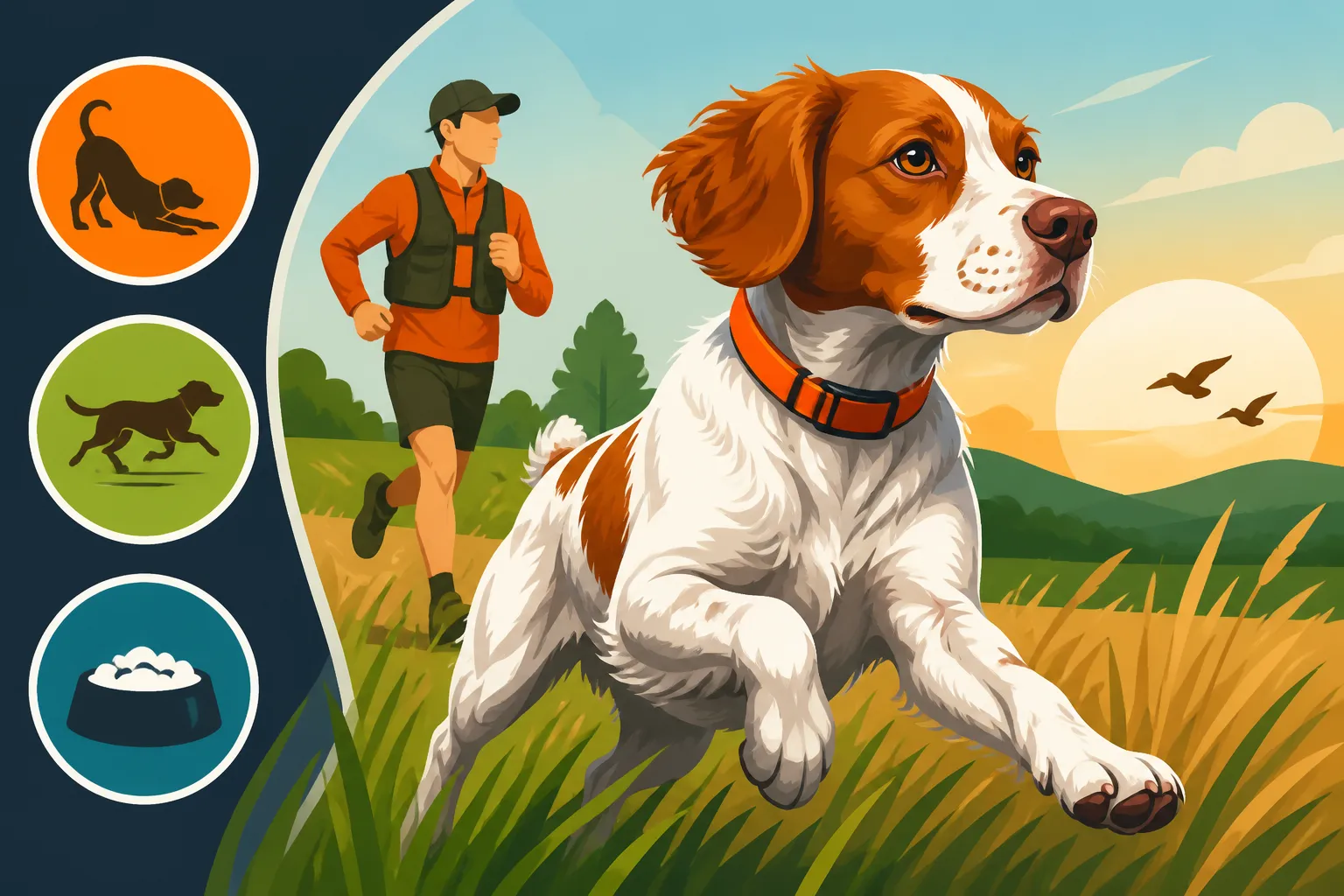
Conditioning a Brittany Before the Season Opens
It's that time of year again, isn't it? The leaves are starting to hint at turning, the air has that crisp promise of autumn, and suddenly, you realize hunting season is just around the corner. For many of us Brittany owners, this realization often comes with a mild panic: "Is my dog really ready for opening day?" We've all been there, looking at our beloved companion, who might have enjoyed a leisurely summer on the couch, and wondering how we're going to transform them into a lean, mean, bird-finding machine in just a few short weeks. This guide is all about helping you get your Brittany in peak physical condition, safely and effectively, so both of you can enjoy a successful and injury-free season.
Why Pre-Season Conditioning Isn't Just for Pros
You might think that intensive conditioning is only for those who run their dogs in field trials or hunt every single day of the season. But that's a common misconception that can lead to real problems. Even if you're a weekend warrior, taking your Brittany out for just a few days of hunting, an unprepared dog is an injured dog waiting to happen. It's not just about finding more birds; it's about protecting your best friend from unnecessary strain, exhaustion, and potentially serious medical issues.
The Risks of an Unprepared Brittany
Imagine yourself trying to run a marathon after months of only walking around the block. You'd likely pull a muscle, get winded quickly, and feel absolutely miserable. The same goes for our Brittanys. Their eagerness to please and incredible prey drive often push them past their physical limits if they haven't built up the necessary stamina and strength. They'll run themselves ragged, sometimes without showing obvious signs of distress until it's too late. This can lead to issues like torn pads, pulled muscles, overheating, and even exertional rhabdomyolysis, a severe muscle breakdown that can be life-threatening. Skipping conditioning is akin to sending a soldier into battle without armor – it's simply not fair to them.
Validating Your Worries: It's Hard to Get Them Ready!
Let's be real: life gets busy. Between work, family, and everything else, dedicating consistent time to a dog conditioning program can feel like another monumental task on an already overflowing plate. It’s easy to feel guilty when you realize your Brittany hasn't had the miles on its legs that it probably needed. This isn't a judgment; it's a shared experience. Many of us struggle with finding that balance. But the good news is that with a structured plan and a commitment to incremental progress, you absolutely can get your Brittany ready. It doesn't have to be an all-or-nothing endeavor; even small, consistent efforts add up to a significant difference in their readiness and well-being.
Assessing Your Brittany's Current Fitness Level
Before you can build a conditioning plan, you need to know where you're starting from. This isn't about shaming your Brittany (or yourself!) for being a little soft; it's about getting a realistic baseline to prevent overexertion and injury as you ramp up. A good assessment helps you tailor the program to your individual dog.
The Rib Test and Body Condition Score
One of the easiest and most effective ways to gauge your Brittany's fitness is through a simple visual and tactile check. You want your Brittany to be lean, but not emaciated.
- The Rib Test: Gently run your hands along your Brittany's sides. You should be able to feel their ribs easily, but not see them prominently poking out. If you have to press hard to feel them, your dog is likely overweight. If you can see every rib clearly without touching, they might be too thin. A healthy Brittany for hunting season should have a slight tuck up behind the ribs when viewed from the side.
- Body Condition Score (BCS): Vets often use a 1-9 scale, with 5 being ideal. A Brittany heading into hunting season should ideally be a 4 or 5. A 6 means they're carrying a little too much weight, which will hinder their performance and put extra strain on their joints. You want them to be lean and athletic. You can refer to guides online that show visuals for each score, but the rib test is a fantastic quick check.
Baseline Activity and Energy Levels
Think about your Brittany's typical daily activity. Are they mostly napping on the sofa, with a couple of short walks? Or do they get regular, vigorous exercise like off-leash runs or long hikes?
Consider these questions:
- How long can your Brittany run or play before they start panting heavily or slowing down?
- Do they recover quickly after a burst of activity, or do they seem fatigued for a while?
- Are they enthusiastic about going outside, or do they sometimes seem a bit lazy?
Your answers will give you a clear picture of their current cardiovascular fitness and stamina. A dog that struggles with a 30-minute brisk walk is going to need a much more gradual ramp-up than one who regularly tackles multi-mile hikes. Be honest with yourself here; it's for your dog's safety and success. An under-exercised Brittany often has other issues, too, like destructive behaviors at home, as they try to burn off that pent-up energy. What an Under Exercised Brittany Does at Home is a good read if you suspect this might be an issue.
Building a Foundation: Early Season Workouts (Off-Season to 8 Weeks Out)
This phase is all about general fitness, slowly increasing duration and intensity without putting undue stress on muscles and joints that aren't yet conditioned. Think of it as getting off the couch and starting a walking program before you ever dream of running.
Walking and Jogging on Varied Terrain
Forget about complicated drills for now. The simplest and most effective way to start building your Brittany's stamina is by gradually increasing the length and pace of your walks and introducing varied terrain.
- Start Slow: If your Brittany has been relatively inactive, begin with brisk 20-30 minute walks every day. After a week, you can start incorporating short bursts of jogging. Don't push them to exhaustion.
- Gradual Increase: Over the next few weeks, slowly extend the duration of your walks/jogs. Aim for 45-60 minutes daily, with a mix of brisk walking and light jogging.
- Vary the Surface: This is crucial. Walking solely on pavement is hard on joints and doesn't engage stabilizing muscles as much. Seek out varied terrain: grassy fields, dirt trails, sand, and gentle hills. These surfaces challenge different muscle groups and help toughen up their pads naturally. Consider a local park or nature preserve for these sessions. Whether Roading Keeps a Brittany Conditioned is an interesting perspective, but roading should be introduced carefully and usually involves trotting on softer surfaces, not pounding pavement.
Swimming as a Low-Impact Option
Swimming is an absolute game-changer for conditioning, especially for breeds like Brittanys who often love water. It's a full-body workout that's incredibly low-impact, making it perfect for building strength without stressing joints.
- Gentle Introduction: If your Brittany isn't a natural swimmer, introduce them slowly to shallow water and offer lots of praise and treats. Never force them into water. Start with short sessions, 10-15 minutes, allowing them to paddle and explore.
- Build Stamina: As they get more comfortable, gradually increase the duration of swimming sessions to 20-30 minutes, 2-3 times a week. The resistance of the water builds muscle and cardiovascular fitness efficiently.
- Safety First: Always supervise your Brittany near water. Choose safe, clean swimming spots without strong currents or hazards. A doggy life vest can be a great idea, especially for longer sessions or if they're not strong swimmers yet. After swimming, make sure to dry their ears thoroughly to prevent infections; Keeping Water Out of a Brittany's Ears is vital advice.
Stepping Up: Mid-Season Conditioning (8 to 4 Weeks Out)
Now that your Brittany has a solid base, it's time to increase the intensity and start focusing on more sport-specific activities. This phase builds on the foundation, preparing them for the sustained effort of a hunting day.
Upping the Intensity: Longer Runs and Interval Training
Simply going longer isn't always enough; we need to build strength and anaerobic capacity.
- Longer, More Challenging Runs: Extend your runs to 60-90 minutes, incorporating more challenging terrain and hills. The goal is sustained effort, mimicking the long covers they'll be working in the field.
- Interval Training: Introduce intervals to improve speed and recovery. For example, have your Brittany sprint for 1-2 minutes, then jog for 3-4 minutes, repeating this cycle for 20-30 minutes within a longer run. This trains their body to handle bursts of energy and then recover efficiently, just like they would when scenting, pointing, and retrieving.
- Monitoring Progress: Pay close attention to how quickly your Brittany recovers. Are they still panting heavily 10 minutes after a hard run? If so, you might be pushing too hard, or they need more time in this phase. Conversely, if they seem fresh as a daisy, you can continue to increase the challenge.
Introducing Field Work and Bird Exposure
This is where things get exciting for your Brittany! Integrating actual field work not only builds specific hunting muscles but also sharpens their mental focus and bird drive.
- Walk-Ups and Short Drills: Start with simple walk-ups in tall grass or light cover. Let your Brittany quarter naturally, keeping them within reasonable range. This helps them get used to moving through cover.
- Planted Birds: This is invaluable. Plant a few pigeons or quail in the field and let your Brittany find them. This rekindles their bird drive and allows them to practice their point. Keep these sessions positive and brief to maintain enthusiasm. How to Start a Brittany on Pigeons offers great insights. For training birds, you can often find them at local feed stores or specialty online retailers like those found on Amazon.
- Short Retrieves: Incorporate short retrieving drills, first with bumpers, then with birds. Ensure they are eager and retrieving to hand. Whether a Brittany Retrieves Naturally is a common question, and while many do, force fetch might be needed for a solid retrieve to hand.
Refining and Peaking: Late Season Prep (4 Weeks to Opening Day)
This is the home stretch! The goal here is to fine-tune your Brittany's fitness, ensure mental sharpness, and prevent any last-minute injuries. You're not trying to build massive amounts of new fitness now, but rather to peak their existing conditioning.
Simulating Hunting Conditions
The best way to prepare for hunting is to simulate hunting. Get your Brittany used to the real deal, including duration and distractions.
- Full-Length Field Sessions: Gradually increase the duration of your field sessions to match what you expect on opening day. If you typically hunt for 3-4 hours, work up to that length in your training.
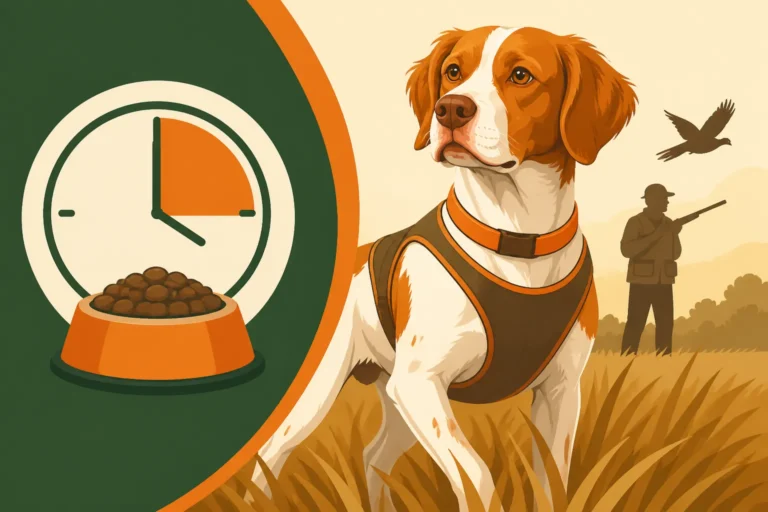
- Hunting Gear: Introduce your Brittany to any gear they'll be wearing, like an orange vest for visibility or a bell. Make sure it fits comfortably and doesn't chafe.
- Weather Acclimation: If possible, train in similar weather conditions to what you expect on opening day. This helps your Brittany adapt to temperature, humidity, and ground conditions. Be especially mindful of How to Condition a Brittany in Hot Weather or cold weather. Whether a Brittany Overheats on an Early Season Hunt is a serious concern, so watch for Signs a Brittany Is Overheating in the Field.
Mental Preparedness and Steadiness Drills
Physical fitness is only half the battle. A well-conditioned Brittany also needs to be mentally sharp, responsive, and steady in the field.
- "Whoa" Training: This command is paramount. Practice "whoa" frequently, both on command and when your Brittany goes on point. They need to understand that when you say "whoa," they stop and stay until released. Teaching a Brittany Whoa is a fundamental skill that pays dividends in the field.
- Gun Introduction (if not already done): If your Brittany is new to gunshots, introduce them very gradually and from a distance. Start with cap guns or starter pistols far away from birds, and slowly bring the sound closer. Never associate loud noises directly with birds initially, as this can create gun shyness. How to Introduce a Gun to a Brittany is a detailed guide.
- Recall Practice: Even the most experienced Brittanys need rock-solid recall. Practice "here" or "come" frequently, especially with distractions. An E-collar, when used correctly, can be a valuable tool for reinforcing recall, especially for wide-ranging dogs. You can find high-quality E-collars on platforms like Amazon.
Nutrition and Hydration During Conditioning
Just like human athletes, a Brittany's diet needs to adapt to its increased energy expenditure. You can't expect peak performance on a maintenance diet.
Adjusting Caloric Intake and Protein Levels
As your Brittany's activity level increases, so does their need for calories and specific nutrients.
- Increase Food Gradually: Don't suddenly double their food. Over several weeks, slowly increase their daily food intake. Monitor their body condition score; if they start losing too much weight, they need more food.
- High-Quality Performance Food: Consider switching to a high-quality "performance" or "sporting dog" formula. These foods are typically denser in calories, with higher fat and protein percentages (often 28-32% protein, 18-22% fat) to support sustained energy and muscle recovery. Brands like Purina Pro Plan Sport or Eukanuba Sport are popular choices among hunting dog owners. You can often find these specialized foods on Chewy or Amazon. Whether a Working Brittany Needs a Performance Food delves deeper into this.
- Feeding Schedule: Some owners prefer to feed a working Brittany twice a day, with the bulk of the food given several hours after a hunt to aid recovery. How Much More a Brittany Eats in Hunting Season is a common question, and it's significant—they burn a lot of calories!
Ensuring Adequate Hydration
Dehydration is a silent killer in the field and during conditioning. Your Brittany needs constant access to fresh water.
- Water Before, During, and After: Offer water before you head out, carry water with you (a collapsible bowl is invaluable), and offer frequent breaks for drinks. Never let your Brittany drink from stagnant ponds or puddles in the field, as they can contain parasites like Giardia. How Much Water a Brittany Needs on a Hunt cannot be overstated.
- Electrolytes: For very intense or hot conditioning sessions, consider adding an electrolyte supplement to their water. These replace essential minerals lost through sweat and can help prevent cramping and fatigue. Discuss this with your vet first.
- Accessibility at Home: Make sure there are multiple fresh water sources available to your Brittany at home, both indoors and outdoors, especially in warmer weather. A large, spill-proof water bowl or a constant-flow fountain can encourage drinking.
| Conditioning Phase | Activity Focus | Nutrition Focus | Hydration Focus |
|---|---|---|---|
| Early Season | Brisk walks, light jogs, swimming | Maintenance food, gradual increase | Consistent access at home |
| Mid-Season | Longer runs, intervals, field work | Performance food transition, calorie increase | Water before/after, start carrying water |
| Late Season | Hunting simulations, drills | Full performance diet, monitor weight | Frequent breaks in field, electrolytes if needed |
Essential Gear for a Conditioning Program
Having the right tools not only makes your conditioning efforts more effective but also enhances safety and comfort for your Brittany. You don't need to break the bank, but a few key items are invaluable.
Collars, Leashes, and Check Cords
These are your primary communication tools, especially when working on recall and range.
- Sturdy Leash and Collar: A comfortable, durable flat collar and a 6-foot leash are essentials for daily walks and control.
- Check Cord: A 20-30 foot check cord is indispensable for working on whoa, recall, and controlled quartering, especially if your Brittany tends to range wide. It allows you to give them more freedom while still maintaining control. You can find these at sporting goods stores or on Amazon.
- E-Collar (Optional, but Recommended for Field Work): An electronic collar, when used responsibly and correctly with proper training, can be a powerful tool for long-distance communication and reinforcement of commands like recall and whoa. It's not a shortcut, but a training aid. Choose a reputable brand and learn how to use it humanely. Which E Collar Suits a Brittany offers guidance on selecting the right one.
First Aid and Safety Items
Accidents happen, especially when you're pushing physical limits. Being prepared can make a huge difference.
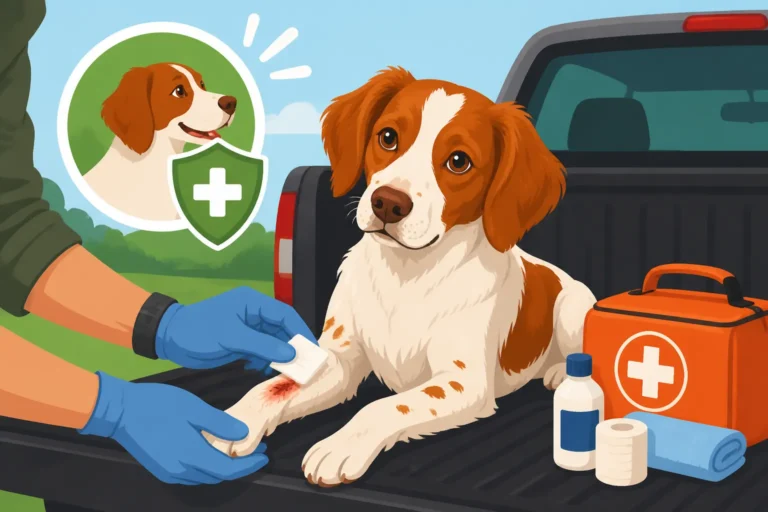
- Canine First Aid Kit: This is non-negotiable. Include basics like antiseptic wipes, gauze, vet wrap, sterile saline, tweezers, medical tape, a small pair of scissors, and any prescription medications your vet recommends. What a First Aid Kit for a Brittany Should Hold is a must-read before you head out.
- Paw Protection: Your Brittany's pads will get a workout. Consider paw balms to toughen them up, and have dog boots on hand for rough terrain or if a pad gets cut. How to Toughen a Brittany's Pads and Whether a Brittany Needs Boots in the Field are good resources. You can find various brands of paw wax and boots on Chewy or Amazon.
- Visibility Gear: An orange vest or bandana for your Brittany is crucial for safety, especially if you're conditioning in areas where hunting might be permitted or near roads.
Monitoring and Preventing Injuries
No matter how careful you are, the risk of injury is always present when pushing an athletic dog. Vigilance is key to catching problems early and preventing them from becoming serious.
Daily Health Checks and Post-Workout Routine
Making a quick check part of your routine can spot issues before they escalate.
- The Head-to-Tail Scan: After every conditioning session, perform a thorough head-to-tail check of your Brittany. Feel for any lumps, bumps, swelling, or tenderness. Check their eyes for irritation and their ears for debris or signs of infection. What to Check on a Brittany After Every Outing is a detailed guide for this.
- Paw Inspection: Carefully inspect each paw pad for cuts, abrasions, cracks, or embedded debris (like foxtails or burrs). Check between the toes, as foreign objects love to hide there. How to Treat a Brittany's Torn Pad if you find one, and consider checking the ears (How Grass Seeds Get Into a Brittany's Ear) and paws.
- Hydration and Recovery: Ensure they drink plenty of water and have a quiet, comfortable place to rest and cool down. A quick rinse with cool water can help bring down their body temperature, especially on warmer days.
Recognizing Signs of Overexertion or Injury
Your Brittany can't tell you in words when something hurts or they're exhausted. You need to read their body language.
- Subtle Changes in Gait: Limping is obvious, but look for more subtle signs: a slight hesitation, a shortened stride, favoring one leg, or a reluctance to put full weight down.
- Behavioral Changes: A typically enthusiastic Brittany that seems reluctant to go out, or is unusually quiet or withdrawn after exercise, might be in pain or excessively fatigued.
- Excessive Panting or Drooling: While some panting is normal, excessive, uncontrolled panting, especially if combined with bright red gums, could indicate overheating.
- Vomiting or Diarrhea: These are signs your Brittany's body is under significant stress and could indicate anything from dehydration to more serious issues like heatstroke or exertional rhabdomyolysis.
- Warning Signs: If your Brittany shows any of these signs, stop the activity immediately, provide water, and allow them to rest. If symptoms persist or worsen, contact your veterinarian without delay. Early intervention is critical for many field injuries. For more specific concerns, read about The Injuries a Brittany Picks Up in the Field.
Remember, conditioning is a journey, not a destination. It's about gradual, consistent effort that culminates in a healthy, happy, and capable hunting partner. Take your time, listen to your Brittany, and enjoy the process of getting them ready for the thrill of the hunt.
Disclaimer
This article is for general informational purposes only and does not constitute professional advice. Laws, prices and regulations vary by location and change over time. Consult a qualified professional for guidance on your specific situation.