How to Treat a Brittany’s Scrapes at the Truck
You've just wrapped up a fantastic day in the field with your Brittany, the truck loaded, birds in the cooler, and your loyal companion panting happily beside you. Their tail is still wagging from a successful retrieve, but as you give them a celebratory pat, you notice it: a small, angry red scrape on their leg or a slightly split pad. Minor, yes, but those little injuries, often sustained from pushing through dense cover or running over rough terrain, can quickly become bigger problems if not tended to right away. This guide is all about how to effectively treat those common scrapes, minor cuts, and pad injuries right there at the truck, ensuring your Brittany stays healthy, comfortable, and ready for the next adventure.
Understanding Common Field Scrapes and Their Risks
Our Brittanys are incredible athletes, driven by an almost boundless energy and an unyielding desire to find birds. They'll dive headfirst into the thickest cover, navigate thorny patches, and sprint across varied terrain without a second thought. This fearlessness, while admirable, often leads to minor nicks and scrapes that, if ignored, can become painful infections or slow down healing. It's a reality for any hunting dog owner – these tough dogs still need careful attention.
Types of Minor Scrapes You'll Encounter
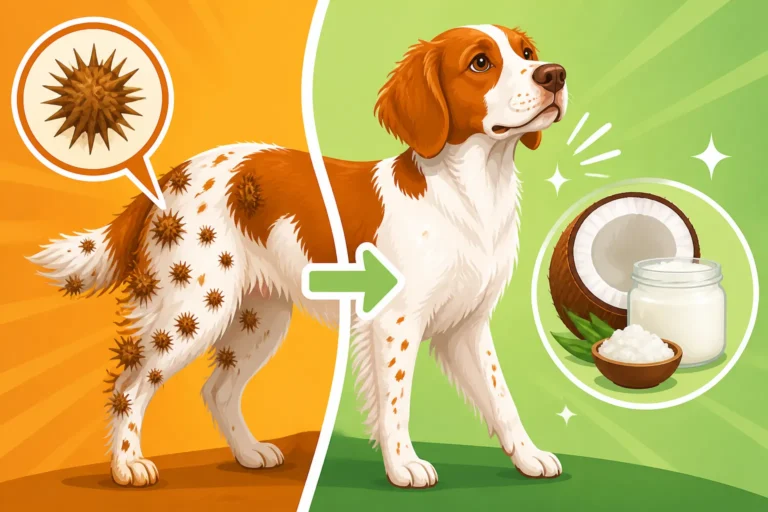
When you're out in the field, especially in prime bird habitat, the environment is full of potential hazards for a dog's skin and paws. Most of what you'll see are superficial. Think about fine, sharp stubble from harvested fields that can cause tiny nicks between the toes or on the belly. Then there are the persistent thorns from wild roses or multiflora that leave thin scratches along the legs and flanks. Even abrasive dry grass can cause friction burns, particularly on a dog with fine feathering. These aren't usually deep, bleeding profusely, but they break the skin barrier, which is where the risk comes in. You might even find tiny pinprick wounds from twigs that brushed by a little too closely. It’s all part of the game when you have a dedicated bird dog.
Why Even Small Scrapes Matter
It’s tempting to brush off a tiny scrape, especially if your Brittany isn't limping or crying out. They are so stoic and driven that they often won't show pain for minor injuries. However, even the most superficial break in the skin is an open invitation for bacteria. The field is not a sterile environment; mud, dirt, decaying vegetation, and various animal droppings are teeming with microbes. A small scratch, if left uncleaned, can quickly become inflamed, swollen, and infected, turning into a much more significant issue that requires a vet visit and antibiotics. This not only causes your dog discomfort and pain but can also sideline them from hunting for days or even weeks. Beyond infection, neglected scrapes can lead to chronic irritation, persistent licking, and even hot spots if the dog worries at the wound incessantly.
Identifying What's Not a Minor Scrape
While this guide focuses on treating minor scrapes, it's crucial to understand when an injury is beyond at-the-truck first aid. If you see a laceration that is deep enough to expose underlying tissue (fat, muscle, or bone), or one that gapes open, it's not a scrape. Puncture wounds, even small ones, can be deceptively dangerous because they can be deep and introduce infection without much surface bleeding. Excessive bleeding that doesn't stop with a few minutes of direct pressure is also a red flag. Any injury involving a joint, or if your Brittany is suddenly unwilling to bear weight on a leg, is a signal to head straight to an emergency vet. How to Close a Brittany's Field Laceration might cover some deeper cuts, but for anything serious, professional help is paramount. When in doubt, always err on the side of caution and consult a veterinarian.
Essential First-Aid Supplies for Your Truck Kit
Being prepared is half the battle when it comes to field injuries. A well-stocked first-aid kit in your truck means you can address minor issues immediately, often preventing them from escalating. Think of it as your portable mini-vet office, ready for action after a long day chasing birds. What a First Aid Kit for a Brittany Should Hold could offer more detail on comprehensive kits.
Cleaning and Disinfecting Agents
The first step in treating any scrape is cleaning it. You need reliable antiseptic solutions and sterile materials.
- Antiseptic Wipes or Solution: Pre-moistened antiseptic wipes (containing chlorhexidine or povidone-iodine) are incredibly convenient for cleaning dirt and debris from a wound. If you prefer a liquid solution, a small bottle of dilute povidone-iodine or chlorhexidine can be used with sterile gauze. These are effective at killing a wide range of bacteria and fungi without being overly harsh on delicate skin. Make sure it's canine-safe; what's fine for humans isn't always good for dogs.
- Saline Solution: A small bottle of sterile saline solution (the kind used for contact lenses, but ensure it's just saline, no added ingredients) is perfect for flushing out dirt, grit, or plant matter from scrapes, especially around the eyes or between the toes. It's gentle and won't sting.
- Blunt-Nosed Scissors and Tweezers: Essential for carefully trimming hair away from a wound (making it easier to clean and assess) and for removing stubborn thorns, burrs, or splinters. Always use blunt-nosed scissors to prevent accidental pokes or cuts to your dog. You can find these easily on Chewy or Amazon.
- Antiseptic Ointment or Spray: Once cleaned, a topical antiseptic ointment (like Neosporin, but again, ensure it's safe for dogs and won't cause issues if licked) or an antiseptic spray can provide an extra layer of protection against infection and soothe the area. Some formulations also help with pain relief.
Bandaging and Protection Materials
After cleaning and applying topical treatment, you’ll often need to protect the wound, especially if it’s on a paw or a leg where it’s prone to getting dirty again or being licked.
- Sterile Gauze Pads: These are crucial for absorbing blood, applying pressure, and for use as a sterile barrier over the wound before wrapping. Keep a variety of sizes in your kit.
- Self-Adhesive Vet Wrap: This flexible, breathable wrap sticks to itself, not to your dog’s fur, making it ideal for securing gauze pads. It provides light compression and protection, but be careful not to wrap it too tightly, as this can cut off circulation. You want it snug, but able to slide a finger underneath.
- Medical Tape: For securing bandages that aren't self-adhesive or for holding down edges of Vet Wrap if your dog is particularly active or prone to unravelling things.
- Paw Protection: For pad scrapes, having a few sturdy dog boots on hand can be a lifesaver. They protect the injured pad from further trauma, dirt, and moisture, allowing it to heal faster. Your Brittany will likely protest, but it's often necessary. Whether a Brittany Needs Boots in the Field delves into this further.
Pain Relief and Other Useful Tools
While your primary goal at the truck is immediate wound care, other items can make the process smoother and your dog more comfortable.
- Cone Collar (E-Collar): A foldable fabric or inflatable cone can be incredibly useful to prevent your Brittany from licking or chewing at a fresh wound, especially if you have a longer drive home. Licking can introduce more bacteria and prevent healing.
- Petroleum Jelly or Paw Wax: For minor pad abrasions or dryness, a dab of petroleum jelly can offer a protective barrier and moisture. For overall pad health, especially before the season starts, consider regularly applying paw wax to toughen them up. How to Toughen a Brittany's Pads explores various methods.
- Treats: Never underestimate the power of positive reinforcement! High-value treats can distract your Brittany during treatment, make them more cooperative, and turn a potentially stressful experience into something manageable.
- Headlamp or Flashlight: Many hunts end at dusk or later. Good illumination is essential for thoroughly inspecting and treating wounds in low light conditions.
Step-by-Step Guide to Treating Scrapes at the Truck
Okay, you've identified a scrape, and you have your trusty first-aid kit ready. Now, let’s get down to the practical steps of treating your Brittany right there in the field, or at least before you hit the road for home. Remember to stay calm; your dog will pick up on your anxiety.
Assessing the Injury Calmly
Before you do anything, take a deep breath. Your Brittany is probably still wired from the hunt. Gently bring them close and calmly examine the injury. This initial assessment is critical for determining if it's truly a minor scrape or something more serious that requires immediate veterinary attention.
- Visual Inspection: Look closely at the wound. Is it just a superficial scrape where the top layer of skin is broken, or is it deeper? Are there any foreign objects—thorns, glass, splinters—embedded in the skin? Note the size and location. Scrapes on joints or areas with less tissue padding might be more concerning.
- Palpation: Gently feel around the injured area. Is there any swelling, heat, or extreme tenderness that suggests a deeper issue or infection already brewing? Does your Brittany react sharply to touch, indicating more pain than a simple surface scrape would cause?
- Bleeding Check: How much blood is there? A minor scrape might ooze a little, but active, continuous bleeding is a sign of a deeper cut. Apply gentle pressure with a clean gauze pad for a few minutes to see if it stops. If it doesn't, or if the blood is spurting, it's an emergency.
- Mobility: Does your Brittany show any lameness or reluctance to put weight on the affected limb? If a paw pad is injured, are they favoring it? Even a slight limp after a long day could indicate a more significant problem than a simple scrape. Signs a Brittany's Hips Hurt or Cruciate Tears in a Brittany discuss other lameness causes that need vet attention.
Cleaning the Wound Thoroughly
This is the most important step for preventing infection. Take your time and be as gentle as possible.
- Clear the Area: If there's a lot of long feathering around the scrape, carefully trim it back with your blunt-nosed scissors. This helps you see the wound better and prevents hair from getting caught in the scrape or bandage.
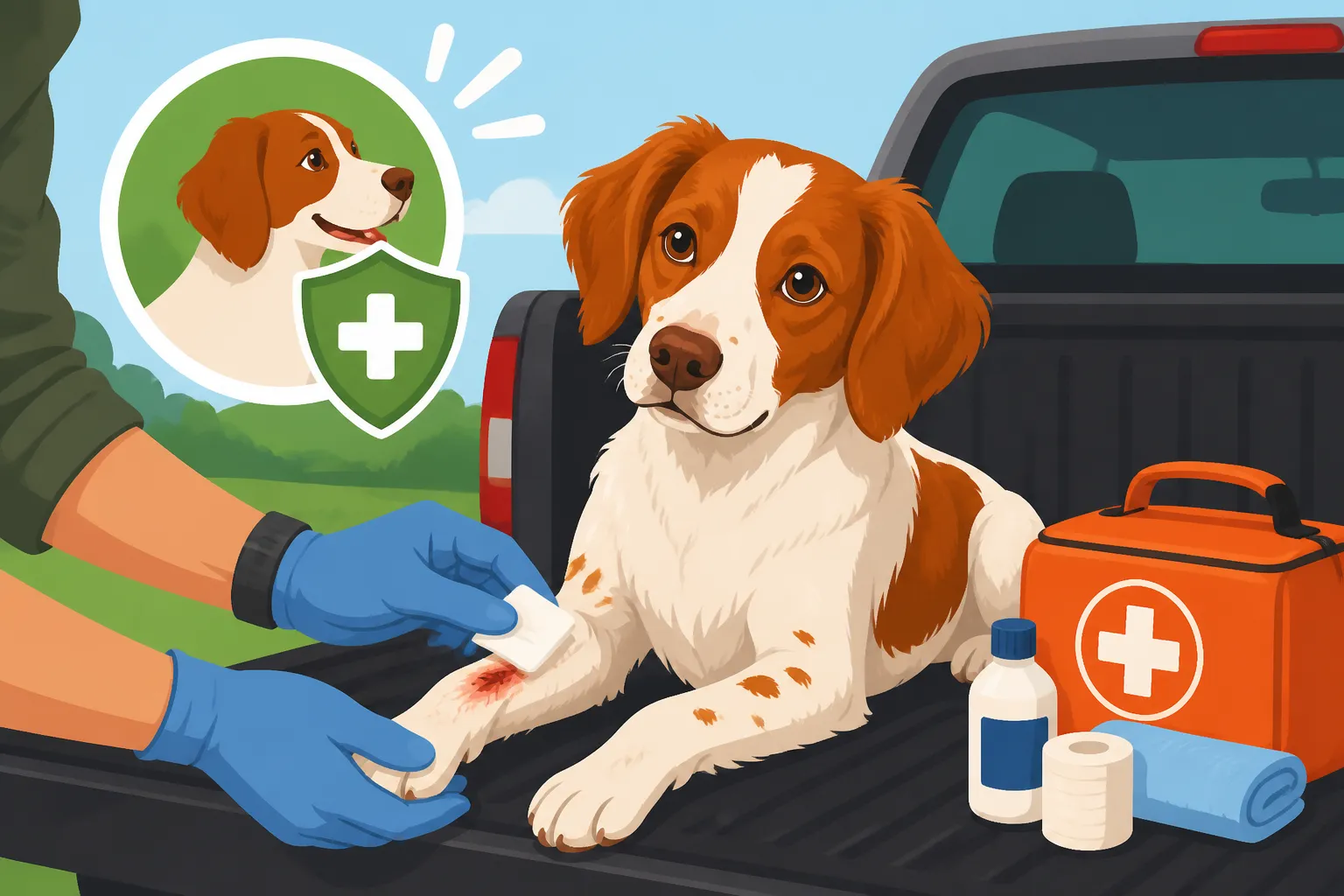
- Flush with Saline: For surface dirt, mud, or loose debris, generously flush the area with sterile saline solution. Don't rub; just let the saline wash over it, gently dabbing with a clean gauze pad if needed. This physically removes contaminants.
- Antiseptic Application: Once flushed, gently wipe the wound with an antiseptic wipe or dab it with a dilute antiseptic solution. Work from the center of the wound outwards to avoid dragging contaminants back in. Do this several times with fresh wipes or gauze pads until the area appears clean. You want to see healthy pink skin, not dirt or grit.
- Remove Foreign Objects: Using sterilized tweezers, carefully remove any visible thorns, burrs, or splinters. If an object is deeply embedded or too painful to remove, stop and consider a vet visit. You don't want to push it in further or cause more damage.
- Drying: Gently pat the area dry with a clean, sterile gauze pad. Excess moisture can harbor bacteria, especially in warm, damp environments like between paw pads.
Applying Topical Treatment and Protection
With the wound clean and dry, it's time to apply treatment and protect it from further harm.
- Antiseptic Ointment/Spray: Apply a thin layer of canine-safe antiseptic ointment or a light spray to the cleaned scrape. This creates a protective barrier and continues to fight bacteria. Avoid anything that might be toxic if licked, as your Brittany will inevitably try to clean themselves.
- Gauze Pad: Place a sterile gauze pad directly over the treated scrape. This acts as a cushion and helps keep the ointment in place while creating a barrier against dirt.
- Secure with Vet Wrap: Carefully wrap the area with self-adhesive Vet Wrap. For legs or paws, start below the injury and wrap upwards, overlapping by about half the width of the wrap. Ensure it's snug enough to stay on but not so tight that it restricts circulation. You should be able to slide two fingers comfortably under the wrap. If it's on a leg, always include the paw, leaving the two central toenails exposed so you can monitor for swelling or coldness, which would indicate it’s too tight.
- Paw Protection (if needed): If the scrape is on a paw pad, consider adding a dog boot over the bandaged area. This provides an extra layer of protection, especially important if you have a long journey home or if the dog will be moving around. It also helps prevent them from immediately trying to chew off the bandage.
When to Seek Professional Vet Care
Knowing when to call it quits on the DIY first aid and head to the vet is crucial. As mentioned before, any injury that involves deep lacerations, excessive bleeding, potential fractures, or persistent lameness warrants immediate veterinary attention. But even for seemingly minor scrapes, if you notice certain signs over the next 24-48 hours, it's time for a professional opinion:
- Increased Swelling or Redness: If the area around the scrape becomes significantly more swollen, hot to the touch, or redder than before, it indicates inflammation or infection.
- Pus or Discharge: Any yellow, green, or foul-smelling discharge from the wound is a clear sign of infection.
- Limping or Pain: If your Brittany starts limping, becomes reluctant to move, or shows signs of pain (whining, licking excessively) after initial treatment, something might be wrong.
- Fever or Lethargy: Systemic signs like a fever, loss of appetite, or unusual lethargy indicate a more serious problem than a simple scrape.
- Non-Healing: If the scrape doesn't show signs of healing (like forming a scab or drying out) within a few days, or if it appears to be getting worse, a vet needs to examine it.
It's always better to be safe than sorry when it comes to your dog's health. What a Brittany's Field Injuries Cost in a Season can give you an idea of why prevention and prompt treatment are so important.
Preventing Future Scrapes and Maintaining Pad Health
While some scrapes are inevitable for an active hunting dog like a Brittany, there are plenty of proactive steps you can take to minimize their occurrence and ensure your dog's skin and paws are as resilient as possible. A healthy, well-conditioned dog is less prone to injury and recovers faster when scrapes do happen.
Pre-Hunt Preparation and Conditioning
Just like you prepare yourself for a physically demanding hunt, your Brittany needs preparation too. This isn't just about physical fitness; it's also about skin and paw conditioning.
- Pad Toughening: A Brittany's paw pads are their natural shock absorbers and protection, but they need to be tough. Regular exposure to varied, natural terrain (grass, dirt, gravel, concrete in moderation) helps to naturally thicken and strengthen their pads. Avoid taking a "couch potato" dog straight into a hardcore hunt. Start with shorter walks on rougher ground weeks before the season. There are also commercial pad tougheners or balms you can apply, though consistent exposure is often the best method. How to Toughen a Brittany's Pads goes into more detail on this important topic.
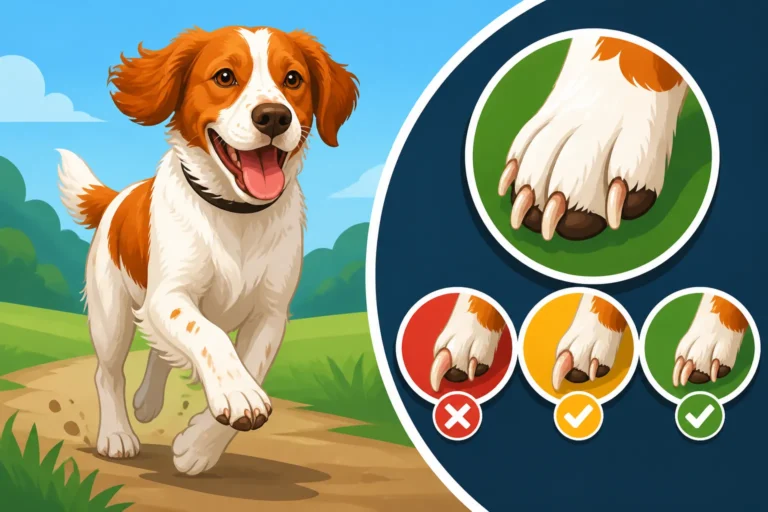
- Nail Trimming: Overly long nails can be a liability. They can snag, tear, or even cause changes in gait that put undue stress on joints. Keep your Brittany's nails trimmed short, so they don't touch the ground when they're standing. This helps prevent cracks and splits, and ensures their pads bear the brunt of impact.
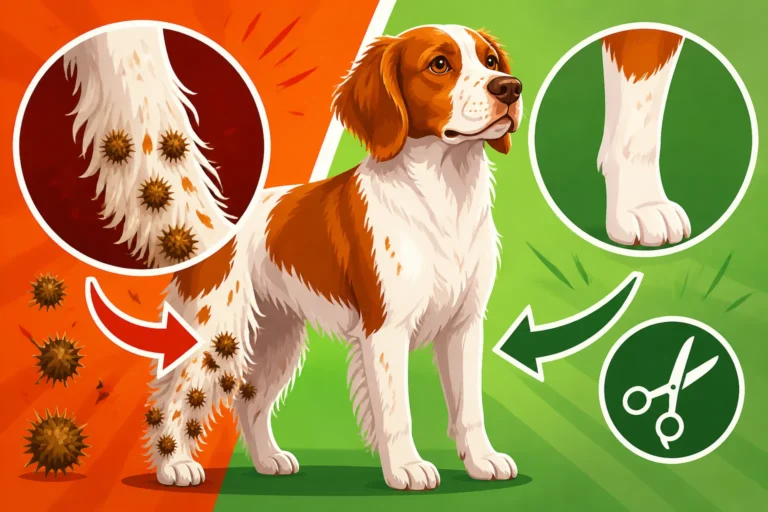
- Hair Trimming (especially on feet and belly): While Brittanys have beautiful feathering, excessive hair between their paw pads or on their belly can collect burrs, thorns, and debris, leading to irritation and hiding small scrapes. Consider a light trim of this feathering before the season starts, especially the hair between the toes, to reduce these catch points and make post-hunt checks easier.
- Proper Nutrition and Hydration: A well-fed dog with a balanced diet has healthier skin, a stronger immune system, and better tissue repair capabilities. Ensure your Brittany is eating a high-quality performance food, especially during hunting season. Hydration is also key; a dehydrated dog has less elastic skin and can be more prone to tearing. Always carry plenty of water for your dog, especially on long hunts. How Much a Brittany Should Drink on a Hunt emphasizes the importance of field hydration.
Post-Hunt Care for Overall Well-being
The care doesn't stop when the hunt ends. A thorough post-hunt routine is critical for catching issues early and promoting recovery.
- Full Body Check: Make it a habit to do a thorough head-to-tail check of your Brittany after every outing, even short ones. Pay special attention to their ears (How Grass Seeds Get Into a Brittany's Ear), eyes, mouth, belly, armpits, groin, and especially between the toes and around the paw pads. This is when you'll find those small scrapes, burrs, or ticks that could become problems. What to Check on a Brittany After Every Outing provides a comprehensive checklist.
- Cleanliness: If your Brittany has been in muddy or particularly dirty cover, a quick rinse or bath can help remove irritants and prevent skin issues. Use a gentle, dog-specific shampoo.
- Moisturize Pads: After cleaning and drying, a good paw balm or moisturizer can help keep pads supple and prevent cracking, which can lead to larger splits and painful wounds.
- Rest and Recovery: Allow your Brittany adequate rest after a demanding hunt. Their bodies need time to repair and rejuvenate. Pushing a tired dog can lead to more injuries.
Gear Considerations
Sometimes, a little extra gear can make a big difference in preventing scrapes.
- Protective Vests: If you hunt in particularly dense or thorny cover, a protective vest can shield your Brittany's chest and belly from countless scratches. These vests come in various materials and designs, offering different levels of protection.
- Dog Boots: As mentioned earlier, boots can be invaluable. While not always practical for an entire hunt, they are excellent for protecting an already injured paw, or for particularly harsh terrain (like sharp rocks or frozen ground) where scrapes are almost guaranteed. Some hunters use them preventively in extreme conditions.
- E-Collars/GPS Collars: While not directly for scrape prevention, a reliable e-collar (used for training and recall, not punishment) or a GPS collar helps you maintain control and locate your Brittany if they get into an unusually dense or dangerous area. This can help prevent them from getting into situations where severe scrapes are more likely. Many popular brands for these collars are available through retailers like Amazon.
By being diligent with your preparation, attentive with your immediate post-hunt care, and wise about your gear, you can significantly reduce the frequency and severity of scrapes your Brittany encounters. It's all part of being a responsible owner to one of the finest bird dogs out there.
Disclaimer
This article is for general informational purposes only and does not constitute professional advice. Laws, prices and regulations vary by location and change over time. Consult a qualified professional for guidance on your specific situation.