How to Start a Brittany on Pigeons
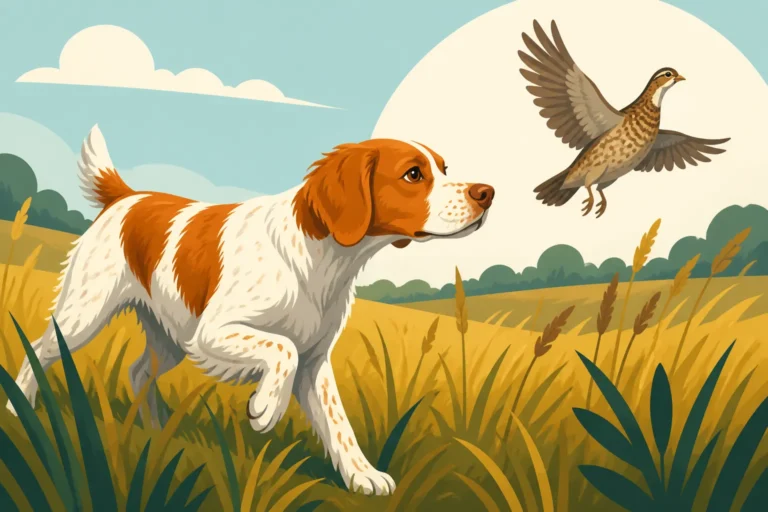
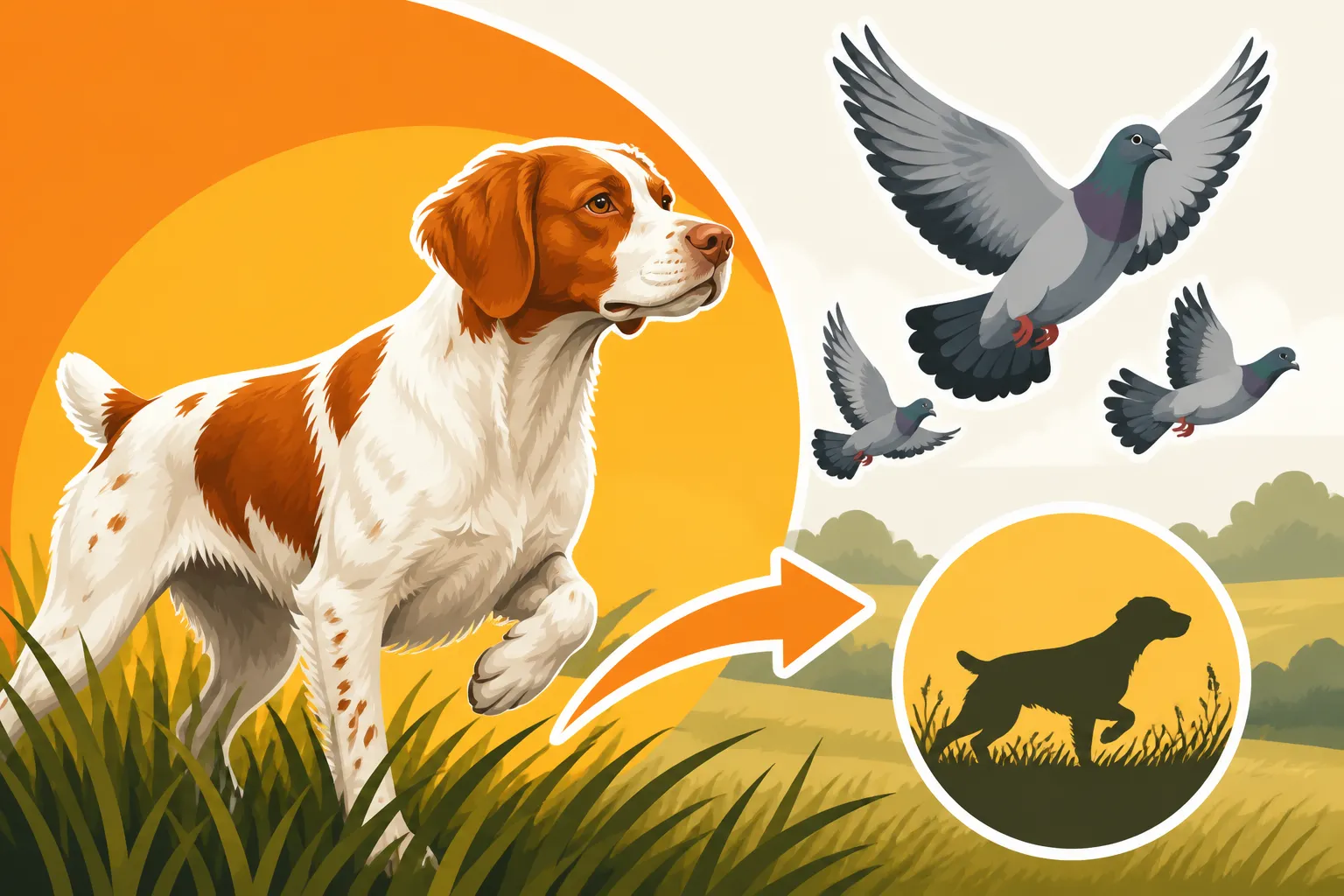
So, you've got that energetic Brittany puppy bouncing around, and you're dreaming of the day they lock up on a bird, tail high, eyes intense. It’s a vision many of us share, and it's a huge part of why we bring these amazing dogs into our lives. But getting from a playful pup to a steady pointer, especially with live birds, can feel like a daunting leap. Many folks wonder how to even begin, fearing they might ruin their dog's natural instinct or inadvertently create bad habits. This guide is here to walk you through the gentle, step-by-step process of introducing your Brittany to pigeons, building a solid foundation for their bird dog career without crushing their spirit.
Why Pigeons Are the Perfect Starting Point for Your Brittany
Before we even talk about how, let's chat about why pigeons are the go-to bird for introducing a young Brittany to the wonderful world of scent and point. It’s not just tradition; there’s some real wisdom behind it. Pigeons offer a unique combination of flight, scent, and accessibility that makes them ideal for building confidence and solidifying those innate pointing instincts in a young dog.
The Brittany's Natural Bird Drive
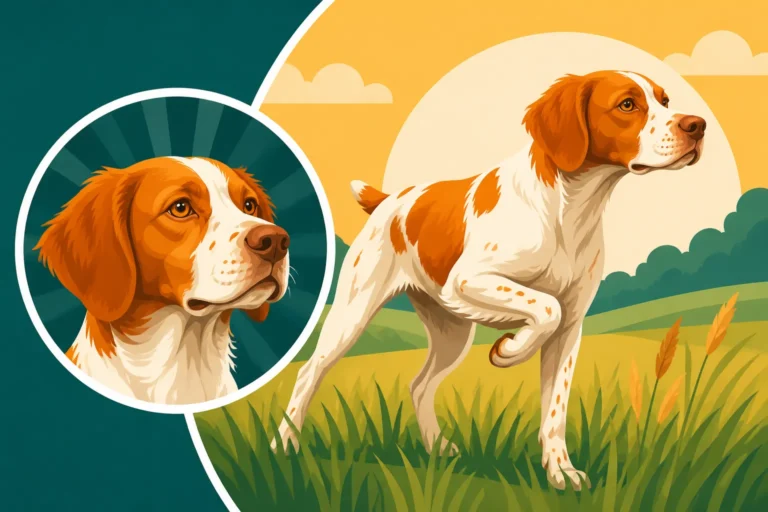
Brittanys, whether American or French, are literally bred for this. It's in their DNA to find, point, and retrieve game birds. From the moment they're born, there's a switch waiting to be flipped, a deep instinct to work. When you introduce a bird, you're not teaching them something entirely new; you're simply channeling and refining what's already there. They have an incredible nose, boundless energy, and an intense desire to please their handler, all of which makes them excellent students for bird work. You'll often see a young Brittany puppy "point" at leaves blowing in the wind or even a stray butterfly, showing you that the instinct is already bubbling to the surface. For a deeper dive into their inherent talents, consider reading Whether a Brittany Points Naturally.
However, even with all that natural drive, a raw, untrained pup can easily get overwhelmed or develop bad habits if introduced to birds incorrectly. Imagine throwing a child who's just learned to swim into the deep end of the ocean. It's too much, too fast. Pigeons allow us to control the environment and the bird's behavior, ensuring a positive first experience that builds rather than breaks confidence.
Pigeons: The Ideal "Training Wheels" Bird
Pigeons are remarkably resilient, relatively slow to flush compared to wild game, and they leave a strong scent trail. These attributes make them perfect for a dog's first few encounters. A pigeon often holds its position longer than, say, a quail, giving your young Brittany more time to lock onto the scent and establish a solid point before the bird takes flight. This extended "point time" is crucial for helping your dog understand what they're supposed to do. They get to process the scent, feel that intense draw, and hold it.
Also, pigeons fly a bit slower and don't disappear into the horizon as quickly as some other game birds. This means less frustration for your puppy if they break point and try to chase. They can watch the bird fly away, but it's not so fast or distant that it becomes a chaotic, unmanageable chase. This helps reinforce the idea that their job is to point the bird, not necessarily to catch it. They get to experience the full sequence: find, point, flush, and watch.
Essential Gear for Your First Pigeon Training Session
Alright, so we're convinced pigeons are the way to go. Now, what do you need to actually do this? Trying to train without the right tools is like trying to build a house without a hammer – frustrating and inefficient. Gathering your gear ahead of time makes the process smoother and more effective for both you and your eager Brittany.
Acquiring and Housing Pigeons
First things first: you need some pigeons! You can often find homing pigeons or "barn pigeons" from local fanciers or even some feed stores. It's best to start with a few, say 3-5, so you have a fresh bird for each session without over-stressing one. These birds need a safe, clean place to live. A simple wire cage or a pigeon coop works well, ensuring they have food and water. Remember, healthy, calm birds make for better training experiences. They'll retain their scent and flush more predictably.
You'll also want a way to transport them to your training area. A breathable bird bag or a small, secure crate is perfect for this. When transporting, keep them calm and comfortable. The goal is to present a natural bird, not a stressed one.
Must-Have Training Equipment
A few key pieces of equipment will make your pigeon introductions much more manageable and effective:
- Pigeon Release Trap: This is probably the most important piece of gear. A remote-controlled pigeon release trap allows you to place the bird, get your dog into position, and then flush the bird with a button press. This gives you ultimate control over the timing of the flush, which is crucial for teaching "whoa" later on and ensuring your dog gets a clean point. You can find a variety of reliable options on platforms like Amazon, offering different designs and price points.
- Check Cord: A long check cord (15-30 feet) is indispensable. It allows you to guide your Brittany, prevent them from chasing too far, and offer gentle corrections without direct physical contact that might spook them. It's your invisible leash that offers control while giving them freedom to work.
- Whistle: A whistle is a classic bird dog tool. It carries further than your voice, especially in windy conditions, and offers a consistent command. You'll use it for recall and directional commands. You can learn more about general training tools by checking out What a Check Cord and Whistle Cost a Brittany Owner.
- Bird Bag/Vest: For carrying your pigeons to and from the training area.
- Treats/High-Value Reward: Even for a bird dog, positive reinforcement goes a long way. A small, high-value treat or enthusiastic praise for a good point can help solidify the desired behavior.
- Appropriate Training Area: A relatively open field with some light cover is ideal. You want enough space for the pigeon to fly and your dog to range a bit, but not so much cover that you lose sight of the bird or your pup. Ensure the area is safe from hazards and distractions.
A Quick Checklist for Your First Session
Here’s a table summarizing the essential items to have on hand:
| Item | Purpose | Notes |
|---|---|---|
| Live Pigeons (3-5) | For scent, point, and flush practice | Healthy, calm birds are key. |
| Pigeon Release Trap | Controlled flush to reinforce point | Remote-controlled is highly recommended. |
| Check Cord (15-30 ft) | Control and gentle guidance without direct interference | Essential for preventing uncontrolled chasing. |
| Whistle | Consistent command for recall and direction | Especially useful in windy or open conditions. |
| Bird Bag/Carrier | Safe transport of pigeons | Ensure good ventilation. |
| High-Value Treats/Praise | Positive reinforcement for good behavior | Always end on a positive note. |
| Water & Bowl | Keep your Brittany hydrated during and after training | Especially important on warmer days. |
| First Aid Kit (basic) | For minor scrapes or cuts | Always be prepared for field incidents. |
The Gentle Introduction: Steps to Start Your Brittany on Pigeons
Now, with your gear ready and your eager Brittany by your side, it’s time for the actual introduction. Remember, the goal here is to make this a positive, exciting experience that taps into their natural instincts without causing fear or creating bad habits. Patience and positive reinforcement are your best friends.
Step 1: Foundation Obedience and Desensitization
Before you even bring out a live bird, your Brittany should have a grasp of basic obedience commands, particularly "come" and "kennel" or "stay." This isn't about perfection, but about having a baseline of control. A calm, well-behaved dog is a better student. It’s also incredibly important to socialize your puppy broadly; a confident dog handles new experiences better. Whether a Brittany Puppy Should Be Socialized Heavily offers great insights into building that confidence.
You also want to desensitize your Brittany to the training area itself. Take them there for walks and playtime without birds, so it's a familiar, happy place. When you do introduce pigeons, they won't be overwhelmed by a new environment and a new stimulus. If you're looking for structured guidance on foundational obedience, many online platforms offer excellent resources. BAXTER & Bella, for instance, provides comprehensive online puppy training programs that can help you establish these crucial basic behaviors from the comfort of your home, setting your Brittany up for success in more specialized training like bird work.
Step 2: The Controlled Scent Introduction
Your very first "pigeon session" might not even involve a live bird. You want to introduce the scent first, to pique their interest. Take a dead pigeon, or even just some pigeon feathers, and rub them on a dummy or a retrieving bumper. Let your Brittany sniff it, play with it, and praise them for showing interest. This helps them associate the scent with something positive and exciting.
Next, you can tie a live pigeon (with its wings taped for safety, if you’re worried about accidental flushing) to a string and drag it through the grass, creating a scent trail. Let your pup follow the trail. Watch their nose go to work! This is often where you'll see that tail start to wag furiously, and their gait will change as they pick up the scent. This is pure instinct at play, and it’s a beautiful thing to witness. The key here is to keep it low-pressure and fun.
Step 3: The First Live Bird Experience (with the trap)
This is the moment we've been building up to! Choose a day with minimal wind and distractions.
- Set the Stage: Place your pigeon in the remote-release trap in an open area. Make sure your Brittany doesn't see you do this.
- Approach with Purpose: Bring your Brittany on the check cord, walking into the wind (so the scent carries towards them). Keep them calm and focused. Walk them towards the general area where the bird is.
- The Find and Point: As they get close, watch them. Their head will lift, their nose will work overtime, and their body language will change. This is the moment they pick up the scent. Let them explore, and encourage them gently with words like "Find the bird!" When they lock up on point, even if it's a soft, wobbly point, praise them quietly and enthusiastically. This is the critical reinforcement. For tips on recognizing that first point, check out How a Brittany Puppy Shows Its First Point.
- The Controlled Flush: Let them hold the point for a few seconds. This is where the check cord is vital. If they start to creep or break, give a gentle tug and a soft "whoa" command (which you'll refine later). Once they've held, activate the remote release. The pigeon will flush with a flutter of wings.
- Manage the Chase: Most young Brittanys will try to chase. This is natural! Let them take a few steps, then gently check them with the cord, saying "whoa" or "easy." You're not punishing them; you're teaching control. You want them to see the bird fly away but learn that chasing isn't the primary goal. Many trainers allow a little chasing in the very early stages to build drive, then gradually shorten the chase. This aspect of training is explored further in Whether a Brittany Should Chase Early On.
- Retrieve (Optional for First Sessions): If the bird lands nearby and is calm, you might encourage a retrieve. However, for the very first sessions, focus on the find and the point. Don't force the retrieve; let it happen naturally if the dog is inclined. You can introduce retrieve training separately later on.
- Positive Ending: Always end the session on a positive note, even if it was short or imperfect. Lots of praise, a favorite toy, or a tasty treat. Keep sessions short, especially for puppies (5-10 minutes is plenty). You want them to always be eager for the next session.
Navigating Common Hurdles During Pigeon Training
Starting your Brittany on pigeons is rarely a straight line of perfect points and flawless flushes. Like any training, you'll encounter bumps in the road. Understanding common challenges and knowing how to address them patiently will ensure you both come out successful and still loving each other.
The Brittany Who Wants to Chase
One of the most common issues you'll face is the Brittany who loves birds a little too much and wants to break point and chase every single time. It's a testament to their high prey drive, which is a good thing! But it needs to be channeled.
- Reinforce "Whoa": This is where steadying to wing and shot comes into play, but it starts now. The check cord is your best friend. Every time your Brittany starts to creep or chase after the flush, a gentle, consistent tug on the check cord paired with a firm "whoa" (or "stay") command is necessary. You're not punishing the dog, but physically preventing the unwanted behavior.
- Increase Distance: If your dog is consistently breaking, try placing the bird further away from their starting point, giving them more room to lock into the point before the urge to chase overwhelms them.
- Patience is Key: It takes time and repetition for a Brittany to understand that their job is to point the bird, not to catch it. Don't get discouraged if they chase. Just calmly reset and repeat the exercise. Consistency is far more important than intensity. The journey to a truly "steady" dog is a long one, as discussed in Teaching a Brittany Steady to Wing.
The Brittany Who is Gun-Shy
While not directly related to pigeon introduction, gun shyness can manifest if you prematurely introduce loud noises during bird work. It's crucial that your Brittany is completely comfortable with birds before you even think about introducing gunshots. If your pup spooks easily, you'll need to be extra gentle.
- Separate Training: Do not combine bird introduction with gun introduction. They are two entirely separate steps.
- Observe Sensitivity: Pay attention to your Brittany's overall temperament. Some Brittanys are incredibly sensitive, and a harsh correction or a sudden loud noise can have lasting impacts. How Sensitive a Brittany Is to Correction highlights this aspect of the breed.
- Positive Associations: Ensure all initial bird encounters are overwhelmingly positive and low-stress. If you notice any signs of fear or hesitation around the pigeon, step back and re-evaluate your approach.
Lack of Interest in Pigeons
Occasionally, you might encounter a Brittany who, surprisingly, seems uninterested in the pigeon. This can be disheartening when you know they're bred for it!
- Health Check: First, rule out any underlying health issues. A dog that feels unwell won't be keen on training.
- Build Drive with Play: Revert to building general prey drive and play drive. Use retrieving dummies, feathers on a string, or even just a flirt pole to get them excited about chasing and catching. Make it a game!
- Stronger Scent: Try using a more potent scent (e.g., a pigeon that has been held for longer, or a wing tied to a retrieving dummy) to really engage their nose.
- More Enticing Flush: Sometimes, a lazier pigeon or one that doesn't flush with much vigor isn't exciting enough. Ensure your pigeons are lively and flush well from the trap.
- Environmental Factors: Ensure the training environment isn't overly distracting or stressful. A quiet, familiar place is best for a hesitant dog.
When to Move Beyond Pigeons
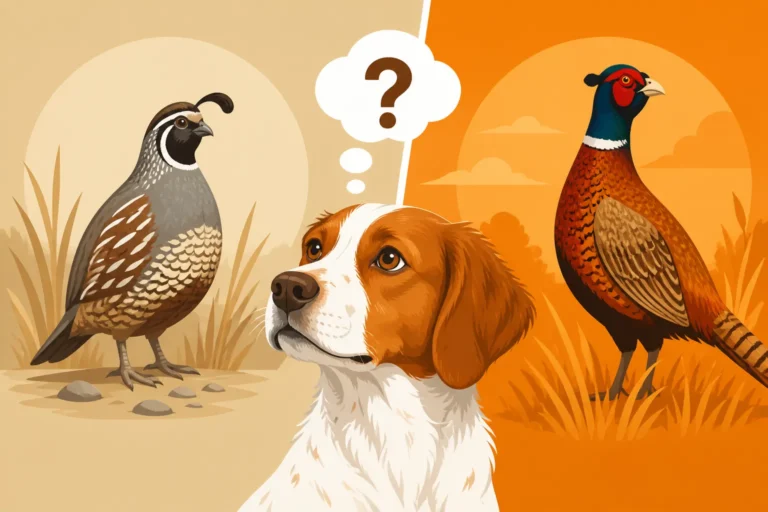
Once your Brittany is consistently finding and pointing pigeons, holding steady for a reasonable amount of time, and showing good control after the flush, you can start thinking about introducing other birds like quail or chukars. These birds offer different scents, flight patterns, and challenges, helping to generalize your Brittany's bird-finding skills to a wider range of game.
Remember, the goal of starting with pigeons is to build a strong, confident foundation. Don't rush the process. Enjoy watching your Brittany's instincts awaken and grow, and celebrate every small success along the way. With patience, consistency, and the right approach, you'll soon have a reliable bird dog ready for the field. You'll likely see the excitement building even when you just bring out the bird bag! It's an incredible journey to share with your Brittany.
Disclaimer
This article is for general informational purposes only and does not constitute professional advice. Laws, prices and regulations vary by location and change over time. Consult a qualified professional for guidance on your specific situation.