Where a Brittany’s Feathering Grows
You've probably noticed that beautiful, flowing feathering on your Brittany, and while it adds to their charm, it can also be a magnet for burrs, mud, and all sorts of field debris. Understanding exactly where that feathering grows, and why it's there, is the first step to keeping your active companion comfortable and clean. This guide will take a detailed look at the specific areas of your Brittany's body where this unique coat characteristic thrives, helping you manage it effectively and keep your beloved bird dog in top condition.
Understanding the Brittany Coat Type
The Brittany's coat is truly a marvel, designed by nature and honed by selective breeding to excel in the field. It’s not just pretty; every strand serves a purpose, especially that distinctive feathering. When you look at your Brittany, you might first notice the overall orange and white or liver and white pattern, but a closer inspection reveals a complex, functional coat that demands specific care.
The Double Coat Nature
Like many sporting breeds, the Brittany possesses a double coat. This means they have two distinct layers of fur, each with its own role. The outer coat, often described as dense and somewhat wavy, is coarser to the touch. It acts as the primary shield, deflecting water, protecting against thorns and rough cover, and keeping your dog relatively dry in damp conditions.
Beneath this outer layer lies the undercoat. This softer, finer, and much denser layer is crucial for insulation. It traps air close to the body, keeping your Brittany warm in chilly weather and surprisingly, also helps regulate body temperature in warmer conditions by providing a barrier against heat. Think of it like a natural climate control system. This double coat, especially with the feathering, contributes to their overall hardiness.
Texture and Function
The texture of a Brittany's coat, including its feathering, is purposefully varied. The main body coat is typically flat or slightly wavy, providing a sleek profile that doesn't snag too easily. The feathering, however, is often longer, silkier, and more prominent. This longer hair isn't just for looks; it adds an extra layer of protection in areas most susceptible to contact with dense brush.
The entire coat, and especially the feathering, is a testament to the Brittany's heritage as a tenacious hunting dog. It allows them to push through brambles, wade through marshy areas, and withstand various weather conditions without suffering constant scrapes and chills. But this functionality comes with a trade-off: these protective tufts of hair are also prime real estate for collecting burrs, mud, and even ticks, requiring diligent post-hunt care. A Brittany's Coat Is Low Maintenance Until It Hits Cover explains more about the care implications.
The Prime Locations of Feathering
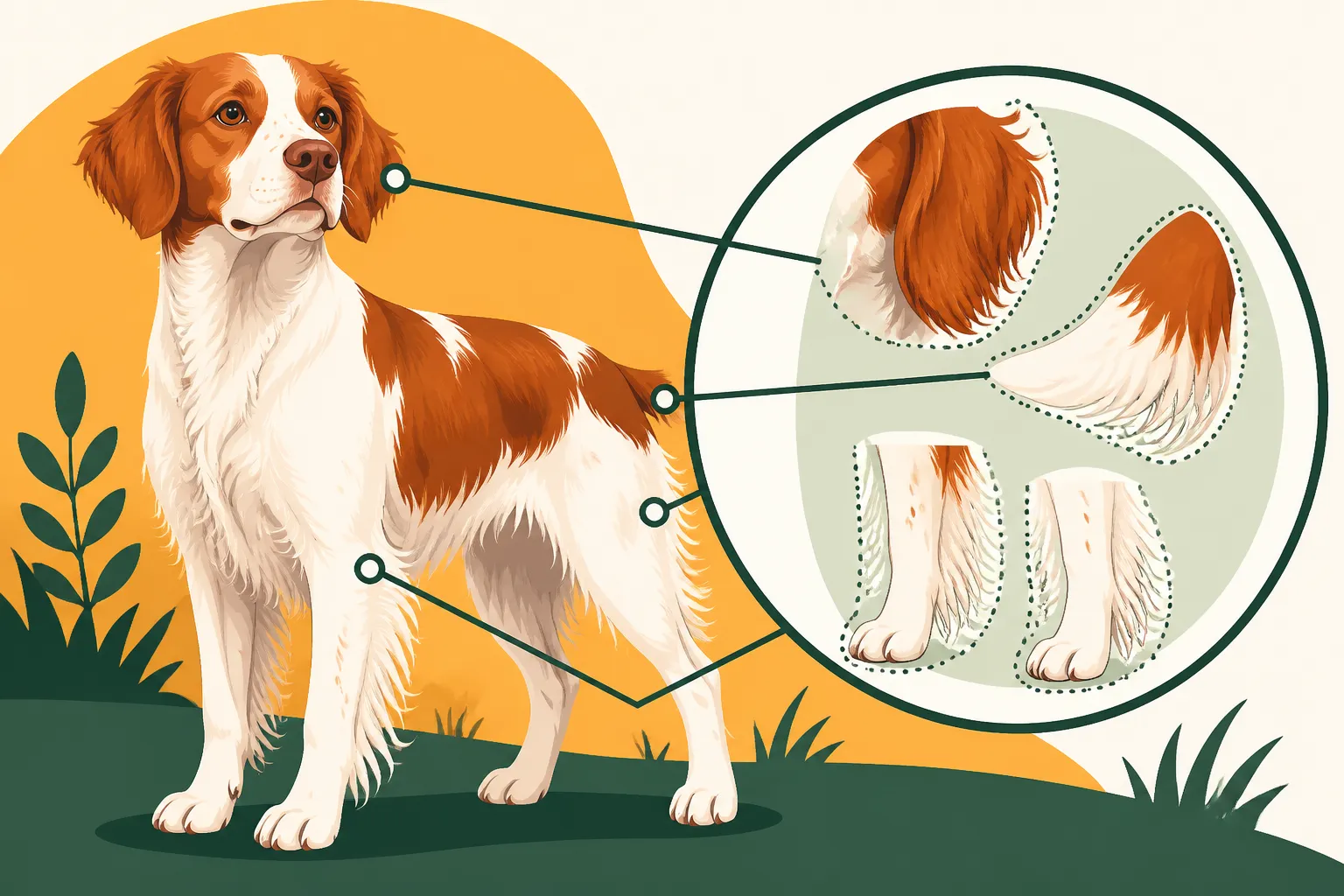
When we talk about a Brittany's feathering, we're not talking about a uniform growth all over the body. Instead, it's strategically located in specific areas, each serving a unique function. These are the spots where you'll find those longer, often wavier tresses that give the Brittany its characteristic elegant outline.
Ears: The Feathered Fringes
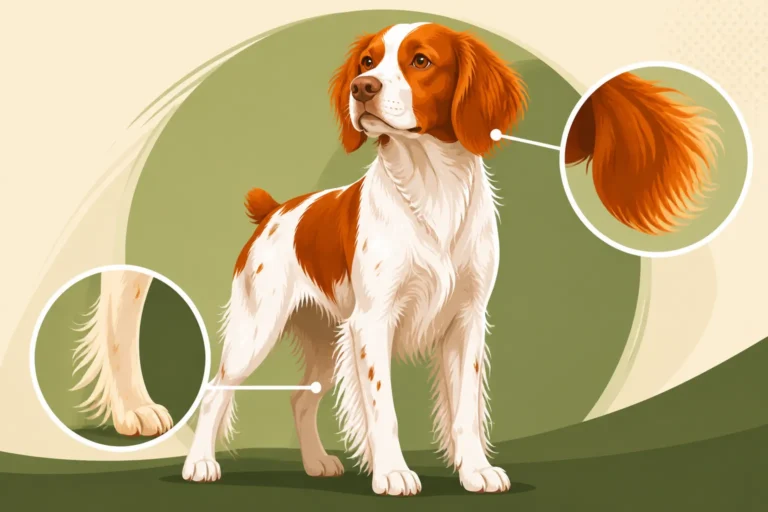
The ears are one of the most prominent areas for feathering on a Brittany. You'll notice longer, soft hair growing along the edges and on the underside of their pendulous ears. This feathering can be quite luxuriant, creating a beautiful fringe that frames their face.
While lovely to look at, this ear feathering serves a protective role, helping to shield the ear canal from debris and foreign objects when the dog is pushing through brush. However, it also creates a warm, moist environment that, if not properly cared for, can become a breeding ground for yeast and bacteria, leading to infections. After a hunt, especially in wet conditions, those feathered ears can hold moisture and pick up a surprising amount of plant matter. The Feathering on a Brittany's Legs and Ears dives deeper into this specific area.
Legs: Front and Hind Leg Plumes
Brittanys sport significant feathering on all four legs. On the front legs, this feathering typically begins around the elbow and extends down the back of the leg to the paws, sometimes forming impressive "trousers" or "pants." On the hind legs, the feathering is usually more pronounced, growing from the stifles (knees) down the back of the hocks, creating a dense curtain of hair.
This leg feathering acts as a buffer against rough terrain. When your Brittany is running through tall grass, undergrowth, or even pushing through dense tangles, these plumes of hair help prevent scrapes and cuts to the delicate skin underneath. They're like built-in shin guards, crucial for a dog that spends hours navigating challenging landscapes. Without this natural protection, their legs would be far more vulnerable to injury.
Belly and Chest: The Underside Protection
You might not see it as readily as the leg or ear feathering, but the Brittany also has lighter feathering along its chest and belly. This hair tends to be somewhat shorter and less dense than the leg feathering but is still distinctly longer than the body coat. It often forms a soft fringe along the lower chest and abdomen.
This underside feathering is vital for protecting the dog's soft belly and chest when they crouch, crawl, or run through low-lying vegetation. It helps to prevent scratches, abrasions, and skin irritation from sharp grasses, twigs, and thorns. For a dog that might "belly crawl" through thick cover to get to a point, this protective layer is indispensable. It's also another area where mud and wetness can cling, so pay attention to it during post-hunt cleaning.
Tail: The Flag of the Brittany
Even though many Brittanys are born with naturally short tails (known as a natural bobtail) or have their tails docked early in life according to breed standards, those that have tails or partial tails will often display a beautiful amount of feathering. This feathering typically forms a distinct plume or "flag" along the underside of the tail, fanning out gracefully.
The tail feathering, like the rest, isn't just decorative. It adds to the dog's balance and provides a visual cue for handlers in the field, making the tail more noticeable when it's actively flagging during a point. For a working dog, every aspect of its anatomy is geared towards efficiency and effectiveness in its job, and the feathered tail is no exception, enhancing its role as a communication device and a stabilizer.
| Feathering Location | Primary Function | Specific Care Considerations |
|---|---|---|
| Ears | Protects ear canal, shields from debris | Regular cleaning, checking for moisture/infections, burr removal |
| Front Legs | Shields against scrapes, thorns, rough cover | Frequent brushing, inspecting for cuts/sores, burr removal |
| Hind Legs | Buffers against dense vegetation, abrasions | Thorough checking for foxtails, burrs, and mats |
| Belly/Chest | Protects soft underside from low-lying brush | Checking for skin irritation, mud buildup, tick checks |
| Tail | Balance, visual cue for handler, protection | Brushing out debris, inspecting for knots or mats |
Why Feathering Exists: Function in the Field
It's easy to look at a Brittany's flowing feathering and simply admire its beauty, especially in the show ring. However, every aspect of the Brittany's physical makeup, including its coat, is deeply rooted in its heritage as a hard-working bird dog. The feathering isn't a mere aesthetic choice; it's a functional adaptation that has allowed the breed to thrive in diverse hunting environments for centuries.
Protection from Elements and Debris
Imagine a Brittany plunging through a dense thicket of thorny bushes, scrambling over fallen logs, or pushing its way through tall, sharp stubble in a harvested field. Without adequate protection, its delicate skin would be torn to shreds. This is precisely where the feathering comes into its own. The longer, slightly coarser hairs of the feathering act as a natural armor, deflecting branches, thorns, and sharp grasses that would otherwise cause painful cuts and abrasions to the skin.
Consider the feathering on their legs, for instance. It serves as a physical barrier, absorbing the brunt of impacts and preventing direct contact between the skin and abrasive vegetation. The ear feathering, while sometimes a nuisance for collecting burrs, also helps shield the ear canal from foreign objects like seeds, dust, and insects that could cause irritation or infection. It's nature's way of equipping them for the demanding conditions they face when pursuing game.
Insulation and Temperature Regulation
Beyond physical protection, feathering plays a significant role in helping the Brittany manage its body temperature. As part of the double coat, the longer guard hairs of the feathering, along with the dense undercoat beneath, work together to create an insulating layer. In colder weather, this insulation traps body heat, keeping the dog warm even when working in freezing temperatures or wading through icy water during retrieves. Whether a Brittany's Coat Repels Water is relevant here for cold weather hunts.
Conversely, in warmer conditions, this same double coat, when healthy and well-maintained, can actually help prevent overheating. By creating a barrier, it can protect the skin from direct sun exposure and provide a layer of air that helps regulate temperature. However, it's a fine line; heavy, matted feathering can hinder air circulation and lead to overheating, emphasizing the importance of proper grooming. The feathering allows the Brittany to adapt to various climates, from the crisp autumn air of a pheasant field to the cooler temperatures of a late-season duck hunt.
Managing Feathering: Grooming and Care Considerations
While the Brittany's feathering is undeniably beautiful and functional, it does require dedicated care to remain healthy and effective. Neglecting it can lead to discomfort, skin issues, and a general decline in your dog's well-being. Regular grooming is not just about aesthetics; it's a crucial part of maintaining your Brittany's health, especially for an active hunting companion.
Brushing and Detangling Strategies
The most fundamental aspect of feathering care is consistent brushing. Because the feathering is longer and often finer than the body coat, it's highly prone to tangling and matting, especially after runs through dense cover. You should aim to brush your Brittany's feathering several times a week, and ideally, a quick brush-down after every significant outing or hunt.
For detangling, a good quality pin brush or a slicker brush can work wonders for removing loose hair and initial tangles. For more stubborn mats, a metal comb with both wide and narrow teeth is indispensable. Always work gently, starting from the ends of the hair and moving towards the skin. If you encounter a knot, avoid yanking. Instead, try to tease it apart with your fingers or the wide teeth of a comb, possibly using a detangling spray or a conditioning product to help loosen the hair. Products available on platforms like Chewy or Amazon can be very helpful here. Never try to cut out a mat with scissors if it's close to the skin, as it's incredibly easy to accidentally cut the dog. How Often a Brittany Needs Brushing provides more detail on establishing a routine.
Trimming for Health and Comfort
To trim or not to trim? That is often the question for Brittany owners, particularly concerning feathering. While the breed standard generally calls for "moderate" feathering, many active hunting Brittanys benefit from some strategic trimming, not for aesthetic reasons, but for practical comfort and hygiene. Trimming can significantly reduce the amount of debris your dog picks up, minimize matting, and improve air circulation.
Common areas to trim include the insides of the ears to promote airflow and prevent moisture buildup, the feathering between the toes and around the paw pads to reduce grass seed accumulation and provide better traction, and sometimes even the length of the leg or belly feathering if it's consistently dragging on the ground or getting caked with mud. Always use blunt-nosed scissors or clippers designed for pet grooming. If you're unsure, a professional groomer familiar with sporting breeds can guide you. Whether a Brittany's Feathering Should Be Trimmed offers a full discussion on this topic.
Post-Hunt Cleanup Rituals
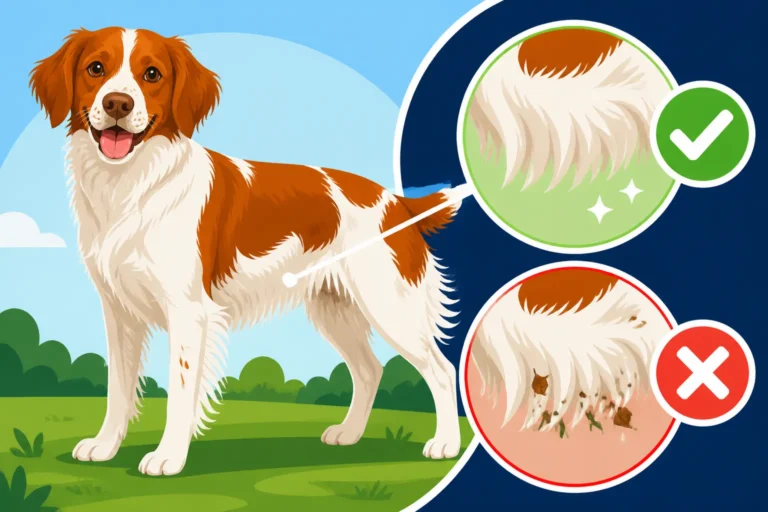
After every hunt or strenuous outing, a thorough cleanup of your Brittany's feathering is non-negotiable. This isn't just about cleanliness; it's about preventing problems before they start. The feathering, acting as a natural broom, will have collected everything from burrs and foxtails to mud and twigs.
Start by gently going over all feathered areas with your hands, feeling for anything embedded. Then, use a comb to systematically work through the feathering, section by section. Pay particular attention to the ears, armpits, groin, and between the toes—these are notorious hiding spots for troublesome debris. If your dog has been in wet or muddy conditions, a quick rinse with warm water and a dog-specific shampoo (many good options exist from brands you can find on Amazon) can help remove dirt and prevent skin irritation. Ensure you dry the ears thoroughly afterward to prevent infections. This ritual prevents mats from forming and allows you to catch any cuts, scrapes, or embedded foreign objects early. What to Do With a Brittany After Every Hunt details a comprehensive post-hunt routine.
Common Feathering Challenges and Solutions
While beautiful and functional, a Brittany's feathering can pose a few unique challenges for owners, especially those with active hunting dogs. Being prepared for these common issues can save you a lot of headache and keep your dog comfortable.
Burrs and Matting Nightmares
Anyone who has owned a Brittany knows the struggle: a fun romp in the field can quickly turn into a burr removal marathon. Burrs, seeds, and sticky vegetation have an uncanny ability to cling to and burrow deep into a Brittany's feathering, leading to painful mats. If left untended, these mats can pull at the skin, cause irritation, and even hide skin infections. How to Get Burrs Out of a Brittany's Coat is a must-read for this particular challenge.
The best defense is a good offense: proactive brushing and sometimes strategic trimming before hitting dense cover. If burrs do get lodged, resist the urge to pull them out forcefully, which can hurt your dog and break the hair. Instead, try to crush larger burrs with pliers or a rock to break them into smaller pieces. Then, work them out gently with a comb, starting from the outside of the mat and working your way in. Sometimes a little cornstarch or mineral oil rubbed into the mat can help loosen the burrs. After extraction, brush the area thoroughly to ensure no smaller pieces remain. For truly severe matting, a professional groomer may be needed to safely shave the area. How Long Burr Removal Takes on a Brittany also highlights the time commitment.
Skin Irritations Beneath the Feathering
The dense nature of the feathering, particularly in areas like the ears, armpits, and groin, can create microclimates that are ripe for skin issues. Moisture can get trapped, leading to bacterial or yeast infections, often manifesting as "hot spots." Furthermore, if burrs or foxtails go unnoticed, they can burrow into the skin, causing abscesses or chronic irritation.
Regular inspection is key. When you're brushing your Brittany, part the feathering and examine the skin underneath for any redness, rashes, bumps, or flaky patches. Any unusual odors or excessive scratching or licking in a particular area should prompt a closer look. For minor irritations, cleaning the area gently with a mild antiseptic solution and ensuring it stays dry can help. For persistent or severe issues, a trip to the vet is always advisable. They can properly diagnose and treat infections or remove deeply embedded foreign objects. Maintaining a healthy diet, perhaps with supplements like those found on Ollie or Chewy, can also contribute to overall skin and coat health.
The Aesthetics of Feathering: Show Ring vs. Field Work
The Brittany's feathering is a distinctive trait, but its presentation and management can differ significantly depending on whether your dog is primarily a show dog, a working gun dog, or a beloved family companion. Understanding these nuances can help you decide how to best care for your own Brittany's coat.
Conformation Standards
In the world of dog shows, the Brittany's feathering is judged against specific breed standards. The American Kennel Club (AKC) standard, for example, describes the feathering as "moderate" and "should not be so heavy as to obscure the natural lines of the dog or interfere with its activity." It's generally expected to be present on the ears, legs, and tail, adding to the dog's elegant appearance without being excessive.
For a show Brittany, grooming often involves careful maintenance to keep the feathering clean, untangled, and presentable, with minimal, strategic trimming only to neaten edges and ensure it doesn't appear unruly. The goal is to highlight the natural beauty and structure of the dog, adhering to the "moderate" description. This means a lot of brushing, conditioning, and careful handling to ensure the feathering flows smoothly and doesn't detract from the dog's overall outline. Owners of show Brittanys spend considerable time on grooming to meet these exacting standards.
Practicality for the Working Dog
For a Brittany that spends its days pounding through cover in search of birds, practicality trumps pure aesthetics. While a working Brittany still has beautiful feathering, its length and density might be managed differently to optimize its performance and comfort in the field. Excessive feathering, while striking in the show ring, can become a significant impediment for a hunting dog.
Long, untrimmed feathering is a magnet for burrs, mud, and ice balls in cold weather. It can snag on thorns, cause painful mats, and make post-hunt cleanup a nightmare. For these reasons, many hunting Brittany owners opt for more aggressive trimming of the feathering, particularly on the legs, belly, and around the paws. This "field trim" is not about conforming to a show standard but about preventing injuries, reducing cleanup time, and allowing the dog to move more efficiently through dense cover. It’s a trade-off: perhaps less glamorous, but far more functional and comfortable for the working dog. Whether a Hunting Brittany Should Be Trimmed Shorter explores this functional approach to grooming. Ultimately, the way you manage your Brittany's feathering should align with its lifestyle and your priorities for its well-being.
Disclaimer
This article is for general informational purposes only and does not constitute professional advice. Laws, prices and regulations vary by location and change over time. Consult a qualified professional for guidance on your specific situation.