How to Keep a Brittany Fit in Summer
Summer brings glorious sunshine and longer days, but for those of us with high-energy Brittany Spaniels, it also brings a unique challenge: how do you keep a dog built to run and hunt fit and happy when the temperatures soar to dangerous levels? It’s a real struggle trying to balance their innate drive with the very real risks of overheating, and many owners feel a tremendous amount of guilt if their beloved dog isn't getting its usual vigorous exercise. This guide is here to walk you through practical, safe strategies to maintain your Brittany's fitness and mental well-being when the mercury rises, ensuring they stay healthy without risking heat-related illness.
Understanding the Challenges of Summer Fitness for Brittanys
Let's be honest, our Brittanys weren't bred to lounge around in the heat. They're driven, intelligent, and possess an almost endless well of energy, characteristics that make them incredible hunting partners and companions but also create significant hurdles when summer arrives. The biggest challenge isn't just that it's hot; it's that your Brittany doesn't always understand that it's too hot for them to perform at their usual level. Their desire to please, to retrieve, to chase that bird scent is so strong that they'll often push themselves beyond safe limits, especially when a good game or an exciting field scenario is presented.
The Brittany's Unstoppable Drive vs. The Heat
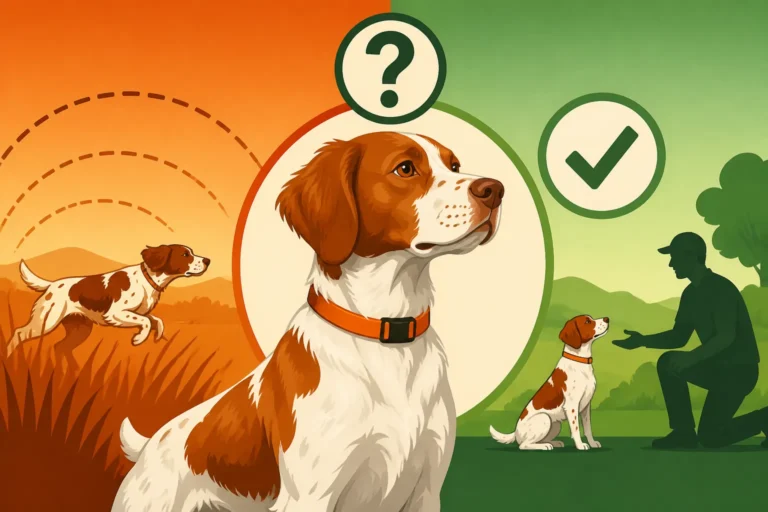
You know the look. That eager, bright-eyed stare when you grab the leash or whistle, even if it's already pushing 80 degrees outside. Brittanys have an almost relentless drive to do something, and it's built deep into their DNA. This instinct doesn't just switch off because the sun is high and the humidity is thick. Many an owner has started a seemingly innocuous walk only to find their Brittany panting heavily and flagging within minutes, realizing too late that the pavement was scorching or the air was just too oppressive. This internal conflict — your dog's boundless spirit against their physical limits in the heat — is something every Brittany owner contends with. It’s our job to be the smart ones, to override their eagerness with caution and good judgment.
It’s easy to feel like you're letting them down if they can't have their usual two-hour run in the fields or an intense session of retrieving. We see their energy, and we want to meet it. But pushing them too hard in unsuitable conditions isn't doing them any favors; it's putting them at risk. Even a short burst of intense activity on a hot day can be enough to trigger problems for a highly conditioned dog, let alone one that might have lost a bit of its edge over the off-season. We need to remember that maintaining fitness isn't just about intense physical exertion; it's about smart, safe engagement.
Recognizing the Risks of Overheating
Overheating isn't just about your dog feeling a bit warm; it's a serious medical condition that can escalate rapidly into heatstroke, a life-threatening emergency. When a dog’s core body temperature rises to dangerous levels, it can cause damage to internal organs, lead to neurological issues, and even result in death. Unlike humans, dogs don't sweat efficiently through their skin; they primarily cool themselves by panting. If the ambient temperature and humidity are too high, panting alone isn't enough to dissipate heat, and their body temperature will continue to climb.
Brittanys, with their active nature and sometimes dense coats, can be particularly susceptible. They often have that "go-go-go" mentality, rarely self-regulating their activity, especially if they are having fun or working. What might start as heavy panting can quickly turn into more alarming signs like drooling, bright red or pale gums, glazed eyes, staggering, or even collapse. Prevention is paramount, because once severe heatstroke sets in, the window for effective treatment can be very narrow, and even if they survive, there can be lasting organ damage. Being aware of Signs a Brittany Is Overheating in the Field is critical for every owner.
Smart Exercise Strategies for Warm Weather
With the summer heat firmly in place, our usual exercise routines often need a complete overhaul. It's not about stopping exercise entirely, but rather about reimagining what "exercise" looks like in a way that prioritizes your Brittany's safety and well-being. This means shifting focus from sheer intensity and duration to smarter timing, different types of activities, and a heavy reliance on cooling methods.
Timing Your Workouts for Cooler Hours
This is, without a doubt, the golden rule for summer exercise: adjust your schedule to work around the heat. This usually means embracing the very early morning hours and waiting until late in the evening. Think dawn patrol, when the sun is barely peeking over the horizon, and the night's coolness still lingers. Or, once the sun has dipped below the skyline and the air temperature has begun to drop, sometimes well after dinner.
Why these times? Firstly, the ambient air temperature is significantly lower. Secondly, and just as important, the ground surfaces like asphalt and concrete haven't had all day to bake in the sun. Hot pavement can cause severe burns to your Brittany's sensitive paw pads, even if the air itself feels tolerable to you. Test the ground with your own hand; if it’s too hot for you to hold your hand there comfortably for five seconds, it’s too hot for your dog's paws. It might mean setting your alarm clock earlier than usual or taking that final walk later in the evening, but it’s a necessary adjustment for their health. Even in these cooler hours, always be vigilant; some days are just too hot and humid, regardless of the time.
Adapting Exercise Intensity and Type
While your Brittany might be accustomed to long, sustained runs or vigorous field work, high-intensity aerobic exercise is often too risky in the summer. Instead, aim for shorter, more frequent bursts of activity. A 15-20 minute power walk or a quick retrieve session in the coolest part of the day might replace a typical hour-long outing. Focus on quality over quantity. Instead of a long, sustained run, perhaps a series of short sprints with ample rest in between, ensuring they cool down adequately.
This is also a fantastic time to explore alternative exercise methods. Swimming is an excellent low-impact, full-body workout that naturally helps cool your dog. Many Brittanys take to water enthusiastically, and a session of retrieving dummies from a clean pond or lake can be incredibly satisfying for them without the overheating risk. Whether Swimming Conditions a Brittany delves into how beneficial this can be. If swimming isn't an option, consider indoor activities. Mental stimulation is just as important as physical, especially for a smart breed like the Brittany. Interactive puzzle toys, advanced obedience training sessions, learning new tricks, or even scent work games can tire them out mentally without raising their body temperature. Companies like BAXTER & Bella offer online resources for training that can be done entirely indoors, keeping your Brittany’s mind sharp even when their body can't push its limits.
Utilizing Water for Cooling Exercise
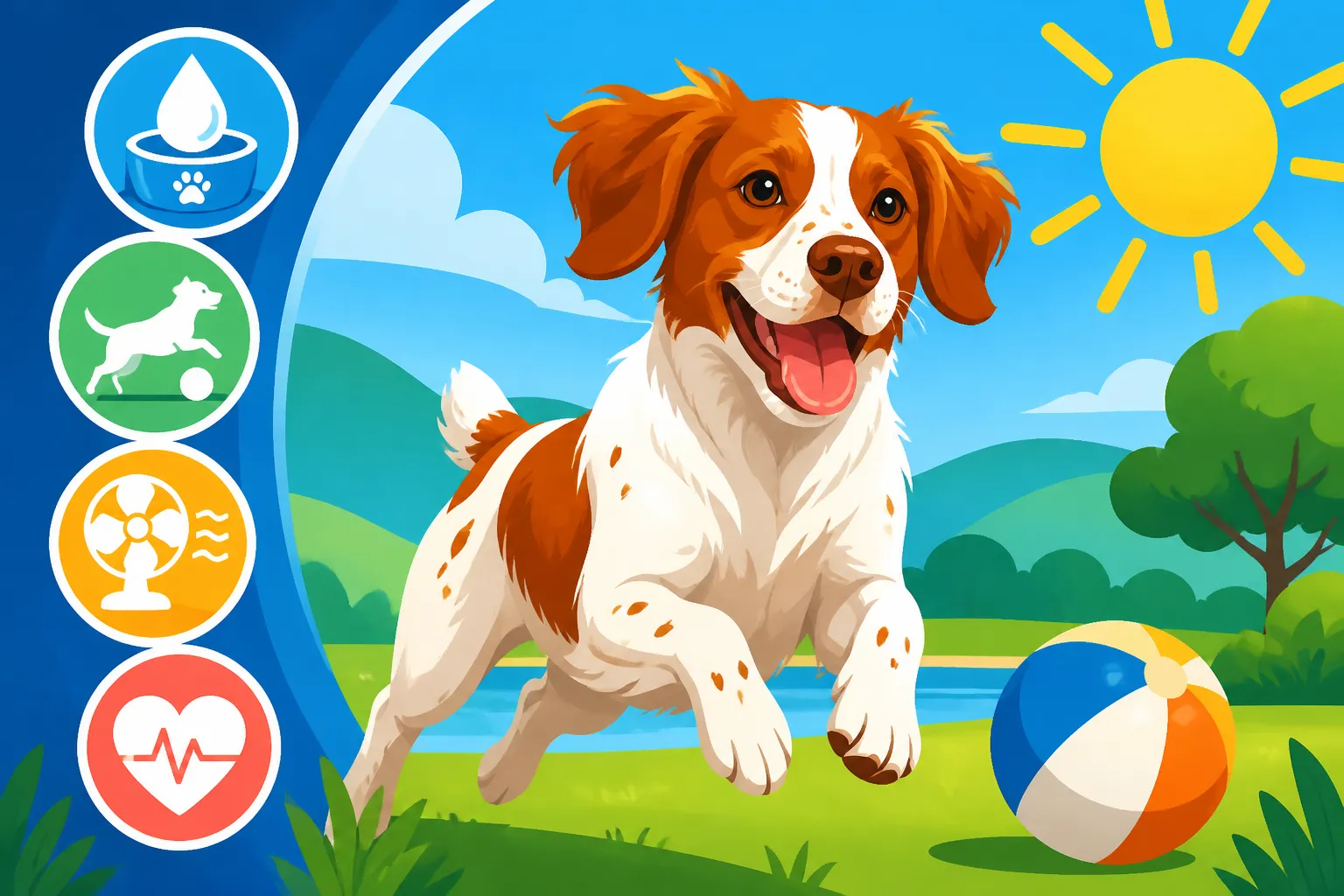
Water is your best friend when it comes to summer fitness for a Brittany. As mentioned, swimming is an unparalleled way to burn energy and stay cool. Look for safe, clean bodies of water like lakes, rivers with gentle currents, or even setting up a large kiddie pool in your backyard. Always supervise your dog closely around water, especially if they're new to swimming or in unfamiliar environments. Make sure the water source is free from strong currents, heavy boat traffic, or harmful algae blooms. A supervised session of retrieving floating toys from the water can be incredibly rewarding for a Brittany.
Beyond active swimming, simply having access to water for cooling down is essential. On a warm day, a quick splash in a shallow stream or a rinse with the hose can do wonders before or after a short walk. You can also get creative with cooling gear. Cooling vests or bandanas, which you soak in cold water and then wring out, can help keep their core temperature down during brief outdoor excursions. You can find a wide variety of these, along with portable water bowls for on-the-go hydration, on platforms like Amazon. Remember to always have a towel handy in the truck for a wet dog to prevent hot spots or excess dampness in their coat, especially around their ears.
Nutrition and Hydration in Hotter Months
Just as our own bodies require different care in the heat, your Brittany's nutritional and hydration needs might shift slightly during the summer. Maintaining proper fluid balance and ensuring they're getting the right fuel, even if their activity levels are modified, is crucial for their overall health and performance.
Maintaining Proper Hydration
This point cannot be stressed enough: hydration is paramount. Brittanys, especially those used to high activity, need significantly more water in hot weather. They lose fluids rapidly through panting, and dehydration can set in quickly. Simply filling their bowl once a day isn't enough; you need an active strategy for hydration.
Always carry a portable water bottle and a collapsible bowl with you whenever you leave the house, even for a short walk around the block. Offer water breaks frequently, not just when you notice them panting heavily. At home, ensure there are multiple water bowls in easily accessible, cool locations. Some owners find that adding a little extra water to their dog's kibble, or offering ice cubes as treats, encourages more fluid intake. Be vigilant for signs of dehydration, such as sticky gums, sunken eyes, loss of skin elasticity (though this can be harder to gauge on a furry dog), and lethargy. If you hunt, you already know How Much Water a Brittany Needs on a Hunt, but in summer, even daily walks require that level of planning. Also, be mindful of where your dog drinks. Stagnant puddles or unknown water sources in the field can harbor parasites; understand Whether a Brittany Gets Giardia From Field Water and take precautions.
Adjusting Their Diet as Needed
Brittanys are typically lean and active dogs, and their metabolism is geared for burning calories. In the summer, if their intense activity is significantly curtailed due to heat, you might need to make slight adjustments to their diet. Continuously feeding the same quantity of a high-performance food designed for a dog running miles daily, when they're mostly having shorter walks and mental games, could lead to unhealthy weight gain. It’s important to monitor their body condition; you should still be able to easily feel their ribs without them being visible. How Much Weight a Brittany Drops in a Hard Season might be more applicable during intense hunting season, but in summer, the concern often shifts to gaining too much if not watched.
Conversely, if you're managing to keep up a decent level of activity (perhaps with ample swimming or very early/late runs), they might still require their usual intake, or even a bit more if they're expending extra energy to regulate their body temperature. How Much More a Brittany Eats in Hunting Season usually refers to peak season, but maintaining that energy level through smart summer activities might keep their needs high. Consult your vet if you're unsure about dietary changes, but generally, focus on high-quality food, ensuring adequate protein and balanced nutrients. Some owners also add wet food or a low-sodium broth to their kibble to boost hydration.
Monitoring Your Brittany for Heat-Related Issues
Even with the best intentions and the most careful planning, summer heat can still pose a risk. Knowing what to look for and how to react quickly can make all the difference in preventing a serious health crisis for your Brittany. Your vigilance is their greatest safeguard.
Recognizing the Early Warning Signs of Heat Stress
It’s one thing to know about heat stress, but it's another to spot it in your own dog. Brittanys are notoriously tough and eager to please, often masking discomfort until it's quite advanced. You need to be hyper-aware. The first and most obvious sign is excessive panting – panting that seems more labored or faster than usual after a similar level of activity in cooler weather. Their gums might appear bright red, almost cherry-colored, which indicates increased blood flow as their body tries to cool itself.
Other signs to watch for include profuse drooling, which can appear thicker or stickier than usual, and a general lethargy or unresponsiveness. As heat stress progresses, you might notice glazed eyes, confusion, stumbling or disorientation, muscle tremors, or even vomiting and diarrhea. Don't dismiss these as simply "being tired" or "just a bit hot." These are serious indicators that your dog's body is struggling. If you catch these Signs a Brittany Is Overheating in the Field early, you have a much better chance of intervening successfully.
First Aid for an Overheated Brittany
If you suspect your Brittany is overheating, immediate action is crucial. Time is of the essence.
- Move to Shade/Cool Area: Get your dog out of the sun and into the coolest available spot immediately. This could be air conditioning, the shade of a tree, or even just inside your vehicle if the AC is blasting.
- Offer Water: Provide small amounts of cool (not ice-cold) water for them to drink. Don't force them to drink large quantities rapidly.
- Apply Cooling Water: Focus on areas where blood vessels are close to the surface: the paw pads, armpits, groin, and ears. Use cool (again, not ice-cold) water, soaked towels, or even a hose if available. The goal is to gradually lower their body temperature, not shock their system with extreme cold. Avoid covering their entire body with ice-cold water, as this can cause blood vessels to constrict, trapping heat inside and making the situation worse.
- Increase Airflow: Use a fan if one is available. Moving air helps evaporate water from their coat and paws, aiding in cooling.
- Seek Veterinary Attention: Even if your dog seems to recover and perk up after initial cooling, it's absolutely vital to get them to a veterinarian as quickly as possible. Heatstroke can cause internal damage that isn't immediately apparent, and secondary complications can arise hours later. Your vet can assess for organ damage, administer IV fluids, and provide further supportive care.
The Importance of Paw Pad Care
While we often focus on core body temperature, we can’t forget the extremities, especially your Brittany's hardworking paws. Hot surfaces like asphalt, concrete, and even sand can reach searing temperatures in the summer sun, causing painful burns to their paw pads. Imagine walking barefoot on a hot pavement – that’s what your dog is experiencing. These burns can be incredibly debilitating, leading to limping, blistering, peeling, and infection, effectively sidelining your dog from any activity.
Always try to walk your Brittany on grass, dirt trails, or shaded paths during warmer weather. If you must walk on pavement, test it with your hand first. If it’s too hot for you, it’s too hot for them. Consider using paw balm or wax (many options available on Amazon) to create a protective barrier, and for highly active dogs or those on challenging terrain, dog boots can offer excellent protection from both heat and rough surfaces. Whether a Brittany Needs Boots in the Field can provide insights, as similar principles apply to hot ground. Regularly inspect your Brittany's paw pads for any signs of redness, blisters, or tenderness, especially after any outdoor activity. Taking steps to How to Toughen a Brittany's Pads through gradual exposure on appropriate surfaces can help, but prevention of burns is always the best approach.
It takes a bit more thought and planning to keep a Brittany fit and happy through the summer, but with these strategies, you can ensure your devoted companion remains in prime condition for when the cooler weather (and hunting season!) returns.
| Activity Type | Summer Suitability (Heat) | Tips for Brittanys |
|---|---|---|
| Long Runs (Mid-day) | Low | Avoid; switch to early morning/late evening, shorter duration. |
| Swimming/Water Games | High | Excellent; ensures cooling, low impact. Supervise closely in safe water. |
| Fetch (Intense) | Low-Medium | Keep sessions short, near water or in deep shade. Prioritize mental games. |
| Roading/Biking | Low | Only in very cool hours (dawn/dusk), on soft surfaces. Always monitor pads closely. Whether a Brittany Can Run With a Bike |
| Indoor Training | High | Great for mental stimulation; focus on obedience, scent work, or new tricks. |
| Hiking (Shaded) | Medium | Stick to shaded trails, carry extra water, take frequent breaks. Consider How Long a Brittany Can Hunt in a Day as a guide for exertion. |
| Group Play (Dog Parks) | Low-Medium | Avoid during peak heat. Watch for signs of overexertion and ensure access to water and shade. |
Remember that every Brittany is an individual. What one can tolerate, another might not. Always err on the side of caution. Even when you're being careful, ensure your dog has frequent rest periods, especially after any physical exertion. Whether a Brittany Should Be Rested Between Runs is just as important in summer as it is during a hunt. By being mindful and making smart adjustments, you can help your Brittany not only survive the summer but thrive in it, ready for whatever adventures the cooler months will bring.
Disclaimer
This article is for general informational purposes only and does not constitute professional advice. Laws, prices and regulations vary by location and change over time. Consult a qualified professional for guidance on your specific situation.