Whether a Brittany Can Run With a Bike
For many Brittany owners, the sheer amount of energy their beloved dogs possess can feel like a delightful challenge. You want to give your Brittany every opportunity to run, explore, and simply be the athletic companion they're bred to be, but finding enough outlets can be tough in a busy life. The idea of biking with your Brittany, combining your exercise with theirs, seems like a perfect solution, yet brings up questions of safety, proper training, and whether it’s even a good idea. This guide will help you navigate those concerns, offering practical advice on how to safely and effectively turn your Brittany into an ideal cycling buddy.
Is Biking a Good Fit for a Brittany's Energy and Temperament?
Brittanys are not just dogs; they are athletes, bred to cover miles of challenging terrain in pursuit of game. This intense drive for activity means they thrive when given ample opportunity to expend their energy. Biking can be an incredible way to meet these needs, offering a sustained, high-speed workout that a typical walk often can't provide. However, their unique blend of enthusiasm, intelligence, and prey drive requires careful consideration before you hit the pavement or trail.
Understanding the Brittany's Exercise Needs
Let's be real: a Brittany isn't content with a stroll around the block to sniff a few lampposts. These dogs have boundless energy reserves. They were developed to quarter fields tirelessly, pointing birds with intense focus and then retrieving them. This heritage means they possess both incredible endurance and bursts of speed. If a Brittany doesn't get sufficient exercise, you'll often see that energy redirected in less desirable ways, like chewing furniture, digging craters in the yard, or developing anxious behaviors. They're telling you, in their own way, that they need more to do!
Biking offers a fantastic avenue for sustained, high-intensity exercise that truly taps into their athletic capabilities. It’s not just about covering distance; it’s about the consistent motion, the changing scenery, and the mental engagement of staying focused alongside you. For many Brittanys, this kind of activity feels deeply satisfying, far more so than a series of short walks. It allows them to stretch their powerful legs and burn off steam in a way that aligns with their natural instincts for covering ground. How Much Exercise a Brittany Needs Off Season can give you a deeper insight into their general activity requirements.
However, this high-energy nature also means they need proper conditioning and a careful introduction to any strenuous activity. You can't just throw an out-of-shape Brittany on a bike path and expect them to perform safely or happily. Their eager-to-please nature means they might push themselves past their limits if you're not paying close attention. It’s a partnership where you, the human, need to be the responsible party in managing their physical output.
Temperament Considerations for Cycling
Brittanys are widely known for their intelligence, eagerness to please, and generally biddable nature. These traits are huge advantages when it comes to training them for something as specific as biking. They typically want to work with their handler and enjoy having a "job." This makes them highly receptive to positive reinforcement training and consistent cues. You'll often find them looking to you for direction, which is exactly what you need when you're both moving at speed.
That said, Brittanys can also be quite sensitive. They don't respond well to harsh corrections or yelling. If training becomes a negative experience, they can shut down or become resistant. A positive, patient approach is always best, building their confidence step-by-step. Remember, you're asking them to perform a complex task in a potentially distracting environment. Keeping it fun and rewarding will ensure they remain enthusiastic partners. What a Brittany's Temperament Is Really Like delves into their personality in more detail.
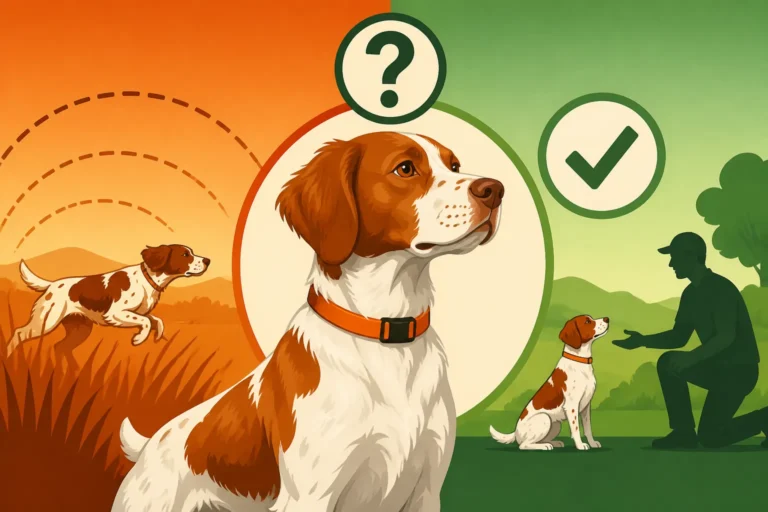
Their strong prey drive is another significant factor that cannot be overlooked. A sudden dart of a squirrel, a bird flushing from the bushes, or even a blowing plastic bag can trigger their instinct to chase. On a bike, this can be incredibly dangerous, leading to a fall for you or an injury for your dog. Therefore, a rock-solid "leave it" command and unwavering focus on you, even amidst tantalizing distractions, are absolutely non-negotiable before you ever try to bike with them. The success of biking with a Brittany hinges not just on their physical ability, but on their mental discipline and your control.
Essential Gear and Safety Preparations for Biking
Safety should be your number one priority when considering biking with your Brittany. This isn't just about protecting your dog; it's about protecting yourself and others you might encounter. Proper equipment is non-negotiable, and just as important are the preparations you make to ensure your Brittany is physically ready for the demands of running alongside a bicycle.
Selecting the Right Equipment
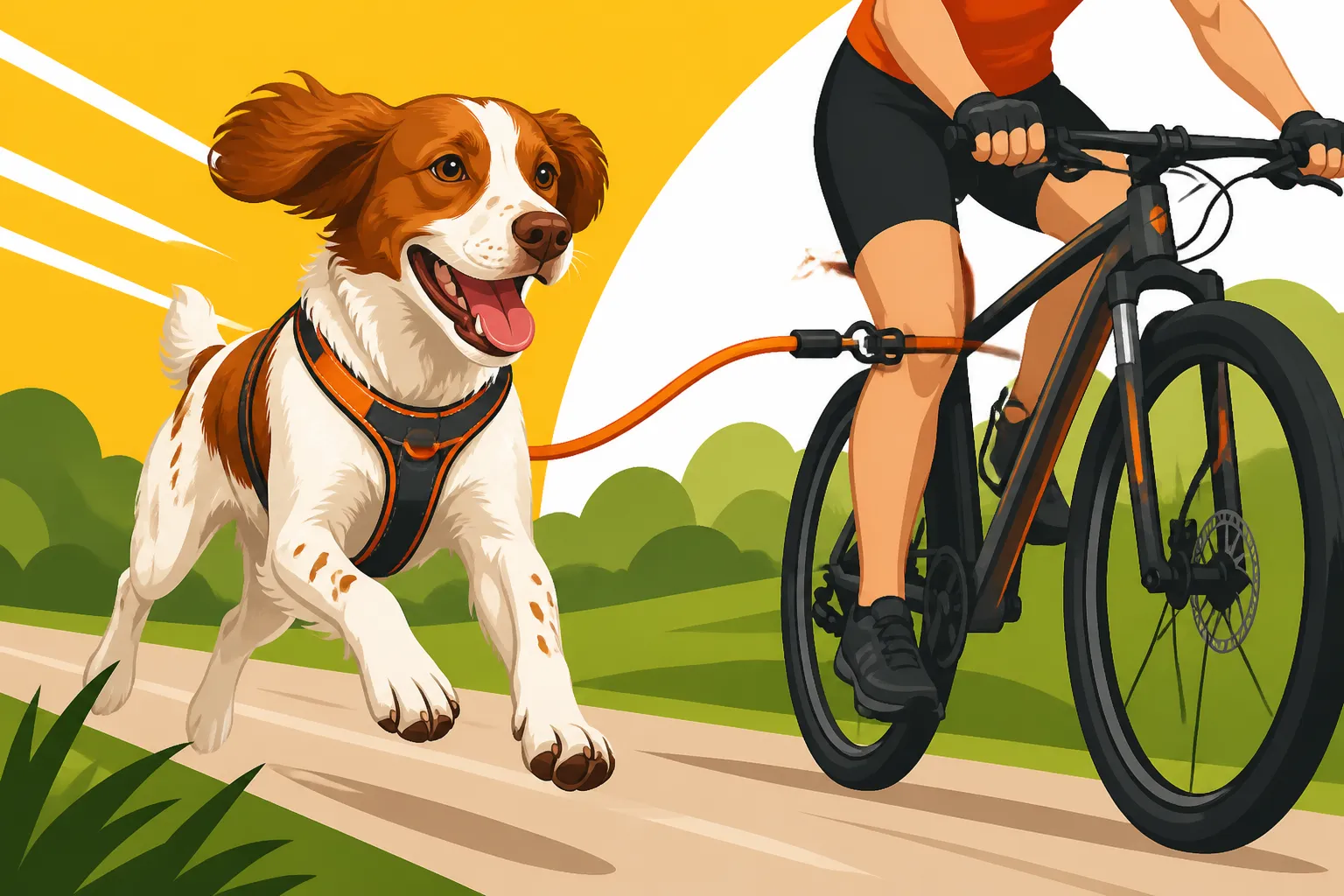
First and foremost, you absolutely cannot simply hold a leash in your hand while biking. This is a recipe for disaster, as a sudden pull could throw you off balance, send your bike swerving, or cause you to drop the leash. You need a dedicated hands-free biking attachment. These devices typically mount to the frame of your bicycle, often near the rear axle, and feature a spring-loaded arm that extends out. This arm keeps your Brittany at a safe distance from your wheels and helps to absorb any sudden tugs, preventing you from losing control. You'll find many reputable brands for these attachments, such as the WalkyDog or Springer, readily available on platforms like Amazon. Invest in a good one; it's a critical safety item.
Next, focus on your Brittany's harness. Never, ever use a neck collar for biking. A sudden stop or pull could cause serious injury to their trachea or neck. A well-fitting, Y-front harness or an ergonomic design that distributes pressure evenly across their chest and shoulders is crucial. Make sure it doesn't chafe or restrict their natural running motion, especially around their shoulder joints. You want them to be comfortable and able to move freely without any rub spots. Inspect the harness regularly for wear and tear, as you'll be putting it through its paces.
Finally, think about visibility. If there's any chance you'll be riding in low-light conditions, reflective gear for both of you is essential. A reflective vest for your Brittany makes them much easier to spot by motorists, cyclists, and pedestrians. You should also ensure your bike has proper lights – front and rear. Remember, you're sharing the path or road, and being seen is paramount for preventing accidents. A small flashing light on your dog's harness can also add an extra layer of safety.
Pre-Ride Health and Conditioning
Before your Brittany ever trots alongside a bike, you need to ensure they are physically mature and in prime condition. This is not an activity for puppies or very young dogs. Their growth plates, the soft areas at the ends of their bones responsible for growth, don't fully close until they are typically between 18 months and two years old. Engaging in high-impact activities like sustained running before this time can cause irreversible damage to their developing joints. Always err on the side of caution and consult your veterinarian. When a Brittany's Growth Plates Close provides more specific information on this crucial developmental stage.
Once your Brittany is physically mature, a thorough vet check-up is a must. Your vet can confirm there are no underlying orthopedic issues (like hip or elbow dysplasia) or cardiac problems that could be exacerbated by intense exercise. Even seemingly healthy dogs can have hidden conditions that bike-joring could stress. Your vet can give you the green light and offer advice on a conditioning program tailored to your dog.
Gradual conditioning is key. Don't go from couch to 5K (or 5 miles!) overnight. Start with shorter distances and slower speeds, gradually increasing both as your Brittany's stamina improves. Pay close attention to their paw pads, especially if you're running on asphalt or rough trails. These surfaces can be incredibly abrasive and lead to painful blisters or tears. Gradually expose them to different surfaces to toughen their pads, and consider using paw wax for protection, or even dog boots for very long or challenging routes. How to Toughen a Brittany's Pads has some great advice on preparing their feet.
Finally, hydration is non-negotiable. Always carry fresh water for both yourself and your Brittany, and plan for regular water breaks. Brittanys, with their enthusiasm, can easily overheat, especially in warmer weather. Watch for signs like excessive panting, drooling, lethargy, or a bright red tongue. If you see these, stop immediately, get them into the shade, and offer water. Signs a Brittany Is Overheating in the Field provides critical information on recognizing and addressing this serious risk. It's always better to cut a ride short than risk your dog's health. How Much a Brittany Should Drink on a Hunt also offers excellent hydration guidance that applies to biking.
Step-by-Step Training Your Brittany for Bike Runs
Training your Brittany to run with a bike is a gradual process that builds on foundational obedience and requires patience and consistency. Rushing any step can lead to frustration or, worse, dangerous situations. Think of it as teaching your dog a new, complex skill, much like you would if you were working with a BAXTER & Bella training program, breaking it down into manageable parts.
Foundation Skills on Leash
Before you even think about attaching your Brittany to your bike, their basic leash manners and obedience commands need to be impeccable. This means they should be able to walk politely on a loose leash at your side, without pulling, even when faced with minor distractions. Commands like "heel," "stop," "stay," and a rock-solid "leave it" are not just helpful; they are absolutely essential for safety when you're both moving at speed. If your Brittany tends to pull on a regular walk, address that issue now with consistent training. Without these foundational skills, you're setting yourself up for a chaotic and potentially dangerous ride.
Once their leash manners are solid, introduce the bike as a neutral object. Start by simply walking alongside your bike with your Brittany on a regular leash. Let them sniff it, walk around it, and get accustomed to its size and presence. Reward calm, curious behavior. You want them to associate the bike with positive experiences, not something to be fearful of or overly excited about. Push the bike while walking them, allowing them to hear the sounds of the chain and tires, and get used to the moving wheels.
After they are completely comfortable walking next to the stationary and pushed bike, it's time to introduce the bike attachment. Attach it to your bike, and then attach your Brittany's harness to the arm. Again, start by just walking on foot, pushing the bike. This allows them to get used to the feeling of being connected to the bike, the slight tension of the arm, and the new dynamic of moving together as a unit. Keep these sessions very short and positive, ending on a high note before your dog gets bored or tired. The goal is to build positive associations with every element of the biking setup.
Introducing the Bike and Riding
Now comes the exciting part: actually riding! But remember, start slow and steady. Choose a very low-distraction environment – perhaps a quiet cul-de-sac, an empty park path, or a wide, paved trail during off-peak hours. Have your Brittany properly attached to the biking arm. Begin by pedaling very slowly, just enough to maintain your balance. The objective of these initial rides is simply for your dog to get into the rhythm of running alongside a moving bicycle. Praise them lavishly for staying in position and keeping pace.
As your Brittany becomes more comfortable, you can gradually increase both your speed and the duration of your rides. It's crucial to constantly monitor your dog for any signs of fatigue, discomfort, or stress. Are they lagging behind? Are their paw pads looking red or sensitive? Is their panting excessive or labored? Are they showing any reluctance to continue? Brittanys are notoriously stoic and may try to push through discomfort, so it’s up to you to be observant. Pushing them too hard, too fast, can lead to injury, exhaustion, or create a negative association that makes them hate biking.
Throughout your rides, continue to practice your obedience commands. You'll need to develop verbal cues for slowing down, speeding up, turning left or right, and coming to a complete stop. Your Brittany needs to respond to these commands as reliably as if you were walking them on a leash. This level of communication builds trust and ensures safety. Remember that How Long a Brittany's Training Session Should Be is a golden rule – keep sessions appropriate for their energy and focus levels, gradually increasing as their stamina and understanding improve.
Common Challenges and How to Overcome Them
Biking with a Brittany can be incredibly rewarding, but it’s not without its hurdles. These dogs are intelligent, energetic, and possess strong instincts, all of which can present unique challenges when you're moving at speed. Being aware of these potential issues and having strategies to address them will ensure a safer and more enjoyable experience for both you and your canine companion.
Distractions and Prey Drive
Brittanys are hardwired for hunting. Their incredible senses mean they're constantly processing the world around them for sights, sounds, and especially scents that indicate game. A sudden blur of a rabbit, the scent of a squirrel, or a bird taking flight can instantly trigger their prey drive, causing them to lunge or pull. When you're on a bike, this instinctual reaction can be incredibly dangerous, potentially causing you to lose control, fall, or swerve into traffic. Your "leave it" command needs to be absolutely bulletproof, practiced extensively in varying environments, and reinforced with high-value rewards, long before you integrate it into biking.
If your Brittany does get distracted and pulls, resist the urge to yank on the lead. Instead, use your firm verbal command, apply gentle but consistent pressure through the biking attachment, and guide them back into their correct position beside the bike. If they don't respond, immediately stop the bike, dismount, and regain control on foot. This reinforces that pulling stops the fun. Consistency is key here; every time they get away with lunging, the behavior becomes more ingrained. You might even carry a noisemaker or air horn (used sparingly and not directly at your dog) to break intense focus on prey if verbal commands fail in an emergency.
Strategic route planning can also help mitigate these challenges. Start on paths with minimal wildlife and fewer foot traffic distractions. As your Brittany gains experience and their reliability improves, you can gradually introduce more stimulating environments. The goal isn't to eliminate their natural instincts—that's impossible—but to teach them to defer to your commands, even when those instincts are screaming. A strong How Reliable a Brittany's Recall Is is always your best safety net, even if it's primarily used off-bike.
Fatigue, Overheating, and Injuries
While Brittanys have phenomenal endurance, they are not invincible. They can and will get tired, especially if they are new to biking or if you push them too hard. Watch carefully for signs of fatigue: lagging behind, a drooping tail, excessive panting that doesn't subside quickly during breaks, drooling, or a general reluctance to continue. On warm days, they are particularly susceptible to overheating, which can escalate into a life-threatening emergency quickly. Never, under any circumstances, force your Brittany to continue if they are showing signs of fatigue or heat stress.
The surfaces you ride on can also pose significant risks to your Brittany's paw pads. Asphalt, concrete, and rough gravel can cause abrasions, blisters, and even severe cuts, especially on unconditioned paws. Always check their pads thoroughly before and after each ride. If you notice any tenderness, redness, cuts, or excessive wear, give their paws a break to heal. Dog boots, readily available on Amazon and at pet supply stores, can offer excellent protection on challenging surfaces, or if your dog has sensitive pads. Whether a Brittany Needs Boots in the Field offers similar advice that applies perfectly to biking. In fact, Why a Brittany Cuts Its Pads on Stubble highlights just how vulnerable their paws can be even in familiar hunting environments, let alone on hard pavement.
Other injuries can include muscle strains, sprains, or even being entangled in the bike itself, though a good hands-free attachment significantly reduces the latter risk. Always carry a basic first-aid kit with you that includes supplies for both you and your dog, such as antiseptic wipes, self-adhesive wrap, and paw balm. Know your dog's individual limits and respect them implicitly. It is always better to end a ride early and have your dog eager for the next one, than to push them to the point of injury or exhaustion, potentially creating a lifelong aversion to the activity. Understanding The Injuries a Brittany Picks Up in the Field can also help you be prepared for unexpected bumps and scrapes while out exercising.
| Aspect | Benefits for a Brittany | Considerations/Risks | How to Mitigate |
|---|---|---|---|
| Exercise & Stamina | Provides sustained high-intensity workout, builds endurance. | Risk of over-exertion, muscle strains, joint stress. | Gradual conditioning, vet check, appropriate age (18-24 months+). |
| Mental Stimulation | Engaging new sights/smells, strengthens human-dog bond. | High distraction level, increased prey drive, loss of focus. | Rock-solid "leave it", focused training, quiet routes initially. |
| Owner Convenience | Efficient way to tire a high-energy dog, combined exercise. | Requires specialized gear, significant training time/consistency. | Invest in quality gear, commit to training schedule, positive reinforcement. |
| Physical Safety | Opportunity for vigorous activity in controlled environment. | Overheating, paw injuries, entanglement, bike accidents. | Hydration, paw protection (wax/boots), hands-free attachment, situational awareness. |
Biking with your Brittany can truly be a fantastic experience, strengthening your bond and providing the intense physical outlet your dog craves. It’s an efficient way to exercise a high-energy dog and can be incredibly rewarding for both of you. However, it's not a casual undertaking. With careful planning, the right equipment, gradual conditioning, and consistent, positive training, your Brittany can absolutely become a wonderful and safe cycling companion for many years to come. Remember, their enthusiasm is a gift, and it's your responsibility to channel it safely and effectively.
Disclaimer
This article is for general informational purposes only and does not constitute professional advice. Laws, prices and regulations vary by location and change over time. Consult a qualified professional for guidance on your specific situation.