Whether a Brittany Should Be Rested Between Runs
It’s a familiar scenario for any Brittany owner: you’re out in the field, your dog is buzzing with energy, nose to the ground, working the cover like a pro, and you just want them to keep going. Their drive is incredible, a force of nature! But then, the thought creeps in: are they pushing too hard? How much is too much? The truth is, managing your Brittany's boundless enthusiasm with their physical needs for rest is a constant balancing act, and getting it right is crucial for their performance, health, and longevity. This guide will walk you through why planned rest is non-negotiable and how to implement it effectively between runs, ensuring your loyal companion stays healthy and happy in the field for years to come.
Understanding Your Brittany's Drive and Physical Limits
Brittanys are, without a doubt, powerhouses of energy and devotion. They live to hunt, to cover ground, and to find birds. This incredible drive, while a hallmark of the breed, can sometimes mask when they're truly tiring themselves out. It's up to us, their human partners, to understand their limits and provide the necessary downtime.
The Brittany's Inherent Stamina and Passion for Work
Let's be real, a Brittany isn't built for a leisurely stroll around the block when there's work to be done. These dogs are athletes, bred over generations for stamina, agility, and an unwavering focus on scent. Their compact, muscular build and efficient gait allow them to cover vast amounts of ground with seemingly endless energy. When they're in their element, scenting game, pointing staunchly, and retrieving eagerly, their mental drive often overrides their physical fatigue. This passion is what makes them such exceptional hunting companions, but it also means they won't always tell you directly when they're reaching their limit. They'll keep pushing, driven by instinct and a desire to please, even when their bodies are screaming for a break. It's truly a testament to their heart, but it puts the onus on us to be their intelligent coach and caretaker.
Recognizing the Signs of Fatigue and Overexertion
Even the most driven Brittany has a breaking point. Ignoring the subtle cues can lead to serious health issues, from heatstroke to acute injuries. It’s vital to become an expert in reading your dog's body language. Early signs of fatigue might include a slight decrease in their usual exuberant tail wag, a less confident range, or a point that isn't quite as rock-solid as usual. They might start slowing their pace, perhaps taking a few more steps before checking back with you, or their quartering pattern might become less precise. As they become more overtired, you might see excessive panting with a wide-open mouth and a very red tongue, drooling, or a dullness in their eyes. They might start lagging behind, seeking shade more frequently, or even stumble slightly. Don't wait for these obvious signs; by then, they're already deep into fatigue. Be proactive. A key indicator of overheating in particular is discussed in Signs a Brittany Is Overheating in the Field.
The Critical Importance of Rest Intervals
You wouldn't expect a human marathon runner to sprint for hours without a water break or a moment to catch their breath, right? The same logic applies, perhaps even more so, to our four-legged athletes. Regular, well-timed rest intervals are not just a luxury; they are a fundamental component of effective training, safe hunting, and long-term health.
Preventing Overheating and Dehydration
This is probably one of the most critical reasons for enforced rest. Brittanys, with their thick coats and high-exertion activity, can quickly overheat, especially in warmer weather or dense cover. Unlike humans, dogs don't sweat efficiently across their skin; they primarily cool themselves by panting. If their core temperature rises too high, it can lead to heat exhaustion or, worse, life-threatening heatstroke. A short break allows their body temperature to regulate, and more importantly, it's the perfect opportunity for them to rehydrate. Always carry plenty of fresh water and offer it generously during breaks. A simple portable bowl from Amazon can be a lifesaver. Even on cooler days, vigorous activity still generates a lot of internal heat. Remember, a well-hydrated dog performs better and recovers faster. For more on this, check out How Much Water a Brittany Needs on a Hunt.
Protecting Joints and Soft Tissues
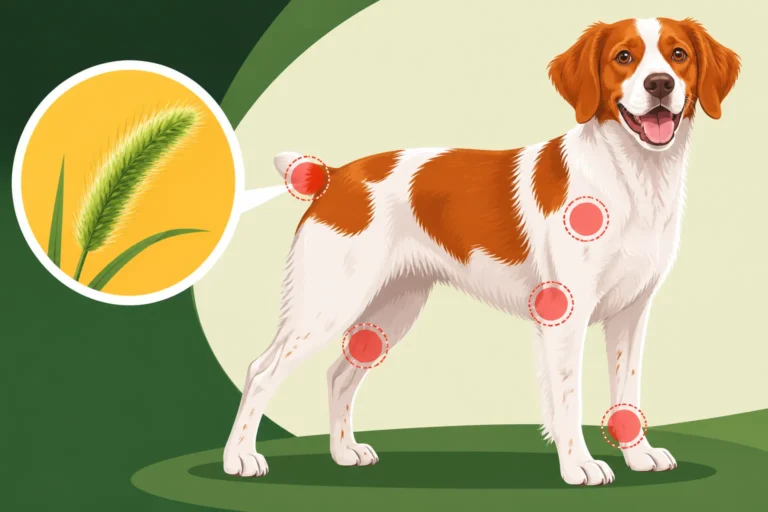
The constant pounding, jumping, and quick turns involved in hunting put immense stress on a Brittany's joints, muscles, tendons, and ligaments. While they're incredibly athletic, repetitive strain without adequate recovery time can lead to cumulative wear and tear, increasing the risk of acute injuries like sprains, strains, or even more serious issues like cruciate tears. Think of it like a spring – if you keep compressing and releasing it without letting it return to its natural state, it eventually loses its springiness or breaks. Brief rests allow muscles to recover from minor fatigue, clear metabolic byproducts like lactic acid, and give the connective tissues a moment to relax. This doesn't just prevent immediate injury, but it also contributes significantly to their long-term soundness, helping them avoid premature arthritis and stay in the field longer into their senior years. The Injuries a Brittany Picks Up in the Field provides more insight into common field ailments.
Maintaining Mental Focus and Performance
It's not just the body that gets tired; the mind does too. A Brittany that is physically exhausted will also struggle to maintain its sharp mental focus. Their ability to concentrate on scent, to process your commands, and to make intelligent decisions in the field diminishes significantly with fatigue. You might notice them blowing off birds, failing to honor another dog's point, or missing simple retrieves. Their biddability—their willingness to cooperate—can also drop. Short breaks allow them to reset mentally, processing the information they've gathered and refocusing on the task at hand. This means they'll hunt smarter, more effectively, and ultimately, more safely. A rested dog is a responsive dog, leading to a much more rewarding experience for both of you.
Practical Strategies for Implementing Rest Between Runs
Knowing why rest is important is one thing; putting it into practice in the heat of the moment, when your Brittany is tearing through the brush, is another. It requires discipline, observation, and a willingness to put your dog's well-being above your immediate hunting ambitions.
Scheduled Breaks and Water Stops
A good starting point is to establish a general rhythm for your hunts or intense training sessions. Depending on the conditions (heat, humidity, terrain difficulty) and your dog's fitness level, this might mean a 10-15 minute break every 45-60 minutes of active running. During these breaks, get your Brittany into the shade if possible, offer them water immediately, and take a moment to perform a quick check-over for burrs, ticks, or minor scrapes. This scheduled downtime provides a predictable rhythm that both you and your dog can adapt to. Even if your Brittany seems to be going strong, sticking to these planned pauses is a preventative measure that pays dividends. Consider using a timer or a GPS collar feature that reminds you when a break is due.
Observing and Adapting to Your Dog's Cues
While a schedule is helpful, it’s not rigid. Your dog is the ultimate indicator. You need to be constantly observing their demeanor, their gait, their breathing, and their overall enthusiasm. If they start to show any of those subtle signs of fatigue we discussed earlier, even if it's before your scheduled break, it's time to call them in. Don't push them just because you're "almost" at your planned stopping point. This adaptability is key. Maybe the terrain suddenly got much tougher, or the sun came out from behind the clouds, or they just worked a particularly dense patch of cover. Pay attention to what they're telling you with their body language. Learning to read your dog’s specific signals will come with experience, but it’s the most important skill you can develop as a handler. Think about how much they still want to hunt at various ages by reading Whether an Aging Brittany Still Wants to Hunt.
Proper Post-Run Care and Recovery
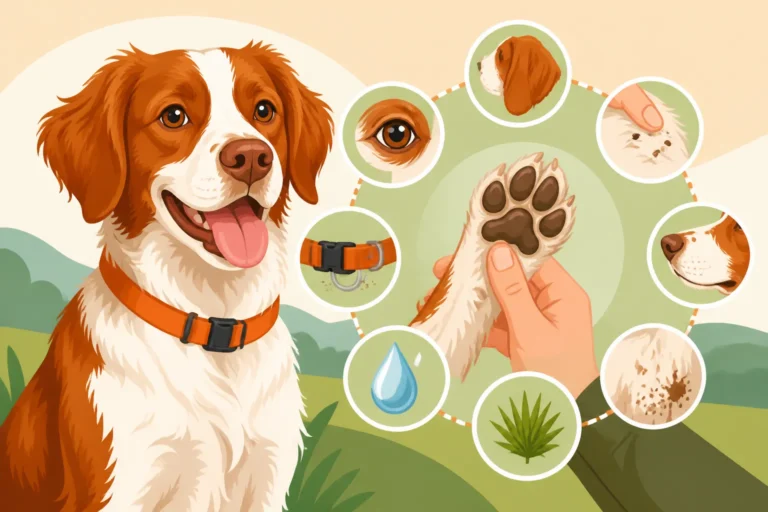
The care you provide immediately after a run is just as important as the breaks during it. Once the intense activity is over, don't just put them back in the truck. Allow for a cool-down period. This could involve a leash walk for 10-15 minutes at a slower pace to allow their heart rate to come down gradually and muscles to cool off without seizing up. Again, offer water. Check their paws meticulously for cuts, burrs, or embedded foxtails. Brush out their coat to remove debris. If it’s a hot day, a cooling vest or a damp towel can aid in bringing their body temperature down. Products like those found on Chewy or Amazon can be very useful for this. A good quality, high-protein dog food, perhaps like Ollie, is crucial for muscle repair and replenishing energy stores, especially during hunting season. Consider How to Cool a Brittany Down After a Run for more detailed steps.
Factors Influencing Rest Requirements
There's no one-size-fits-all answer to how much rest a Brittany needs. Several variables play a significant role in determining appropriate rest intervals and overall downtime.
Environmental Conditions
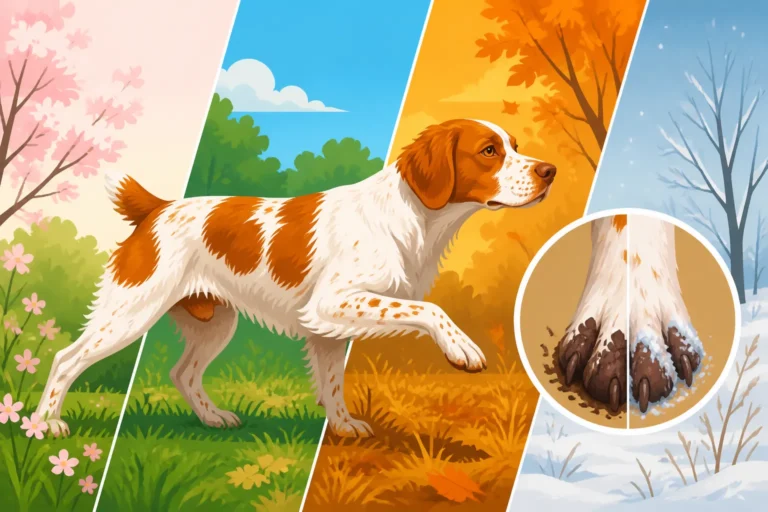
The weather is arguably the biggest factor. Hot, humid days require significantly more frequent and longer breaks than cool, crisp ones. Heat and humidity make it much harder for dogs to dissipate heat through panting. On such days, you might need to limit runs to 20-30 minutes at a time, or even avoid hunting altogether during the hottest parts of the day. Wind can be a double-edged sword: a gentle breeze can help cool, but strong, dry winds can accelerate dehydration. Similarly, hunting in deep snow or mud is far more strenuous than on dry, flat ground and will exhaust a dog more quickly. Always consider the ground conditions and how much extra effort your Brittany needs to expend. What Temperature Is Too Warm to Run a Brittany offers more specific guidance on environmental limits.
Your Brittany's Age and Conditioning Level
A young, fit Brittany in the prime of its life, well-conditioned through regular exercise and a proper diet, will naturally have more stamina than a puppy or a senior dog. Puppies, despite their bursts of energy, have undeveloped joints and muscles and can easily overdo it. Their runs should be much shorter and less intense. Older Brittanys may have underlying joint issues like arthritis or less efficient cardiovascular systems, meaning they tire more easily and require longer recovery times. Even a fit adult dog needs to be "conditioned" before the hunting season begins, slowly building up their endurance over weeks or months, not just thrown into a full day of hunting without preparation. How to Condition a Brittany Before Opening Day provides strategies for building fitness.
Type and Intensity of Activity
Not all runs are created equal. A casual run through an open field with sparse cover is far less demanding than pushing through dense, thorny briars or marshland, which requires more effort, jumping, and navigating obstacles. Similarly, a competitive field trial, with its expectation of sustained high performance and intense focus, will be more taxing than a leisurely hunt with frequent stops. If your Brittany is doing repeated retrieves or working very heavy cover, their energy expenditure will be higher, necessitating more frequent breaks. Always tailor the rest periods to the specific demands of the activity.
A Comparative Look at Rest Needs
To help visualize how these factors interplay, here’s a simplified table outlining general guidelines for rest between runs:
| Factor | Low Demanding Conditions | Moderate Demanding Conditions | High Demanding Conditions |
|---|---|---|---|
| Environmental Temp | Cool (under 50°F / 10°C) | Mild (50-70°F / 10-21°C) | Hot (above 70°F / 21°C) |
| Humidity | Low | Moderate | High |
| Terrain/Cover | Open fields, light cover | Moderate brush, rolling hills | Dense briars, deep snow, marsh |
| Dog's Fitness/Age | Well-conditioned adult | Moderately fit adult, young adult | Unconditioned, puppy, senior |
| Activity Intensity | Leisurely hunt, training drills | Standard hunting, moderate trials | Intense field trials, heavy work |
| Suggested Run Time | 60-90 minutes | 45-60 minutes | 20-30 minutes |
| Suggested Rest Time | 10-15 minutes | 15-20 minutes | 20-30+ minutes |
| Water Frequency | Every 60-90 min | Every 45-60 min | Every 20-30 min |
Remember, these are general guidelines. Always prioritize your dog's individual signals over any schedule.
Ultimately, the decision of whether and how long a Brittany should be rested between runs boils down to common sense, careful observation, and a deep understanding of your dog. Their desire to please us and their innate drive to hunt are immense, but we must be their voice of reason and their protector. By implementing thoughtful rest strategies, you ensure not only their immediate safety and performance but also contribute to a longer, healthier, and happier life in the field, allowing you both to enjoy many more seasons together.
Disclaimer
This article is for general informational purposes only and does not constitute professional advice. Laws, prices and regulations vary by location and change over time. Consult a qualified professional for guidance on your specific situation.