Whether a Brittany Suits a Suburban House
Bringing a Brittany Spaniel into a suburban home can feel like a contradiction – these are dynamic, high-energy gun dogs, after all. Many prospective owners worry that their smaller yard or proximity to neighbors won't be a good fit for such an athletic breed, leading to frustration for both dog and human. This comprehensive guide will explore the realities of owning a Brittany in a suburban environment, outlining the challenges you might face and, more importantly, providing practical strategies to ensure a happy, well-adjusted life for your Brittany, even without acres of open field.
The Brittany's Energy Needs in a Suburban Setting
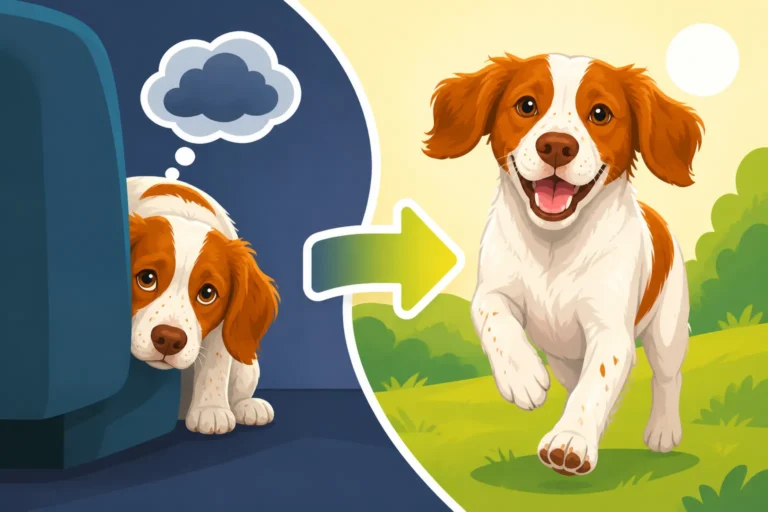
Let's get one thing straight: a Brittany Spaniel is not a couch potato. These dogs were bred for endurance and intense bursts of activity in the field, and that fundamental drive doesn't magically disappear because you live on a quarter-acre lot. Understanding and consistently meeting their energy requirements is the single most critical factor in their success in a suburban home. Ignoring this need is a surefire way to create problems, not just for your furniture, but for your dog's overall well-being.
The Myth of the Backyard Burn-Off
It’s a common misconception, particularly for new dog owners, that a large enough backyard will suffice for an energetic breed. While a fenced yard is certainly a bonus, it’s rarely enough to truly "burn off" a Brittany's boundless energy. Left to their own devices, many Brittanys will simply patrol the fence lines, bark at passersby, or find inventive ways to excavate your prize-winning petunias. They might get some fresh air, but they won't get the structured, intense exercise that their bodies and minds crave.
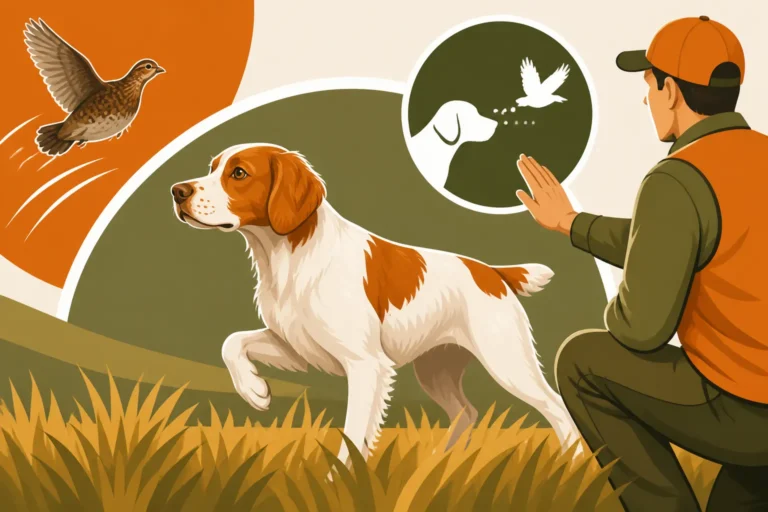
Think about it: a bird dog's job is to cover ground, scent out game, point, and retrieve. This isn't a casual stroll; it's a focused, high-intensity activity. A suburban backyard, no matter how big, just doesn't replicate that kind of mental and physical workout. This is why you often hear stories of under-exercised Brittanys developing destructive habits, like digging holes under the fence or turning your living room into an obstacle course. They’re not being "bad"; they're simply channeling their unmet drives into the nearest available outlets. For a deeper dive into the consequences of insufficient activity, you might want to read What an Under Exercised Brittany Does at Home.
Structured Exercise vs. Free-Range Romp
The key to successfully owning a Brittany in the suburbs is intentional exercise. This means scheduling dedicated time each day for activities that truly challenge them. A minimum of 60-90 minutes of vigorous exercise daily is often recommended, and for many Brittanys, especially younger ones, it might be even more. This isn't just letting them out; it's engaging with them.
Here are some effective ways to provide structured exercise:
- Running or Biking: If you're a runner, a Brittany can be an excellent partner once they're fully grown and cleared by your vet. Start slowly and build up endurance. If you prefer cycling, specialized dog bike leashes can allow your Brittany to run alongside you safely.
- Long Leashed Walks/Hikes: Don't underestimate the power of a long, brisk walk. Vary your routes, explore local trails, or head to a dog-friendly park. The change of scenery and new smells provide mental stimulation too.
- Fetch or Disc Play: A classic for a reason! Many Brittanys adore retrieving. Invest in durable toys and find an open, safe area where they can really stretch their legs. This activity combines bursts of speed with handler interaction.
- Dog Parks (with caution): Dog parks can be a good option for some Brittanys, offering opportunities for off-leash running and social interaction. However, always ensure the park is safe, well-maintained, and that your Brittany has a solid recall before letting them off-leash. Not all dogs get along, and a high-energy Brittany needs to be able to disengage if a situation becomes tense.
- "Flirt Pole" Play: For intense, short bursts of exercise, a flirt pole (a pole with a lure attached to a rope) can be fantastic. It mimics prey drive and gets them running, jumping, and chasing in a contained area.
Consistency is vital. Skipping a day of exercise because of bad weather or a busy schedule will almost certainly lead to a restless, potentially destructive dog. Think about how much exercise a Brittany needs off-season, and then add even more during hunting season if you're actively working them. How Much Exercise a Brittany Needs Off Season goes into more detail on year-round fitness.
Mental Stimulation Beyond Physical Exertion
While physical exercise is crucial, a Brittany's sharp mind also needs a workout. These dogs are intelligent problem-solvers, and if their brains aren't engaged, they'll invent their own (often inconvenient) puzzles to solve. This is particularly important for suburban living where constant outdoor stimulation isn't always possible.
- Puzzle Toys and Treat Dispensers: These are lifesavers for keeping a Brittany occupied indoors. Fill them with their kibble or healthy treats and let them work to get their reward. Brands found on Amazon offer a wide array of options, from simple treat balls to complex multi-step puzzles. This turns mealtime into a mental challenge.
- Training Sessions: Short, daily training sessions (5-10 minutes, several times a day) can be incredibly stimulating. Practice basic obedience, teach new tricks, or even introduce advanced concepts like scent work or "find it" games indoors. This builds their focus and strengthens your bond. An online resource like BAXTER & Bella can provide structured puppy and dog training programs, which are invaluable for suburban owners looking for consistent guidance from home.
- "Work to Eat" Routines: Instead of simply putting food in a bowl, make your Brittany "work" for part of their meal. Have them perform commands, search for scattered kibble, or use those puzzle toys. This taps into their natural foraging instincts.
- Rotation of Toys: Keep a stash of toys and rotate them every few days. This keeps things fresh and prevents boredom from setting in. Offer different textures, shapes, and purposes (chew toys, squeaky toys, tug toys).
- Enroll in Classes: Even if you don't hunt, consider obedience, agility, or scent work classes. These provide professional guidance, social interaction, and a structured environment for your Brittany to use their brains and bodies.
A mentally stimulated Brittany is a much calmer, happier, and better-behaved companion in a suburban home. It prevents them from turning their intelligence towards less desirable activities.
Living with a Brittany Indoors: Space, Noise, and Chewing
Beyond exercise, the day-to-day realities of having a Brittany in a more confined suburban space need to be addressed. These aren't dainty lapdogs, but they are generally adaptable if their core needs are met.
How Much Space Does a Brittany Really Need?
While a large yard is beneficial for training and quick potty breaks, a Brittany's true need is for active engagement, not just raw square footage. They can absolutely thrive in a suburban home, even one without a massive backyard, provided their owners are committed to providing that exercise and mental stimulation outside the home. The idea that a Brittany must have acres to be happy is simply untrue if the owner is proactive.
Indoors, Brittanys are generally compact enough to navigate most homes comfortably. They are not huge dogs. However, they do like to stretch out and often gravitate towards comfortable spots near their family. A dedicated crate or dog bed that is appropriately sized for them is important for providing a secure den, especially when you can't supervise them directly. For some owners, the idea of Whether a Brittany Can Live in an Apartment might seem extreme, but it highlights that living space itself is less critical than the owner's dedication to meeting their needs.
One consideration is their tendency to be near their people. Whether a Brittany Follows You Room to Room is a common trait. They are affectionate and want to be part of the family action, so while they don't need a mansion, they do appreciate being where the people are. This means a Brittany who is isolated in a garage or basement will likely not be a happy Brittany, regardless of the size of the house.
Managing the Brittany Bark
Brittanys are sporting dogs, and like many breeds developed for hunting, they can be vocal. They use barks, whines, and growls to communicate, whether it's to alert you to something outside, express excitement, or sometimes, just because they feel like talking. In a suburban setting, where neighbors are closer, managing barking is paramount.
Common reasons for barking include:
- Alert Barking: They see someone walking past, a squirrel in the yard, or hear a strange noise. This is natural, but needs to be managed so it doesn't become excessive.
- Boredom/Frustration Barking: An under-exercised or under-stimulated Brittany will often bark out of sheer frustration or boredom. This is often the first sign that their needs aren't being met.
- Separation Anxiety: If left alone for long periods without proper training, a Brittany can develop separation anxiety, leading to incessant barking, destructive behavior, and house-soiling.
- Demand Barking: Some Brittanys learn that barking gets them attention, food, or playtime.
Addressing excessive barking starts with identifying the cause. If it's boredom, ramp up their exercise and mental enrichment. For alert barking, focus on training a "quiet" command and managing their environment (e.g., using frosted window film to block views of passersby). Consistency is key. You can learn more about this behavior in How Much a Brittany Barks.
| Type of Barking | Common Causes | Suburban Solutions |
|---|---|---|
| Alert/Warning | People/animals outside, sudden noises | "Quiet" command training, window film, white noise machines, desensitization to triggers. |
| Boredom/Frustration | Lack of exercise, mental stimulation, attention | Increase daily physical activity, puzzle toys, regular training sessions, rotate toys. |
| Demand | Seeking attention, food, play | Ignore barking; reward quiet behavior; teach "sit" or "down" for requests instead of barking. |
| Anxiety/Stress | Separation anxiety, fear of noises | Crate training, professional guidance, calming supplements, gradual desensitization, secure routine. |
Chewing and Digging: A Brittany's Natural Instincts
Brittanys are mouthy dogs and possess a natural instinct to dig. These traits, when not properly channeled, can be a headache for suburban homeowners. Your prized flowerbeds and furniture are not safe without intervention!
- Chewing: All puppies chew, but Brittanys, with their strong jaws and inquisitive nature, can be particularly persistent. This isn't just a puppy phase; adult Brittanys can also be serious chewers if bored or stressed. Provide an abundance of appropriate chew toys. Offer a variety of textures and hardness levels to keep them interested. Rotate these toys regularly. When you leave them unsupervised, especially initially, make sure they are in a safe, puppy-proofed area or a crate with approved chew toys. For an idea of what a bored Brittany can do, check out What a Bored Brittany Destroys.
- Digging: Brittanys were bred to root out game, so digging is deeply ingrained. They might dig to escape, to unearth interesting smells, to bury treasures, or simply for entertainment. In a suburban yard, this can lead to ruined landscaping and potential escape routes.
- Management: If digging is a major issue, consider creating a designated "digging pit" in your yard. Fill it with sand or loose soil and bury toys or treats for them to find. Reward them heavily for digging in this spot.
- Supervision: Never leave your Brittany unsupervised in the yard for extended periods if digging is a problem. Their escape artistry is legendary, and Whether a Brittany Escapes a Fence is a valid concern. You'd be surprised how quickly they can excavate their way to freedom. How High a Fence a Brittany Needs often surprises people, as they can be quite agile jumpers and determined diggers.
- Exercise: Often, excessive digging is a sign of pent-up energy. Increase their structured exercise and mental stimulation to reduce this behavior.
Consistency, redirection, and providing appropriate outlets are your best tools against these natural instincts.
Training and Socialization for Suburban Brittanys
Successful integration of a Brittany into a suburban environment hinges heavily on early, consistent training and thorough socialization. These aren't just polite suggestions; they are non-negotiable necessities for a well-adjusted dog that respects boundaries and interacts appropriately with the wider world.
Importance of Early and Consistent Training
A Brittany's intelligence and eagerness to please make them highly trainable, but their energetic nature also means they need a firm, consistent hand right from the start. Postponing training, even for a few weeks, can set you back significantly.
- Puppy Classes: Enroll in puppy kindergarten as soon as your vet gives the green light. These classes provide crucial early socialization with other dogs and people, expose them to new environments, and teach you the fundamentals of positive reinforcement training.
- Basic Obedience: Commands like "sit," "stay," "come," "down," and "leave it" are not just tricks; they are essential life skills, especially in a suburban setting where safety is paramount. A reliable "come" (recall) can literally save your Brittany's life if they bolt after a squirrel near a busy road.
- Leash Training: A Brittany pulls strongly, especially when stimulated by scents. Teach them to walk politely on a leash from day one. Using tools like a front-clip harness can help manage pulling while you're working on loose-leash walking.
- Crate Training: A crate serves as a safe den for your Brittany and is an invaluable tool for house-training, managing chewing, and providing a secure space when you're not home. How Fast a Brittany Housetrains often depends on consistent crate training and a routine.
- Positive Reinforcement: Brittanys are sensitive dogs, often described as "soft." They respond best to positive reinforcement methods—rewards, praise, and gentle guidance—rather than harsh corrections. What a Brittany Does When It Is Corrected Too Hard can be significant, leading to a shutdown or fear. Positive methods build trust and a strong bond.
Online platforms like BAXTER & Bella offer excellent structured training programs with video tutorials, live Q&A sessions, and personalized support, which can be a fantastic resource for suburban families who need flexibility or aren't near a great in-person trainer. This ensures consistency in training, which is vital for this breed.
Socialization in a Denser Environment
The suburban environment presents unique socialization challenges. There are more people, more dogs, more cars, and more novel sounds than in a rural setting. Proper socialization helps your Brittany navigate this complex world confidently and calmly.
- Exposure to Varied Stimuli: From a young age, expose your Brittany puppy to a wide range of sights, sounds, smells, and experiences. This includes different types of people (children, adults, people with hats or strollers), other friendly dogs, busy streets (from a distance at first), vacuum cleaners, doorbells, and car rides.
- Controlled Interactions: Ensure these exposures are positive and controlled. Don't overwhelm your puppy. Short, pleasant experiences are better than long, stressful ones. Always pair new experiences with treats and praise.
- Neighborly Greetings: Teach your Brittany polite greetings when neighbors approach. Avoid jumping or excessive barking. A "sit-stay" with a reward for calm behavior is a good goal.
- Other Animals: If you have other pets, or if your neighbors do, supervised introductions are essential. Brittanys have a strong prey drive, so integrating them with cats or other small pets requires careful, patient work. Whether a Brittany Can Live With a Cat is certainly possible, but it takes dedication.
A well-socialized Brittany is less likely to be fearful, aggressive, or overly reactive to the everyday occurrences of suburban life. Whether a Brittany Puppy Should Be Socialized Heavily is a resounding yes!
Containment and Boundary Training
In a suburban area, ensuring your Brittany stays where they're supposed to be is crucial for their safety and neighborhood harmony.
- Fencing: A secure physical fence is always the best option. Brittanys can jump, so a fence that is at least 5-6 feet high is recommended. As mentioned earlier, they are also prone to digging, so ensure the fence extends slightly below ground or has a dig guard.
- Leash Discipline: Even with a fence, your Brittany will spend a good amount of time on a leash outside your property. A strong recall is vital, but always use a leash in unfenced areas or places with distractions.
- Invisible Fencing (with caveats): While some owners use invisible fences, they come with significant risks for a high-drive dog like a Brittany. A strong enough scent or visual of a squirrel or bird can easily override the static correction, sending your dog through the boundary and potentially into danger without a way back. They are not a substitute for a physical fence or diligent leash work, especially for a hunting breed.
- Doorway Manners: Teach your Brittany to wait at open doors or gates until released. This prevents bolt-outs and helps maintain control.
Reliable containment and boundary training ensure your Brittany is safe and respected in your suburban community.
Integrating a Brittany into a Suburban Family Life
A Brittany is more than just a hunting companion; they are deeply affectionate family members. Understanding how they fit into the dynamics of a suburban home, especially with children and other pets, is key to a harmonious household.
Brittanys and Children in a Smaller Home
Brittanys are generally known for being good with children, earning them the reputation of being "the pointing breed you can live with." They are playful and usually tolerant, but like all dogs, they need proper introductions and supervision, especially in a home where space might be a bit more limited.
- Supervision is Key: Always supervise interactions between young children and your Brittany. Even the most patient dog can snap if poked, pulled, or cornered. Teach children how to respectfully interact with a dog.
- Respecting Boundaries: Teach your Brittany that certain areas (like their crate or bed) are their safe zones where they should not be disturbed. Teach children to respect these boundaries too.
- Energy Match: A Brittany's high energy can be a good match for active children, as they can burn off energy together playing fetch or going for walks (with adult supervision). However, their exuberance can sometimes lead to accidental bumps or knocks, so teach your Brittany good manners around smaller kids to prevent them from Whether a Brittany Knocks Small Children Over.
- Shared Activities: Encourage age-appropriate activities that children can do with the Brittany, such as throwing a ball, helping with basic commands (under supervision), or grooming. This builds a positive relationship.
- Training for Calmness: Train your Brittany to settle calmly indoors, even when children are active. A strong "place" command, where they go to a designated mat or bed, can be very useful for managing excitement. Whether a Brittany Is Good With Toddlers often comes down to this kind of training and supervision.
Coexisting with Other Pets
The Brittany's strong prey drive can make coexisting with other smaller pets, particularly cats or birds, a challenge. While many Brittanys live successfully with feline companions, it requires careful management and training.
- Early Introduction: If possible, introduce your Brittany puppy to other pets when they are young. This increases the chances of them viewing other animals as part of their "pack" rather than as prey.
- Supervised Interactions: All interactions, especially initially, should be closely supervised. Keep small pets safe in their own spaces when you can't be there to monitor.
- Separate Spaces: Ensure all pets have their own safe, private spaces where they can retreat and feel secure, away from the Brittany's boundless energy or curiosity.
- Training "Leave It": The "leave it" command is indispensable when living with other pets. It teaches your Brittany to disengage from something they are focused on, whether it's a cat sauntering by or a bird in the backyard.
- Manage Prey Drive: Understand that the prey drive is instinctual and will never truly disappear. Instead, focus on managing it through training, consistent redirection, and providing appropriate outlets for their hunting instincts (e.g., bird work if you hunt, or scent games). For specific advice on felines, check out Whether a Brittany Points the Family Cat.
The Brittany's Affectionate Nature Indoors
Despite their drive, Brittanys are incredibly affectionate dogs that thrive on human companionship. They aren't aloof; they want to be with you, often following you from room to room. This makes them wonderful house dogs for families who want an engaged, loving companion.
- "Velcro Dog" Tendencies: Don't be surprised if your Brittany is your shadow. They love to be involved in whatever you're doing, whether it's watching TV, cooking dinner, or relaxing on the couch. This is part of their charm and makes them feel truly integrated into the family. Whether a Brittany Is Clingy Like a Vizsla is a question many ask, and while they might not be quite as "velcro" as some, they are definitely people-oriented.
- Indoor Manners: While affectionate, they also need to learn indoor manners. This includes not jumping on guests, not counter-surfing, and respecting personal space. Consistent training and setting clear expectations from the beginning are crucial.
- Comfort and Security: Provide a comfortable bed or crate for them, ideally in a communal area of the house, so they can rest while still feeling connected to the family. This reinforces their place within the home structure.
- Quiet Time: Even highly energetic Brittanys need downtime. Ensure they have opportunities to relax, chew on a safe toy, or nap, especially after a vigorous exercise session. How Long It Takes a Brittany to Settle After a Run can vary, but providing a calm space helps them unwind.
A Brittany in a suburban home can be a fantastic companion. They bring joy, energy, and unwavering loyalty. The key is understanding their needs as a sporting breed and committing to meeting those needs through structured exercise, mental stimulation, and consistent positive training. With the right approach, your Brittany will not just tolerate suburban life, but truly thrive as a beloved and well-adjusted member of your family.
Disclaimer
This article is for general informational purposes only and does not constitute professional advice. Laws, prices and regulations vary by location and change over time. Consult a qualified professional for guidance on your specific situation.