Whether a Brittany Follows You Room to Room
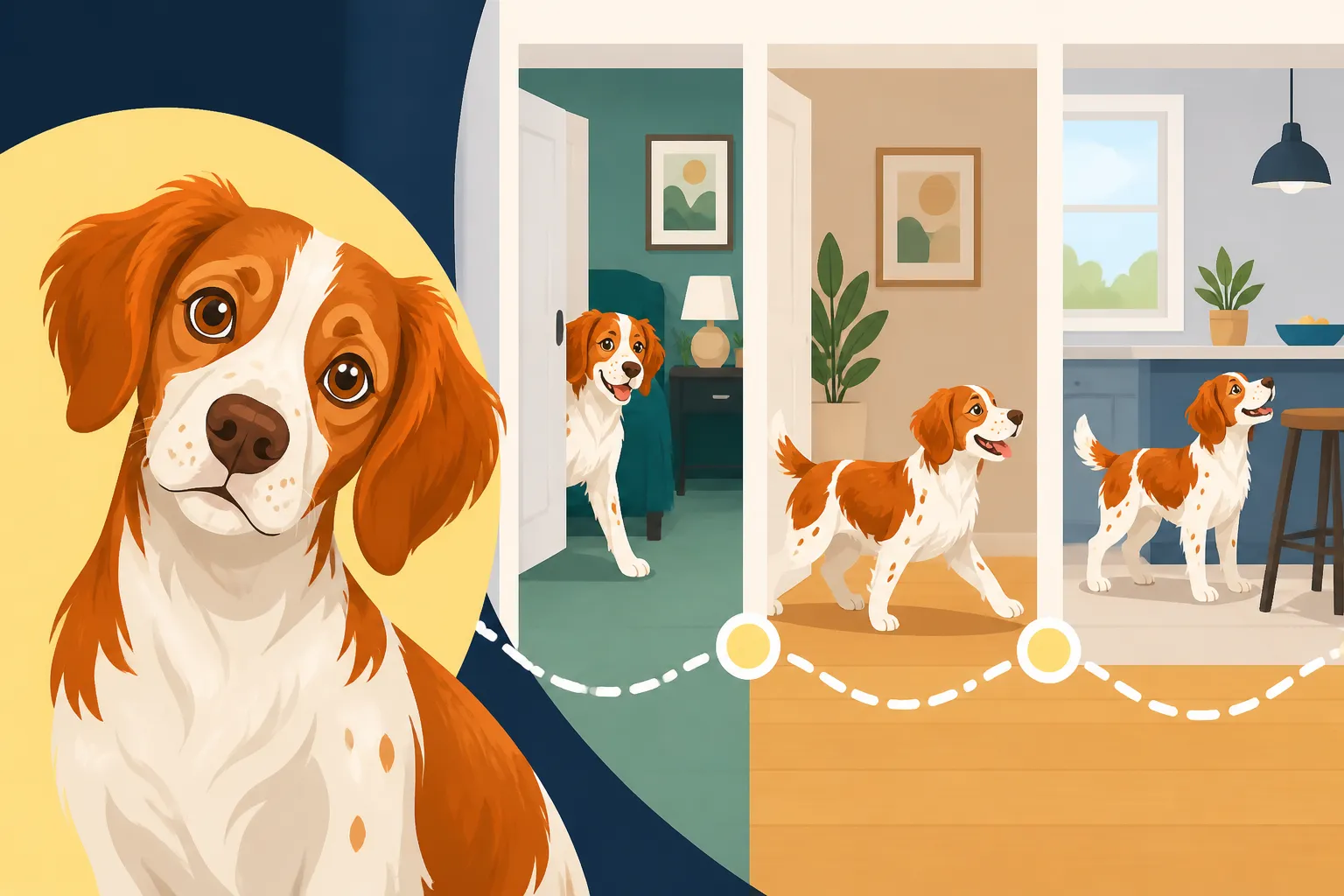
Many Brittany owners quickly discover they have acquired a furry shadow, a loyal companion who seems to believe that personal space is merely a suggestion. It can be endearing to have your Brittany follow you from the kitchen to the living room, then to the bathroom, and back again, but for some, this constant companionship can become a little overwhelming or even hint at underlying anxieties. This guide will delve into the reasons behind this common Brittany trait and offer practical advice on how to manage it, ensuring both you and your devoted dog maintain a healthy balance.
The Brittany's Shadow: Why They Become Your Constant Companion
It’s not just in your head; many Brittanys genuinely love to be near their people, often to an almost comical degree. This isn't necessarily a bad thing, but understanding the root causes of this "Velcro dog" tendency can help you appreciate their unique personality and address it effectively if it ever leans into problematic territory. They're wired to be connected, and that connection often manifests as a desire to always be within sight or sound of you.
Innate Affection and Pack Instinct
Brittanys are, at their core, incredibly affectionate and people-oriented dogs. They were bred to work closely with hunters, relying on a strong bond and communication in the field. This deep-seated desire for connection translates into their home life. They see you as the center of their world, their pack leader, and their source of comfort, food, and fun. It's their instinct to stay close to their pack, which in a home environment, means staying close to you. They aren't just following; they're checking in, seeking reassurance, and enjoying your presence.
This isn't to say every Brittany will be glued to your side every second, but a strong inclination to be near is very common. They thrive on interaction and being part of the family's activities, however mundane. Whether you're folding laundry or watching a movie, they often just want to be in the same room, perhaps curled up on their bed or even at your feet, soaking in the ambient presence. This intense loyalty is one of the many reasons we adore the breed, but it's important to differentiate it from anxiety. If you wonder How Affectionate a Brittany Is, you'll find they are generally very loving.
Sometimes, this pack instinct is so strong that they can become what some refer to as "one-person dogs." While they usually get along well with everyone in the family, they might choose one specific individual as their primary focus, following that person above all others. This can be sweet but also puts a lot of responsibility on that person for the dog's emotional well-being and daily interaction. They truly just want to be involved in whatever you're doing, even if it's just supervising from a comfortable spot nearby.
Their Need for Engagement and Mental Stimulation
Brittanys are highly intelligent and energetic dogs, bred for purpose and activity. If they're not getting enough mental or physical exercise, they might resort to shadowing you as a way to seek engagement. They're essentially hoping that by following you, something interesting or stimulating will happen. It’s their way of saying, "Hey, what are we doing next? Can I help?" or simply "Entertain me!"
A bored Brittany is often a mischievous Brittany, and for some, simply following you around becomes their chosen activity when nothing else is on offer. If they're not physically tired from a good run or mentally stimulated by training sessions or puzzle toys, they have an abundance of energy and curiosity to expend. They might pick up on your subtle cues, anticipating your next move, and trying to be one step ahead to participate. This is especially true for young, active Brittanys who are still learning how to settle. Consider how much exercise they need off-season; it might be more than you think, as discussed in How Much Exercise a Brittany Needs Off Season.
Providing plenty of appropriate outlets for their energy is crucial. Daily vigorous exercise, like long walks, runs, or off-leash play in a safe area, helps tire them out physically. Mental stimulation, such as training new commands, practicing scent work, or using interactive feeder toys, can tire their minds. If they’re fulfilled in these areas, they’re often more content to relax independently, knowing their needs are being met. Without this, their shadow tendencies might be less about affection and more about a cry for engagement.
The Brittany's Sensitivity and Desire for Reassurance
Brittanys are known for being sensitive dogs. They are often highly attuned to their owners' moods and can pick up on subtle changes in the household atmosphere. This sensitivity can sometimes manifest as a desire to stay close, seeking reassurance or comfort, especially if they perceive any tension or if there are new, unfamiliar situations. They might follow you around to stay within your protective sphere.
For a sensitive Brittany, even a slight change in routine or a new sound can make them a bit uneasy. They might stick closer to you during thunderstorms, fireworks, or when new people visit, seeing you as their safe harbor. Their "velcro" behavior, in these instances, is less about demanding attention and more about feeling secure in your presence. It's a testament to the strong bond they form with their owners. You might notice this more if your Brittany is on the softer side, a common trait discussed in Why a Brittany Is Called Soft.
It’s important to respond to this need for reassurance calmly and consistently. Over-coddling can inadvertently reinforce anxious behavior, but ignoring their genuine discomfort isn't helpful either. A gentle pat, a calm voice, or simply allowing them to be near you when they're seeking comfort can go a long way in building their confidence and helping them understand that they are safe. Over time, as they gain confidence, they may naturally become a little more independent, though their affectionate nature will always keep them close.
When "Velcro Dog" Behavior Becomes a Challenge
While endearing, a Brittany that follows you room to room can sometimes cross the line from affectionate companionship to a more challenging behavior. It's important to recognize when this natural tendency might be indicative of something deeper, like anxiety, or when it simply becomes inconvenient for your daily life. Differentiating between normal clinginess and problematic attachment is the first step toward finding a solution.
Recognizing the Line Between Affection and Anxiety
Many Brittanys are just genuinely happy to be with you, which is a sign of a well-adjusted, confident dog who enjoys your company. They might follow you into a room, settle down, and then get up again when you move. This is normal. However, if your Brittany exhibits signs of distress when you're out of sight—like whining, pacing, destructive behavior, or excessive barking—then the "velcro" behavior might be tipping into separation anxiety. This is a crucial distinction. A dog with true separation anxiety isn't just following you because they love you; they're following you because they fear being alone.
Consider the intensity of their reaction when you try to leave a room without them. Do they panic? Do they paw at the door or cry incessantly? Do they seem unable to relax unless they are physically touching you or can see you? These can be red flags. While some Brittanys are naturally more "clingy," like a Vizsla might be, as explored in Whether a Brittany Is Clingy Like a Vizsla, persistent, panicked following often points to an underlying issue. It's not just a desire for company, but an inability to cope with solitude, even for short periods.
If you suspect separation anxiety, it's vital to address it. This isn't just about managing an inconvenience; it's about improving your dog's quality of life. Left unaddressed, separation anxiety can worsen and lead to significant stress for both dog and owner. Observing their behavior when you do leave them alone, even for a few minutes, can give you invaluable insight. Does your Brittany whine in the crate? Do they pace when you prepare to leave? These observations are key.
The Impact of Insufficient Exercise and Boredom
As we touched on earlier, a Brittany is a working dog with boundless energy and a keen mind. If this energy isn't channeled productively, it can manifest in various ways, including excessive shadowing. Think of it from their perspective: if they've spent hours napping and their brain hasn't been engaged, you become the most interesting thing in the house. Every step you take holds the promise of excitement. What an under-exercised Brittany does at home can be quite a lot, as detailed in What an Under Exercised Brittany Does at Home.
A bored dog might follow you simply because there’s nothing else to do. They haven't had their physical needs met with enough running, playing, or hunting-style exercise, nor their mental needs met with training, puzzle toys, or scent games. Their shadowing isn't necessarily anxious, but rather an active solicitation for interaction, a hopeful plea for something, anything, to break the monotony. They might nudge your hand, bring you a toy, or just stand there, silently willing you to engage.
This can sometimes lead to destructive behaviors if their attempts to engage you fail. A Brittany that is under-exercised and bored might start chewing on furniture, digging in the yard, or even counter-surfing, simply because they're looking for an outlet for their pent-up energy. Addressing the root cause—lack of appropriate physical and mental stimulation—is often the simplest and most effective way to reduce unwanted behaviors, including incessant shadowing. An engaged Brittany is a calmer Brittany, more likely to settle independently.
The Risks of Over-Reliance and Under-Socialization
While it's wonderful to have a strong bond with your Brittany, inadvertently fostering an over-reliance on your presence can create problems down the line. If a puppy is never taught to entertain itself or to be comfortable in its own space, it can grow into an adult dog that struggles with independence. This can be particularly true if a Brittany is rarely left alone, even for short periods, or if every whine is immediately met with attention.
| Behavior Trait | Description | Potential Cause | Management Strategy |
|---|---|---|---|
| Curious Follower | Dog follows quietly, then settles nearby. | Affection, pack instinct, curiosity. | Encourage independent settling. |
| Attention Seeker | Dog follows, nudges, whines for interaction. | Boredom, lack of mental/physical exercise. | Increase exercise, provide enrichment. |
| Shadowing with Mild Anxiety | Follows closely, may whimper if you leave the room, settles quickly upon return. | Sensitivity, mild insecurity. | Build confidence, practice short absences. |
| Separation Anxiety | Panicked following, destructive behavior, excessive vocalization, elimination when alone. | Fear of being alone, deep insecurity. | Professional help (vet, certified trainer), counter-conditioning. |
Similarly, under-socialization can contribute to an over-reliance on the primary caregiver. A Brittany puppy that isn't exposed to a variety of people, places, sounds, and other dogs during its critical developmental period might grow up to be more timid or anxious in novel situations, leading them to cling to their familiar human for comfort. Proper socialization helps build a dog's confidence and resilience, making them less likely to feel overwhelmed and more capable of handling periods of solitude. Ensuring your Brittany Puppy Should Be Socialized Heavily is crucial.
If your Brittany primarily relies on you for all their needs, from play to comfort, they may struggle when you're not available. This isn't about being mean or aloof, but about teaching your dog that they can be safe, happy, and entertained even when you're not physically present. A well-rounded dog has a strong bond with its owner but also possesses the confidence and skills to thrive independently.
Strategies for Encouraging Independence and Calmness
When your Brittany's "velcro" tendencies become a bit too much, or if you're concerned about underlying anxiety, there are many proactive steps you can take. The goal isn't to make your Brittany less affectionate, but to empower them with the confidence to be comfortable in their own company and to understand that your absence is temporary and not a cause for alarm.
Building Confidence Through Structured Training
One of the best ways to foster independence in a Brittany is through consistent, positive reinforcement training. Basic obedience commands like "stay," "place," and "settle" are invaluable. "Stay" teaches them to remain in one spot even as you move away, gradually increasing distance and duration. "Place" gives them a designated spot, like a dog bed or mat, where they can relax independently. "Settle" teaches them to calm down on command, which is especially useful for an energetic breed like the Brittany.
These commands not only give your dog structure and mental exercise but also build their confidence. When they understand what's expected of them and succeed, they gain a sense of accomplishment. Start small: ask them to "stay" for a few seconds while you take a step away, then return and reward them lavishly. Gradually increase the time and distance. This teaches them that you will come back, and that good things happen when they follow your instruction. Many online platforms offer structured programs that can guide you through these steps, for example, the BAXTER & Bella online puppy school offers courses that can help develop these skills, giving you a clear roadmap.
Beyond formal commands, engaging in other forms of mental stimulation can also build confidence. Scent work, puzzle toys, and even just practicing tricks can challenge their minds and provide a sense of purpose. A Brittany that is mentally tired is often more content to rest. This kind of structured engagement helps redirect their focus from constantly monitoring your movements to engaging in independent activities, reducing the likelihood of them shadowing you out of boredom or anxiety. Remember, a Brittany is highly biddable, which is discussed in How Biddable a Brittany Is, making them excellent students.
The Power of Crate Training and Designated Spaces
Crate training, when done correctly, is a powerful tool for teaching independence and providing a safe, comfortable den for your Brittany. A crate isn't a punishment; it's a personal space where your dog can feel secure and relax. By teaching your Brittany to love their crate, you give them a place where they can be content even when you're not right there with them. This is crucial for managing "velcro" tendencies.
Introduce the crate gradually, making it a positive experience with treats, toys, and comfortable bedding. Never use the crate for punishment. Start by feeding meals in the crate, and then close the door for short periods while you're still in the room. Gradually increase the time they spend in the crate, and eventually, the time you're out of sight. A good quality wire crate or a sturdy airline kennel from a retailer like Amazon can be excellent investments in this training.
Beyond the crate, creating designated "place" spots—like a dog bed in the living room or a mat in the kitchen—can also encourage independent settling. Teach your Brittany to go to their mat and stay there while you move around the house. Reward them for staying calm and settled in their spot. This helps them understand that they don't have to follow you everywhere and that they can be perfectly content in their own space, even if you're just a few feet away. This is especially useful for a breed that otherwise tends to follow you from room to room.
Enriching Their Environment for Solo Play
To combat boredom-induced shadowing, enrich your Brittany's environment with toys and activities they can enjoy independently. Puzzle feeders, treat-dispensing toys, and durable chew toys can keep them occupied for significant periods. These items provide mental stimulation and a healthy outlet for their chewing instincts, making your presence less of a necessity for entertainment.
Rotate toys regularly to keep things fresh and exciting. A toy that's always available might lose its appeal, but one that reappears after a few days can feel brand new. You can also hide treats or their favorite toys around the house for them to "hunt," engaging their natural sniffing instincts and giving them a job to do. This active engagement with their environment helps shift their focus from constantly monitoring your movements to engaging in self-directed play.
Remember, the goal is not to ignore your Brittany, but to teach them that periods of independent activity and relaxation are normal and enjoyable. When they have plenty of engaging things to do, they are less likely to shadow you out of sheer boredom. This kind of environmental enrichment is a cornerstone of responsible dog ownership for any active breed, especially one as bright and energetic as a Brittany.
Living Harmoniously with Your Affectionate Brittany
Ultimately, managing your Brittany's "velcro" tendencies is about finding a balance that works for both of you. You want to foster their loving nature without enabling unhealthy attachment or making your life a constant negotiation around your dog's proximity. A well-adjusted Brittany will cherish your presence but also respect your space and be comfortable when you're not immediately available.
Balancing Togetherness with Alone Time
The key to a harmonious relationship is ensuring your Brittany gets ample quality time with you, but also learns to be content during periods of solitude. Make your interactions meaningful: engage in active play, training sessions, and cuddles. When you are together, be present with them. This helps fulfill their need for connection and interaction.
However, it's equally important to build in intentional "alone time," even when you're home. Practice short separations, even if it's just stepping into another room for a few minutes. Don't make a big fuss when you leave or return. This casual approach helps teach them that your departures are routine and not a cause for alarm. Gradually extend these periods as your dog becomes more comfortable. Learning how many hours a Brittany can be left alone is part of this journey, as discussed in How Many Hours a Brittany Can Be Left.
This balance creates a dog that feels secure in your bond but isn't overly dependent on your constant physical presence. A Brittany that is confident in its ability to be alone for reasonable periods will be a happier, more resilient companion overall, whether they are settling indoors, as explored in Whether a Brittany Settles Indoors, or waiting patiently for your return.
Professional Guidance for Persistent Issues
If your Brittany's shadowing or anxiety seems extreme, or if your efforts to promote independence aren't yielding results, don't hesitate to seek professional help. A certified professional dog trainer or a veterinary behaviorist can assess your dog's specific situation and develop a tailored plan. They can help identify if the behavior is truly separation anxiety, simple boredom, or another underlying issue.
Professional guidance is particularly valuable if your Brittany exhibits destructive behaviors, excessive vocalization, or other signs of distress when left alone. These issues can be complex and often require a multi-faceted approach, including behavior modification techniques, management strategies, and sometimes even medication in severe cases. There's no shame in asking for help; it shows you're committed to your dog's well-being.
Sometimes, the simplest tweak to your routine or a novel training approach is all that's needed. A professional can offer fresh eyes and expertise, ensuring you're using the most effective methods for your individual dog. With patience, consistency, and the right approach, you can help your devoted Brittany become a confident, independent companion who loves being with you, but also knows how to enjoy their own space.
Disclaimer
This article is for general informational purposes only and does not constitute professional advice. Laws, prices and regulations vary by location and change over time. Consult a qualified professional for guidance on your specific situation.