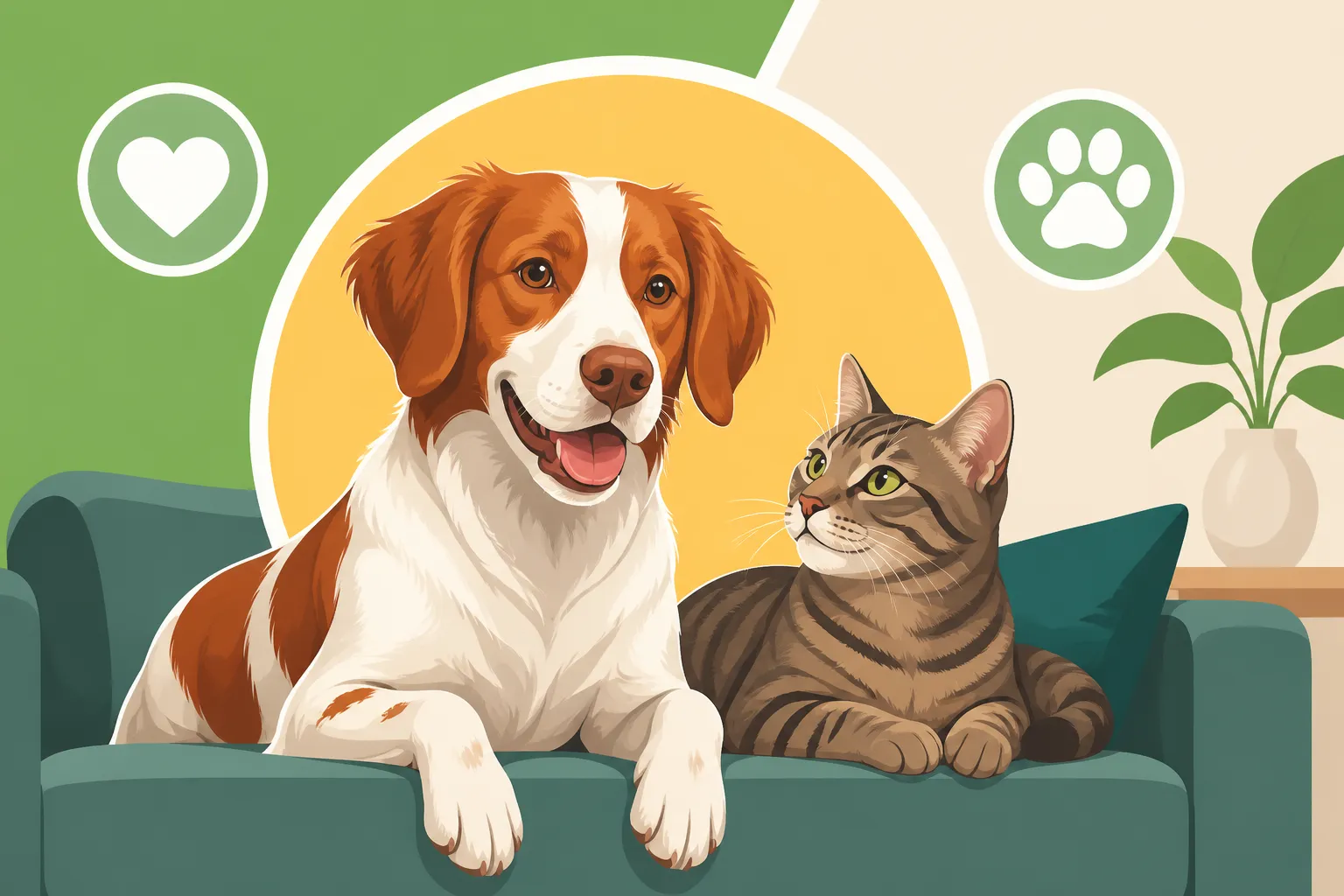
Whether a Brittany Can Live With a Cat
Bringing a new pet into your home is always an exciting time, but if you already have a beloved feline resident, the prospect of introducing a lively Brittany can feel like navigating a minefield. Many of us worry about that innate hunting instinct, wondering if our energetic bird dog can truly coexist peacefully with a quick-moving, fuzzy companion. This guide is here to walk you through the realities, challenges, and actionable strategies for fostering a harmonious household where your Brittany and your cat can not just tolerate, but perhaps even enjoy each other's company.
Understanding the Brittany's Natural Instincts
Before you even think about introducing your Brittany to a cat, it's crucial to understand the very core of what makes a Brittany, well, a Brittany. These aren't just pretty faces; they're finely tuned hunting machines, bred for generations to perform specific tasks in the field. This heritage plays a massive role in how they might perceive and interact with other animals, especially small, furry ones.
The Powerful Prey Drive of a Brittany
Let's be blunt: Brittanys have a strong prey drive. They were developed to find, point, and retrieve upland game birds, a job that requires intense focus, speed, and an instinct to pursue. When something small and fast moves across their field of vision, it triggers that deeply ingrained sequence: search, stalk, point, flush, and retrieve. A cat darting across the living room floor can look remarkably similar to a pheasant flushing from cover to a Brittany.
This isn't a flaw in their character; it's literally what they were bred to do. It's a natural, hardwired instinct, not a sign of aggression or malice. However, it does mean that living with a cat presents a unique challenge. You're asking your Brittany to override centuries of selective breeding, to understand that this particular furry creature is a housemate, not a target. This requires patience, careful management, and a profound understanding of canine behavior.
Brittany Temperament and Trainability
Despite their strong prey drive, Brittanys are renowned for being intelligent, eager to please, and highly trainable. They thrive on having a "job" to do, and consistent, positive reinforcement training can channel their energy and focus in constructive ways. They are often described as "soft" dogs, meaning they are quite sensitive to harsh corrections and respond best to gentle, encouraging methods. Yelling or physical punishment will likely shut a Brittany down and make them less receptive to learning, especially around high-value distractions like a moving cat.
Their biddability and desire to work with their human companions are significant assets when attempting to integrate them into a multi-species household. If you can consistently teach your Brittany that calm, respectful behavior around the cat earns them praise and rewards, you're halfway there. However, this also means you need to be equally consistent in your own approach, setting clear boundaries and reinforcing the desired interactions without wavering. Understanding What a Brittany's Temperament Is Really Like will give you a solid foundation.
Assessing Your Brittany and Your Cat's Personalities
A successful introduction isn't just about the dogs; it's equally about the cats! Just as every Brittany has its own quirks, so too does every feline. The key to harmonious living often lies in understanding the individual personalities involved and whether they are naturally inclined to tolerate, or even enjoy, canine company.
Evaluating Your Brittany's Potential for Coexistence
Consider your Brittany's individual history and temperament. A puppy raised with cats from a very young age, ideally before 12 weeks old, often has a much easier time adjusting. They learn early on that cats are part of the family, not game. For an adult Brittany, especially one from a strong hunting line or with a history of chasing small animals, the challenge is greater, but not impossible. Observe your Brittany's reactions to small, fast-moving objects, squirrels in the yard, or even birds outside the window. Do they become intensely focused, shake with excitement, or try to give chase? These are all indicators of a strong prey drive.
Prior socialization is also a huge factor. Has your Brittany been exposed to a wide variety of sights, sounds, and other animals in a positive way since puppyhood? A well-socialized dog is generally more adaptable and less likely to react fearfully or aggressively to new situations. If your Brittany is already well-adjusted and responds reliably to commands like "leave it" or "come," you're starting from a stronger position. If your Brittany puppy hasn't been heavily socialized yet, now is the time to start. Whether a Brittany Puppy Should Be Socialized Heavily is a great resource to explore this further.
Understanding Your Cat's Resilience and Temperament
Your cat's personality is paramount. A calm, confident, and dog-savvy cat will likely handle the presence of a Brittany much better than a timid, anxious, or elderly feline. Cats that have lived with dogs before might be more amenable, but remember that a Brittany's energy and directness can be a lot for even a seasoned cat. Look for signs of stress in your cat: hiding excessively, changes in eating or litter box habits, increased aggression (hissing, swatting), or excessive grooming. These are all signals that your cat is not coping well.
It is absolutely vital that your cat has safe, dog-free zones and escape routes. This means high perches, cat trees, shelves, or rooms where the Brittany is never allowed to enter. Cats need to feel secure and in control of their environment, knowing they can retreat at any moment. Never force interactions or allow the Brittany to corner or intimidate the cat. Their well-being should always be prioritized, as a stressed cat can develop serious health and behavioral issues.
Strategies for a Successful Introduction
Bringing a Brittany and a cat together isn't a flip-a-switch situation; it's a careful, deliberate process. Rushing it can lead to fear, stress, and potentially dangerous encounters. The goal is to create positive associations and allow both animals to adjust at their own pace.
Gradual and Controlled First Meetings
Patience is your absolute best friend here. Start with scent swapping before any visual contact. Exchange blankets or toys so they can get used to each other's smell. When you do introduce them visually, do so through a barrier, like a baby gate or a securely closed crate for the Brittany, giving the cat the freedom to approach or retreat. Keep these initial sessions very short, just a few minutes, ending on a positive note.
During these supervised meetings, keep the Brittany on a leash, ensuring you have full control. Reward your Brittany generously with high-value treats and praise for calm behavior, such as ignoring the cat or looking at you instead. Similarly, offer your cat treats and reassurance if they are showing curiosity rather than fear. You want both animals to associate the other's presence with positive experiences. Items like robust baby gates, readily available on Amazon, can be incredibly helpful for creating these safe, controlled viewing opportunities.
Management and Supervision in a Multi-Pet Household
Once you move beyond barrier introductions, never, ever leave your Brittany and cat unsupervised until you are absolutely certain they can be trusted together – and for a Brittany with a strong prey drive, that might be never. This is not a failure; it’s responsible pet ownership. When you can’t actively supervise, keep them separated. Crates are excellent tools for managing your Brittany's access and providing them a secure den.
Consistent training for your Brittany is non-negotiable. A rock-solid "leave it" command is perhaps the most important tool in your arsenal, allowing you to redirect your Brittany's attention away from the cat immediately. A reliable recall, taught through positive reinforcement, is also critical if your Brittany starts to fixate or chase. How Reliable a Brittany's Recall Is cannot be stressed enough when living with small animals. Consider enrolling in an online puppy training program like BAXTER & Bella, which offers comprehensive guidance on obedience and behavior, laying a strong foundation for managing your dog around distractions.
Reinforcing Positive Interactions and Training
Every calm interaction between your Brittany and your cat is an opportunity for reinforcement. When your Brittany lies down calmly in the same room as the cat, reward them. If the cat casually walks past the dog and the dog offers no reaction, reward them both. The goal is to teach your Brittany that ignoring the cat or behaving calmly in its presence leads to good things from you.
Avoid punishing your Brittany for showing interest, as this can create negative associations with the cat or with your presence when the cat is around. Instead, interrupt the unwanted behavior (like staring or tensing up) with a verbal cue like "look at me," and then reward for compliance. This redirects their attention to you and away from the cat without creating fear or confusion. Brittanys are sensitive creatures, and understanding How Sensitive a Brittany Is to Correction will help you immensely in this process. Keep training sessions short, fun, and frequent, reinforcing the desired behaviors repeatedly.
Creating a Harmonious Living Environment
Beyond the initial introductions, the long-term success of a multi-pet household hinges on thoughtful management of space, resources, and each animal's individual needs. It's about designing a home that allows both your Brittany and your cat to thrive without constantly competing or feeling threatened.
Providing Safe Spaces for Both Animals
Every animal in your home needs a sanctuary – a place where they can retreat and feel completely safe from the other. For your cat, this means vertical space: tall cat trees, wall shelves, or even just a high piece of furniture the dog can't reach. It also means dog-free rooms, perhaps accessed via a cat flap or baby gates with pet doors, where they can eat, sleep, and use the litter box without canine interference. Your cat's litter box, in particular, should be in a location inaccessible to the Brittany. Not only is it unsanitary for the dog to get into it, but it also deprives the cat of a private, safe space.
For your Brittany, a comfortable crate or a designated dog bed in a quiet corner can serve as their safe haven. Teach them to love their crate by making it a positive place with treats and chew toys. This way, when you need to separate them or when your Brittany needs downtime, they have a secure and comfortable spot to go to. Ensuring separate, undisturbed feeding areas is also crucial to prevent any food-related anxiety or aggression.
Managing Resources and Preventing Competition
Resource guarding can quickly sour inter-species relationships. To avoid this, ensure there are enough resources for everyone, and that they are kept separate. This means distinct food and water bowls, unique toys for each pet, and separate sleeping areas. Don't leave dog food accessible to your cat, and vice-versa, to prevent competition and potential digestive upsets.
Pay attention to playtime. While it might seem cute for them to play together, supervise any play carefully. If the Brittany's play becomes too rough or prey-driven, intervene immediately. Encourage independent play with appropriate toys. If your Brittany tends to be clingy, always following you from room to room, it might subtly assert dominance or prevent the cat from accessing you. Acknowledge this tendency, as Whether a Brittany Follows You Room to Room is common, and actively work to ensure the cat gets attention and feels secure in its interactions with you too.
Exercise and Mental Stimulation for Your Brittany
A tired Brittany is a content Brittany, and a content Brittany is far less likely to obsess over your cat. These dogs have boundless energy and a keen mind, both of which need ample outlets. They require significant daily exercise – think long runs, energetic retrieve games, or invigorating hikes. Simply letting them out in the backyard isn't enough; they need structured activity that truly tires them out physically and mentally. If a Brittany's needs aren't met, they're much more likely to invent their own entertainment, which can unfortunately involve chasing the cat.
Beyond physical exercise, mental stimulation is vital. Engage your Brittany with puzzle toys, scent work games, or consistent training sessions. This fulfills their natural drive to work and think, reducing boredom and making them less prone to fixating on the cat as their primary source of entertainment. A Brittany that is under-exercised and bored is a recipe for trouble, often leading to destructive behaviors or persistent chasing. You can learn more about this by reading What an Under Exercised Brittany Does at Home and understanding How Much Exercise a Brittany Needs Off Season. Providing them with chew toys from Amazon can also keep their mouths busy and redirect their energy.
Common Challenges and Troubleshooting
Even with the best intentions and meticulous planning, integrating a Brittany and a cat can present challenges. It's important to recognize potential issues early and know when to seek professional help or, in some cases, accept that coexistence might not be truly harmonious.
When Prey Drive Becomes an Issue
Despite all your efforts, you might find that your Brittany's prey drive is simply too strong to consistently override when faced with a living, moving cat. If your Brittany consistently chases, pins, or fixates on the cat with intense focus (known as "hard eye"), even with your interventions, it indicates a significant problem. This isn't just playful chasing; it has a serious predatory component that puts your cat at risk of injury or chronic stress.
In such cases, management becomes paramount. This might mean keeping them permanently separated when unsupervised, using gates, crates, and even separate living areas. If the situation is not improving or if the cat shows significant distress, consulting with a professional dog trainer or veterinary behaviorist is crucial. They can assess the specific dynamics, offer tailored strategies, and help you determine if true peaceful coexistence is realistically achievable for your particular animals. Sometimes, acknowledging that two animals are simply not compatible is the most responsible, albeit difficult, decision you can make for everyone's safety and well-being.
Addressing Cat Stress and Behavioral Changes
While we often focus on the dog's behavior, the cat's well-being is equally, if not more, important. Cats tend to internalize stress, and prolonged exposure to an unwanted dog can lead to significant health and behavioral problems. Watch for subtle signs of stress in your cat: over-grooming (leading to bald patches), spraying outside the litter box, changes in appetite, hiding for extended periods, aggression towards you or the dog, or a general withdrawal from family life.
If you observe these signs, it's a clear indication that your cat is not coping. You may need to increase the cat's safe spaces, further restrict the Brittany's access, or consult with your veterinarian. They can rule out medical issues and suggest strategies, including calming aids like Feliway diffusers, to help reduce your cat's anxiety. Prioritizing your cat's mental and physical health is paramount. No matter how much you want a multi-pet home, it should never come at the cost of one animal's constant fear or distress.
Compatibility Factors for Brittanys and Cats
To help visualize the factors that influence whether a Brittany and a cat can live together, here's a quick overview:
| Factor | Brittany Perspective | Cat Perspective | Outlook for Coexistence |
|---|---|---|---|
| Age at Introduction | Puppy (under 12 wks) with positive exposure has best chance. Adult is harder. | Kitten or adult cat with prior dog experience generally better. Older, timid cats struggle. | Puppy/Kitten: Good. Adult/Adult: Moderate to Difficult. |
| Prey Drive | High (typical for Brittanys). Requires significant training and management. | Fast movement triggers chase instinct. Fearful cats may run, exacerbating drive. | High Prey Drive: Difficult. Moderate Prey Drive: Moderate. |
| Temperament | Biddable, intelligent, soft, eager to please. Can learn "leave it." | Confident, dog-savvy, playful cats adapt best. Shy, anxious cats struggle. | Compatible Personalities: Good. Mismatched: Difficult. |
| Training & Management | Consistent "leave it," "stay," "come." Never unsupervised. Adequate exercise/stimulation. | Safe zones, high perches, quiet feeding areas. No forced interactions. | Excellent Management: Good. Inconsistent: Difficult. |
| Socialization | Well-socialized to various stimuli and animals from a young age. | Exposure to respectful dogs in the past can help. | Well-Socialized Pets: Good. Undersocialized: Difficult. |
| Living Space | Sufficient space for exercise, crate, and separate areas. | Ample vertical space, dog-free rooms, private litter boxes. | Spacious, Thoughtful Layout: Good. Cramped, No Retreat: Difficult. |
Successfully integrating a Brittany and a cat requires a significant investment of time, patience, and consistent effort. It's a journey of understanding their unique natures and being prepared to manage their interactions for their entire lives together. While it might seem daunting, many Brittany owners have achieved peaceful, even affectionate, cohabitation between these two wonderful species.
Disclaimer
This article is for general informational purposes only and does not constitute professional advice. Laws, prices and regulations vary by location and change over time. Consult a qualified professional for guidance on your specific situation.