Why an American Brittany Was Bred to Run Bigger
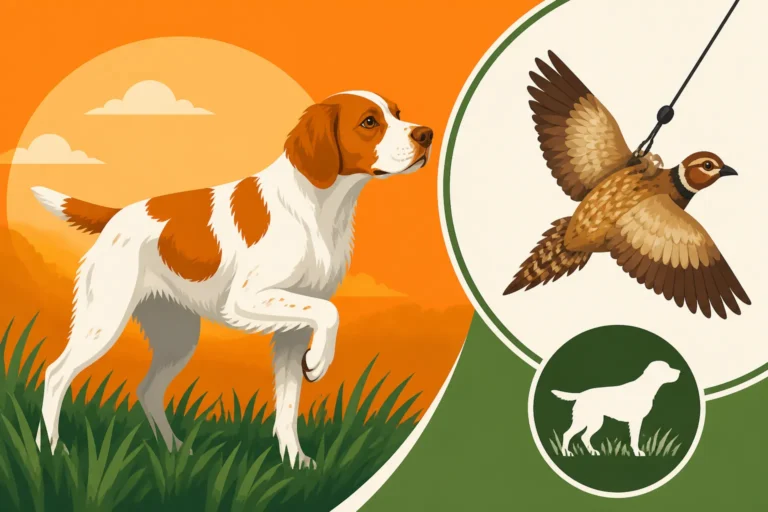
If you've ever watched an American Brittany work the field, you've probably noticed something distinct: they cover ground with an impressive, almost relentless zeal. Unlike some of their European cousins or even other pointing breeds, the American Brittany was specifically bred to range widely, stretching out across vast landscapes in search of game. This isn't just a quirky trait; it's a deeply ingrained characteristic with historical roots, functional purpose, and significant implications for anyone sharing their life with one of these incredible dogs.
The Historical Genesis of the American Brittany's Wider Range
The Brittany's journey from its origins in the hedgerow country of France to the expansive fields of North America saw a fascinating evolution in its working style. The very landscape and hunting traditions of the United States demanded a different kind of bird dog, one that could adapt and excel in vast, open spaces.
From French Hedgerows to American Prairies
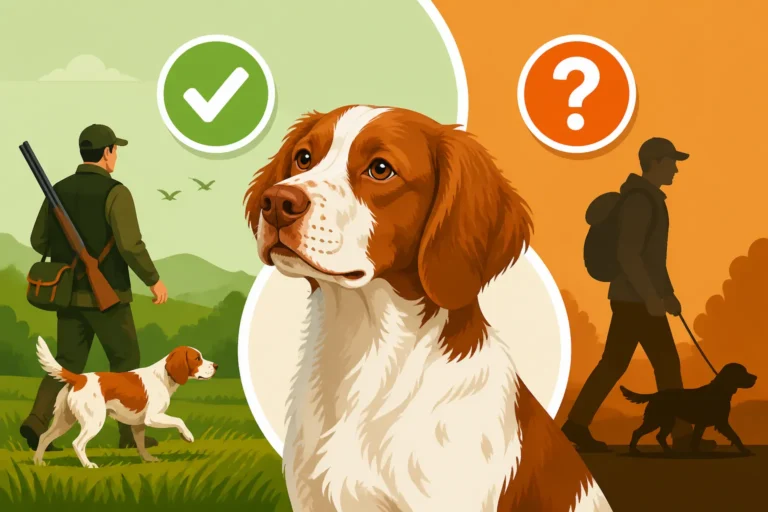
In their ancestral home of Brittany, France, these dogs, known as Epagneul Bretons, were often used by foot hunters in dense, smaller fields crisscrossed by hedgerows and woods. The emphasis was on a closer working dog, one that would naturally stay within gun range of a walking hunter, systematically covering a more confined area. This made perfect sense in a region where grand, sweeping plains were less common. A dog that ranged too far would quickly disappear into the thick cover or across a property line. Their heritage was about efficiency in a smaller footprint.
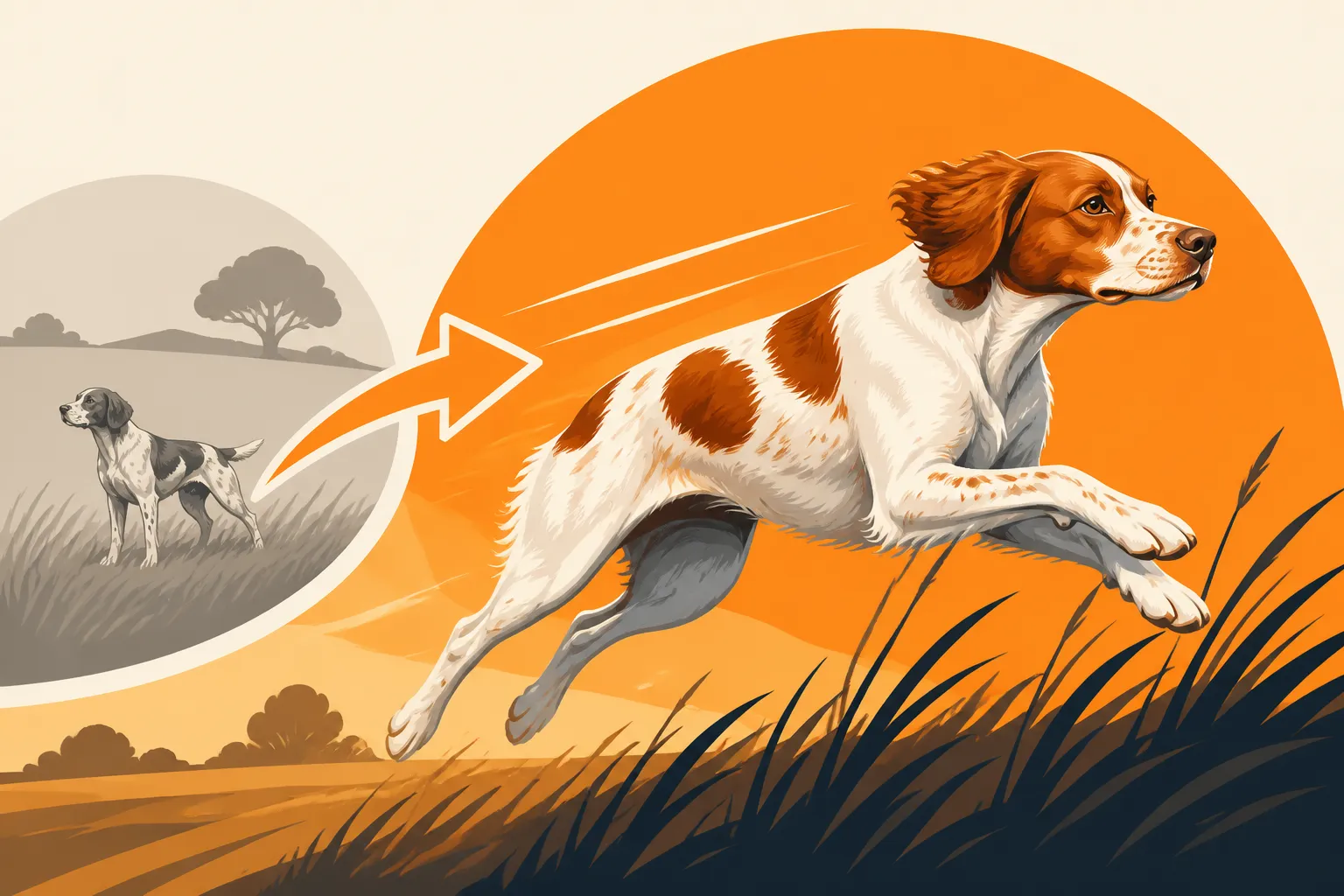
However, when the breed made its way across the Atlantic, particularly into the American Midwest and Western states, hunters encountered an entirely different paradigm. Think endless CRP fields, vast tracts of public land, and sprawling grain stubble where pheasants and quail could be miles apart. A dog that worked too close in these conditions would simply not cover enough ground to locate birds efficiently. American hunters, often on horseback or covering immense distances on foot, needed a partner capable of sweeping large areas to find game. This environmental shift naturally selected for dogs with a stronger desire to extend their search. The Brittany found itself in a new land with new demands, and its working style began to shift accordingly.
The Influence of American Field Trial Culture
Perhaps the most significant driver behind the American Brittany's wider range was the burgeoning field trial culture in the United States. American field trials, especially those designed for pointing breeds, traditionally valued a "big running" dog. Competitors sought dogs that could demonstrate incredible stamina, speed, and intelligence by covering massive amounts of territory in a relatively short time, all while maintaining control and finding birds. A dog that could make huge casts, gracefully sweeping hundreds of yards ahead, was often rewarded.
This emphasis on expansive range became a hallmark of the American Brittany field trial circuit. Breeders began to select for dogs that naturally exhibited this trait, favoring those with the physical prowess and mental drive to run bigger. Over generations, this selective breeding solidified the American Brittany's reputation as a dog with a powerful forward drive and a willingness to extend its search far beyond the close-working style of its European relatives. It wasn't just about hunting; it was about performing at an elite competitive level, which further amplified the trait. If you've ever watched a national championship, you see dogs that disappear over distant hills, relying on their handler's whistle and GPS to stay connected. An American Brittany Ranges Wide and a French One Stays Close details these differences further.
Breeding Philosophy and Standards: A Divergence
The differing environments and hunting cultures eventually led to a divergence in the breeding philosophies and even the official standards between American Brittanys and their French counterparts, the Epagneul Bretons. This split, explored in depth in American Brittany and Epagneul Breton Went Separate Ways, wasn't just about aesthetics; it was fundamentally about how the dog was expected to perform in the field.
AKC vs. French Standards for Range
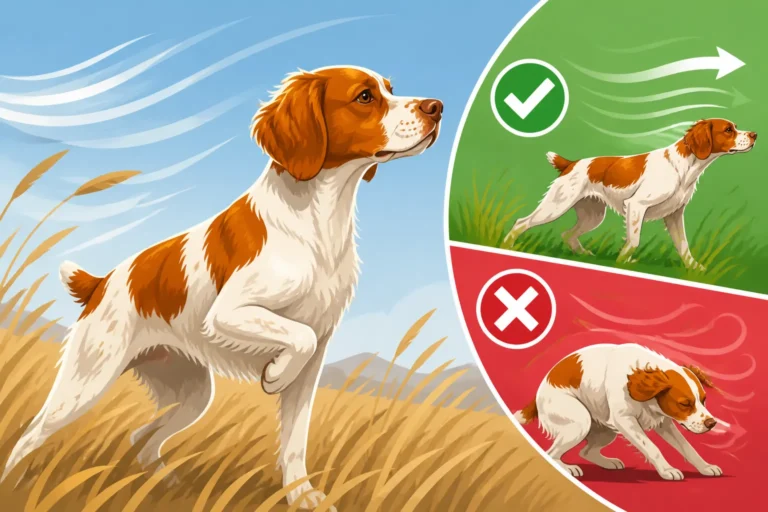
The American Kennel Club (AKC) standard, influenced by the needs of American hunters and field trialers, implicitly encourages a dog with a robust, wide-ranging search pattern. While it doesn't explicitly state "must run 400 yards," the breed's description and the judging criteria in field events reward dogs that cover ground with enthusiasm and independence. The expectation is that a Brittany will actively seek out birds, making wide casts, and utilizing the wind to its advantage. This focus on covering large areas efficiently became a core component of what defined a "good" American Brittany.
Conversely, the French breed standard for the Epagneul Breton tends to emphasize a closer-working dog, suitable for the foot hunter and smaller, more varied European terrain. While still a bird dog with drive, the ideal French Brittany is often described as hunting within a more confined radius, maintaining consistent contact with its handler. The French system, particularly through trials like the Gibier Sauvage (wild game trials), evaluates a dog's ability to methodically search a given area without losing contact or ranging excessively. This difference in desired range is a key distinction between the two types of Brittanys and profoundly shapes how they are bred and trained. How Far an American Brittany Ranges and How Close a French Brittany Hunts illustrate these distances.
The Hunter's Preference: A Driving Force
Beyond official standards, the personal preferences of American hunters also played a massive role. Many American upland hunters value a dog that can quickly quarter a field, cutting across vast areas to find birds faster. For those covering many miles in a day, whether on foot or horseback, a dog that efficiently covers ground is a distinct advantage. The image of a Brittany making a bold, sweeping cast, then slamming into an unshakeable point hundreds of yards away, is deeply ingrained in the American bird hunting psyche.
This preference naturally led breeders to prioritize traits that contributed to this working style: strong prey drive, exceptional stamina, a keen nose for scenting birds at a distance, and the intelligence to work a cover effectively without needing constant direction. The modern American Brittany is a testament to generations of selective breeding aimed at producing a canine athlete perfectly suited to the vast and varied hunting landscapes of North America.
Practical Implications for American Brittany Owners
Understanding why your American Brittany wants to run bigger is crucial for successful ownership, whether you're a seasoned hunter or simply an active companion. This inherent drive shapes everything from training methods to daily exercise needs and the equipment you'll find indispensable.
Training for Control and Communication
Because American Brittanys have such a strong inclination to range, consistent and effective training from a young age is paramount. A "big running" dog still needs to be responsive to its handler, even when far afield. This means a heavy emphasis on recall and directional commands. You'll spend a lot of time teaching your Brittany to check in, come when called, and respond to whistle commands, even when a tantalizing scent is beckoning them over the next hill.
Positive reinforcement is key with these sensitive dogs, as shouting or harsh corrections can make a Brittany shut down or become less willing to engage. Resources like BAXTER & Bella's online puppy training courses can be incredibly helpful for establishing a strong foundation of communication and obedience, essential for managing a dog with such an expansive work ethic. You want your Brittany to want to work with you, not just for itself. Teaching a Brittany to Hunt for the Gun is all about building this partnership.
| Training Aspect | Importance for Wide-Ranging Brittany | Why It Matters |
|---|---|---|
| Recall (Come command) | Critical | Ensures dog returns from distance, preventing loss or dangerous situations. |
| "Whoa" or "Hup" | Essential | Freezes the dog on point, allowing the hunter to approach for the flush. |
| Directional Commands | High | Guides the dog to new cover, allowing the hunter to influence the search pattern. |
| Check-ins | Important | Encourages regular return to visual/auditory contact, maintaining connection. |
| Gun Introduction | Careful and Gradual | Prevents gun shyness in a highly sensitive breed that will be around shots. |
Essential Gear for the Field
Managing a wide-ranging American Brittany in the field requires more than just good training; it often necessitates specific gear designed to keep track of them and ensure their safety.
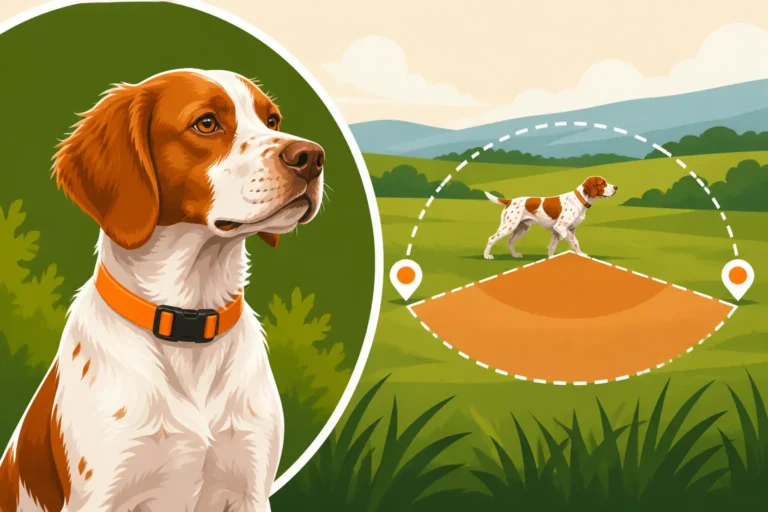
A GPS collar is practically non-negotiable for many American Brittany owners. These devices allow you to see your dog's exact location, even when they're out of sight, helping you monitor their range and quickly locate them if they get into trouble or become disoriented. Brands available on platforms like Amazon offer various reliable GPS tracking systems that integrate with handheld devices or smartphones. What a GPS Collar Costs a Brittany Owner might surprise some new owners, but it's an investment in peace of mind.
E-collars (electronic collars) are another common tool, used not for punishment but for consistent and long-distance communication. With proper, humane training, an e-collar can reinforce commands like recall or "whoa" even when your dog is hundreds of yards away. They provide a precise, undeniable "tap on the shoulder" that can be invaluable for controlling a dog with a powerful forward drive. However, it's crucial to understand how to use them correctly and compassionately; a poorly introduced e-collar can do more harm than good to a sensitive Brittany. Whether a Brittany Needs an E Collar is a debate worth having.
Finally, a good quality check cord, often 30-50 feet long, is indispensable for early training. It allows you to practice recall and directional commands in open spaces while still maintaining physical control before your dog earns full off-leash privileges. You can find excellent options on Amazon.
Exercise Needs and Lifestyle Considerations
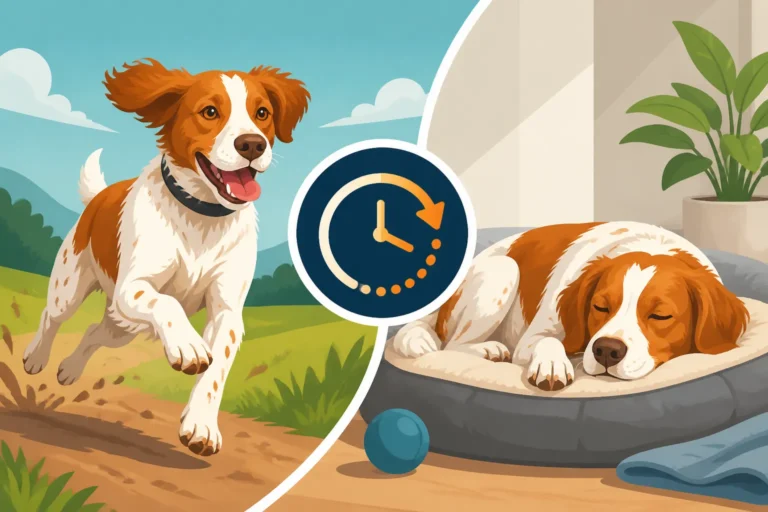
The desire to run big isn't limited to hunting season. American Brittanys need a significant amount of exercise year-round to be happy, well-adjusted companions. Simply walking around the block won't cut it for a dog bred to cover miles of open country. Without adequate physical and mental stimulation, a Brittany can quickly become bored, anxious, and destructive indoors. What an Under Exercised Brittany Does at Home is a prime example of what happens when these needs aren't met.
Daily opportunities for vigorous exercise, such as long runs, hikes, or off-leash play in safe, fenced areas, are crucial. Many Brittany owners find that activities like dock diving, agility, or even advanced obedience classes help channel their dog's energy and intelligence. If you're a foot hunter, you'll need to be prepared for a substantial workout yourself to keep up with your Brittany. For those who hunt from horseback, the wide-ranging nature of the American Brittany is a distinct advantage, as they can cover ground commensurate with a mounted hunter. Whether an American Brittany Suits Horseback Trials explores this compatibility.
Ultimately, the American Brittany's genetic predisposition to run bigger is a beautiful testament to its working heritage. Embracing this characteristic, rather than fighting it, through thoughtful training, appropriate gear, and a commitment to their exercise needs, will lead to a more fulfilling partnership with this exceptional bird dog. How to Bring a Wide Running Brittany In offers practical advice for managing their range.
Disclaimer
This article is for general informational purposes only and does not constitute professional advice. Laws, prices and regulations vary by location and change over time. Consult a qualified professional for guidance on your specific situation.