What a GPS Collar Costs a Brittany Owner
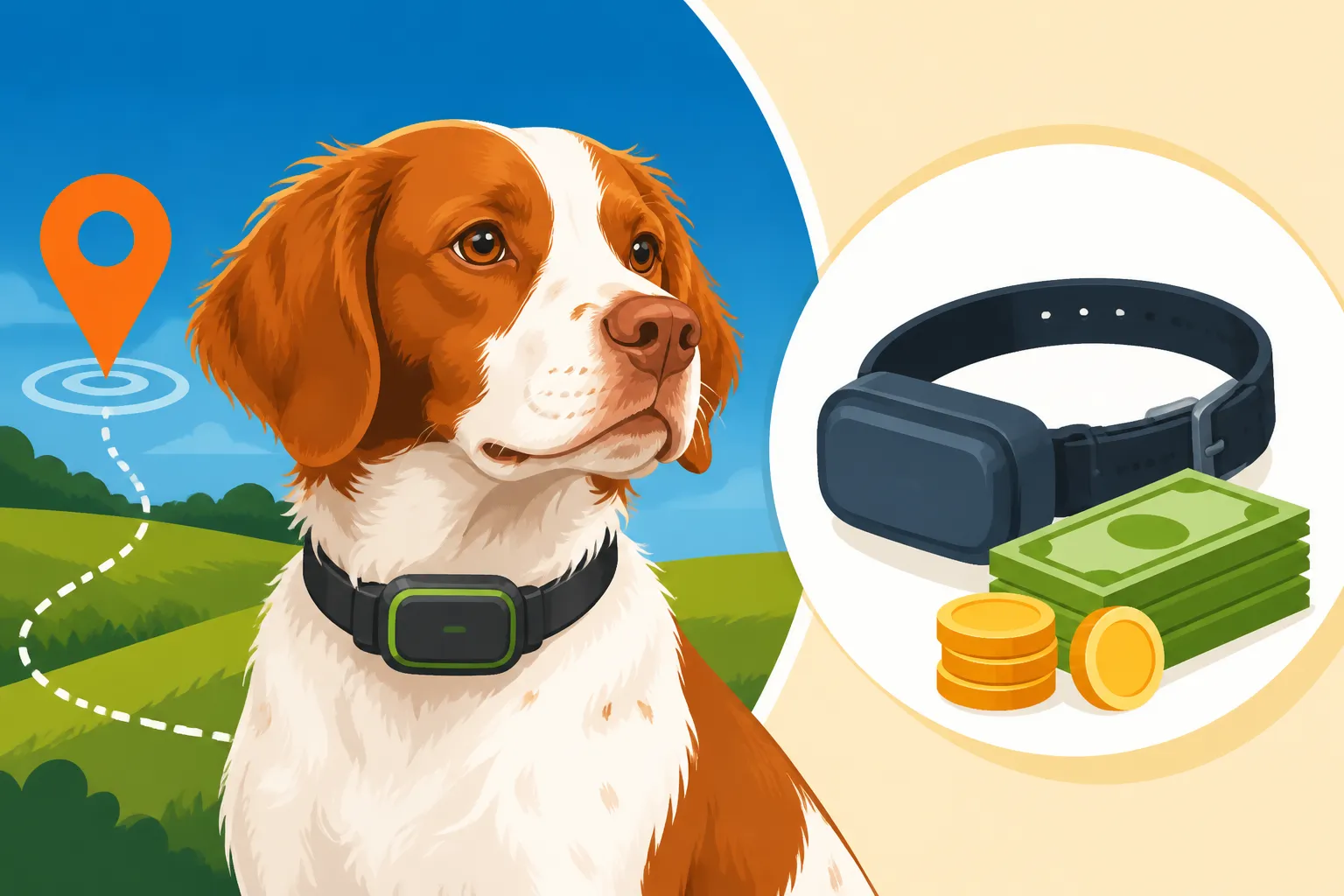
There's nothing quite like the heart-stopping moment when your Brittany, caught up in the exhilarating scent of a bird, disappears over a rise or plunges deep into thick cover. That brief flash of panic is a feeling many of us know all too well. While solid training is paramount, modern technology offers an incredible safety net, and for many Brittany owners, a GPS collar has become an indispensable piece of gear. This guide will walk you through what you can expect when considering the investment in a GPS collar for your beloved Brittany, exploring the different types, their associated costs, and what factors truly influence the price tag.
Why a GPS Collar Is More Than Just a "Nice to Have" for a Brittany
For a dog bred to cover ground and find game, a Brittany's wanderlust is part of its charm and its purpose. But that same instinct, coupled with their intelligence and drive, can lead them far from your sight. A GPS collar isn't about replacing good training; it's about adding a layer of security that can make the difference between a stressful search and a swift reunion.
The Brittany's Inherent Drive and Range
Brittanys are athletes, bred for endurance and an insatiable desire to hunt. They have a powerful nose and will follow a scent with single-minded determination. An American Brittany, in particular, is known for its wide-ranging style in the field, often covering vast distances quickly. It's truly a sight to behold, but it can also put miles between you and your dog in a surprisingly short amount of time, especially if they hit a strong scent trail. Even a French Brittany, known for working closer, can get disoriented in unfamiliar territory or dense cover, making the need for accurate tracking critical. We often talk about How Far an American Brittany Ranges or How Many Yards a French Brittany Works because understanding their natural tendencies is key to keeping them safe. This innate drive means they might not always check in as frequently as you'd like, especially when they are "birdy."
Imagine being out in expansive prairies or dense timber, and your dog makes a huge cast, vanishing from view. While a good recall command is vital, even the most well-trained Brittany can get temporarily confused or distracted. A GPS collar doesn't just show you where they were; it shows you where they are, in real-time, giving you crucial information to guide your recovery efforts. It's about respecting their drive while mitigating the risks that come with it.
Peace of Mind in Diverse Terrain
From open fields and rolling hills to thick forests and dense marshlands, Brittanys thrive in varied environments. However, these same environments, while perfect for hunting, can also be challenging for keeping tabs on your dog. Tall grasses can hide a crouching point, dense brush can obscure a dog on a retrieve, and undulating terrain can make visual tracking nearly impossible. A conventional beeper collar can tell you if your dog is on point, and roughly where the sound is coming from, but it can't tell you the precise coordinates or direction in real-time.
A GPS collar steps in where traditional methods fall short. It's particularly useful in areas with poor visibility or when hunting near roads, private property, or other hazards. Knowing the exact location of your dog, whether they're on point or just exploring, can save you hours of anxious searching. It also helps you steer them clear of dangerous situations, like a busy road or an unmarked property line, allowing you to focus on the hunt rather than constantly scanning the horizon for a flash of orange and white.
The Cost of a Lost Dog Emotional and Financial
Losing a dog, even for a short time, is an incredibly stressful experience. The emotional toll of not knowing where your best friend is, whether they're safe, or if you'll ever see them again, is immense. Beyond the emotional anguish, there can be significant financial costs associated with a lost dog. Think about the resources spent on creating flyers, placing ads, or even hiring professional search teams. There's also the potential for vet bills if your lost dog gets injured or sick while away. A dog could get hit by a car, tangle with wildlife, or ingest something harmful.
While no device guarantees a dog won't get lost, a GPS collar significantly increases the chances of a quick recovery, potentially preventing many of these harrowing scenarios. Consider the peace of mind worth the investment. It's also worth thinking about what a GPS collar adds to your overall preparedness, much like What a Brittany's First Aid Kit for a Brittany Should Hold for on-the-spot care. In the worst-case scenario, if your dog does encounter an accident or injury while lost, the ability to find them quickly could be life-saving and drastically reduce the vet expenses related to something like What a Brittany's Field Injuries Cost in a Season. Some pet owners even have insurance policies from providers like Healthy Paws that might cover accident-related vet care, but finding your dog swiftly is always the first priority.
Understanding the Types of GPS Collars Available
The world of GPS collars for dogs has evolved dramatically, offering a range of options to suit different needs and budgets. It's not a one-size-fits-all solution, and understanding the main categories can help you narrow down what's best for your Brittany.
Dedicated GPS Tracking Devices
These collars are designed purely for tracking your dog's location. They often consist of a compact, rugged GPS unit that attaches to a standard collar or is integrated into a specialized collar. Their primary function is to transmit your dog's coordinates to a handheld device or a smartphone app. Many dedicated systems boast impressive range, which is critical for a wide-ranging Brittany. They usually operate on cellular networks or proprietary radio frequencies, with the latter often being favored by hunters in areas with spotty cell service.
These trackers typically prioritize durability, battery life, and accuracy. You'll find models that are waterproof, shock-resistant, and built to withstand the rigors of hunting in tough terrain. Some even offer geofencing features, allowing you to set virtual boundaries and receive alerts if your Brittany crosses them. When browsing options, you might find a good selection of these types of tracking collars on retailers like Chewy.
GPS Integration with E-Collars
For many hunting dog owners, combining GPS tracking with electronic stimulation (e-collar) functionality is the ideal solution. These integrated systems allow you to not only track your dog's exact location but also deliver training commands (tone, vibration, or static stimulation) from the same handheld device. This streamlines your gear, as you only need one device and one collar for both tracking and remote training. The convenience of this combination is a huge draw for those who utilize e-collars as part of their training regimen.
The advanced nature of these combined units often means a higher upfront cost, but the value lies in their dual functionality. They are particularly popular for teaching commands like "whoa" or refining recall, enhancing How Reliable a Brittany's Recall Is even from a distance. While some people question Whether a Brittany Needs an E Collar at All, for active hunters, the ability to track and communicate remotely can be invaluable for safety and effective training in the field.
Hybrid Systems and Advanced Features
Beyond the basic tracking and e-collar combinations, some manufacturers offer hybrid systems with even more advanced features. These might include:
- Beeper modes: Some GPS collars also integrate a beeper, allowing you to hear if your dog is on point, even if you can't see them on the screen.
- Bark detection: Units that can tell you if your dog is barking, which can be useful if they're treed or need assistance.
- Activity monitoring: Similar to fitness trackers, some collars can log your dog's activity levels, distance traveled, and even sleep patterns. While perhaps not essential for hunting, it can be interesting data for overall health monitoring.
- Multiple dog tracking: Most advanced systems allow you to track several dogs simultaneously from a single handheld unit, which is a must for those running multiple Brittanys or a brace.
- Mapping capabilities: High-end systems often come with preloaded topographic maps, satellite imagery, or the ability to download custom maps, providing superior situational awareness in unfamiliar areas.
- Rescue modes: Features designed to conserve battery when the dog is stationary or hasn't moved for a while, extending tracking time during a prolonged search.
These advanced features naturally come with a higher price tag but can offer significant benefits depending on your specific hunting style and local terrain. They aim to cover almost every scenario you might encounter while out in the field.
Decoding the Costs Associated with GPS Collars
When you start looking at GPS collars, it quickly becomes clear that it’s not just a one-time purchase. There are several components to the overall cost, and understanding each one will help you budget effectively for this crucial piece of gear. It’s a bit like buying a new phone; there’s the device itself, and then there’s the service plan to make it work.
Initial Hardware Investment
The most immediate cost you'll encounter is the price of the GPS collar unit itself, along with any associated handheld receiver. This initial investment can vary wildly based on the brand, the features offered, and whether it’s a standalone tracker or an integrated e-collar system. Simple, dedicated GPS trackers that rely solely on cellular service and a smartphone app tend to be at the lower end of the spectrum, but they are dependent on good cell coverage.
On the other hand, the more robust, professional-grade systems designed for serious hunters, especially those that combine GPS tracking with e-collar functions and proprietary radio technology, will naturally command a higher price. These often include a durable handheld device that can track multiple dogs and display detailed mapping. Think of it as investing in a specialized tool for your specific activity. For a Brittany owner who regularly takes their dog into diverse and potentially remote hunting grounds, this higher upfront cost is often seen as a necessary expense for safety and training effectiveness.
Subscription Fees and Service Plans
Many GPS collars, particularly those that utilize cellular networks (like the same networks your phone uses), require a monthly or annual subscription fee. This fee covers the data usage that allows the collar to communicate its location to your phone or tracking device. Without an active subscription, the collar may not function at all, or its capabilities might be severely limited. The cost of these plans can vary based on the provider, the length of the contract, and the features included (e.g., unlimited tracking, international roaming, extended warranty).
Some systems use proprietary radio frequencies or satellite communication, which may not have ongoing monthly fees in the same way cellular plans do, but the initial hardware cost for these might be significantly higher to compensate. It's crucial to factor these recurring costs into your budget, as they can add up over the lifespan of the collar. Always check the terms and conditions carefully before purchasing, so you understand the total cost of ownership over time.
Accessories and Replacement Parts
Just like any piece of equipment you rely on regularly, GPS collars may require accessories or replacement parts over time. These aren't usually massive expenses, but they contribute to the overall cost. Common accessories include:
- Extra collar straps: These can wear out, get chewed, or become stained from field use.
- Charging cables or docks: Essential for keeping your units powered up.
- Replacement batteries: While many units have long-lasting rechargeable batteries, over several years, their capacity can diminish, and a replacement might be needed.
- Antennas: If your unit has an external antenna, it could be damaged in heavy cover.
- Screen protectors or cases: For handheld devices, these can help protect against drops and scratches in the field.
Considering the rough and tumble life of a hunting Brittany, it’s wise to anticipate these smaller, intermittent costs. A quick glance on sites like Chewy will show you a variety of accessories available, allowing you to maintain your system effectively. Sometimes, having a backup charging cable or an extra collar strap can prevent a hunt from being cut short due to minor equipment failure.
Factors Influencing the Price of a GPS Collar System
Understanding why some GPS collars cost more than others can help you make an informed decision that balances your needs with your budget. Several key factors contribute to the varying price points you'll see on the market.
Brand and Technology
Just like with any electronics, brand reputation and the underlying technology play a huge role in pricing. Well-established brands in the sporting dog world often have a proven track record of reliability, durability, and customer support, which can translate to a higher price. These companies invest heavily in R&D to develop more accurate GPS modules, longer-lasting batteries, and more intuitive user interfaces. Their technology might offer superior signal strength in challenging environments or faster update rates, which is crucial when tracking a fast-moving Brittany.
Newer, less-known brands might offer more budget-friendly options, but it's important to research their reliability and customer service thoroughly. While they might use similar core GPS technology, differences in build quality, software optimization, and customer support can significantly impact your experience in the long run. Sometimes, paying a bit more upfront for a reputable brand means greater peace of mind and fewer headaches down the line.
Feature Set and Durability
The more features a GPS collar system boasts, the higher its price is likely to be. A basic GPS tracker that simply shows your dog's location will cost less than a system that also includes e-collar functions, bark detection, geofencing, multi-dog tracking, and detailed mapping. Each additional feature adds complexity and components, increasing manufacturing costs. For example, a system with preloaded topographic maps will be more expensive than one that relies on basic satellite imagery through a smartphone app.
Durability is another significant factor. Hunting dog equipment needs to be tough. Collars designed to withstand submersion in water, extreme temperatures, impacts from dense brush, and general rough handling will typically be constructed from higher-grade materials and engineering, leading to a higher price. These robust designs are essential for a Brittany that might crash through heavy cover or retrieve from icy water. Investing in a durable unit can save you money in the long run by reducing the need for frequent replacements or repairs.
Coverage Area and Battery Life
The geographical coverage area and the battery life of a GPS collar are critical considerations, especially for hunters who venture into remote areas. Systems that operate on proprietary radio frequencies often boast excellent range in open terrain, sometimes extending for several miles, and don't rely on cellular service. This makes them ideal for truly off-grid hunting but can come at a premium price. Cellular-based trackers, while often more affordable upfront, are limited by cellular network availability, which can be spotty in wilderness areas. Satellite-based trackers offer global coverage but typically have the highest price point and potentially higher subscription fees.
Battery life is another crucial differentiator. A collar that can last for 20-40 hours on a single charge is far more valuable on a multi-day hunting trip than one that needs recharging every 8-10 hours. Longer battery life often requires more advanced battery technology and power management systems, which can increase the unit's cost. For a dog like a Brittany that covers a lot of ground and can be out for extended periods, reliable, long-lasting battery performance is a feature worth investing in. After all, if the battery dies, the collar is just a fancy ornament.
Making the Right Choice for Your Brittany and Your Budget
Choosing the right GPS collar isn't just about the price tag; it's about finding the best fit for your specific lifestyle, your Brittany's needs, and the environments you'll explore together. It’s a balance, and sometimes the cheapest option isn’t the most economical in the long run.
Assessing Your Hunting Style and Environment
Before you even start looking at prices, take a moment to honestly assess how and where you typically hunt with your Brittany. Do you primarily hunt on private land with reliable cell service, or do you venture deep into vast public lands where signals are nonexistent? If you're a foot hunter working dense cover, a closer-ranging French Brittany might benefit from a system that prioritizes precise, short-range tracking with mapping. If you're horseback hunting across wide-open prairies with an American Brittany that covers huge distances, a system with maximum range and a clear, easy-to-read handheld map becomes paramount.
Consider the terrain: is it mostly flat or heavily wooded? Will your dog be crossing water frequently? These factors will dictate the level of durability, waterproofing, and signal strength you need. For example, Whether a Brittany Needs a Tracking Collar in Heavy Cover is a common question, and the answer is usually a resounding yes, making robust signal penetration a key feature to look for. Think about your actual usage scenarios rather than just what sounds good on paper.
Balancing Features with Affordability
It’s easy to get drawn into the allure of every possible feature, but each one often adds to the cost. The trick is to identify the essential features for your needs and then look for the most affordable option that provides them. Do you absolutely need an integrated e-collar, or are you comfortable with a separate training collar and a dedicated GPS unit? Many handlers prefer the all-in-one convenience, but if budget is tight, splitting the functions might save you money.
Create a list of your non-negotiables (e.g., waterproof, specific range, multi-dog capability) and then a list of "nice-to-haves" (e.g., bark detection, advanced mapping). Compare systems based on how well they meet your essential criteria within your budget. Remember, the goal is safety and peace of mind, not necessarily owning the most expensive gadget. Sometimes, a well-regarded mid-range option offers the best value.
Where to Find Good Deals and Reliable Support
Once you know what you're looking for, it's time to shop around.
- Online Retailers: Large online pet supply retailers like Chewy often carry a wide selection of GPS collars and accessories. They frequently have sales, customer reviews, and detailed product descriptions that can help you compare options.
- Specialty Sporting Dog Retailers: Stores that cater specifically to bird dog enthusiasts are excellent resources. Their staff often have firsthand experience with different systems and can offer tailored advice.
- Manufacturer Websites: Buying directly from the manufacturer can sometimes give you access to exclusive bundles, warranties, or the latest models.
- Used Market: For those on a very tight budget, checking reputable used gear sites can sometimes yield good deals, but exercise caution. Ensure the unit is in good working order, isn't linked to a previous owner's account, and that any required subscriptions can be transferred or started anew.
Beyond the initial purchase, consider the ongoing support. What kind of warranty does the product come with? Is customer service easily accessible if you have issues? How easy is it to get replacement parts? Good support can be invaluable, especially if you encounter a technical glitch right before opening day.
Beyond the Collar: Other Considerations for Brittany Safety
While a GPS collar is a phenomenal tool for keeping track of your Brittany in the field, it's part of a larger picture of responsible dog ownership and safety. Technology is an aid, not a replacement for fundamental care and training.
Training and Recall Importance
Let's be clear: a GPS collar should never be a substitute for thorough training, especially a rock-solid recall. No matter how advanced the technology, the ability to call your Brittany back to you, even when distracted by birds or scent, is the ultimate safety net. We've talked about How Reliable a Brittany's Recall Is for a reason – it's crucial. Start recall training early, make it fun and rewarding, and practice it in increasingly distracting environments. A 50-foot check cord is an invaluable tool for teaching reliable recall before you ever venture off-leash, and What a Fifty Foot Check Cord Costs a Brittany Owner is a small investment for such a critical skill.
The GPS collar acts as a backup, a way to find your dog if the training does fail or if an unforeseen circumstance arises. It allows you to track and guide yourself to them, but the ideal scenario is always that your dog comes when called. Consistent training builds that vital connection and ensures your Brittany understands its job, both in the field and at home.
Microchipping and ID Tags
Think of microchipping and ID tags as the essential, low-tech layers of identification that complement your high-tech GPS collar. A microchip, implanted by a veterinarian, provides permanent identification that can be read by a scanner at almost any shelter or vet clinic. It’s effective even if a collar comes off or is damaged. Ensure your microchip registration details are always up to date with your current contact information.
ID tags, attached directly to your Brittany's collar (perhaps even on the GPS collar itself), offer immediate visual identification. They should include your name, phone number, and perhaps a note about your dog being a "working dog" or having a medical condition. While a GPS collar helps you find your dog, an ID tag or microchip helps someone else return your dog to you if they find them first. These are simple, inexpensive steps that provide critical backup.
Pet Insurance and Emergency Preparedness
Owning a Brittany, especially one that hunts, means being prepared for unexpected situations. Even with the best training and tracking devices, accidents can happen. A dog could wander onto a busy road, encounter a wild animal, or suffer an injury in dense cover. This is where pet insurance, like policies offered by Healthy Paws, can provide a financial safety net. Understanding Whether Insurance Covers a Brittany's Hunting Injuries is important for managing potential vet costs. While the monthly cost of a policy from Healthy Paws is an added expense to consider in What a Brittany Costs Over Its Lifetime, it can mitigate the financial impact of large, unforeseen veterinary bills that can arise from accidents or sudden illnesses.
Beyond insurance, having a solid emergency plan is key. Know the location of the nearest emergency vet clinic to your hunting grounds. Carry a basic first aid kit for dogs. Make sure your Brittany is always well-hydrated, especially on hunts, and know How Much a Brittany Should Drink on a Hunt. Being prepared means you can act quickly and decisively if your dog is ever lost or injured, maximizing the chances of a positive outcome.
Disclaimer
This article is for general informational purposes only and does not constitute professional advice. Laws, prices and regulations vary by location and change over time. Consult a qualified professional for guidance on your specific situation.