Whether a Brittany Adjusts Its Range to Cover
One of the most common frustrations for bird dog owners is when their otherwise brilliant hunting partner doesn't seem to grasp the concept of adjusting their cast to the environment. You might find yourself wishing your Brittany would tighten up in thick cover or stretch out more in open fields. This guide will dive deep into whether Brittanys naturally adapt their range to different types of cover, what influences this behavior, and how you, as their handler, can help them become the most efficient hunting machine possible, regardless of the terrain.
Understanding the Brittany's Natural Ranging Instinct
Brittanys, whether American or French, are bred to hunt birds. This isn't just a hobby for them; it's a fundamental part of their DNA. Their natural inclination is to cover ground, find scent, and hold point with intensity. However, the way they cover ground, or their "range," is influenced by both their genetics and their training. It's a dance between instinct and learned behavior.
The Breed's Purpose and Innate Desire to Hunt
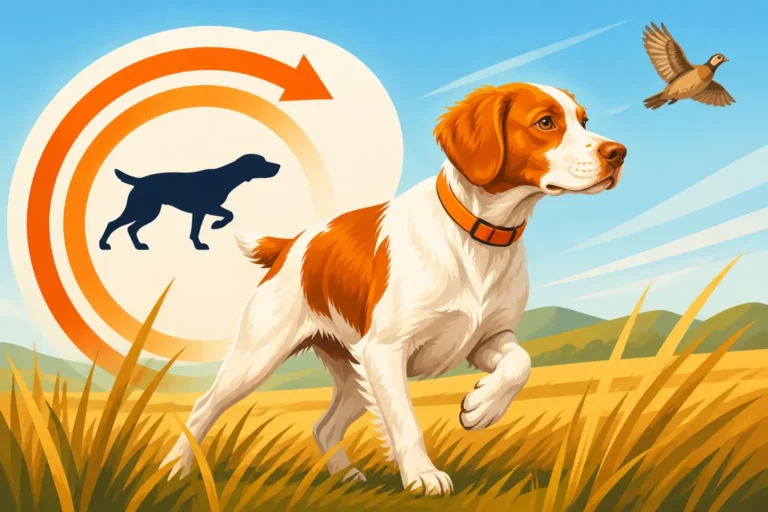
The Brittany was specifically developed to be an efficient bird-finding machine, primarily for upland game. This means they are naturally inclined to quarter, using the wind to pick up scent and sweep through an area to locate birds. This innate desire to hunt is powerful, and it drives their ranging behavior. They want to find birds, and they'll adjust their movements to do so effectively. However, what we perceive as effective isn't always what they instinctively do, especially without guidance. A wild, unguided Brittany might range too wide in thick woods, wasting energy, or too tight in open fields, missing potential birds. The purpose of the breed dictates a certain level of independence, but also a desire to work with their handler.
Think about the history of the breed. They were often the dog of the walking hunter, expected to cover ground efficiently without needing a horse to keep up. This means they needed enough range to find birds in varied terrain, but not so much that they'd disappear over the horizon. There's a sweet spot, and understanding that balance is key to working with your Brittany. Their inherent bird drive is a huge asset, but it also needs to be channeled correctly for different conditions. An American Brittany Ranges Wide and a French One Stays Close is a great starting point for understanding these inherent differences.
Factors Influencing a Brittany's Natural Range
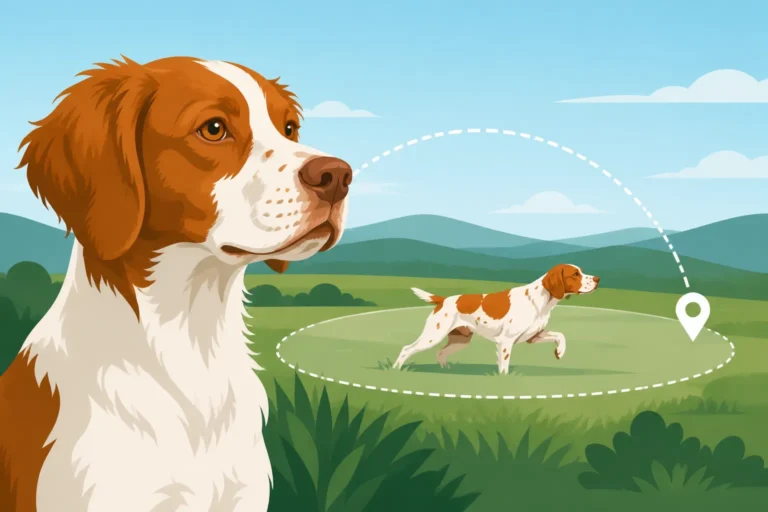
A Brittany's natural range isn't a fixed measurement; it's dynamic. Several factors play into how far out they'll cast. Genetic lines are a huge one. As mentioned, American Brittanys are often bred for a wider cast, suitable for expansive fields, while French Brittanys tend to work closer, perfect for denser cover or a walking hunter. Beyond genetics, a dog's individual personality plays a role – some are naturally bolder and more independent, while others prefer to stay closer to their handler. A dog's physical conditioning also matters; a fit Brittany can maintain a wider, more consistent range for longer.
The amount of cover available, bird scent concentration, and wind conditions also heavily influence how a Brittany chooses to range. If there's a strong scent cone in a small area, they might naturally tighten up. If the wind is inconsistent, they might open up their cast to better catch scent. Experience is another critical factor. An experienced Brittany, through years in the field, learns to read the conditions and adapt, often without explicit instruction, which is truly a beautiful thing to witness. This isn't just about how far they run; it's about the efficiency of their run.
How Cover Influences a Brittany's Hunt
The type of cover a Brittany is hunting in is perhaps the most significant environmental factor dictating their optimal range. What works beautifully in a vast CRP field will be utterly inefficient in a dense woodlot or a swampy cattail marsh. A good Brittany learns to adjust, and a great handler teaches them how to adjust.
Adapting to Open Fields vs. Dense Woods
In open fields – think rolling grasslands, stubble fields, or open prairie – a Brittany's natural tendency is to stretch out and cover ground efficiently. A wide cast of How Many Yards an American Brittany Runs Out might be perfectly appropriate here, allowing them to quarter broadly and pick up scent from distant birds. The handler can easily keep them in sight, and the dog has ample space to work the wind effectively. In these environments, you want a dog that can eat up ground, but still check in frequently enough so you know they haven't gone on a solo adventure.
However, throw that same dog into dense woods, heavy brush, or thick conifer plantations, and a wide cast becomes a detriment. Here, you need a dog that works much closer, perhaps a range more akin to How Close a French Brittany Hunts. In such cover, visibility is limited, sound doesn't travel far, and scent pools can be tricky. A wide-ranging dog will quickly disappear, potentially bumping birds out of range or getting lost. The dog needs to learn to hunt the cover, not just run through it. This means systematically working patches of thicket, doubling back, and staying within reasonable communication distance of the handler. It’s a completely different rhythm of hunt.
The Role of Scenting Conditions and Wind
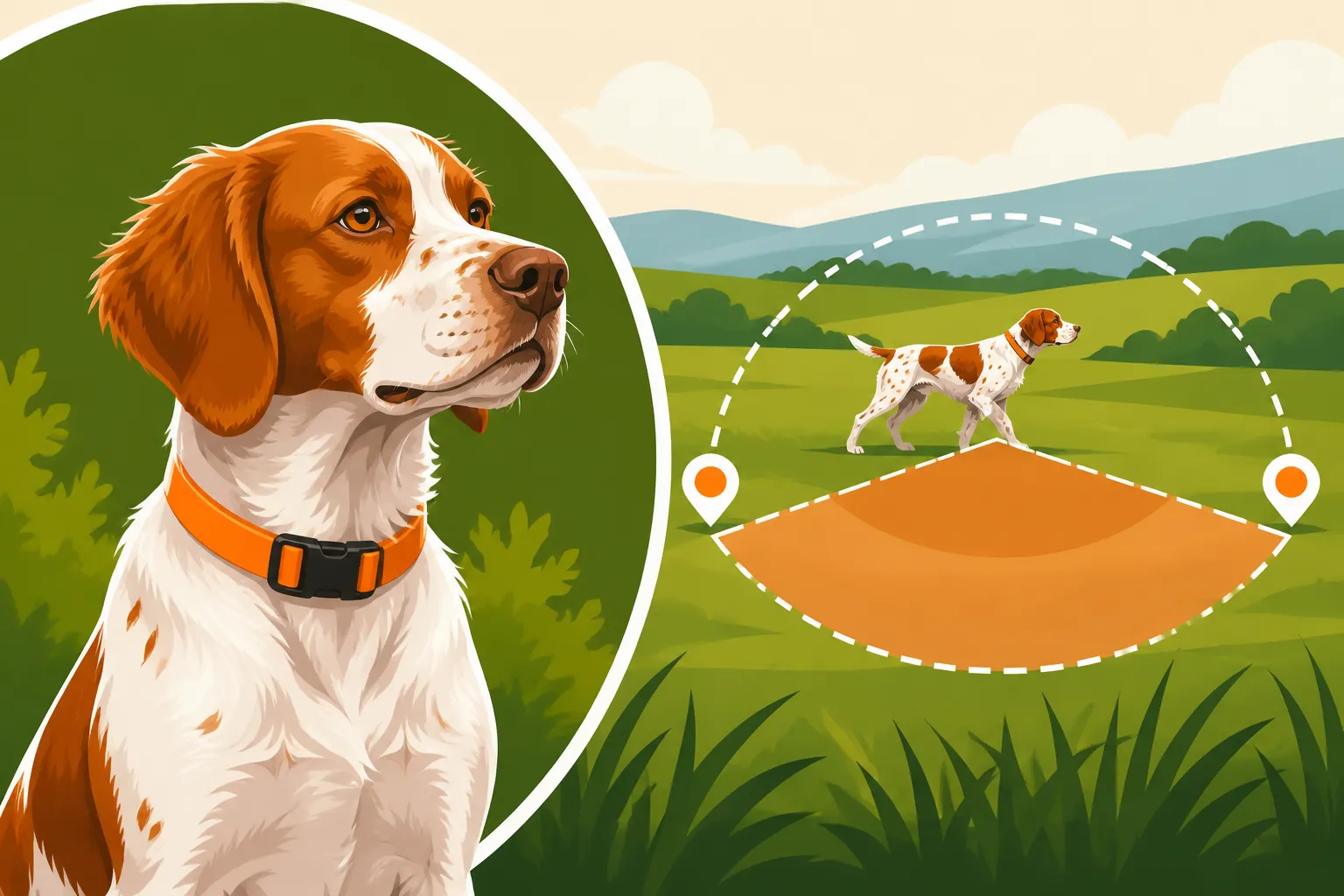
Scenting conditions are incredibly important in how a Brittany ranges, regardless of cover type. Wind acts as the vehicle for scent, carrying it to the dog's nose. In a strong, steady wind, a Brittany can pick up scent from much further away, enabling them to range wider and still locate birds effectively. They'll use the wind to their advantage, often making long, sweeping casts into the breeze to maximize their scenting power. This is where their quartering pattern truly shines.
Conversely, in still air, swirling winds, or extremely cold, dry conditions where scent doesn't hang well, a Brittany will naturally (or should be taught to) shorten their range. They can't rely on distant scent, so they need to work closer to the ground where birds are holding. This might mean a tighter quartering pattern or more detailed work in a smaller area. The best Brittanys are constantly reading the wind and scent conditions, making subtle adjustments to their cast on the fly, a testament to their intelligence and hunting acumen. Without good scenting, a wide cast is pointless.
Visual Cues and Communication in Different Cover
Communication between handler and dog is paramount, and it changes drastically depending on the cover. In open fields, visual cues – hand signals, body language – are highly effective. A quick wave can send your Brittany in a new direction, or a stopped stance can encourage them to hold point. When hunting open terrain, you rely heavily on seeing your dog work, judging their range, and making adjustments based on their patterns and body language. A GPS Collar Costs a Brittany Owner is often seen as a worthy investment for this reason, allowing you to track your dog even at a distance.
In dense cover, however, visual cues are often impossible. Here, verbal commands and whistle commands become critical. The dog needs to be trained to respond to these cues even when they can't see you. This means a strong "hup" or "here" command on the whistle, or verbal "over" or "back" commands, are indispensable. The dog's ears are working overtime, listening for your direction. A Brittany that understands Teaching a Brittany to Hunt for the Gun is one that understands they are part of a team, and that communication ensures they are effective regardless of whether they can see you or not. The dog must learn to trust your direction in places where their own sight is limited, relying on auditory signals to guide their range and focus.
Training a Brittany for Optimal Cover Adjustment
While Brittanys have a strong natural hunting instinct, the ability to adjust their range seamlessly across different cover types is largely a learned skill. This is where consistent, intelligent training comes into play, building on their innate abilities to create a truly versatile bird dog.
Early Exposure and Varied Terrain Training
The foundation for a versatile Brittany begins early. As a puppy, expose them to as many different environments as possible. Start in open fields, allowing them to develop their natural quartering pattern and confidence. Then, gradually introduce them to increasingly dense cover: light woods, brush piles, cattails, and thickets. Don't throw them into the deep end immediately; build up their experience slowly. A good puppy program will already be working on this exposure, but it's your job to continue it.
During these training sessions, encourage appropriate ranging for the cover. In thick stuff, praise them for staying close and systematically working an area. In open ground, let them stretch their legs but reinforce check-ins. Use planted birds to help them understand why they are working a certain way in that cover – birds are found where they are hunted efficiently. This early, varied exposure helps them build a mental map of how to approach different environments, making adjustments feel natural rather than forced. It’s about building confidence and understanding the task at hand in different scenarios.
Using Tools to Reinforce Range Control
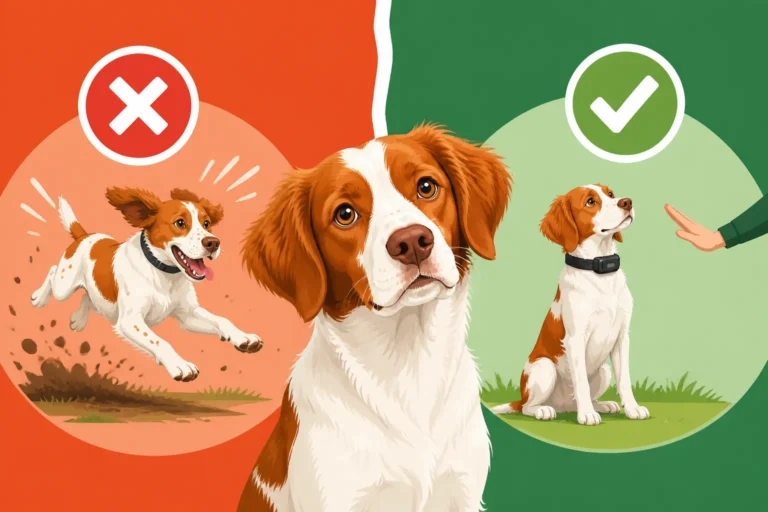
Training tools are invaluable for teaching range adjustment. A long check cord is your best friend in the early stages, especially when teaching a wider-ranging dog to tighten up in heavy cover. It allows you to gently guide them, keep them within sight, and prevent them from blowing past birds or getting lost. You can physically bring them back into range, reinforcing the desired behavior. Over time, as they understand the expectation, you can transition to an e-collar, not for punishment, but for subtle communication and reinforcement from a distance.
An e-collar, when used correctly, is an extension of your arm, allowing you to provide a gentle reminder to How to Shorten a Brittany's Range or to encourage them to go wider if they're being too sticky. Many owners wonder Whether a Brittany Needs an E Collar and for advanced range control, especially in varying cover, it often proves to be an indispensable tool. Consistency is key with any tool; the dog needs to associate the command or stimulation with the desired action, regardless of the cover they are in. Brands like Garmin and SportDOG offer excellent e-collars that are robust enough for field use and provide various levels of stimulation and tone options. When selecting one, ensure it has a good range to match your Brittany's potential cast.
Developing a Strong Handler-Dog Connection
Ultimately, the most important "tool" for range adjustment is the bond and communication you share with your Brittany. A dog that trusts its handler and understands their expectations will be far more responsive to cues, whether verbal, whistle, or e-collar, regardless of the cover. Spend time outside of hunting season just being with your dog, reinforcing basic obedience, playing games, and building that relationship. What a Brittany's Temperament Is Really Like means they are often eager to please but also sensitive, so positive reinforcement and clear communication are vital.
Work on recall diligently in all sorts of environments. A reliable recall means you can always bring your dog back to you if they are ranging too far or in the wrong direction for the cover. It builds confidence in both you and your dog. Practice teaching your Brittany "whoa" in different situations, which is fundamental for holding point even if they cast a little too wide initially. The stronger your connection, the more your Brittany will look to you for guidance, making them a much more adjustable and effective hunting partner. This connection allows for subtle corrections and confirmations that fine-tune their hunting style to match the conditions.
When a Brittany Doesn't Seem to Adjust (and What to Do)
It can be incredibly frustrating when you feel like you've put in the work, but your Brittany still isn't adjusting their range to the cover. Don't despair! This is a common challenge, and often, it's about identifying the specific hurdle and adjusting your training approach.
Identifying the Root Cause of Inflexibility
If your Brittany isn't adjusting its range, it's crucial to figure out why. Is it a lack of understanding? Perhaps they haven't had enough diverse exposure to different types of cover, or the training has been inconsistent. Some dogs, particularly those from very wide-ranging lines, might struggle more instinctively to tighten up, while others might be overly sticky and struggle to open up in expansive areas. This can be where knowing your dog's pedigree and understanding Whether a Field Bred Brittany Is Bolder comes into play.
Another possibility is a communication breakdown. Are your commands clear? Is the timing of your corrections or praise precise? Sometimes, a dog that seems disobedient is simply confused. Overexcitement can also be a factor; a highly driven Brittany might get so wrapped up in the hunt that they "forget" their training. Fear or discomfort in certain types of cover (e.g., very thorny brush) could also cause them to avoid it or range differently than desired. Observing your dog closely, perhaps even filming a training session, can help you pinpoint the specific issue.
Strategies for Specific Ranging Problems
Once you've identified the root cause, you can tailor your approach.
-
For Dogs Ranging Too Wide in Thick Cover:
- Go back to basics with a check cord: Physically keep them close. Work small sections of cover repeatedly, praising them for staying within range.
- Focus on systematic quartering: Instead of letting them roam, teach them to work a grid pattern in the dense cover.
- Use a bell or beeper collar: In dense cover where visual contact is lost, the sound helps you locate your dog and signals to them that you're still there. This can help prevent them from extending too far if they're prone to "getting lost" and pushing out.
- Increased check-ins: Demand more frequent check-ins. If they range wide, blow the whistle or use an e-collar reminder to bring them back. Reward heavily for returning.
- Consider a professional trainer: If you're really struggling, a professional gun dog trainer can offer specialized techniques.
-
For Dogs Ranging Too Tight in Open Fields:
- Encourage bold casts: Use your body language and verbal cues to encourage them to go wider. Cast a retrieve dummy further out to prompt longer runs.
- Work with a hunting partner: Have another hunter or dog work slightly wider, encouraging your Brittany to match their range.
- Build confidence: A dog that is insecure might stick too close. Ensure they have ample How Much Exercise a Brittany Needs Off Season and are physically and mentally robust.
- Utilize natural features: Use fence lines, hedgerows, or ditches to guide their casts outwards.
- Increase bird exposure: More bird encounters will often build confidence and encourage a dog to cover more ground in search of them.
Here's a quick comparison of range expectations:
| Cover Type | Ideal Range (Approx.) | Communication Focus | Common Challenges | Training Emphasis |
|---|---|---|---|---|
| Open Fields | 75-150+ yards | Visual / Whistle | Ranging too close, missing birds | Encouraging bold casts, consistent check-ins |
| Light Woods | 40-75 yards | Whistle / Verbal | Getting out of sight, bumping birds | Systematic quartering, consistent response to cues |
| Dense Brush | 10-40 yards | Verbal / Whistle | Disappearing, getting tangled | Staying close, thorough searching, sound location aids |
| Cattail Marsh | 20-60 yards | Whistle / Verbal | Getting stuck, not covering water | Pushing through resistance, water retrieves, staying on course |
Remember that every Brittany is an individual. What works for one might not work for another. Patience, consistency, and a willingness to adapt your training methods are crucial. Using online resources like BAXTER & Bella, which offers comprehensive puppy and dog training programs, can provide structured guidance and support for tackling these ranging challenges, helping you develop a more responsive and adaptable hunting partner. The goal isn't just to make them range a certain way, but to teach them to think about the cover and make intelligent choices that lead to finding birds. This takes time, but the payoff of a versatile, intelligent Brittany in the field is well worth the effort.
Disclaimer
This article is for general informational purposes only and does not constitute professional advice. Laws, prices and regulations vary by location and change over time. Consult a qualified professional for guidance on your specific situation.