Teaching a Brittany to Hunt for the Gun
It's incredibly frustrating when you're out in the field with your enthusiastic Brittany, ready for a day of teamwork, only to find your dog hunting more for itself than with you. You want that classic partnership, where you're both working towards the same goal, not constantly wondering where your dog has gone or if it's already busted birds out of range. This guide will walk you through teaching your Brittany to truly "hunt for the gun," fostering a collaborative bond that makes every outing more productive and enjoyable.
Understanding the Brittany's Natural Instincts vs. Partnership
Brittanys are magnificent hunters, born with an incredible drive and instinct for birds. However, left solely to their own devices, that instinct can sometimes lead them down a path of independent operation rather than a true partnership with their handler. The key is to channel that natural talent into a synchronized effort.
The Independent Hunter's Mindset
Think about it from your Brittany's perspective. They are bred to find and point birds. Their nose tells them where to go, their energy propels them forward, and every fiber of their being screams "BIRDS!" If they find a bird, why wouldn't they just go for it? This isn't disobedience in their minds; it's simply following their powerful instincts. They might range wide, disappear over a rise, or get so fixated on a scent cone that they momentarily forget you exist. An American Brittany, in particular, is known for its wide-ranging style, which can be a double-edged sword if not managed properly. An American Brittany Ranges Wide and a French One Stays Close delves into this more. They aren't trying to be difficult, but their internal reward system often prioritizes the thrill of the hunt itself.
This independent streak can manifest as a dog that's constantly pushing the envelope of their range, ignoring check-ins, or getting ahead of the gun. You might feel like you're playing catch-up, always trying to get into position or locate your dog. It's not a flaw in their character, but rather an unrefined aspect of their prey drive that needs gentle guidance to evolve into a shared experience.
Why Hunting "For the Gun" Matters
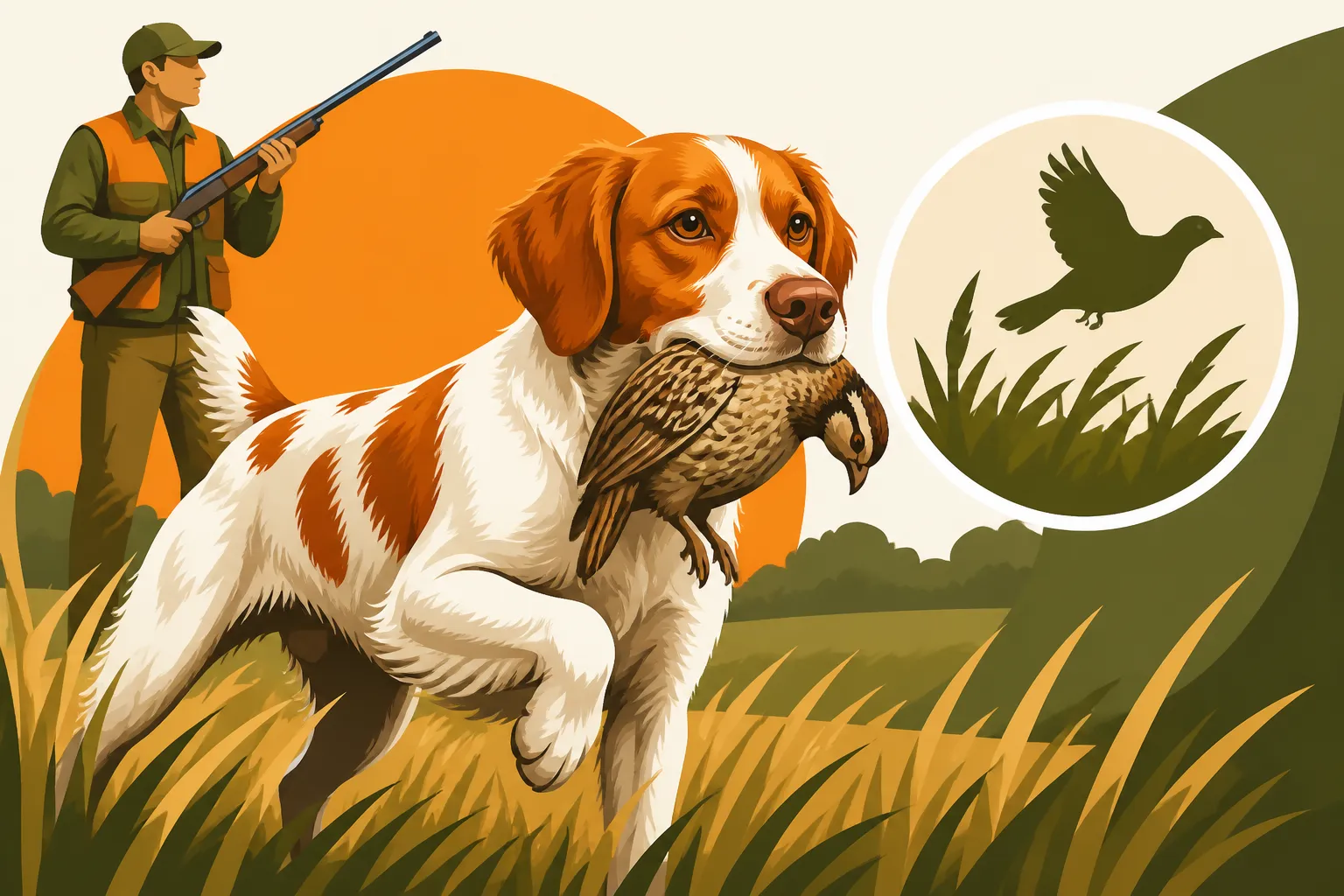
Hunting "for the gun" means your Brittany isn't just finding birds; it's finding them for you, the shooter. It's about establishing a working rhythm where your dog understands that its job is to locate and hold the bird until you arrive, flush it, and take the shot. Then, ideally, they retrieve the bird to hand. This collaborative dance ensures several crucial things:
- Safety: A dog that hunts within range is less likely to get lost, stumble into hazards, or be out of sight when you need to call them back.
- Success: If your dog bumps birds out of range, you never get a shot. If they hold a strong point, you have time to get into position, ensuring a clean shot and a successful harvest.
- Conservation: Ethical hunting practices require clean kills and efficient recovery. A dog working with you helps achieve both.
- Enjoyment: The shared experience, the communication, the silent understanding between you and your dog, is what makes bird hunting truly special. It's not just a dog doing its job; it's a team accomplishing a goal together.
- Respect for the bird: A wild bird deserves to be hunted cleanly. A dog that is too rambunctious or independent can stress birds unnecessarily or cause them to flush wildly, leading to missed opportunities and potentially wounded birds that aren't recovered.
This collaborative approach is a hallmark of the Brittany breed's versatility and intelligence. They are capable of this high level of teamwork, and it truly elevates the hunting experience for everyone involved.
Foundational Training: Building a Collaborative Relationship
Teaching a Brittany to hunt for the gun isn't about breaking their spirit; it's about building a strong foundation of trust and communication. Brittanys are known for being quite sensitive and are often described as "soft" dogs. The Brittany Is the Softest of the Pointing Breeds highlights this trait. This means positive reinforcement and patience are your best friends.
Reinforcing Recall and Check-Ins
Before you even think about birds, your Brittany must have a rock-solid recall. This is non-negotiable for safety and for ensuring they stay within your hunting perimeter. If your dog won't come back when called in a low-distraction environment, they certainly won't when there's a bird involved.
Start recall training in an enclosed, safe space with minimal distractions. Use high-value treats and enthusiastic praise. Make coming to you the most rewarding thing in the world. Gradually introduce distractions, always setting your dog up for success. A long check cord, which you can find on Amazon, is an invaluable tool here. It allows you to enforce the recall gently without letting your dog "fail" by ignoring you. Many trainers recommend using a different, extra-special command for recall when birds are present, something like "Here!" or "Come to me!" to differentiate it from a casual "come."
Beyond the full recall, teach your Brittany to "check in." This means they periodically glance back at you or come closer without a direct command, ensuring they know where you are and are receptive to your guidance. How Often a Brittany Should Check In discusses the importance of this communication. You want them to understand that the hunt is a shared activity, not a solo mission. Reward these check-ins generously to reinforce the behavior.
The Importance of Whoa and Steadiness
"Whoa" is arguably the single most important command for a pointing dog. It means "stop right there, don't move." It's what allows your Brittany to hold a point until you get into position. Without a reliable "whoa," your dog will be bumping birds or creeping in on them. Whoa on a Brittany That Wants to Keep Moving offers more specific advice on this critical command.
Start teaching "whoa" on a leash or check cord in a quiet area. As you say "whoa," gently stop your dog. Gradually extend the duration and introduce mild distractions. The goal is for your dog to freeze in place, no matter what. Some owners use a "whoa post" or platform to teach this, as the elevated surface helps the dog understand the concept of remaining still.
Steadiness takes this a step further, teaching your Brittany to remain still not just on point, but also when the bird flushes, and even when the shot is fired and the bird falls. This is where the magic of "hunting for the gun" really shines. A steady dog waits for your command to retrieve, preventing them from chasing crippled birds or running wild after the shot. Many people struggle with Whether a Brittany Should Chase Early On, and the consensus is often to allow some puppy chasing to build drive, but eventually, steadiness becomes paramount.
Introducing the Gun Gradually and Positively
Many new Brittany owners worry about their dog becoming gun-shy. This is a very real concern, especially with sensitive breeds. Introducing a Gun to a Brittany That Spooks Easily provides excellent advice on this. The key is gradual, positive exposure, ensuring every experience with gun noise is associated with something good.
Never expose a young puppy to loud gunshots suddenly or at close range. Start with distant, low-decibel sounds. A starter pistol or even a cap gun can be used, fired far away while your puppy is engaged in a fun activity like eating or playing. As your dog shows no reaction, gradually decrease the distance and increase the sound. Always stop before your dog shows any signs of fear.
The most common mistake is linking the gun to a negative experience or too early in their development. You want your Brittany to associate the sound of the gun with the excitement of a bird, but only after they are comfortable with the sound itself. Introducing the gun during a controlled bird retrieve, where the shot signals a reward (the retrieved bird), is often a successful method. For positive-reinforcement based training, resources like BAXTER & Bella offer excellent guidance for building a confident, well-adjusted gun dog from the ground up, emphasizing positive associations.
Practical Steps for Teaching "Hunt for the Gun"
Once your Brittany has a solid foundation in recall, whoa, and is comfortable with gun noise, you can start putting it all together in the field. This is where the real nuance of hunting for the gun begins to develop.
Starting in Controlled Environments
Don't jump straight to wild birds on opening day. Begin in a controlled environment, such as a training field stocked with pen-raised birds like quail or pigeons. This allows you to manage the bird exposure and reinforce desirable behaviors.
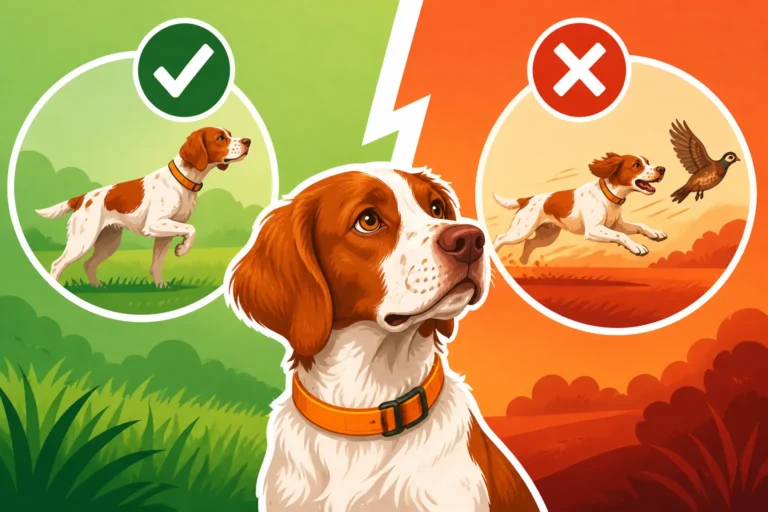
- Walk-ups with a check cord: Start by walking your Brittany on a long check cord. When they get birdy and go on point, quietly move in, praising them for holding. Flush the bird yourself. When the bird flies, give your "whoa" command and gently enforce it with the check cord if needed. Shoot a blank pistol or a very light load shotgun (e.g., .410 or a lighter gauge) at a safe distance. Do not allow your dog to break point or chase. If they remain steady, reward them heavily.
- Gradual gun integration: As your dog becomes steady to wing and shot with blanks, slowly introduce actual shots when the bird is flushed. Again, focus on steadiness. Only when the bird is down and you've given a release command should your Brittany go for the retrieve. Remember, Teaching a Brittany Steady to Shot is a process, not a one-time event.
- Shortening the range: If your Brittany is prone to running wide, work in heavy cover initially. This naturally shortens their range. Use a bell or a beeper collar (like those you can find on Amazon) to help you keep track of their location, especially if they are getting out of sight. What a Beeper Collar Costs a Brittany Owner might be useful if you're considering this tool. Regularly stop and hide behind a bush or tree. Your Brittany will eventually realize you're gone and come back to check on you. Reward this heavily. This teaches them to hunt with you, not just for themselves.
| Characteristic | Hunting "For Self" | Hunting "For the Gun" |
|---|---|---|
| Primary Goal | Finding birds, often flushing them independently | Finding birds, holding for handler, assisting with harvest |
| Range | Often wide, independent, out of sight | Within effective shooting range, checks in |
| Communication | Minimal check-ins, handler often chasing | Frequent check-ins, responsive to commands |
| Point Behavior | May bump, creep, or break point | Holds point until handler arrives, steady to flush/shot |
| Retrieve | May chase, retrieve selectively, or not at all | Retrieves on command, delivers to hand |
| Handler's Role | Follower, constantly trying to catch up | Partner, directing, collaborating with the dog |
| Hunting Success | Fewer shooting opportunities, potentially lost birds | More shooting opportunities, efficient recovery |
Gradually Increasing Distraction and Cover
Once your Brittany is performing well in a controlled environment, slowly increase the challenge.
- Move to more open cover: This will test their willingness to stay in range. Continue using your check-in techniques and your "whoa" command.
- Introduce wild birds: When your Brittany is steady on pen-raised birds, gradually transition to wild birds in natural habitat. Wild birds behave differently; they can be spookier and flush more unexpectedly. This will be the ultimate test of your training.
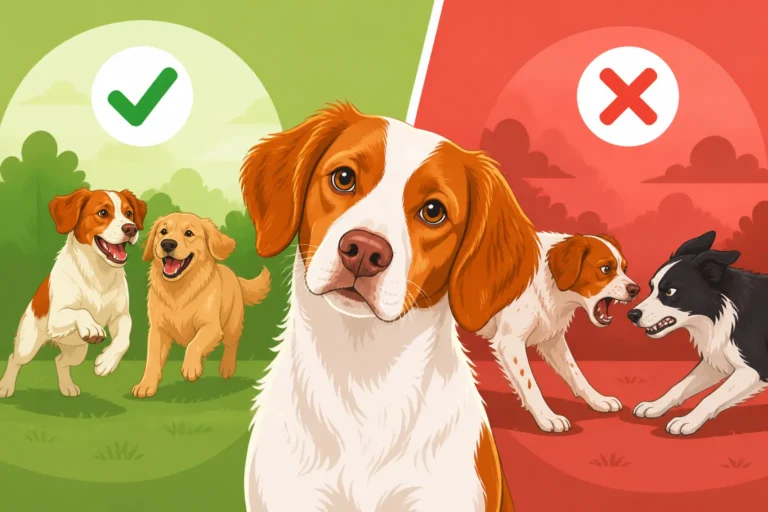
- Work with other hunters: Eventually, you'll want your Brittany to be comfortable working around other people and dogs in the field. This tests their focus on you and the task at hand, rather than being distracted by the excitement of other dogs. Remember, Brittanys are sensitive, so ensure positive experiences. How Sensitive a Brittany Is to Correction might remind you to keep things positive, even with distractions.
Reading Your Brittany's Body Language and Adjusting
Your Brittany is constantly communicating with you, even without words. Pay close attention to their body language. Are their ears back? Are they hesitant? Are they looking at you for direction? Or are they so absorbed in their own hunt that they seem to forget you exist?
- Signs of confusion or stress: If your dog seems confused or anxious, simplify the task. Go back to a less distracting environment.
- Signs of independence: If your dog is consistently ranging too far or ignoring you, bring them in closer. Use that check cord again if necessary. Reinforce those recalls and check-ins. Don't be afraid to take a step back in training to solidify the basics.
- Signs of over-excitement: Brittanys love to hunt! But sometimes that excitement can lead to mistakes. If your dog is too "hot" or over-stimulated, give them a short break. Let them calm down before resuming. You want a dog that is enthusiastic, but also controlled and focused on the team.
This constant feedback loop between you and your dog is essential. Every outing is a chance to reinforce the partnership and fine-tune your communication.
Overcoming Common Challenges and Maintaining Progress
Even with the best training, challenges can pop up. Brittanys are intelligent and spirited, and sometimes their enthusiasm can get the better of them.
Addressing a Wide-Running Brittany
If your Brittany consistently ranges too far, beyond your effective shooting range, you need to be proactive.
- Electronic collars (E-collars): These can be invaluable tools for communication over distance, when used correctly. They are not for punishment, but for reinforcing commands like recall and whoa. Start with low-level stimulation and ensure your dog understands the command before adding the e-collar. Many sources on Amazon offer good e-collars for training. It's not about making your dog fear the collar, but rather associating the stimulation with a known command, serving as a subtle tap on the shoulder when they're out of earshot. It's a tool, not a crutch, and should be introduced carefully, perhaps with the guidance of a professional. Before considering one, you might read Whether a Brittany Needs an E Collar at All.
- Cover and terrain: Actively seek out areas with heavier cover or natural barriers that force your dog to hunt closer. This can be thick woods, tall CRP fields, or areas with dense brush.
- Change of pace: Don't always let your dog dictate the pace. Occasionally, stop and change direction without warning. Your dog will quickly learn they need to pay attention to your movements.
When Your Brittany Gets "Birdy" Alone
It's common for a Brittany to get a nose full of scent and become completely fixated. They might try to creep in, or even bust the bird without you.
- Reinforce whoa: This is where that rock-solid "whoa" training truly pays off. If your dog starts to creep, use the command firmly. Walk in and correct gently if they don't respond.
- Patience at point: Teach your Brittany that holding a point, even for an extended period, is highly rewarded. Walk in slowly, praise them, and ensure you're in position before the flush. Don't rush them; let them enjoy the intensity of the point.
- Controlled flushes: In training, you control when the bird flushes. This teaches your dog that you are in charge of the bird's movement, not them.
- Building trust: Over time, your Brittany will learn that by holding point and waiting for you, the outcome is a successful retrieve and praise, which is far more rewarding than busting a bird on their own.
Keeping the Partnership Strong Season After Season
Training isn't a one-and-done event. It's an ongoing relationship.
- Off-season conditioning and drills: Don't let your Brittany's skills rust. Keep up with obedience, recall, and "whoa" drills in the off-season. Regular exercise and mental stimulation will keep them sharp. How Long a Brittany's Training Session Should Be might be a good resource for keeping training effective and fun.
- Pre-season refresher: Before hunting season, do some refresher work with pen-raised birds. This gets them back in the mindset and reinforces the teamwork.
- Listen to your dog: Some days, your dog might be tired, distracted, or just "off." Recognize this and adjust your expectations. Pushing too hard can lead to frustration for both of you. How a Brittany Hides Pain is a reminder that you must know your dog well to assess their physical state and avoid pushing them when they might be struggling.
- Celebrate successes: Every good retrieve, every solid point, every perfect check-in—celebrate them! Let your Brittany know they've done well. Positive reinforcement builds confidence and strengthens your bond, which is the heart of hunting for the gun.
Hunting for the gun with a Brittany is a rewarding journey, a true partnership forged in the field. It takes patience, consistent training, and a deep understanding of your dog's instincts and personality. But when it all comes together, there's nothing quite like watching your Brittany work, a perfect extension of your own will, bringing those birds to hand.
Disclaimer
This article is for general informational purposes only and does not constitute professional advice. Laws, prices and regulations vary by location and change over time. Consult a qualified professional for guidance on your specific situation.