Whether a Brittany Chases the Family Bird
The dream of a harmonious household, where all your beloved pets coexist peacefully, is one many of us share. But when you bring a high-drive sporting dog like a Brittany into a home that already includes feathered friends, you're immediately faced with a very real and sometimes heartbreaking challenge: managing their inherent prey drive. This guide will walk you through understanding your Brittany's instincts, assessing the risks to your family bird, and implementing strategies to promote safety and, hopefully, a degree of peaceful coexistence.
The Brittany's Instinct: Why They Chase
It’s easy to look at our dogs as furry family members, and they certainly are. But beneath that sweet, loyal exterior of a Brittany lies a deeply ingrained, generations-old instinct. This isn't just a quirky habit; it’s the very essence of what makes a Brittany, well, a Brittany.
The Deep-Rooted Prey Drive
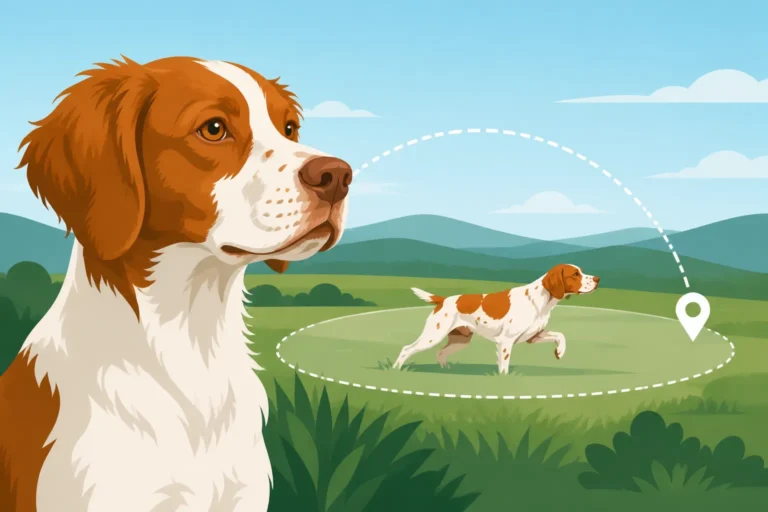
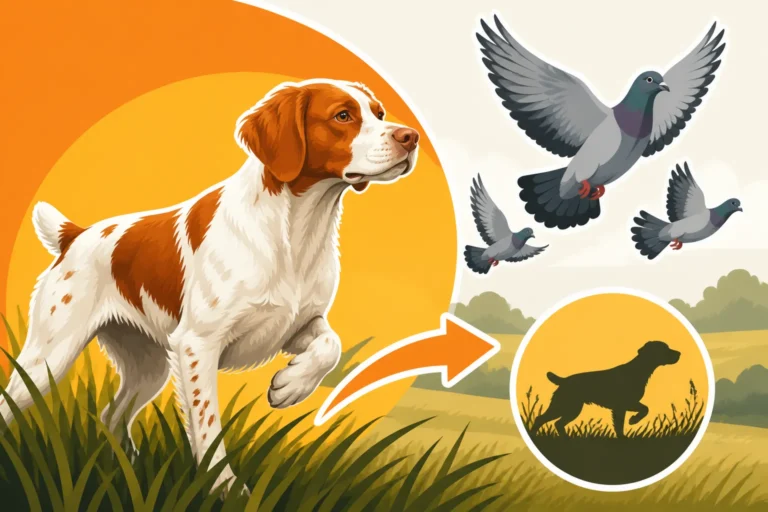
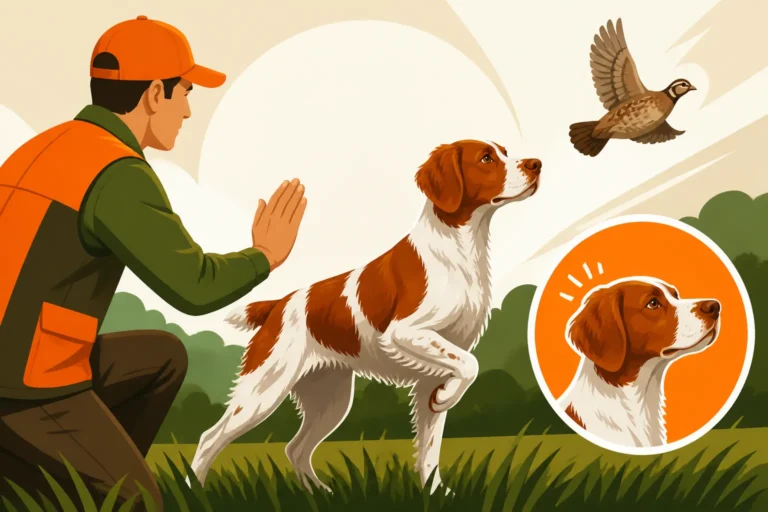
Brittanys were purpose-bred for centuries to hunt birds. Their entire genetic makeup is geared towards locating, pointing, and retrieving game birds for hunters. This means they possess a formidable prey drive, an instinct to pursue, capture, and even kill small, fast-moving animals. When we talk about a "prey drive," we're not talking about a dog being naughty or disobedient; we're talking about a hardwired behavioral sequence that is incredibly difficult, if not impossible, to fully extinguish. It's as natural to them as wagging their tail.
Think about it from their perspective: a sudden flutter, a chirping sound, a quick movement – these are all cues that instantly ignite their hunting sequence. Even if your Brittany is the most well-behaved dog in the world, these triggers can bypass learned behaviors and tap directly into their primal wiring. It's why they might How a Brittany Finds Its First Bird so naturally in the field, and it's also why a pet parakeet or cockatiel can inadvertently become a target. This isn't a flaw in their character; it's simply who they are, a testament to their heritage as exceptional bird dogs.
Distinguishing a Pet from a Game Bird
While we know the difference between a wild pheasant and our beloved pet canary, your Brittany might not initially make such a nuanced distinction. To a Brittany, a bird is a bird. The movement, the scent, the sounds—especially the panicked flapping or chirping that might occur if the bird gets startled—can all trigger that deep-seated hunting instinct.
The size and type of bird can also influence how your Brittany perceives it. A small, rapidly moving finch might be seen differently than a large, slower-moving parrot. However, both still represent a potential "chase" or "catch" opportunity. The enclosed space of a home can heighten the intensity, as the "prey" is always present and often within sensory range. It's not about malice; it's about the innate drive to engage with avian life. This drive is a fundamental part of What a Brittany's Temperament Is Really Like, and it requires careful management when living alongside feathered companions.
Evaluating the "Family Bird" Threat: Types of Avian Pets
Not all family birds pose the same level of risk, and understanding the nuances of your avian pet's lifestyle is crucial in assessing the potential danger and planning for safety.
Cage Dwellers vs. Free-Roamers
The primary differentiator in risk assessment is whether your bird is always confined to a cage or if it enjoys periods of free flight outside its enclosure.
For Cage-Dwellers: Birds like parakeets, canaries, finches, or even smaller cockatiels that spend their entire lives within a cage are generally at a lower risk of direct harm, provided the cage itself is secure. The key word here is "secure." This means a cage with robust bars that cannot be bent or chewed through, and a locking mechanism that is truly dog-proof. Many dog owners underestimate a Brittany's intelligence and determination when motivated by prey. They can push, pull, and even manipulate latches. You need to ensure there are no gaps the bird could squeeze through if startled, and no weak points the dog could exploit to knock the cage over or open it. Even with a secure cage, the bird can still suffer from extreme stress if the dog constantly harasses it, barking, pawing at the cage, or staring intently. This can lead to plucking, illness, and general distress for the bird.
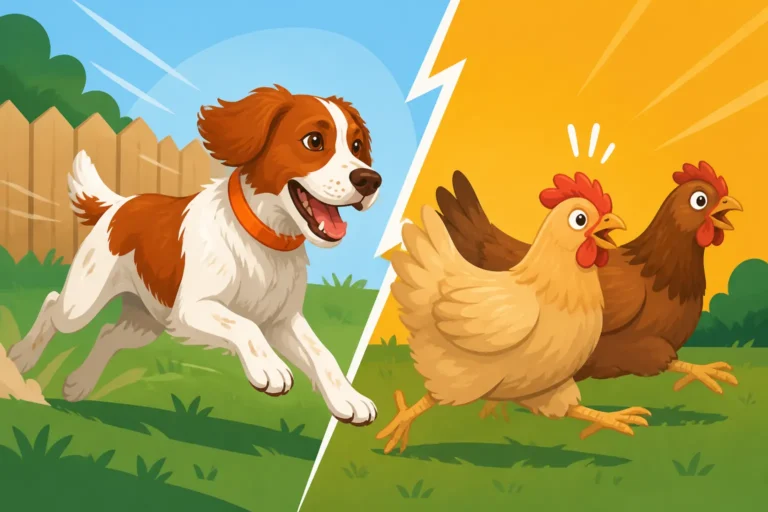
For Free-Roaming or Supervised Free-Flying Birds: This is where the risk skyrockets. Birds such as larger parrots (African Greys, Amazons, Cockatoos), which often have dedicated free-flying time or are allowed to perch outside their cages, are in immediate and grave danger if a Brittany is present and not absolutely confined or removed from the area. Even a quick flutter from a perch to the floor, or a sudden flight across the room, can instantly trigger a Brittany's chase instinct. Once that instinct is engaged, stopping it can be incredibly difficult, and the results can be devastating. No amount of training can guarantee a Brittany will ignore a free-flying bird. The speed, unpredictability, and sheer excitement of a bird in flight are precisely what these dogs were bred to pursue.
Bird Size and Brittany Interest
While a Brittany's prey drive is generally indiscriminate when it comes to birds, the size and behavior of your feathered friend can play a role in the manifestation of that drive and the potential outcome of an encounter.
Small, Flighty Birds: Tiny birds like finches, parakeets, or even smaller lovebirds, with their darting movements and high-pitched chirps, can be incredibly stimulating for a Brittany. Their rapid, often erratic movements mimic the escape patterns of wild game birds, which can strongly trigger the chase response. Should a small bird escape its cage, it is exceptionally vulnerable due to its size and fragility. The Brittany's natural instinct might lead to a quick, fatal bite even if the dog's intention isn't to kill, but simply to "catch."
Larger, Assertive Parrots: Larger parrots, such as African Greys or Macaws, might seem more intimidating due to their size and strong beaks. While they can certainly defend themselves to some extent, they are still fundamentally prey animals in the eyes of a predator like a Brittany. The risk with larger parrots often shifts from a quick "catch and kill" to a more sustained, potentially injurious chase. A large parrot might try to stand its ground or bite the dog, but it's unlikely to be a match for a determined Brittany. Furthermore, the sheer panic of being cornered or chased can lead to broken wings, severe stress, or other injuries, even if the dog doesn't directly bite it. The instinct to "flush" and chase is still very much present, regardless of the bird's size.
Managing the Instinct: Training and Containment Strategies
Living with a Brittany and a pet bird requires an unwavering commitment to proactive management and training. It's about setting up a multi-layered safety net to protect your feathered family member from your four-legged hunter.
Foundation Obedience and Impulse Control
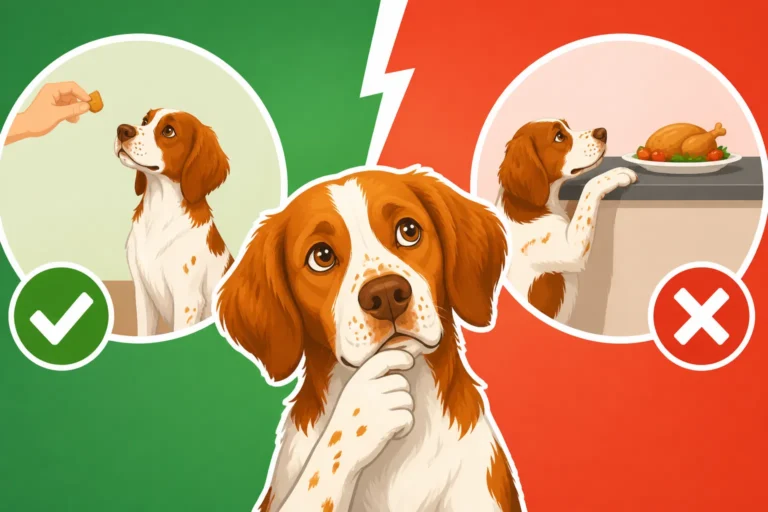
A strong foundation of obedience is absolutely non-negotiable when living with a Brittany and other small animals. While it won't eliminate prey drive, it provides you with critical tools to manage it. Commands like "Leave It," "Stay," and an iron-clad "Recall" must be practiced diligently, consistently, and under various distractions.
"Leave It" teaches your Brittany to disengage from something it finds interesting, whether it's a dropped treat or, critically, a fluttering bird. This command needs to be proofed extensively, starting with low-value items and gradually increasing the distraction level. "Stay" is vital for keeping your dog in a designated safe spot while you attend to the bird or move it. A reliable "Recall" ensures that if, by some terrible accident, your bird escapes its cage, you can call your Brittany away from the situation immediately. This requires consistent, positive reinforcement, making coming back to you the most rewarding thing in the world. Services like BAXTER & Bella offer comprehensive online puppy training programs that deeply focus on impulse control and foundational obedience, which can be immensely helpful in establishing these critical commands from a young age. Remember, How Biddable a Brittany Is can be high, but their prey drive is stronger than biddability if not managed.
Secure Enclosures and Physical Barriers
No matter how well-trained your Brittany is, relying solely on obedience to protect your bird is a recipe for disaster. Instinct is powerful, and a lapse in judgment (yours or the dog's) can have dire consequences. Physical barriers are your first, and often most important, line of defense.
Bird Cages: Your bird's cage must be robust. Avoid flimsy wire or cages with large gaps. Ensure all doors and access points have secure, dog-proof latches. Many standard bird cages aren't designed to withstand a determined dog. Consider adding additional clips or carabiners to doors. The cage should be heavy enough that it can't be easily knocked over, or ideally, secured to a wall or placed on a sturdy stand that can't be toppled. You might even consider an extra-reinforced cage or a custom-built aviary specifically designed to be dog-proof. Searching "secure bird cages for dogs" on a site like Amazon can give you ideas for heavy-duty options.
Separation: The most effective barrier is often a simple room barrier. When the bird is out of its cage (if it ever is), the Brittany should be in a separate, securely closed room or crated. Conversely, if your bird is always caged, ensure the cage is in a room inaccessible to the Brittany, or behind baby gates that the Brittany cannot jump or push through. This layered approach means that even if one barrier fails, another is there to prevent a tragedy. Never allow your Brittany to chew or paw at the cage, even playfully. This reinforces the idea that the bird is something to interact with.
Early Socialization and Desensitization
If you're bringing a Brittany puppy into a home with existing birds, early, controlled, and positive socialization can be beneficial, but it must be done with extreme caution. This isn't about teaching them to be friends; it's about teaching the puppy that the bird is part of the environment, not a toy or prey.
Start by having the securely caged bird in a room that the puppy can observe from a distance, perhaps behind a baby gate. Reward calm behavior with quiet praise and treats. The goal is for the puppy to view the bird as a non-event, something uninteresting. Never allow the puppy to bark, lunge, or fixate on the cage. Interrupt these behaviors gently and redirect. Slowly, over weeks or months, you can decrease the distance, always maintaining barriers and always rewarding calm, indifferent behavior. Never leave them unsupervised, even for a second. The phrase "familiarity breeds contempt" doesn't apply here; familiarity can breed acceptance, but only if managed meticulously. This type of nuanced socialization is a critical part of Whether a Brittany Puppy Should Be Socialized Heavily to ensure they grow up to be well-adjusted household members.
Living in Harmony: Practical Tips and Supervision
Achieving harmony between a Brittany and a family bird is a marathon, not a sprint. It requires constant vigilance, smart management, and a deep understanding of both your pets' needs.
Constant Supervision and Controlled Interactions
This is the golden rule: never, ever leave your Brittany and your bird unsupervised, even if the bird is securely caged. "Supervision" means active, engaged observation, not just being in the same room while engrossed in a book or TV. Your eyes should be on both animals, anticipating any potential issues.
If your bird is allowed out of its cage for free-flying time, the Brittany must be crated in another room or out of the house entirely. There is no acceptable scenario where a free-flying bird and an uncrated Brittany should be in the same space. For caged birds, ensure the cage is placed where the Brittany cannot constantly harass it. If your Brittany starts fixating, barking, or showing intense interest, interrupt the behavior immediately and redirect them to a different activity in another part of the room or house. Short, controlled, positive interactions where the Brittany is calm and the bird is secure are the ideal, but only if truly managed. This dedication to constant watchfulness is paramount for the safety of your bird.
Managing Excitement and Energy Levels
A bored or under-exercised Brittany is a disaster waiting to happen in any household, but especially one with a pet bird. Brittanys are high-energy dogs, bred for endurance and intense physical activity. If their needs aren't met, they will find their own ways to expend that energy, and a fast-moving, chirping bird can become a very tempting outlet.
Ensure your Brittany receives ample physical exercise every single day – and we're talking about more than just a quick walk around the block. They need vigorous runs, active fetch sessions, or engagement in dog sports. How Much Exercise a Brittany Needs Off Season is often surprisingly high, even when they're not hunting. Beyond physical exercise, mental stimulation is also crucial. Scent games, puzzle toys, and consistent training sessions can help tire their minds and reduce their likelihood of fixating on the bird out of boredom. A tired Brittany is a calmer Brittany, and a calmer Brittany is less likely to act on impulse. Providing them with a variety of appropriate chew toys purchased from a vendor like Amazon can also give them a constructive outlet for their natural drives.
The "No Free-Flying" Rule (Initially)
For the vast majority of households with a Brittany and a pet bird, the "no free-flying when the dog is present" rule needs to be absolute, at least initially, and often permanently. It's the single biggest risk factor for a tragic outcome. The moment a bird takes flight, the auditory and visual triggers for a Brittany are incredibly powerful. Even a well-trained dog, in a moment of surprise or heightened instinct, can react faster than you can intervene.
If you absolutely must allow your bird free-flying time, it needs to be an entirely separate event from your dog's presence in the room. This means the Brittany is secured in a crate in a different area of the house, or better yet, out on a walk with another family member. Never test the boundaries with your bird's life. The risk is simply too high. This is similar to the caution required if you are wondering Whether a Brittany Can Live With a Cat; strict separation or constant, active supervision is always key.
When Things Go Wrong: Dealing with an Incident
Despite the best intentions and the most rigorous management, accidents can happen. It's crucial to know how to react in the immediate aftermath of an incident and to critically reassess your living situation.
Immediate Actions During a Chase or Encounter
If your Brittany does manage to get to your bird, whether by knocking over a cage, getting through a barrier, or catching a free-flying bird, your immediate actions are critical.
- Stay Calm (as much as possible): Panicking will only escalate the situation and make your dog more agitated.
- Separate Immediately: Your absolute priority is to physically separate the dog from the bird. Use a firm "Leave It" or "Drop It" command, if your dog knows it, while simultaneously getting between them or grabbing your dog's collar. Do not punish the dog aggressively in the moment, as this can confuse it and make future interventions harder. The goal is separation, not retribution.
- Secure the Brittany: Once separated, immediately secure your Brittany in a crate or another room.
- Assess the Bird: Carefully check your bird for any injuries. Even a seemingly minor scuffle can cause internal damage, stress, or broken bones. Birds are fragile. If there are any signs of injury, contact an avian veterinarian immediately. Even if there are no obvious injuries, the stress of the event can be lethal. Monitor your bird closely for the next 24-48 hours.
- Assess the Brittany: Check your Brittany for any injuries, particularly if the bird fought back.
Re-evaluating Living Arrangements
An incident, no matter how minor, is a stark warning. It means your current management strategy is not foolproof, and it's time for a serious re-evaluation. This is a moment to be brutally honest with yourself about what is truly safe and sustainable.
Increased Barriers: Can you add more layers of protection? Perhaps moving the bird to a room with a locking door that the Brittany never enters, or investing in a more robust, heavy-duty cage. Maybe it's time for permanent baby gates to keep entire sections of the house dog-free.
Permanent Separation: For many owners, an incident is a clear sign that true co-existence is not possible. This might mean the bird permanently lives in a dedicated "bird room" that the Brittany never enters, or vice-versa. This might sound extreme, but it prioritizes the safety and well-being of both animals.
Rehoming: In the most difficult but sometimes necessary circumstances, you might need to consider if your home is truly the right environment for both pets. If repeated incidents occur, or if the stress on either animal becomes too great, rehoming one of them, particularly the bird to a home without a high-prey-drive dog, could be the most responsible decision. It's a heartbreaking choice, but it's about providing the safest environment possible for everyone.
Here’s a quick overview of management strategies based on bird type:
| Bird Type | Risk Level | Recommended Management Strategies |
|---|---|---|
| Caged, Small Bird | Moderate to High | Secure, dog-proof cage (check latches, bar strength). Place cage in a room inaccessible to the Brittany or behind sturdy barriers. Supervise any interaction. Prevent barking/pawing. Ensure plenty of Brittany exercise. |
| Caged, Large Bird | Moderate to High | Same as small caged birds, focusing on cage integrity. Be aware larger birds may fight back, potentially injuring the dog, but still vulnerable. Prioritize physical separation. |
| Free-flying/Perching | Extremely High | Brittany must be in a separate, secure room or removed from the house entirely during free-flight time. Absolutely no exceptions. Training can help recall but cannot eliminate instinct in a dynamic situation. |
Ultimately, managing a Brittany and a family bird boils down to accepting your dog's inherent nature while meticulously managing their environment. It’s a lot of work, a lot of vigilance, and a lot of training, but it's the only way to ensure the safety and well-being of all your beloved pets. Your Brittany is a marvel of hunting instinct, and your bird is a delicate creature; protecting both requires your utmost dedication.
Disclaimer
This article is for general informational purposes only and does not constitute professional advice. Laws, prices and regulations vary by location and change over time. Consult a qualified professional for guidance on your specific situation.