Whether a Brittany Gets Skin Allergies
It’s truly disheartening to see your spirited Brittany Spaniel constantly scratching, licking their paws, or rubbing their face against the furniture. This incessant itchiness isn't just a minor annoyance; it can severely impact their quality of life, leading to discomfort, skin infections, and even behavioral changes. This guide aims to shed light on why Brittanys, like many other breeds, can suffer from skin allergies, how to identify the culprits, and what steps you can take to bring your beloved companion relief.
Understanding Skin Allergies in Brittanys: A Common Frustration
As a Brittany owner, you're likely familiar with their boundless energy and their love for exploring the outdoors. This active lifestyle, combined with certain genetic predispositions, can unfortunately make them quite susceptible to various forms of skin allergies. It’s a common frustration many of us face, watching our dogs endure itchy skin, and feeling helpless to pinpoint the cause.
Why Brittanys Seem Prone to Itchy Skin
Brittanys are, by nature, field dogs. They love to run through tall grasses, splash in streams, and investigate every scent the environment has to offer. While this is fantastic for their physical and mental well-being, it also exposes them to a myriad of potential allergens. Think about all the pollen, molds, dust, and insects they encounter on a daily basis. Their coats, especially the longer feathering on their legs and ears, can easily pick up and hold onto these irritants, bringing them directly into contact with their skin.
Beyond their adventurous spirit, there's also a genetic component at play. Many sporting breeds, including Brittanys, can inherit a predisposition to developing allergies, particularly atopic dermatitis, which is an allergic reaction to environmental substances. This doesn't mean every Brittany will develop allergies, but if you notice your dog has chronically itchy skin, it’s definitely something to investigate further with your veterinarian. It’s not just bad luck; there can be underlying factors making your Brittany more sensitive than other dogs.
The Different Faces of Canine Allergies
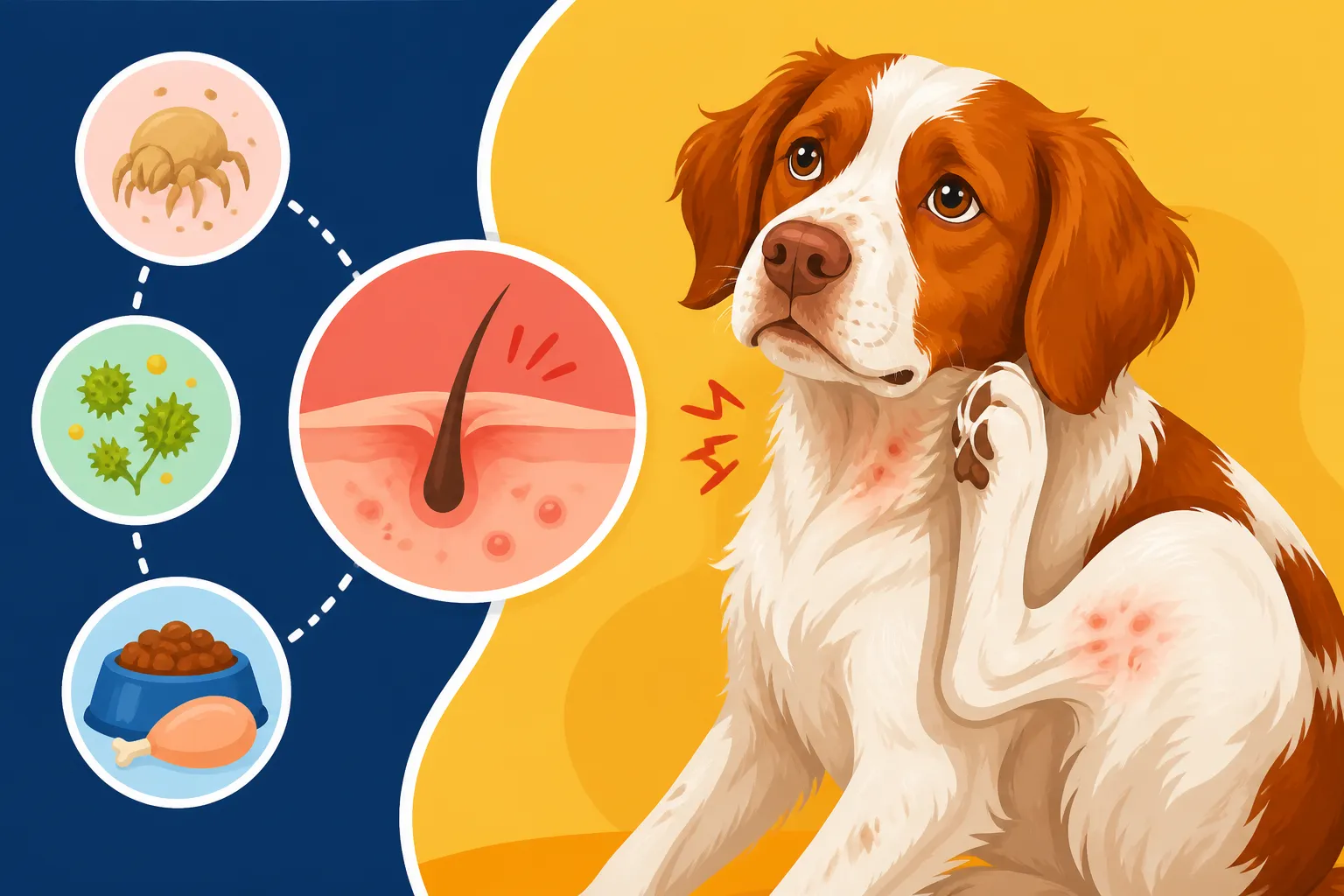
Skin allergies in dogs aren't a one-size-fits-all problem; they typically fall into a few main categories, each with its own set of triggers and challenges. Understanding these distinctions is the first step toward finding relief for your itchy companion. The frustrating part is that the symptoms often overlap, making it a real detective mission to figure out what's truly bothering your pup.
The three primary types we commonly encounter are environmental allergies (atopic dermatitis), food allergies, and flea allergy dermatitis. While the end result is often an itchy dog, the source of that itch varies greatly. For instance, a dog with environmental allergies might only itch during certain seasons, while a dog with a food allergy might itch year-round, regardless of pollen counts. It’s a complex puzzle, but knowing the main types helps us narrow down the possibilities. If you're wondering, it often boils down to What a Brittany Is Most Often Allergic To, which we'll delve into more deeply.
Environmental Allergies: The Seasonal Scourge
Environmental allergies, often called atopy or atopic dermatitis, are by far the most common type of skin allergy in dogs. It’s essentially your Brittany’s immune system overreacting to common substances in their surroundings that are typically harmless to other dogs. This can be a seasonal nightmare for both you and your furry friend, turning pleasant outdoor activities into sources of misery.
Pollen, Dust Mites, and Mold: Invisible Triggers
Imagine your Brittany, after a joyful romp through a blooming field in spring, comes home and starts relentlessly licking their paws, rubbing their face on the carpet, and scratching at their ears. This could very well be a classic sign of environmental allergies. The culprits are often microscopic, like tree, grass, or weed pollens that are abundant outdoors, or even indoor allergens such as dust mites, mold spores, and dander from other animals. These allergens are inhaled, absorbed through the skin, or both, triggering an inflammatory response.
The irritation often manifests in specific areas: the paws (leading to constant licking and chewing, sometimes even causing discoloration from saliva), the ears (resulting in redness, head shaking, and frequent ear infections), the belly, armpits, and around the eyes and muzzle. These areas become red, inflamed, and incredibly itchy. This constant scratching and licking can lead to secondary bacterial or yeast infections, compounding the problem and making your Brittany even more miserable. It’s a vicious cycle that can be incredibly difficult to break without intervention. Often, this is also why Why a Brittany's Ears Get Infected Every Season is a common complaint among owners.
Managing Seasonal Flare-ups and Long-Term Strategies
Managing environmental allergies is often a multi-pronged approach, focusing on reducing exposure, alleviating symptoms, and preventing secondary infections. For immediate relief during a flare-up, your veterinarian might prescribe medications like Apoquel, Cytopoint injections, or even a short course of corticosteroids. These can quickly calm the immune response and stop the relentless itching.
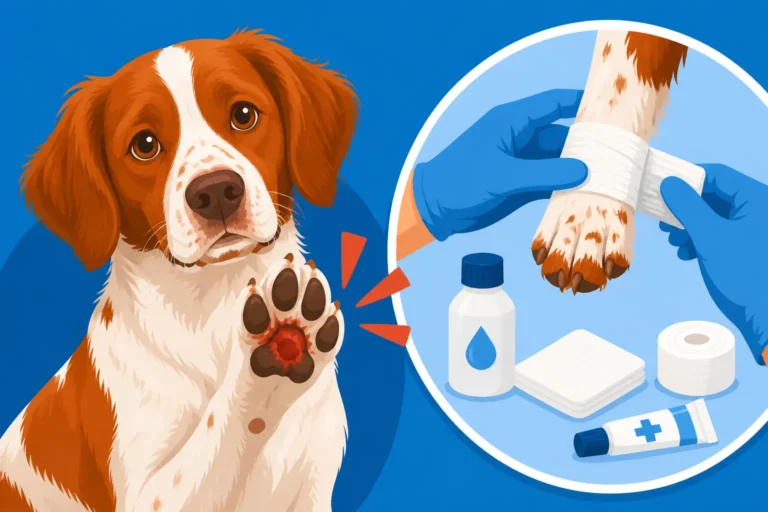
Beyond medication, there are many things you can do at home. After walks or outdoor adventures, especially during high pollen seasons, it’s a good idea to wipe down your Brittany’s paws and belly with a damp cloth or a hypoallergenic wipe. Regular bathing with a gentle, medicated shampoo can also help rinse allergens off their coat and soothe irritated skin. It’s important to understand How Often a Brittany Should Be Bathed during allergy season to avoid drying out their skin. Inside the home, consider using air purifiers with HEPA filters, vacuuming frequently with a good quality vacuum cleaner, and keeping windows closed during peak pollen times to minimize indoor allergen load. These small steps can make a big difference in reducing your Brittany’s overall allergen exposure. Sometimes, prolonged scratching can even lead to Whether a Brittany Gets Hot Spots, which are localized skin infections that need immediate attention.
Food Allergies: More Than Just a Tummy Ache
While less common than environmental allergies, food allergies can be a significant source of skin problems for Brittanys. The tricky thing about food allergies is that they often present with similar skin symptoms to environmental allergies, making them difficult to diagnose without a very specific approach. It's not just about an upset stomach; for many dogs, the skin is the primary indicator that something in their diet isn't agreeing with them.
Identifying Potential Dietary Triggers
When we talk about food allergies in dogs, we're usually referring to an adverse immune response to a specific protein in their diet. The most common culprits are often proteins found in dog foods like chicken, beef, dairy, and eggs. Grains like wheat and soy can also be offenders, though protein sources are more frequently implicated. What makes it particularly frustrating is that a dog can develop an allergy to an ingredient they've been eating for years without issue. It's not necessarily a reaction to a "new" food, but rather an immune system that has slowly become sensitized over time.
Unlike a food intolerance, which might cause digestive upset like diarrhea or gas (and we know Whether a Brittany Has a Sensitive Stomach can be an issue for some), a true food allergy triggers an immune response. This means the body mistakenly identifies a harmless food protein as a threat, leading to inflammation that often manifests as intense itching, redness, recurrent ear infections, and sometimes gastrointestinal signs. The itching can be generalized, affecting the whole body, or localized to certain areas like the paws, face, or rear. It's a persistent, year-round itch that doesn't necessarily respond to seasonal changes, making it a constant battle for your poor Brittany.
The Elimination Diet: Your Best Detective Tool
If your veterinarian suspects a food allergy, the gold standard for diagnosis is an elimination diet. This isn't a quick fix, and it requires significant dedication from you, but it’s the most reliable way to pinpoint the problematic ingredient. The basic idea is to feed your Brittany a "novel protein" or "hydrolyzed protein" diet for a strict period, typically 8-12 weeks.
A novel protein diet uses a protein source your dog has never eaten before (e.g., venison, duck, rabbit, kangaroo) along with a carbohydrate source they haven’t had (e.g., sweet potato). A hydrolyzed protein diet contains proteins that have been broken down into such small components that the immune system doesn't recognize them as allergens. During this period, nothing else can be fed – no treats, no table scraps, no flavored medications, no sneaking bits of cheese. Even a tiny crumb can contaminate the trial and set you back. If your Brittany's symptoms improve dramatically during the elimination diet, you then gradually reintroduce old food ingredients one at a time to see which one triggers a return of the itching. This process helps you identify the specific allergen and allows you to then choose a diet that completely avoids it, giving your Brittany long-lasting relief.
Flea Allergy Dermatitis: The Tiny Terrorists
Even in this day and age of advanced flea prevention, flea allergy dermatitis (FAD) remains a surprisingly common cause of intense itching and skin irritation in dogs, including our beloved Brittanys. It’s particularly frustrating because it doesn't take a massive infestation to cause a major problem; just one or two bites can be enough to set off a severe allergic reaction in a sensitive dog.
Why a Single Flea Bite Can Cause Havoc
Unlike other dogs who might experience mild itching from a flea bite, Brittanys with FAD have an extreme allergic reaction to the saliva injected by the flea when it bites. Their immune system overreacts to this protein in the saliva, leading to disproportionate itching and inflammation. This means that even if you only see one or two fleas on your dog, or even no fleas at all, they could still be suffering from FAD if you're not consistently using effective prevention.
The characteristic signs of FAD in Brittanys include intense itching and chewing, particularly around the base of the tail, the inner thighs, and the groin area. You might notice red bumps, scabs, hair loss, and thickened, darkened skin in these areas due to chronic inflammation and self-trauma. Often, owners are perplexed because they diligently check their dog and find no fleas, but a sensitive Brittany only needs exposure to a single flea's saliva to trigger a reaction that can last for days or weeks. The tiny terrorists don't need to stay on the dog to cause lasting irritation.
Proactive Prevention and Swift Treatment
The absolute key to managing flea allergy dermatitis is consistent, year-round, effective flea prevention. This means no breaks, even during colder months when fleas seem less prevalent, because fleas can survive and reproduce indoors throughout the year. There are many excellent products available today, from oral medications to topical treatments. Popular options include oral tablets like Bravecto, NexGard, and Credelio, which are highly effective at killing fleas rapidly. Topical solutions like Frontline Plus or K9 Advantix II (note: K9 Advantix II is toxic to cats, so use with caution in multi-pet households) also work by killing fleas on contact. Your vet can help you choose the best product for your Brittany based on their lifestyle and any other pets in the home.
Beyond treating your dog, it's crucial to address the environment. Flea eggs, larvae, and pupae hide in carpets, bedding, and cracks in floors. Thorough vacuuming (and immediately disposing of the vacuum bag outdoors) and washing all bedding in hot water are essential. In severe cases, or if you have a multi-pet household, you might need to use environmental sprays or call in a professional exterminator. Remember, preventing fleas is much easier and far less expensive than treating a full-blown infestation and the subsequent allergic dermatitis. While we're talking about external parasites, it's also worth noting How Many Ticks a Brittany Picks Up in a Season as they are another common field hazard that requires vigilant checking.
Diagnosing and Treating Brittany Skin Allergies
Getting to the bottom of your Brittany’s itchy skin can feel like a frustrating journey, especially when symptoms are vague or overlap. It requires patience, a keen eye for detail, and most importantly, a close partnership with your veterinarian. Don't underestimate the complexity of canine allergies; what might seem like a simple itch can often be a multifaceted problem.
Working With Your Vet: The Diagnostic Journey
The first crucial step is a comprehensive veterinary examination. Your vet will rule out other common causes of skin irritation, such as mites (like scabies or demodex), fungal infections (ringworm), or bacterial infections (pyoderma), which can often mimic allergy symptoms or occur as secondary problems. This might involve skin scrapes, fungal cultures, or cytology (examining cells from the skin under a microscope). Once these are ruled out or treated, the focus shifts to allergies.
Diagnosing the specific type of allergy often involves a process of elimination and specialized testing. For food allergies, as discussed, an elimination diet is key. For environmental allergies, your vet might suggest allergy testing. This can be done via blood tests (serum IgE testing) or intradermal skin testing (where small amounts of allergens are injected under the skin to see which ones cause a reaction, similar to human allergy testing). These tests don’t diagnose the allergy itself, but rather help identify the specific environmental triggers, which can then inform immunotherapy treatment. The costs involved in diagnostics, from initial vet visits to specialized tests and potential medication trials, can add up, making pet insurance, like policies offered by Healthy Paws, a valuable consideration for long-term management. We also need to be careful to differentiate allergies from other complex conditions; for instance, understanding Whether a Brittany Gets Autoimmune Disease is important to ensure proper diagnosis.
Holistic Approaches and Symptom Management
While identifying and avoiding triggers is paramount, managing symptoms and supporting your Brittany’s overall skin health is also vital. Many owners explore holistic approaches in conjunction with veterinary care. Omega-3 fatty acid supplements, often derived from fish oil, can help reduce inflammation and improve skin barrier function. Probiotics can support gut health, which plays a role in the immune system and can indirectly benefit skin health.
Topical treatments are also incredibly helpful for soothing irritated skin. Medicated shampoos containing ingredients like chlorhexidine for bacterial infections or miconazole for yeast infections can be prescribed by your vet. Regular bathing with a gentle, moisturizing shampoo, sometimes followed by a conditioning rinse, can provide immediate relief and wash away environmental allergens. If your Brittany is prone to getting dirty in the field, knowing Which Shampoo Suits a Brittany After a Hunt can be very beneficial. Over-the-counter antihistamines like diphenhydramine (Benadryl) or cetirizine (Zyrtec) are sometimes recommended, though they are often less effective in dogs than in humans for severe allergy symptoms. Always consult your vet before administering any human medications to your dog, as dosages and suitability vary greatly. For ongoing conditions that might require specialized dermatological treatment, having comprehensive pet insurance from providers like Healthy Paws can significantly ease the financial burden of biopsies, specialized medications, or long-term management plans.
| Allergy Type | Common Signs | Common Triggers | General Management Strategies |
|---|---|---|---|
| Environmental (Atopy) | Licking paws, rubbing face, ear infections, itching armpits/groin, seasonal flares | Pollen (grass, tree, weed), dust mites, mold spores | Antihistamines, steroids, Apoquel/Cytopoint, frequent bathing, paw wipes, environmental control, immunotherapy |
| Food Allergy | Persistent non-seasonal itching, recurrent ear infections, gastrointestinal upset | Chicken, beef, dairy, wheat, soy (protein sources) | Strict elimination diet, novel or hydrolyzed protein diet, avoidance of allergens |
| Flea Allergy Dermatitis | Intense itching/scabs around tail base, inner thighs; "flea dirt" may be present | Flea saliva from a single bite | Year-round strict flea prevention, treating environment, symptomatic relief |
Living with an Allergic Brittany: A Long-Term Commitment
Discovering that your Brittany has allergies isn't the end of the world, but it does signal a shift in how you'll approach their care. It’s a marathon, not a sprint, and successfully managing allergies often requires a long-term commitment to specific routines and treatments. The good news is, with dedication, your allergic Brittany can still live a happy, comfortable, and active life.
Lifestyle Adjustments for a Happier Dog
The cornerstone of living with an allergic Brittany is consistency in managing their triggers and symptoms. This means diligent daily or weekly grooming, including regular brushing and wiping down their coat, especially after outdoor excursions, to remove allergens. Paying special attention to their paws and ears after they’ve been in tall grass or dusty areas can significantly reduce irritation. For many Brittanys, maintaining optimal skin health includes regular medicated baths prescribed by your vet, which not only soothe the skin but also help manage secondary infections.
Environmental control at home, as discussed, is also crucial. This might mean more frequent vacuuming, washing bedding weekly, and being mindful of open windows during high pollen seasons. Crucially, if flea allergy is a component, year-round, impeccable flea prevention cannot be stressed enough. These adjustments aren't just about physical comfort; an incessantly itchy dog can become irritable, anxious, or even destructive. Reducing their discomfort can dramatically improve their overall demeanor and strengthen the bond you share. This long-term care ethos extends to all aspects of their life, as you would when Caring for a Brittany Past Ten – it's about making adjustments for their well-being at every stage.
When to Seek Specialized Care
While your primary veterinarian is an excellent resource, there are times when a Brittany’s allergies prove particularly stubborn or complex. If you’ve been diligently following your vet’s advice, trying different treatments, and your Brittany is still experiencing significant discomfort or recurrent infections, it might be time to consider a referral to a veterinary dermatologist. These specialists have advanced training in diagnosing and treating complicated skin conditions.
A veterinary dermatologist can offer more in-depth diagnostic testing, such as intradermal allergy testing, which is often more precise than blood tests for identifying environmental allergens. They can also formulate custom allergy vaccines (immunotherapy) tailored specifically to your Brittany's unique triggers. These vaccines, administered as injections or oral drops, work by gradually desensitizing your dog's immune system to the allergens over time. This approach, while a longer commitment, can be incredibly effective for long-term control and significantly reduce the need for other medications. The specialized diagnostics and treatments provided by dermatologists can be expensive, reinforcing why having pet insurance from a reliable provider like Healthy Paws can be such a relief for owners facing chronic health challenges with their beloved Brittanys.
Disclaimer
The information provided in this article is for general informational purposes only and is not intended as a substitute for professional veterinary advice, diagnosis, or treatment. Always seek the advice of your veterinarian or other qualified health provider with any questions you may have regarding a medical condition. Never disregard professional veterinary advice or delay in seeking it because of something you have read in this article.