How Often a Brittany Should Be Bathed
One of the most common questions I get from fellow Brittany owners, especially those new to the breed, is "How often should I bathe my dog?" It's a real head-scratcher because on one hand, these are active, outdoor dogs who can get incredibly dirty in a single outing. On the other hand, we all worry about stripping their natural oils or irritating their skin. This guide aims to clear up the confusion and give you a realistic approach to keeping your Brittany clean and healthy, balancing their adventurous spirit with their delicate skin and coat needs.
Understanding the Brittany Coat and Skin Needs
Before we dive into the bathing schedule, it's crucial to understand what kind of coat your Brittany actually has and why it matters. It’s not just about getting rid of mud; it's about maintaining their overall skin and coat health.
The Brittany's Double Coat and Feathering
Your Brittany is equipped with a dense, double coat that serves a very specific purpose: protection. The outer coat is relatively fine but dense, sometimes a bit wavy, and acts like a natural barrier against the elements. It helps repel water, dirt, and keeps them warm in chilly weather. Beneath this, they have a softer, insulating undercoat. This combination is fantastic for working in varied terrain, from dense cover to marshy fields.
Then there's the feathering—oh, the glorious feathering! You'll find it on their legs, belly, and ears. While beautiful, this longer, softer hair is also a magnet for burrs, foxtails, mud, and all sorts of field debris. It provides some extra warmth and protection, but it’s the part of their coat that demands the most attention when it comes to grooming and cleaning. Many owners find that while the main body coat is relatively easy to maintain, The Feathering on a Brittany's Legs and Ears requires much more frequent care. This coat is designed to be functional, not just pretty, and understanding its purpose helps us treat it right.
Skin Sensitivity and Natural Oils
Just like us, dogs have natural oils in their skin and coat that are vital for health. These oils keep their skin supple, prevent dryness, and give their coat that healthy sheen. They also provide a subtle protective layer. The challenge with bathing, especially frequent or harsh bathing, is that it can strip away these essential oils. When this happens, you might notice your Brittany's skin becoming dry, flaky, or itchy. In some cases, over-bathing can actually make them more prone to skin irritations or even infections because their natural defenses are compromised.
It's a delicate balance. We want to clean off the grime, but we don't want to overdo it and cause more problems. This is particularly true for Brittanys, who, like many active breeds, can have sensitive skin. A healthy diet, perhaps with high-quality ingredients like those found in services such as Ollie, can also contribute significantly to skin and coat health, reducing the need for excessive bathing.
Factors Influencing Bathing Frequency
There's no single "right answer" for how often to bathe a Brittany, and anyone who tells you otherwise probably doesn't own one! Their lifestyle and environment play a massive role.
Lifestyle and Activity Level
This is the biggest factor. Is your Brittany a pampered house pet who enjoys daily walks in the park and the occasional romp in the backyard? Or are they a dedicated bird dog, pounding through fields, splashing in ponds, and navigating dense thorny cover several days a week during hunting season?
A Brittany whose main job is to be a cherished companion and exercise buddy will naturally stay cleaner. Their exposure to truly dirty conditions is limited. For these dogs, bathing might be a monthly or bi-monthly affair, or even less frequent if their coat remains healthy and odor-free with regular brushing.
Now, let's talk about the hunting dog. If your Brittany is doing what they were bred to do – hitting the field for pheasants, quail, or grouse – they are going to get dirty. Mud, burrs, dust, pond scum, and who-knows-what-else become part of their daily ensemble. The reality for a working Brittany is that a "full bath" after every hunt would be detrimental to their coat and skin. Instead, it becomes a routine of rinsing, cleaning specific areas, and spot treating. You're trying to get the crud off, not necessarily do a full scrub-down. This is where the pragmatic approach really comes in. What to Do With a Brittany After Every Hunt is less about a luxurious soak and more about efficient decontamination.
Seasonal Changes and Environmental Factors
The time of year and where you live also heavily influence how often your Brittany needs cleaning.
- Spring: Think mud. Melting snow, spring rains, and newly thawed ground mean muddy paws, muddy bellies, and sometimes a full mud-suit. This season often demands more frequent rinsing of legs and bellies.
- Summer: Dust and allergens. Dry fields kick up a lot of dust, and long grass means more pollen getting trapped in their coat, especially the feathering. If your Brittany has seasonal allergies, more frequent rinsing (often with a medicated shampoo recommended by your vet) might be necessary to remove irritants. The risk of ticks is also high, requiring thorough checks after every outing.
- Fall: Hunting season! This is when the real work begins. Expect burrs, sticky weed seeds, dried mud, and often blood from minor scrapes. This season will demand the most attention to cleaning debris, though not necessarily full shampoo baths.
- Winter: Snow, ice, and road salt. While a dry, powdery snow might not make them too dirty, wet snow can clump in their feathering, and melting snow on trails often means muddy slush. If you walk them on salted roads, their paws will need a rinse to prevent irritation.
Regular, thorough brushing, especially during shedding seasons, helps to remove loose hair, dirt, and debris that might otherwise necessitate a bath. How Often a Brittany Needs Brushing is a critical component of coat care, reducing the overall bathing requirement.
Specific Skin Conditions and Health
Sometimes, bathing isn't just about cleanliness; it's a therapeutic necessity. If your Brittany develops a skin condition, your veterinarian might prescribe a specific medicated shampoo and a bathing schedule that differs significantly from routine recommendations. This could be for:
- Allergies: Environmental allergies (atopy) or food allergies can manifest as itchy, irritated skin. Regular bathing with a soothing, hypoallergenic, or medicated shampoo can help remove allergens from the coat and provide relief. Whether a Brittany Gets Skin Allergies delves into this topic more deeply.
- Infections: Bacterial or yeast infections often require frequent bathing with antimicrobial shampoos to help clear them up.
- Dry, Flaky Skin: While often caused by over-bathing, sometimes a specific moisturizing shampoo or one containing oatmeal can help alleviate dryness and flakiness.
- Hot Spots: These painful, rapidly spreading skin infections can sometimes be managed with localized cleaning and medicated washes, though usually, a vet visit is needed for comprehensive treatment.
In these cases, the bathing frequency is dictated by medical necessity, not just aesthetic cleanliness. Always follow your vet's instructions precisely when using medicated shampoos.
The "How Often" Answer: Finding the Right Balance
So, what's the magic number? As you've probably guessed, there isn't one. Instead, it's about observation, lifestyle, and making informed decisions.
General Guidelines for Pet Brittanys
For the average Brittany who isn't regularly plowing through dense cover in pursuit of birds, a bath every 4 to 8 weeks is usually a good starting point. This frequency helps keep them smelling fresh and looking clean without excessively stripping their natural skin oils. However, this isn't a hard and fast rule.
Here’s when you might adjust:
- When they visibly get dirty: If they roll in something smelly or jump into a muddy puddle, they need a bath regardless of the calendar.
- When they start to smell "doggy": Sometimes, even if they don't look dirty, that distinct dog odor creeps in. That's your cue.
- If their coat feels greasy: Over time, oils can build up. A bath will refresh their coat.
Between baths, rely heavily on regular brushing and spot cleaning. Brushing helps distribute natural oils and removes loose hair, dirt, and dander. If only their paws are muddy, a quick rinse of just their feet is all they need.
Bathing a Working Brittany Post-Hunt
This is where realism truly sets in. A hunting Brittany cannot, and should not, get a full shampoo bath after every single hunt. That would be several baths a week during peak season, which would absolutely ruin their skin and coat. The priority after a hunt is not pristine cleanliness, but safety, debris removal, and overall comfort.
Here's the routine for a hunting dog:
- Immediate Inspection and Debris Removal: This is paramount. Before getting them wet, meticulously check their entire body for burrs, foxtails, ticks, thorns, and any cuts or scrapes. Pay close attention to their ears, paws (especially between the toes), armpits, and feathering. Trying to remove burrs from a wet coat is a nightmare. What to Check on a Brittany After Every Outing provides a detailed checklist.
- Rinse, Don't Always Shampoo: For most post-hunt clean-ups, a thorough rinse with plain lukewarm water is sufficient. This removes mud, dust, and loose debris without stripping oils. Focus on the legs, belly, and any visibly dirty areas. If they've been swimming in stagnant water, a rinse is definitely in order to prevent skin irritation.
- Targeted Cleaning: If there's a specific, particularly dirty or smelly spot (e.g., they rolled in something truly disgusting), use a small amount of dog-specific shampoo on just that area, rinsing thoroughly afterward.
- Dry Thoroughly: After any rinse or bath, it's crucial to dry your Brittany completely, especially their feathering and ears, to prevent skin issues like hot spots and ear infections. How to Dry a Brittany's Ears After Water is a valuable skill for any Brittany owner.
A full shampoo bath for a working Brittany might only happen once every few weeks or even once a month during the season, depending on how often they're out and how truly filthy they get. The rest of the time, it's about efficient cleaning and maintenance.
Signs Your Brittany Needs a Bath (Beyond Visible Dirt)
Sometimes the need for a bath isn't immediately obvious just by looking at them. Here are some less obvious cues that it's time for a soak:
- Strong "Doggy" Odor: This is probably the most common indicator. If your Brittany starts to smell distinctly "doggy," even after a good brushing, it's time for a bath. This odor often comes from a buildup of natural oils, sweat, and environmental grime.
- Greasy or Dull Coat: If their coat feels oily to the touch, or looks dull and lifeless, a bath can help restore its natural luster and balance the skin's oil production. Sometimes a greasy coat can contribute to skin irritation.
- Itching or Scratching (Without Obvious Cause): While itching can signal allergies or parasites, sometimes a buildup of irritants or just general grime can make your dog uncomfortable. A gentle bath might provide relief by washing away these irritants.
- Flaky Skin/Dandruff: Unless it's a medical condition requiring specific treatment, mild flakiness can sometimes be resolved with a moisturizing dog shampoo, followed by thorough rinsing and conditioning.
Remember, a little dust or a few leaves in the coat doesn't always necessitate a full shampoo bath. Often, a good brush and a spot clean will do the trick.
Here's a quick reference table to help visualize bathing frequency based on lifestyle:
| Brittany Lifestyle | Primary Activity | General Bathing Frequency (Shampoo) | Post-Outing Cleaning Routine | Key Maintenance Between Baths |
|---|---|---|---|---|
| Pet/Companion | Walks, backyard play, indoor living | Every 4-8 weeks, or as needed | Wipe paws, brush off loose dirt, spot clean any messes | Daily/weekly brushing |
| Weekend Warrior | Occasional hiking, swimming, light field work | Every 3-6 weeks, or as needed | Thorough rinse (water only) for muddy areas, brush off debris | Regular brushing, paw checks |
| Dedicated Hunting Dog | Frequent field work, dense cover, water retrieves | Every 4-6 weeks (full shampoo) | Immediate inspection & burr/tick removal, thorough water rinse | Daily brushing, ear/paw checks |
| Skin Condition | Vet-prescribed treatment for allergies, infections | As directed by veterinarian | Follow vet's specific instructions for topical treatments | Consistent medical care |
Best Practices for Bathing Your Brittany
When it is time for a proper bath, doing it correctly makes all the difference in protecting their skin and getting them truly clean.
Choosing the Right Products
This is more important than you might think. Don't grab your human shampoo! Our pH levels are different, and human products can be too harsh for a dog's skin.
- Dog-Specific Shampoo: Look for shampoos that are sulfate-free, soap-free, and pH-balanced for dogs. Many excellent options are available on platforms like Chewy and Amazon. If your dog has sensitive skin, an oatmeal-based or hypoallergenic formula can be very soothing. Brands often have gentle, natural ingredient lines.
- Conditioner: Especially with a Brittany's feathering, a good dog-specific conditioner is essential. It helps to moisturize the coat, detangle knots, and make it softer and shinier. This is particularly helpful for preventing mats.
- No-Rinse Options: For quick clean-ups or in-between baths, consider dog grooming wipes or a waterless shampoo. These can be lifesavers for muddy paws or a quick freshen-up.
- Ear Cleaner: Always have a vet-approved ear cleaning solution on hand. After a bath or any water exposure, cleaning their ears is a crucial preventative step against infections. How Often a Brittany's Ears Need Cleaning should be a regular part of your grooming routine.
The Bathing Process: Step-by-Step
A good bath takes time and patience, especially with a Brittany who might not be thrilled about the process.
- Pre-Brush Thoroughly: This step is non-negotiable! Brush out all loose hair, tangles, and especially any burrs or mats before getting your Brittany wet. Water will only tighten mats, making them nearly impossible to remove without cutting. Where a Brittany's Feathering Mats First is usually behind the ears, armpits, and tail.
- Gather Supplies: Have everything you need within arm's reach: shampoo, conditioner, towels, a non-slip mat for the tub, and a leash or tether to keep them secure if needed.
- Use Lukewarm Water: Test the water temperature on your wrist. It should be comfortably warm, not hot or cold.
- Wet Thoroughly: Start by thoroughly wetting your Brittany's entire coat, from head to tail, ensuring the water penetrates to the skin. Be careful around their face and ears, avoiding getting water in their ear canals. You can use cotton balls in their ears to help prevent water ingress.
- Lather Gently: Apply a generous amount of shampoo and work it into a lather, massaging it deeply into their coat and down to the skin. Pay special attention to their belly, legs, and feathering, which tend to get dirtiest. Be gentle, especially if they have any sensitive spots.
- Rinse, Rinse, Rinse! This is perhaps the most critical part. Residual shampoo can irritate the skin and leave a dull film on the coat. Rinse until the water runs completely clear and you can feel no slipperiness from shampoo on their fur. Lift their legs and ensure you get under their armpits and belly.
- Condition (Optional but Recommended): Apply conditioner, especially to the feathering. Let it sit for a minute or two according to product instructions, then rinse thoroughly.
- Towel Dry Vigorously: Use absorbent towels to remove as much water as possible. Blot and squeeze, rather than rubbing too harshly, which can tangle the coat.
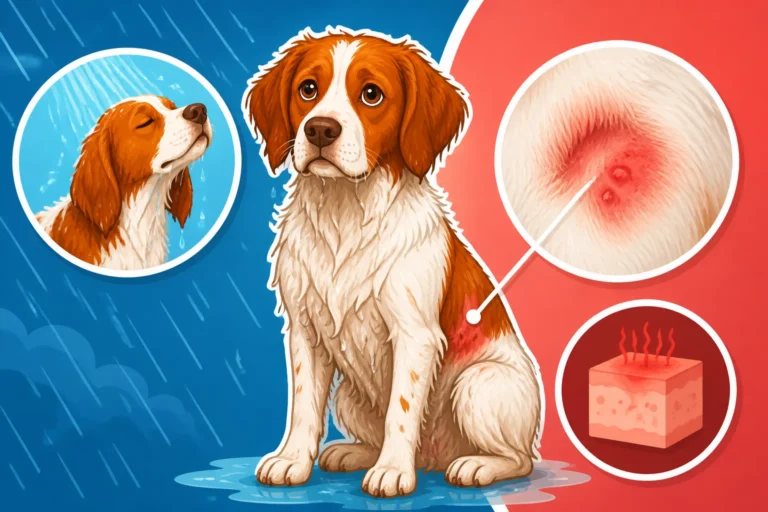
- Air Dry or Blow Dry: If weather permits, letting them air dry in a warm, clean area is an option, but keep them confined so they don't roll in dirt again. For faster drying, or if your Brittany has thick feathering, a pet-specific force dryer can be incredibly helpful. If using a human blow dryer, use a cool or low-heat setting and keep it moving to avoid burning their skin. Ensure they are completely dry, especially deep in their coat and ears, to prevent skin issues. Whether a Wet Brittany Gets Hot Spots is a real concern, so thorough drying is essential.
Alternatives to Full Baths
Sometimes a full bath is overkill or just not practical. There are excellent alternatives for maintaining cleanliness:
- Rinsing with Water Only: As discussed for hunting dogs, a plain water rinse is often enough to remove mud, dust, and environmental debris without stripping natural oils.
- Dry Shampoos/Waterless Shampoos: These products come in sprays or powders and can be great for quick freshen-ups, especially for Brittanys who spend most of their time indoors. You spray/apply, rub in, and brush out.
- Grooming Wipes: Pet-friendly grooming wipes are fantastic for cleaning muddy paws, wiping down bellies, or quickly cleaning any specific dirty spots without committing to a full bath.
- Targeted Spot Cleaning: If your Brittany rolls in something particularly stinky, you can usually just wash that one area with a small amount of shampoo and then rinse thoroughly. No need to wet the entire dog.
- Professional Grooming: If you're overwhelmed by the task, or your Brittany has accumulated significant mats or debris, a professional groomer can be a great resource. They have specialized tools and drying equipment to handle even the dirtiest coats.
Post-Bathing Care and Ongoing Coat Maintenance
Bathing is just one piece of the grooming puzzle. What you do between baths, and immediately afterward, is equally important for a healthy Brittany.
Conditioning and Moisturizing
After a bath, especially if you've used shampoo, your Brittany's coat and skin will benefit from a good conditioner. This not only makes their fur soft and easy to comb but also helps replenish moisture and prevents dryness. Apply it concentrating on the feathering and any areas prone to tangles, then rinse thoroughly. Some owners even use a leave-in conditioner spray on their feathering between baths to keep it soft and help repel debris.
As their coat dries, gently comb through the feathering. It's often easier to get tangles out when the hair is damp but not soaking wet. This also helps to ensure even drying and prevents new mats from forming.
Regular Grooming Between Baths
This is the secret weapon for a clean, healthy Brittany. A regular grooming routine can significantly reduce the need for frequent full baths.
- Daily Brushing: Seriously, this is key. Brittanys shed How Much a Brittany Sheds, and their feathering can tangle easily. Daily brushing removes loose hair, dead skin, dirt, and debris. It helps distribute natural skin oils, keeping the coat healthy and shiny. A slicker brush followed by a metal comb works wonders on their coat, especially the longer feathering.
- Ear Checks and Cleaning: Their adorable drop ears are prone to infections because they trap moisture and debris. Check their ears daily, especially after swimming or being in damp conditions. Clean them weekly with a vet-approved solution.
- Paw Care: Regularly check their paws for cuts, thorns, burrs, or excessive hair growth between the pads. Trim the hair between their paw pads to prevent mats and improve traction, particularly for active dogs.
- Nail Trims: Keep their nails trimmed short. Long nails can be uncomfortable, affect their gait, and even lead to foot problems.
Think of it this way: A Brittany's Coat Is Low Maintenance Until It Hits Cover, and when it does, daily attention will save you a lot of headache later.
Monitoring Skin and Coat Health
You are your Brittany's first line of defense. By regularly interacting with and grooming your dog, you'll become attuned to what's normal for their skin and coat. Pay attention to:
- Changes in Odor: A sudden or persistent strong odor might indicate a skin infection or underlying health issue.
- Redness or Irritation: Any areas of redness, inflammation, or rashes should be investigated.
- Excessive Scratching, Licking, or Chewing: This often points to discomfort, allergies, or parasites.
- Lumps or Bumps: While grooming, feel your Brittany all over for any unusual lumps, bumps, or tender spots.
- Dullness or Hair Loss: A significant change in coat luster or unexplained hair loss could signal nutritional deficiencies, hormonal imbalances, or other health problems.
If you notice any persistent or concerning changes in your Brittany's skin or coat, it's always best to consult your veterinarian. They can help diagnose the issue and recommend appropriate treatment, which might include specific bathing protocols or medications.
Disclaimer
This article is for general informational purposes only and does not constitute professional advice. Laws, prices and regulations vary by location and change over time. Consult a qualified professional for guidance on your specific situation.