Whether a Brittany Has a Sensitive Stomach
It's incredibly disheartening when your energetic, happy-go-lucky Brittany suddenly isn't themselves, often showing signs of an upset tummy. Whether it's unexpected vomiting, loose stools, or just a general lack of appetite, these moments leave us wondering if our beloved dogs are just prone to sensitive stomachs. This comprehensive guide will explore whether Brittanys are indeed more susceptible to digestive issues and provide actionable strategies to keep their active bodies feeling their best.
What Does a Sensitive Stomach Actually Mean for a Brittany?
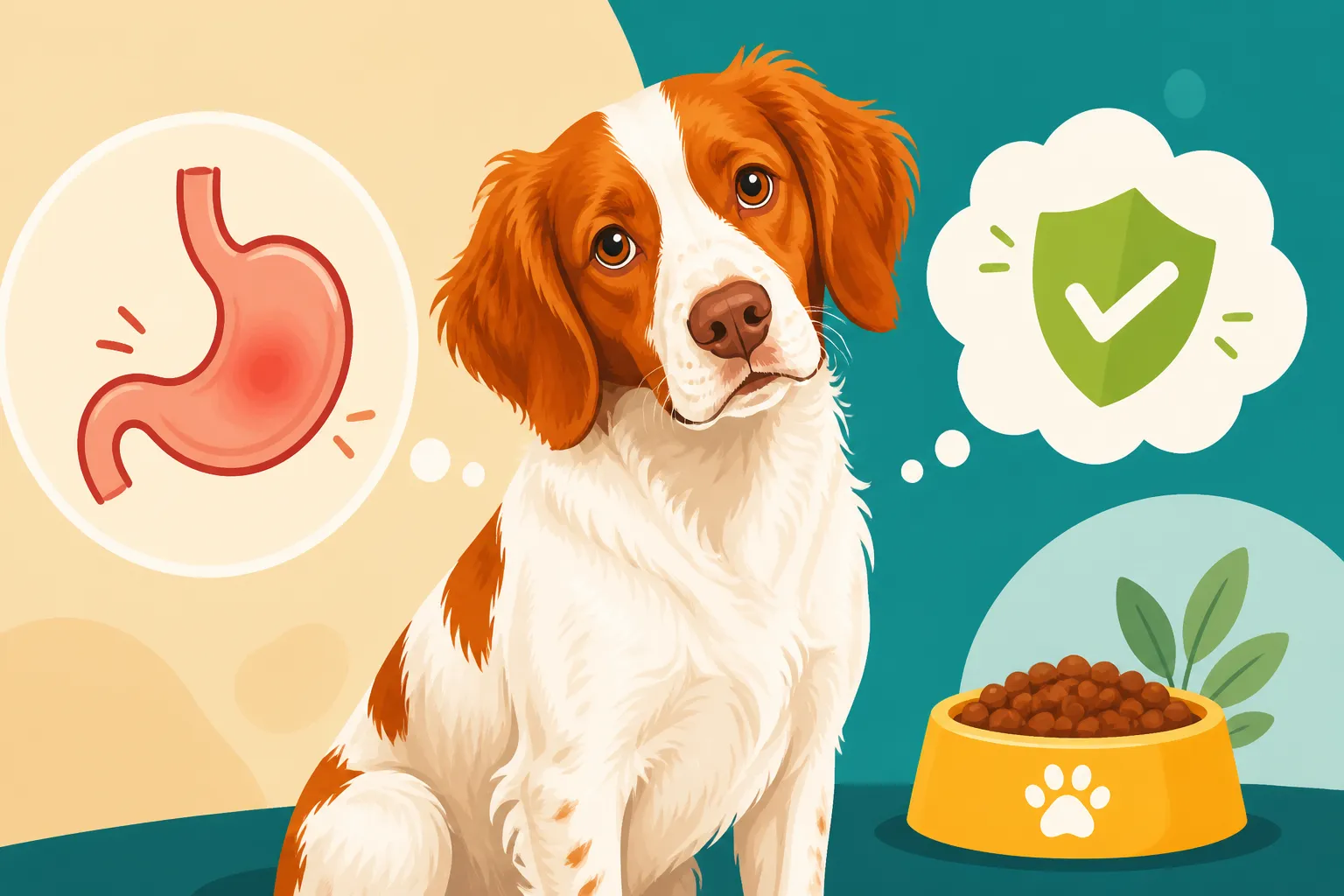
When we talk about a "sensitive stomach" in a Brittany, it's not always a single, clear-cut diagnosis. Instead, it's a catch-all term that can describe a whole range of digestive discomforts and symptoms. It often signifies that their gastrointestinal system reacts negatively to certain foods, environmental factors, or stress, leading to a variety of unpleasant signs. For such an active, enthusiastic breed, anything that throws their system off can really impact their quality of life and, let's be honest, ours too when we're dealing with messes!
Common Symptoms of Digestive Upset
Brittanys are known for their stoic nature and their incredible drive, which can sometimes make it hard to spot subtle signs of discomfort. However, when it comes to their stomach, they usually give us pretty clear signals if we know what to look for. It's not always just about explosive diarrhea or obvious vomiting, though those are certainly alarming.
Beyond the more dramatic symptoms, you might notice your Brittany:
- Excessive gas: More than the usual "dog farts," this can be frequent and quite pungent. It's a sign that their gut isn't processing food efficiently.
- Loud gurgling noises from their belly: Often called borborygmi, these sounds mean things are moving around in there, but sometimes it's indicative of an irritated or empty stomach.
- Picky eating or sudden refusal of their usual food: A Brittany usually has a healthy appetite, especially How Much an Adult Brittany Eats. If they suddenly turn up their nose, it's a red flag.
- Licking lips or excessive swallowing: These are often signs of nausea. They're trying to soothe an upset stomach or deal with excess saliva.
- Eating grass frequently: While dogs eat grass for various reasons, a sudden increase or frantic consumption can be a sign they're trying to induce vomiting or soothe an irritated digestive tract.
- Changes in stool consistency: This is probably the most common indicator. From soft, unformed stools to outright watery diarrhea, any deviation from firm, well-formed poop points to trouble.
- Vomiting bile (yellow foam) or undigested food: This could happen sporadically or become a regular occurrence.
Sometimes, skin issues like excessive itching, dull coat, or recurrent ear infections can also be linked to underlying food sensitivities, even without overt gastrointestinal signs. It’s all connected!
Common Triggers for Digestive Issues
Understanding what might be upsetting your Brittany's stomach is the first step toward finding a solution. It's easy to feel frustrated when you can't pinpoint the cause, but many factors can contribute:
- Sudden Diet Changes: This is probably the most common culprit. A quick switch from one food to another without a proper transition period can wreak havoc on a dog's gut microbiome.
- Scavenging: Our Brittanys are natural hunters, and that instinct can extend to sniffing out "treasures" on walks or raiding the garbage. Eating spoiled food, unusual plants, or even animal droppings can trigger a swift and unpleasant reaction.
- Food Allergies or Intolerances: These are different. An allergy involves an immune response, often with skin symptoms in addition to GI upset, while an intolerance is a digestive issue (e.g., lactose intolerance in humans). Common culprits include certain proteins (chicken, beef, dairy) or grains, though the latter is often overdiagnosed.
- Stress and Anxiety: Just like humans, dogs can get upset stomachs when they're stressed. Changes in routine, separation anxiety, or even being corrected too harshly can manifest as digestive upset. Consider What a Brittany's Temperament Is Really Like – they are sensitive dogs.
- Parasites: Internal parasites like worms (roundworms, hookworms, whipworms) or protozoa (Giardia, Coccidia) are notorious for causing diarrhea and other GI symptoms. This is why regular deworming and fecal checks are so important as part of their What a Brittany's Yearly Bloodwork Should Cover.
- Rich Treats or Human Food: While it's tempting to share, many human foods are too rich, fatty, or simply indigestible for a dog's system. Even a small piece of something like cheese or a fatty scrap can cause pancreatitis in sensitive individuals.
- Underlying Medical Conditions: Sometimes, a sensitive stomach is a symptom of something more serious, like inflammatory bowel disease (IBD), pancreatic insufficiency, or even certain cancers. This is why persistent or severe symptoms always warrant a vet visit.
Are Brittanys Predisposed to Sensitive Stomachs?
Compared to some breeds that are notoriously linked with specific digestive issues (think German Shepherds and pancreatic issues, or Boxers and certain cancers), Brittanys aren't widely known as a breed with a dominant genetic predisposition to sensitive stomachs across the board. However, that doesn't mean individual Brittanys can't develop them or that their lifestyle doesn't play a significant role.
Breed-Specific Sensitivities and General Health
While there isn't a specific "Brittany sensitive stomach gene" that's been widely identified, they are still dogs, and all dogs can develop sensitivities. They are generally considered a robust and healthy breed, as explored in articles like The Twelve to Fourteen Years a Brittany Gets. However, no breed is immune to digestive woes.
Some Brittanys might have a predisposition to:
- Food Allergies: Like any dog, they can develop allergies to common protein sources. It's often not the protein itself, but repeated exposure to the same protein over time that can trigger a reaction.
- Inflammatory Bowel Disease (IBD): This is a chronic condition where the digestive tract becomes inflamed. It's not exclusive to Brittanys, but any dog can develop it, leading to persistent vomiting, diarrhea, weight loss, and appetite changes.
- Pancreatitis: While often triggered by a high-fat meal, some dogs are more prone to pancreatitis, which is an inflammation of the pancreas and can be very serious.
It’s crucial to remember that what constitutes a "sensitive stomach" might simply be a reflection of a dog's general health, diet, and environment rather than a specific breed trait. Regular check-ups are key; How Often a Brittany Needs a Wellness Exam should be a priority.
The Impact of an Active Lifestyle
This is where a Brittany's incredible energy and drive come into play with their digestive health. Brittanys are athletes! They are built to run, hunt, and explore, which means their bodies have different demands than a couch potato breed.
- Fueling an Active Body: A Brittany working in the field needs a high-quality, easily digestible diet. Whether a Working Brittany Needs a Performance Food is a common question, and the answer is often yes. If their food isn't providing the right balance of protein, fat, and carbohydrates, or if it's difficult for their system to break down, it can lead to inefficient digestion, nutrient malabsorption, and tummy upset.
- Scavenging Opportunities: Their keen noses and curious nature mean they are constantly investigating their environment. In the field, this could mean eating berries, old animal carcasses, or even mud. At home, it might be raiding the compost bin. These "forays" into forbidden foods are a huge source of acute digestive upset.
- Hydration: Intense exercise can lead to dehydration, which impacts gut function. Ensuring your Brittany has access to fresh water, especially during and after hunts, is paramount.
- Stress of the Hunt: While they absolutely love it, the excitement and physical exertion of hunting can be a form of stress on the body. Some dogs might experience "stress colitis" – diarrhea brought on by heightened activity or anxiety.
A Brittany's digestive system needs to be robust to handle their adventurous spirit. Neglecting proper nutrition, hydration, and safe boundaries can easily lead to a "sensitive stomach" that might otherwise not be an inherent breed trait.
Strategies for Managing a Brittany's Digestive Health
If your Brittany does seem to have a sensitive stomach, don't despair! There are many strategies you can employ to help them feel better and maintain optimal digestive health. It often requires a bit of detective work and patience, but it's worth it for your dog's comfort and your peace of mind.
Choosing the Right Diet
The foundation of good digestive health starts with what goes into the bowl. Finding the right food for a sensitive Brittany can be a journey, but here are some key considerations:
- Limited Ingredient Diets (LIDs): These foods are designed with a minimal number of ingredients, usually a single novel protein source (like duck, venison, or lamb) and one carbohydrate source (like sweet potato). This makes it easier to identify and avoid potential allergens. Brands often available on platforms like Chewy and Amazon offer numerous LID options.
- Novel Protein Diets: Similar to LIDs, these foods utilize protein sources your dog hasn't been exposed to before, reducing the likelihood of an immune reaction. Think rabbit, kangaroo, or even insect protein.
- Hydrolyzed Protein Diets: For dogs with diagnosed severe food allergies, veterinarians might recommend a hydrolyzed protein diet. In these foods, the proteins are broken down into such small components that the immune system doesn't recognize them as allergens.
- Grain-Inclusive vs. Grain-Free: The "grain-free" trend was popular for a while, but it's important to understand that grains are rarely the cause of food sensitivities unless a specific allergy is confirmed. In fact, some research has suggested a potential link between certain grain-free diets and dilated cardiomyopathy (DCM) in dogs, though this is still being investigated. Always discuss with your vet before making drastic dietary changes. Many high-quality grain-inclusive foods are excellent for sensitive stomachs.
- Fresh Food Options: Some owners find success with fresh-prepared dog food services. Brands like Ollie prepare human-grade ingredients, which can be highly digestible for some dogs with sensitivities. The limited, natural ingredients can be a good fit.
- Quality Over Quantity: Always prioritize high-quality ingredients. Look for named meat sources as the first ingredient, and avoid artificial colors, flavors, and excessive fillers.
Remember that any diet change should be done gradually over 7-10 days, mixing increasing amounts of the new food with decreasing amounts of the old.
Probiotics and Other Supplements
Beyond their main meal, certain supplements can play a supportive role in a Brittany's digestive health:
- Probiotics: These beneficial bacteria help maintain a healthy balance in the gut microbiome, which is crucial for digestion and immune function. If your Brittany has been on antibiotics, experienced stress, or had a bout of diarrhea, a course of probiotics can be very helpful. They come in powders, chews, or capsules.
- Prebiotics: These are types of fiber that feed the beneficial bacteria in the gut. Many high-quality dog foods include prebiotics, but supplements are also available.
- Digestive Enzymes: For dogs with exocrine pancreatic insufficiency (EPI) or other malabsorption issues, digestive enzyme supplements can help them break down and absorb nutrients from their food. This is typically prescribed by a vet.
- Omega-3 Fatty Acids: Found in fish oil, these have anti-inflammatory properties that can benefit overall gut health and may help manage symptoms of IBD.
Always discuss any new supplements with your veterinarian to ensure they are appropriate for your Brittany and won't interact with any existing medications or conditions.
When to Consult the Vet
While we can manage many mild digestive upsets at home, it's crucial to know when to seek professional veterinary attention. Don't hesitate to call your vet if your Brittany exhibits any of the following:
- Persistent vomiting or diarrhea: If it lasts more than 24-48 hours, especially if accompanied by other symptoms.
- Blood in vomit or stool: This can appear bright red (fresh blood) or dark and tarry (digested blood).
- Lethargy, weakness, or collapse: If your normally energetic Brittany is suddenly very quiet, sluggish, or unable to stand.
- Signs of dehydration: Sunken eyes, tacky gums, loss of skin elasticity.
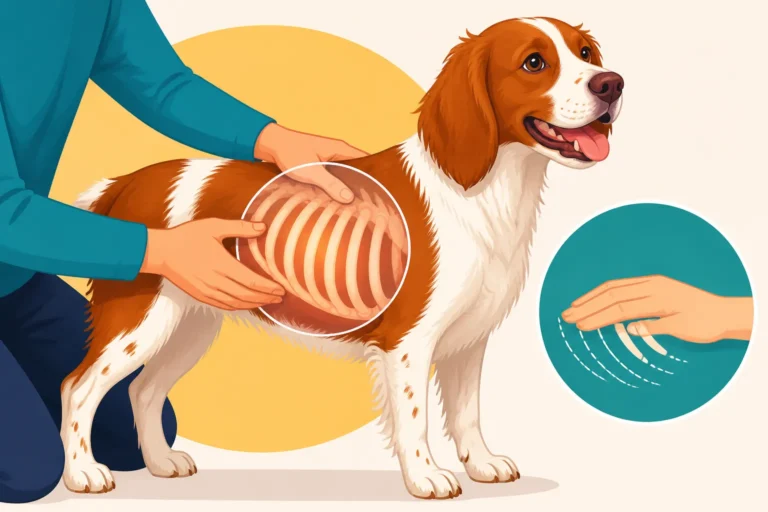
- Fever or abdominal pain: Sensitivity when you touch their belly, panting, or restlessness.
- Unsuccessful home remedies: If bland diets or temporary fasting don't improve symptoms.
- Suspected bloat: If your Brittany has a distended abdomen, is retching unsuccessfully, and seems distressed, this is a life-threatening emergency. Learn the signs of Whether a Brittany Bloats.
A vet can run diagnostics such as fecal exams, blood tests, X-rays, or even ultrasounds to determine the underlying cause and prescribe appropriate treatment.
Preventative Measures and Daily Care
Prevention is always better than cure, especially when it comes to a sensitive stomach. Integrating good daily practices into your Brittany's routine can significantly reduce the risk of digestive upsets.
Slow and Steady Diet Transitions
This point cannot be stressed enough. If you ever need to change your Brittany's food, whether it's moving from puppy food to adult food, switching brands, or even just changing flavors within the same brand, do it gradually.
A typical transition schedule looks like this:
- Days 1-2: 75% old food, 25% new food
- Days 3-4: 50% old food, 50% new food
- Days 5-6: 25% old food, 75% new food
- Day 7+: 100% new food
For particularly sensitive dogs, you might even extend this over two weeks. This allows their digestive system and gut bacteria time to adjust to the new ingredients, minimizing the chances of an upset stomach.
Avoiding Scavenging and "Forbidden" Foods
Brittanys are naturally curious and driven by scent, which means they are prime candidates for finding and eating things they shouldn't. This is a common cause of sudden digestive issues.
- Supervise During Walks: Keep a close eye on your Brittany, especially in wooded areas, fields, or anywhere they might encounter wild animal droppings, dead animals, or tempting plants. Consider using a leash in high-risk areas.
- Secure Your Home and Yard: Make sure trash cans have secure lids, compost bins are inaccessible, and any toxic plants are out of reach. Remember, their noses are incredible!
- Say No to Table Scraps: While a tiny, cooked, plain piece of meat might be okay, avoid giving your Brittany fatty trimmings, cooked bones (which can splinter), onions, garlic, chocolate, grapes, raisins, xylitol (a sugar substitute), or anything heavily seasoned. Many common human foods are toxic or just too rich for dogs.
- Mind the Hunt: When you're out hunting, be extra vigilant. A Brittany might try to eat part of a downed bird or scavenge something else off the ground. A good "leave it" command is invaluable. Also, be mindful of what they eat before the hunt; What a Brittany Needs Within an Hour of a Hunt usually isn't a full meal.
Regular Deworming and Parasite Control
Parasites are a hidden enemy of a healthy digestive system. Many common worms and protozoa can cause chronic or acute diarrhea, weight loss, and general poor health.
- Veterinary Guidance: Follow your veterinarian's recommendations for regular deworming, especially for puppies and active hunting dogs who are more exposed.
- Fecal Exams: Even if your dog isn't showing symptoms, routine fecal exams as part of their What a Brittany's Yearly Vaccinations Cost or wellness check can detect parasites before they become a major problem.
- Prevention: Use veterinarian-recommended flea and tick preventatives, as some parasites are transmitted by insects.
Managing Stress
A Brittany's sensitive nature means stress can take a toll on their physical health, including their digestive system. A stressed Brittany might show symptoms like diarrhea or vomiting.
- Consistent Routine: Dogs thrive on routine. Try to keep feeding times, walk times, and training sessions consistent.
- Plenty of Exercise: A well-exercised Brittany is generally a happier, less stressed Brittany. Ensure they get enough physical and mental stimulation to burn off their abundant energy. If they're under-exercised, they might develop anxiety or destructive behaviors.
- Positive Reinforcement: Brittanys respond best to positive, gentle training methods. Harsh corrections can cause stress and anxiety, potentially leading to physical manifestations like an upset stomach.
- Safe Space: Ensure your Brittany has a quiet, comfortable place to retreat to when they need alone time or feel overwhelmed.
- Socialization: Proper socialization from a young age can help them feel more comfortable and confident in various situations, reducing stress responses.
By being proactive in these areas, you can provide the best possible environment for your Brittany's overall well-being, including their sensitive tummy.
| Symptom | Potential Cause | When to Consult a Vet |
|---|---|---|
| Intermittent Vomiting (bile) | Hunger, mild indigestion, scavenging, stress | Persistent >24 hrs, contains blood, accompanied by lethargy |
| Loose Stools / Diarrhea | Diet change, parasites, food intolerance, stress, infection | Persistent >24 hrs, contains blood, severe lethargy, dehydration |
| Excessive Gas | Diet, food intolerance, eating too fast, bacterial imbalance | Accompanied by severe discomfort, bloating, decreased appetite |
| Loud Stomach Gurgling | Hunger, diet change, mild upset, increased gut motility | Accompanied by pain, restlessness, refusal to eat, unproductive retching |
| Reduced Appetite / Pickiness | Stress, mild upset, food aversion, underlying illness | Lasting >1 day, sudden refusal of all food/water, weight loss |
| Paw Licking / Lip Smacking | Nausea, discomfort, dental issues | Frequent, accompanied by other GI signs or restlessness, drooling |
| Eating Grass Frequently | Nausea, dietary deficiency, behavioral | Sudden increase, frantic consumption, followed by vomiting |
Disclaimer
This article is for general informational purposes only and does not constitute professional advice. Laws, prices and regulations vary by location and change over time. Consult a qualified professional for guidance on your specific situation.