When a Brittany’s Hips Can Be Screened Early
The vibrant, energetic Brittany is a true athlete, a dog bred to cover ground tirelessly in pursuit of game. But for many owners, the sheer athleticism that makes these dogs so incredible also brings a nagging worry: hip health. Watching your Brittany bound through the fields, you can’t help but wonder if their joints are holding up, and the thought of waiting until they're two years old for a definitive hip certification can feel like an eternity. This guide is all about understanding when you can get an earlier glimpse into your Brittany's hip development, giving you valuable insights much sooner than the traditional approach.
The Traditional Approach to Brittany Hip Certification
For decades, the gold standard for evaluating a dog's hips, particularly in working and breeding circles, has been the Orthopedic Foundation for Animals (OFA) certification. The OFA system is well-known, and its certifications are widely accepted. However, there's a significant caveat for anxious owners: OFA hip certification can only be performed once a dog reaches two years of age. This waiting period often leaves new Brittany owners feeling a bit in the dark, wondering about their pup's joint health during critical developmental stages.
Why OFA Certification Waits Until Two Years Old
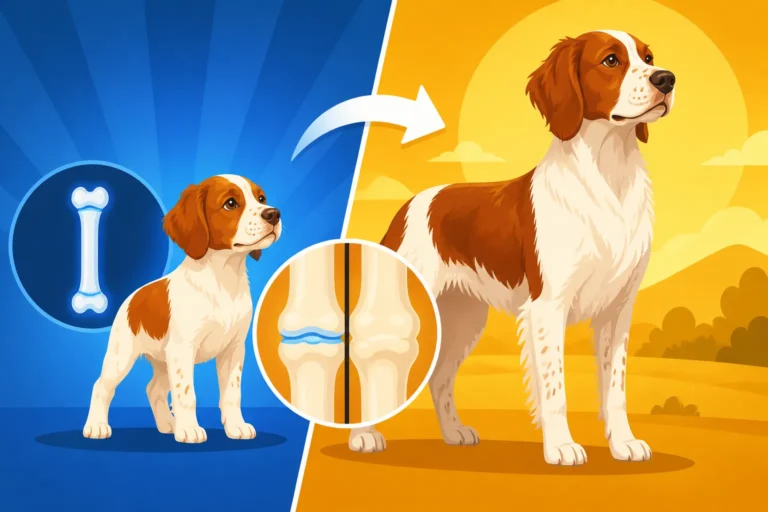
The reason for the two-year wait for OFA certification is rooted in the belief that a dog's hip joints are not fully mature until this age. The bones have finished growing, the growth plates have closed, and the soft tissues supporting the joint have developed. The OFA process involves a specific radiographic view of the hips, taken when the dog is sedated or anesthetized, ensuring proper positioning. These X-rays are then evaluated by a panel of three independent, board-certified veterinary radiologists. They assess the hip joints for signs of laxity, degenerative joint disease, and other indicators of hip dysplasia.
The concern with screening too early using the OFA method is that a younger dog's hips might appear lax due to incomplete joint maturity, leading to a misdiagnosis. Conversely, a seemingly "good" hip at a young age might develop issues later as the dog matures and puts more strain on the joints. This waiting period is intended to provide the most accurate long-term assessment of hip quality. Many breeders will proudly share their dogs' OFA results, and it's a key indicator of a responsible breeding program. You can learn more about why a Brittany OFA Hip Certification Waits Until Two by delving deeper into the specifics of the process.
The Anxiety of Waiting and Its Impact
Imagine bringing home your spirited Brittany puppy, full of boundless energy and eager to explore. You enroll them in puppy classes, introduce them to basic field work, and plan for a future of adventure. But in the back of your mind, the two-year waiting period for hip certification looms. This can create a real dilemma for owners. Should you limit intense exercise, worrying about potential damage to still-developing hips? What if you're training for advanced field trials, where peak physical condition is paramount? The uncertainty can make it hard to make informed decisions about diet, exercise intensity, and even future breeding plans.
This anxiety isn't just about sporting prospects; it's about the general well-being of your beloved companion. Knowing sooner could mean implementing preventive measures, like specific supplements or adjusted exercise routines, to support joint health from an earlier age. It’s also a huge factor if you're considering breeding your Brittany; responsible breeders want to ensure they're producing healthy offspring, and early information can guide those critical choices, even if preliminary. The good news is, there are alternative screening methods that offer valuable insights much earlier.
Exploring Early Hip Screening with PennHIP
While OFA has its established place, another method has gained significant traction for its ability to assess hip laxity in younger dogs: PennHIP. Developed by the University of Pennsylvania, PennHIP provides a quantitative measurement of hip joint laxity, which is a primary indicator of a dog's susceptibility to hip dysplasia. This method offers a distinct advantage for those eager to know their Brittany's hip status sooner.
What PennHIP Is and How It Works
PennHIP stands for the University of Pennsylvania Hip Improvement Program. Unlike OFA, which focuses on a single "extended view" radiograph, PennHIP uses three distinct radiographic views:
- Distraction View: This is the cornerstone of the PennHIP method. The dog's hips are gently distracted (pushed apart) using a specialized device, which reveals the degree of laxity in the joint. The more the femoral head can be distracted from the acetabulum (the hip socket), the greater the laxity.
- Compression View: This view helps to determine the maximal seating of the femoral head into the acetabulum, providing information about the inherent shape and fit of the joint.
- Hip Extended View: Similar to the OFA standard view, this helps assess for the presence of degenerative joint disease.
All three views are taken under sedation or general anesthesia to ensure proper muscle relaxation and accurate positioning. The resulting radiographs are then submitted to PennHIP for evaluation. Instead of a subjective "Fair," "Good," or "Excellent" rating, PennHIP provides a "Distraction Index" (DI) score, which is a quantitative measure of hip laxity. This DI value can range from 0 to 1, with values closer to 0 indicating tighter hips and values closer to 1 indicating more lax hips. This objective scoring is one of the reasons many owners appreciate the PennHIP approach. For a deeper dive into what PennHIP Tells a Brittany Owner, it’s worth exploring the details of this innovative method.
When a Brittany Can Undergo PennHIP Screening
One of the most appealing aspects of PennHIP for Brittany owners is the age at which it can be performed. While OFA requires a dog to be at least two years old, PennHIP can be performed on puppies as young as 16 weeks (4 months) of age. This is a game-changer for those who want to make early decisions about their dog's training, activity level, and potential for breeding.
Imagine getting a PennHIP assessment for your Brittany puppy at just four months old. This means you could have a clearer understanding of their genetic predisposition to hip dysplasia before they even hit their first hunting season or begin more strenuous training. This early information can guide discussions with your veterinarian about appropriate exercise, nutrition, and even supplements. While it doesn't replace the two-year OFA for certain certifications, it provides a powerful predictive tool.
Finding a Certified PennHIP Veterinarian
PennHIP is a specialized procedure, and not all veterinary clinics are equipped or certified to perform it. Veterinarians must undergo specific training and certification to become qualified PennHIP practitioners. This ensures they understand the precise positioning techniques and equipment needed to obtain accurate and repeatable radiographs.
To find a certified PennHIP veterinarian in your area, you can typically use the PennHIP website's locator tool. It’s important to contact the clinic beforehand to discuss their process, sedation protocols, and pricing. Being prepared and finding a vet experienced with this method is crucial for getting reliable results for your Brittany. The investment in finding a qualified practitioner is well worth the peace of mind you gain from early screening.
Advantages and Practical Considerations of Early Hip Screening
Opting for early hip screening with PennHIP offers several significant advantages for Brittany owners, from informing lifestyle choices to financial planning. However, there are also practical considerations, including cost and the scope of insurance coverage, that deserve a closer look.
Benefits of Early Detection
The primary benefit of early hip screening is, without a doubt, early detection of hip laxity. If your Brittany's PennHIP results indicate a higher degree of laxity, it doesn't mean they will get severe hip dysplasia, but it does mean they are at a higher risk. This knowledge allows you to be proactive rather than reactive.
- Lifestyle Adjustments: You can work with your vet to tailor an exercise program that strengthens supporting muscles without putting undue stress on the joints. This might mean avoiding certain high-impact activities in favor of swimming or controlled leash walks.
- Nutritional Support: Your vet might recommend specific joint-supporting diets or supplements (e.g., glucosamine, chondroitin, omega-3 fatty acids) to help maintain cartilage health and reduce inflammation.
- Monitoring and Intervention: Knowing your Brittany is at risk means you can more closely monitor for signs a Brittany's hips hurt, such as lameness, stiffness, or reluctance to jump. Early intervention, if needed, can significantly improve outcomes.
- Breeding Decisions: For responsible breeders, early PennHIP results can be invaluable. While OFA at two years is still the primary certification for breeding, early PennHIP data helps make more informed decisions about potential pairings and helps reduce the incidence of hip dysplasia in future generations. This is a crucial part of what a Brittany Breeder Should Have Tested to ensure the long-term health of the breed.
Financial Aspects and Insurance Coverage
The cost of early hip screening, particularly PennHIP, can vary depending on your geographic location and the veterinary clinic. Generally, it will involve the cost of sedation/anesthesia, the radiographic procedure, and the submission fees to PennHIP. It's often comparable to or slightly more expensive than traditional OFA X-rays due to the specialized equipment and multiple views required. Expect to pay anywhere from a few hundred to over a thousand dollars.
When it comes to covering these costs, pet insurance can be a huge help. Many policies, including those from providers like Healthy Paws, will cover the diagnostic costs associated with hip issues, provided that hip dysplasia is not considered a pre-existing condition. This is where early screening becomes even more valuable. If you screen your Brittany early with PennHIP, and a predisposition to hip dysplasia is identified before you enroll in a policy or before symptoms manifest, some insurance plans might still offer coverage for future treatments. However, if symptoms of hip dysplasia are already present before you get coverage, it will almost certainly be considered a pre-existing condition and excluded. It's vital to review your specific pet insurance policy or discuss options with a provider like Healthy Paws to understand their coverage for orthopedic conditions and diagnostic procedures. Investing in a good policy early can potentially save you thousands if costly interventions like What Hip Surgery Costs on a Brittany become necessary.
| Screening Method | Minimum Age | Information Provided | Scoring Method | Primary Purpose | Cost Range (Estimate) |
|---|---|---|---|---|---|
| OFA | 24 Months | Presence/absence of degenerative joint disease, overall joint conformation | Subjective (Excellent, Good, Fair, Borderline, Mild, Moderate, Severe) | Breeding certification, overall hip health | $200 – $500 |
| PennHIP | 16 Weeks | Quantitative measure of hip laxity (Distraction Index) | Objective (Distraction Index 0-1) | Early risk assessment, breeding guidance | $300 – $800+ |
This table provides a concise comparison of the two main hip screening methods for Brittanys. Remember, these are general estimates, and actual costs can vary significantly. You can also explore What a Brittany's Hip Radiographs Cost in more detail.
The Role of Breeders and Responsible Ownership
Responsible Brittany breeders often utilize early screening methods like PennHIP, alongside traditional OFA certifications, to make the best possible breeding decisions. They aim to reduce the incidence of hip dysplasia within their lines and provide puppy buyers with the healthiest possible dogs. If you're acquiring a puppy, don't hesitate to ask the breeder about their hip screening practices for both the dam and sire, including whether they perform early PennHIP evaluations on their breeding stock or provide a health guarantee.
As an owner, even if your Brittany isn't destined for breeding, early screening empowers you. It provides critical information that allows you to manage your dog's health proactively, potentially extending their active life and improving their quality of life. Understanding topics like How Common Hip Dysplasia Is in Brittany Spaniels and The Age a Brittany Gets Arthritis can help you appreciate the importance of these screening methods.
Interpreting Early Hip Screening Results and Next Steps
Once your Brittany has undergone PennHIP screening, you'll receive a report detailing their Distraction Index (DI) and how it compares to other Brittanys within the breed and all breeds tested. Understanding this report is key to determining your next steps.
Decoding the Distraction Index (DI)
The Distraction Index (DI) is a numerical measure of hip joint laxity.
- DI closer to 0 (e.g., 0.20-0.30): Indicates very tight hips with minimal laxity, suggesting a low risk for developing hip dysplasia.
- DI closer to 1 (e.g., 0.70-1.00): Indicates very lax hips, suggesting a high risk for developing hip dysplasia.
- Intermediate DI values (e.g., 0.31-0.69): Fall within a range where the risk is moderate to high, depending on where they fall within the breed's typical range.
The PennHIP report will also include a graph showing where your Brittany's DI falls within the entire Brittany population and sometimes within all breeds. This comparison is vital. A DI of 0.45 might be considered "tight" for a very lax breed, but "average" or even "lax" for a breed with typically tighter hips like some sporting breeds. Your veterinarian will help you interpret these results specifically for your Brittany.
Actionable Steps Based on Early Results
Receiving your Brittany's PennHIP results opens the door to informed decision-making:
-
Low Laxity (Tight Hips): If your Brittany has a low DI, congratulations! This indicates a genetically tight hip joint and a low risk for hip dysplasia. You can proceed with their training and activities with greater confidence, still mindful of proper conditioning and injury prevention, which are always important for an active breed like the Brittany. You might also be interested in topics such as What the OFA Records Show About Brittany Hips for further context on breed health.
-
Moderate to High Laxity (Lax Hips): If your Brittany's DI indicates moderate to high laxity, it's not a definitive diagnosis of hip dysplasia, but it does mean they are at an elevated risk. This is where proactive management becomes crucial:
- Veterinary Consultation: Work closely with your veterinarian to develop a personalized management plan. This might include specific physical therapy exercises, weight management to reduce stress on joints, and dietary supplements.
- Controlled Exercise: Avoid high-impact activities like aggressive jumping or prolonged strenuous running on hard surfaces, especially during growth. Focus on low-impact exercises like swimming, controlled leash walks, and gentle off-leash play on soft ground. You could even explore whether a working Brittany wears its joints out through prolonged activity.
- Weight Management: Keeping your Brittany at a lean, healthy weight is paramount. Excess weight puts significant strain on already vulnerable joints.
- Monitoring for Symptoms: Be vigilant for any signs of discomfort or lameness. Early detection of symptoms allows for earlier intervention, which can prevent the condition from worsening.
- Breeding Considerations: If breeding was a consideration, a moderate to high DI would warrant careful re-evaluation. While PennHIP offers a predictive measure, the two-year OFA certification is still widely used in breeding protocols.
It’s important to remember that early screening is a tool for risk assessment and proactive management. It allows you to tailor your Brittany's care to their individual needs, setting them up for the healthiest and most active life possible. For owners contemplating breeding, these early insights are invaluable for the continuous improvement of the breed's health.
Disclaimer
This article is intended for informational purposes only and does not constitute veterinary advice. Always consult with a qualified and certified veterinarian for any health concerns or before making any decisions about your Brittany's medical care, diet, or exercise regimen. The information provided herein is general and may not apply to your specific situation.