Whether a C3 Deficient Brittany Responds to Vaccines
It’s a truly frightening moment when you learn your beloved Brittany might have a C3 deficiency. Suddenly, all those routine things you take for granted with a healthy dog, like their annual vaccinations, start to feel like a huge question mark. You're left wondering if those vital shots will even work, or if you're leaving your furry companion vulnerable despite your best efforts. This guide is here to walk you through everything you need to know about C3 deficiency in Brittanys and how it impacts their ability to respond to vaccines, offering clear, empathetic advice so you can make informed decisions for your dog’s health.
Understanding C3 Deficiency in Brittanys
Before we dive into vaccines, let’s really understand what C3 deficiency means for a Brittany. It's not just a fancy medical term; it points to a serious genetic hiccup in their immune system that can leave them fighting with one paw tied behind their back.
What C3 Deficiency Actually Means for Your Brittany's Immune System
Imagine your dog's immune system as a highly trained army, with different units performing specialized roles to fight off invaders like bacteria and viruses. One crucial unit in this army is the "complement system," and within that, C3 (short for Complement Component 3) is like the general that kicks off many of the most important defensive maneuvers. Without C3, the entire complement cascade – a series of protein activations that tag pathogens for destruction, attract other immune cells, and even directly kill some invaders – simply can't function properly.
For a Brittany with C3 deficiency, this means their immune system struggles to identify and eliminate threats effectively. They might have a harder time clearing bacterial infections, fighting off certain viruses, or even dealing with fungi. It's not that they have no immune response, but a significant part of their innate immunity, the fast-acting, non-specific defense, is severely compromised. This vulnerability is a huge concern for owners, especially when thinking about exposure to common pathogens, which is exactly what vaccines prepare the body for. You can learn more about exactly What C3 Deficiency Does to a Brittany.
How C3 Deficiency is Inherited and Diagnosed
The C3 deficiency in Brittanys isn't something they pick up from the environment; it’s a genetic condition, meaning it’s passed down from their parents. It's an autosomal recessive trait, which in plain language means a puppy needs to inherit two copies of the faulty gene – one from each parent – to actually express the deficiency. If a dog only inherits one copy, they become a "carrier" and are healthy themselves, but can pass the gene on to their offspring. This is why responsible breeders are so crucial. Knowing How C3 Deficiency Is Inherited in Brittanys is key for preventing its spread.
Diagnosis typically involves a blood test that measures the levels of C3 protein in your dog's serum. A significantly low or undetectable level confirms the deficiency. For prospective owners, thankfully, there's also a DNA test available. This test can identify both deficient dogs and carriers, allowing breeders to make informed decisions about breeding pairs to avoid producing affected puppies. If you're wondering Whether a DNA Test for Brittany C3 Deficiency Exists, the good news is, yes, it does, and it's a powerful tool in preventing this condition. Knowing your dog's status early on, especially if you suspect Signs a Brittany Puppy Has an Immune Problem, can be a game-changer for their long-term care and management.
Common Health Challenges Faced by C3 Deficient Brittanys
Because C3 is so central to a robust immune response, Brittanys with this deficiency often face a lifelong battle against infections. They’re simply more susceptible to illnesses that a dog with a healthy immune system would easily shrug off. These aren't just minor sniffles; we're talking about serious, recurrent infections that can impact their quality of life and even be life-threatening.
For instance, bacterial infections of the skin, respiratory tract, and urinary tract are common culprits. These dogs might develop chronic skin issues, persistent coughs, or frequent bladder infections that are difficult to clear even with antibiotics. They might also be more prone to systemic infections, where bacteria spread throughout the body, leading to more severe conditions like sepsis. The critical thing to remember is that their body struggles to mount an initial, effective defense. This means a seemingly minor scratch or a common bug can escalate into something much more serious than it would in another dog. Understanding Why a C3 Deficient Brittany Cannot Fight Infection truly highlights the gravity of the situation. Some common infections Which Infections a C3 Deficient Brittany Gets include recurrent bacterial skin infections (pyoderma), pneumonia, and severe fungal infections, often presenting early in life. Sadly, these issues often emerge when they are still very young; typically, The Age C3 Deficiency Shows in a Brittany is within their first few months of life, making early diagnosis and management crucial.
The Core Question: Do C3 Deficient Brittanys Respond to Vaccines?
This is the burning question for any owner of a C3 deficient Brittany. You want to protect your dog, but if their immune system is compromised, will vaccines even work? And if they don't, what then?
The Mechanism of Vaccine Response and C3's Role
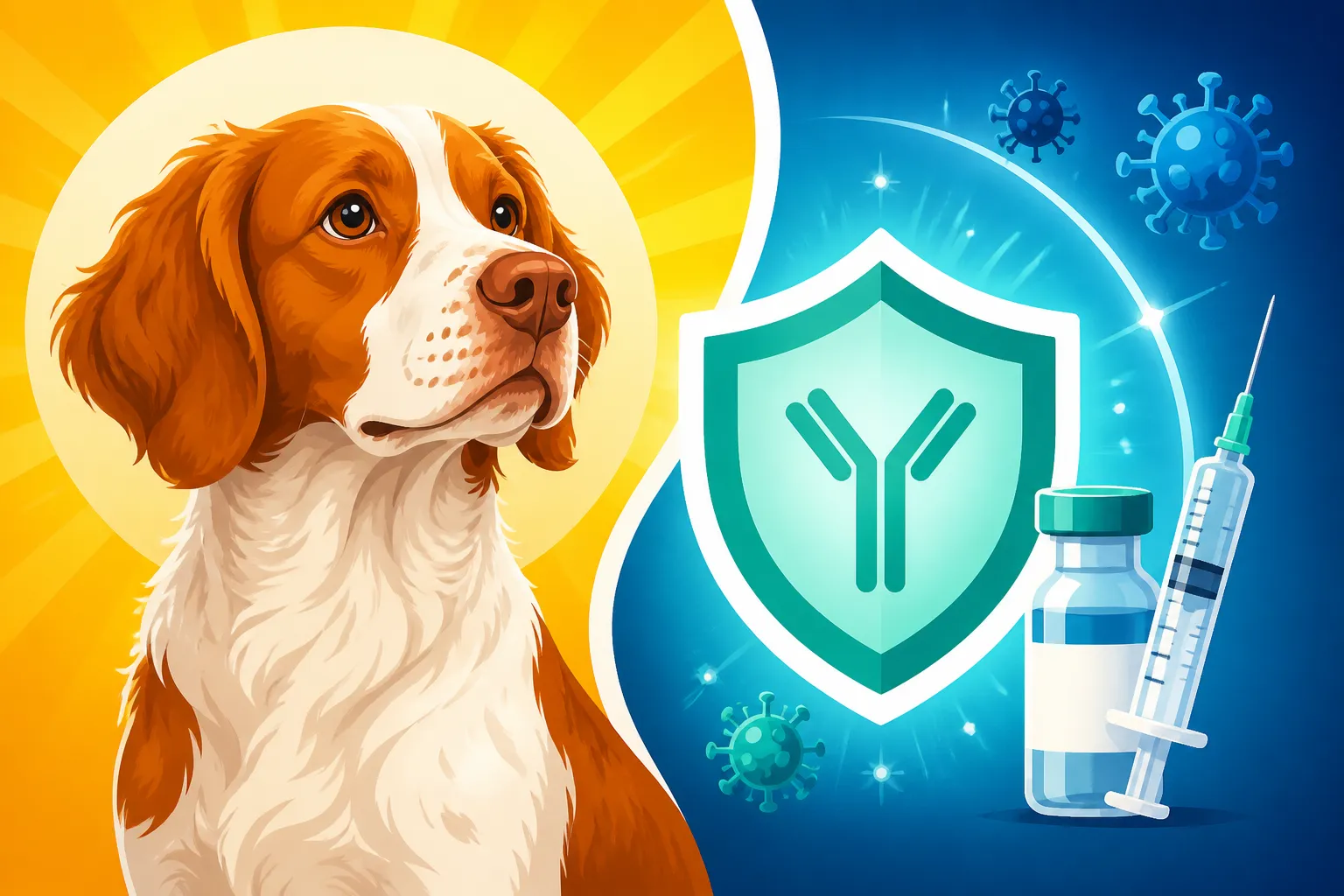
To understand vaccine response, think of it like a training drill for the immune system. A vaccine introduces a weakened or inactivated form of a pathogen (or parts of it) to your dog's body. The immune system then learns to recognize these "invaders" and produces antibodies and specialized cells that can fight them off quickly if the real threat ever appears. This process heavily relies on various components of the immune system working in concert.
While C3 is primarily involved in the innate immune system (the immediate, non-specific response), it also plays a role in activating and enhancing the adaptive immune system (the specific, memory-forming response that vaccines target). Specifically, C3 breakdown products can act as co-stimulatory signals for B cells, which are the immune cells responsible for producing antibodies. So, a healthy complement system helps to optimize the adaptive immune response, making it stronger and more efficient. Without adequate C3, the immune system's ability to fully process the vaccine's "training" signals might be hampered. It might still generate some antibodies, but perhaps not as robustly or enduringly as a dog with a fully functional complement system. This is the crux of the concern: will the "training" stick enough to provide meaningful protection?
Research and Veterinary Consensus on Vaccine Efficacy
The good news is that while C3 deficiency certainly presents challenges, most veterinarians and research suggest that C3 deficient Brittanys can still respond to vaccines, though perhaps not with the same optimal efficacy as unaffected dogs. The immune system is complex, and other parts of it (like T-cells and B-cells) can still be stimulated by vaccines to produce a protective response. The absence of C3 doesn't completely cripple the entire adaptive immune system.
However, the response might be weaker, slower to develop, or shorter-lived. This means that while vaccination is still highly recommended to provide some level of protection, it's crucial not to assume your C3 deficient Brittany is as fully protected as their healthy counterparts. Because of this, it's often recommended to assess vaccine efficacy through antibody titer testing. Titer tests measure the level of antibodies in your dog's blood for specific diseases (like distemper or parvovirus). If the titers are sufficiently high, it indicates a protective immune response. If they're low, it might suggest the need for a booster or a different approach. While no specific universal guidelines exist solely for C3 deficient Brittanys, the general consensus among specialists is to vaccinate, but closely monitor and individualize the protocol with your primary care veterinarian and potentially an internal medicine specialist.
The Risks of Unvaccinated C3 Deficient Brittanys
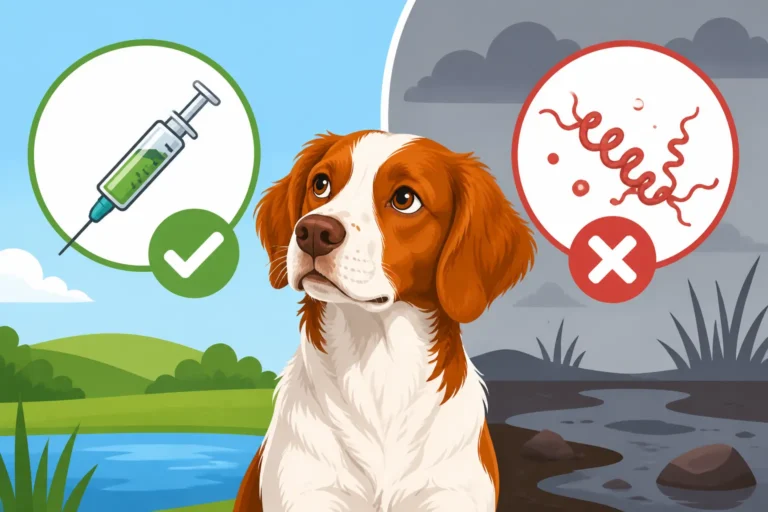
Given the potential for a suboptimal vaccine response, some owners might be tempted to forgo vaccination altogether. However, this is a very risky path. An unvaccinated C3 deficient Brittany is incredibly vulnerable to common, often deadly, infectious diseases. Diseases like parvovirus, distemper, leptospirosis, and rabies are severe, and for a dog already struggling with a compromised immune system, contracting one of these could be catastrophic.
Even if a vaccine doesn't produce a perfect, lifelong immunity in a C3 deficient dog, it still offers some level of preparation. Think of it as putting on a helmet for protection, even if it's not a full suit of armor. Partial immunity is almost always better than no immunity. The risk of contracting a serious disease and facing severe illness or death far outweighs the potential downsides of vaccination, especially when managed carefully with your vet. The immune system needs every tool it can get, and even a partially effective vaccine provides a crucial advantage. This is where comprehensive pet insurance like that offered by Healthy Paws can be incredibly valuable, as managing the potential health issues of a C3 deficient dog can incur significant veterinary costs, even with careful vaccination.
Navigating Vaccination Protocols for C3 Deficient Brittanys
Okay, so we know vaccination is important, but how do you approach it differently for a C3 deficient Brittany? It's definitely not a one-size-fits-all situation; this requires a thoughtful, tailored plan with your veterinary team.
Tailoring a Vaccine Schedule with Your Vet
When you have a C3 deficient Brittany, your regular vaccine schedule might need some adjustments. The goal is to provide maximum protection while minimizing any unnecessary immune stimulation, as even vaccines can place a mild stress on the system.
Here’s how you and your vet might approach it:
- Individualized Assessment: Your vet will consider your Brittany's lifestyle, exposure risk (e.g., if they frequent dog parks, travel, or hunt), and overall health. A dog that rarely leaves the backyard might have different needs than a working Brittany who is constantly in new environments.
- Core Vaccines First: Focus on the core vaccines (Distemper, Adenovirus, Parvovirus, Rabies) which protect against the most common and dangerous diseases. These are often considered non-negotiable.
- Extended Intervals: Some vets might recommend extending the interval between initial puppy shots slightly, or between booster shots, to give the immune system more time to respond. However, this needs to be balanced against the risk of leaving the puppy unprotected for too long.
- Titer Testing: This is arguably the most crucial tool. Instead of blindly administering booster shots every year or three years, your vet can draw blood and check antibody titers. If the titers are still protective, you might be able to skip a booster, reducing the frequency of vaccinations. If they're low, a booster would be indicated. This prevents both over-vaccination and under-protection.
- Non-Core Vaccines: For non-core vaccines like Leptospirosis, Bordetella, or Lyme, a thorough discussion with your vet is essential. These are typically given based on geographical risk and lifestyle. For a C3 deficient dog, the decision should lean heavily on whether the risk of exposure to the disease outweighs the potential immune stress of the vaccine. For example, if your Brittany is never exposed to standing water or wildlife, a Lepto vaccine might be deemed unnecessary.
This personalized approach is vital. It’s a continuous conversation with your vet, adjusting as your dog ages and their lifestyle changes. Pet insurance like Healthy Paws can help manage the costs associated with regular vet check-ups and titer testing, making it easier to follow these tailored plans. You should regularly discuss What a Brittany's Yearly Bloodwork Should Cover and What a Brittany's Yearly Vaccinations Cost with your vet.
Monitoring for Adverse Reactions and Efficacy
After vaccinating a C3 deficient Brittany, careful monitoring is key. You're looking for two main things: signs of an adverse reaction and indications of whether the vaccine was effective.
- Adverse Reactions: All dogs can have vaccine reactions, but with a compromised immune system, it’s always wise to be extra vigilant. Mild reactions include soreness at the injection site, slight fever, or lethargy for a day or two. More severe (and rare) reactions can include facial swelling, hives, vomiting, diarrhea, or difficulty breathing. If you see any severe signs, contact your vet immediately. Usually, reactions occur within hours to a day or two after vaccination. Always stay near the clinic for at least 30 minutes after vaccination, especially for the first time, to ensure your vet can respond quickly if a severe acute reaction occurs.
- Assessing Efficacy with Titers: As mentioned, titer testing is your best friend here. Generally, vets might recommend waiting about 3-4 weeks after vaccination for the immune response to fully develop before running a titer test. This helps confirm that your dog has produced a sufficient level of protective antibodies. If titers are low, your vet might recommend another booster, or discuss alternative strategies to minimize exposure. It’s about creating a data-driven approach rather than relying solely on standard protocols.
Broader Immune Support and Management Strategies
Beyond specific vaccine protocols, a holistic approach to managing a C3 deficient Brittany’s immune health is critical. Since their natural defenses are down, we need to bolster them in every other way possible.
- Excellent Nutrition: A high-quality, balanced diet is fundamental. A healthy gut is a cornerstone of a strong immune system. Discuss with your vet if any specific dietary supplements, like omega fatty acids or probiotics, could be beneficial.
- Minimizing Stress: Stress, both physical and psychological, can suppress the immune system. Provide a stable, loving home environment, ensure adequate exercise to manage their energy (but don't overdo it, especially if they're fighting an infection), and maintain consistent routines.
- Prompt Treatment of Infections: Because their bodies struggle to fight off infections, don't wait to see if a sniffle or a small skin lesion gets better on its own. Any sign of infection should prompt an immediate vet visit. Early and aggressive treatment with appropriate antibiotics or antifungals is crucial to prevent minor issues from escalating.
- Environmental Control: Try to minimize their exposure to high-risk environments. This might mean avoiding dog parks where disease transmission is higher, carefully selecting playmates, and ensuring their living space is clean. Be mindful of potential parasites, which can further tax an already struggling immune system.
- Regular Veterinary Check-ups: Consistent check-ups, even when your Brittany seems fine, are essential. Your vet can monitor their overall health, catch subtle changes early, and provide proactive advice. A How Often a Brittany Needs a Wellness Exam schedule is more important than ever. While it's relatively rare, C3 deficiency can sometimes be associated with Whether a Brittany Gets Autoimmune Disease issues, making vigilant care even more critical.
Remember, living with a C3 deficient Brittany requires dedication and a close partnership with your veterinarian. It’s about building a robust shield around them through careful management, ensuring they can still live a happy, active life despite their unique immune challenges.
Brittany C3 Deficiency: Vaccine Response Considerations
Here's a quick overview of key considerations when vaccinating a Brittany with C3 deficiency:
| Aspect | Recommendation for C3 Deficient Brittany | Rationale |
|---|---|---|
| Core Vaccines | Administer as recommended by vet; prioritize these. | Protection against deadly common diseases is paramount, even if response is suboptimal. |
| Non-Core Vaccines | Evaluate based on lifestyle, exposure risk, and geographical prevalence. | Avoid unnecessary immune stimulation if risk is low. |
| Vaccine Schedule | Tailor with vet; consider slightly extended intervals if appropriate. | Allow more time for immune response to develop; reduce frequency of immune challenge. |
| Efficacy Monitoring | Highly recommend titer testing 3-4 weeks post-vaccination. | Directly assesses protective antibody levels, guiding booster decisions. |
| Adverse Reactions | Monitor closely for 24-48 hours; report any severe signs immediately. | Vigilance is key, as any immune system can react. |
| Immune Support | Excellent nutrition, stress reduction, prompt infection treatment. | Bolsters overall health to compensate for primary immune defect. |
| Environmental Mgmt. | Minimize exposure to high-risk environments (dog parks, crowded boarding). | Reduces the chance of encountering pathogens requiring immune response. |
| Vet Partnership | Crucial for individualized care plan, regular check-ups, and advice. | Expert guidance is essential for managing this complex condition. |
Disclaimer
This article is intended for informational purposes only and does not constitute veterinary medical advice. Always consult with a qualified veterinarian for any health concerns or before making any decisions about your Brittany's care, diet, or treatment. The information provided here is not a substitute for professional veterinary care.