What a Brittany Is Most Often Allergic To
It’s incredibly disheartening when your energetic Brittany starts scratching incessantly, chewing at their paws, or developing ear infections that just won't clear up. You want nothing more than for them to be comfortable, happy, and free to explore the world without constant irritation. This comprehensive guide aims to shed light on what a Brittany is most often allergic to, helping you understand the common culprits behind your beloved dog's discomfort and how to navigate diagnosis and management.
The Frustration of Itchy Brittanys: Common Allergy Triggers
Brittanys, with their active, outdoorsy lifestyles and lovely feathering, are unfortunately quite susceptible to various allergies. It’s not just an annoyance; it can lead to real distress for your dog and persistent worry for you. Understanding the most common triggers is the first step in bringing them relief.
Environmental Allergies: The Seasonal Scourge
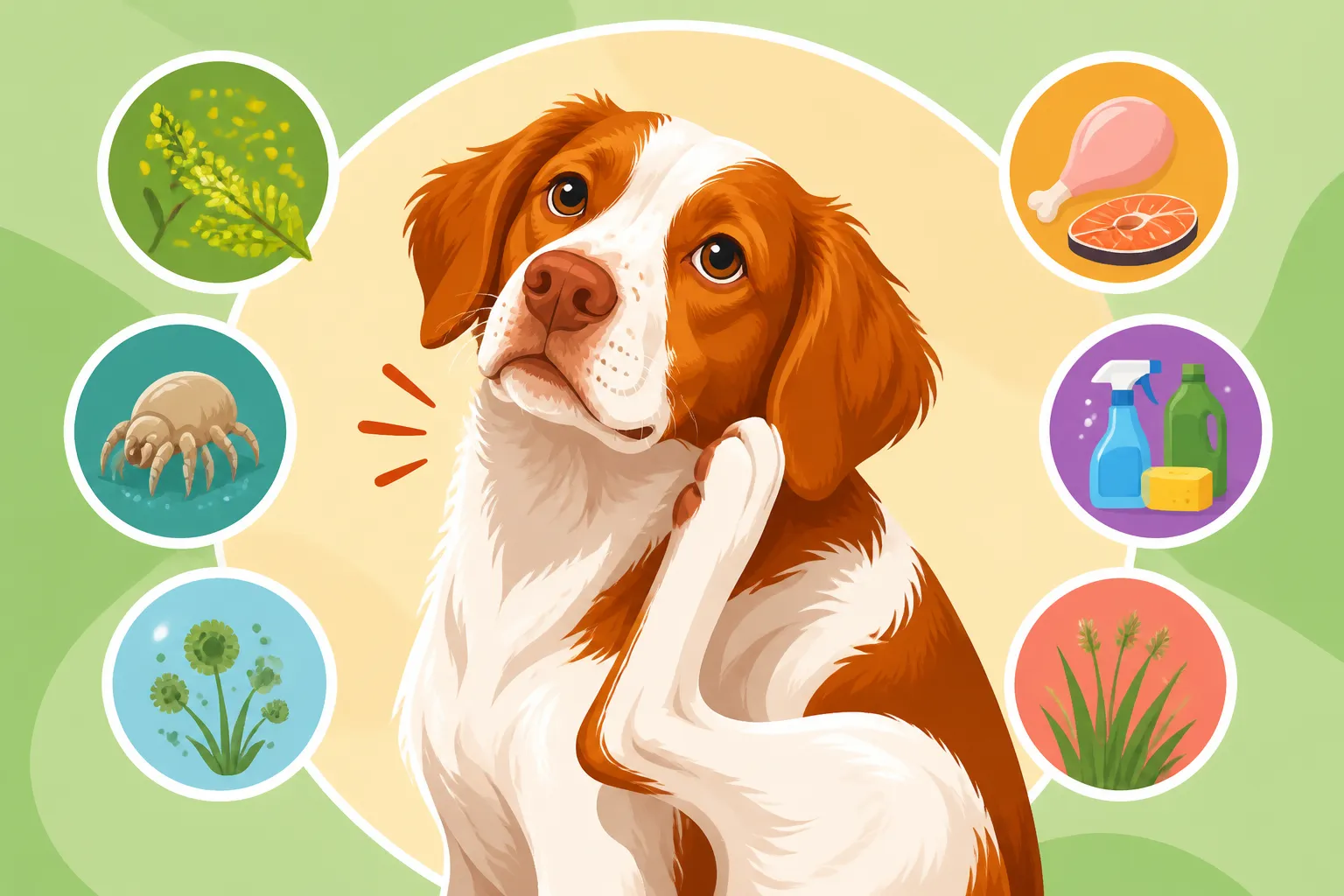
By far, the most frequent culprits behind a Brittany’s itching and skin issues are environmental allergens. These are the same kinds of things that make us sneeze and get watery eyes, but for dogs, they often manifest as skin problems. Think pollen from trees, grasses, and weeds – the very plants your Brittany is likely romping through during a hunt or a long walk. Dust mites, mold spores, and even dander from other animals can also play a significant role, affecting dogs year-round, especially those spending a lot of time indoors.
When your Brittany is exposed to these microscopic invaders, their immune system goes into overdrive, treating harmless particles as threats. This immune response often leads to inflammation, especially in the skin. You might notice your dog scratching, licking, or chewing their paws, rubbing their face, or developing red, inflamed patches. Sometimes, these allergies can even manifest as respiratory symptoms, though skin issues are far more common in Brittanys. If you've ever wondered about "Why a Brittany's Feet Itch After a Hunt", environmental allergens are often the prime suspect, as pollen and plant matter stick to their paws and feathering.
These allergies tend to be seasonal, flaring up when specific pollens are prevalent, but they can also become perennial for dogs sensitive to year-round allergens like dust mites. The persistent scratching can break the skin barrier, making your dog vulnerable to secondary bacterial or yeast infections, which only exacerbate the itch and discomfort. This is why addressing the underlying allergy is so crucial, rather than just treating the symptoms of infection.
Food Allergies: A Tricky Culinary Detective Game
While less common than environmental allergies, food allergies and sensitivities can certainly plague a Brittany. The term "food allergy" is often used loosely, but it's important to differentiate between a true immune-mediated food allergy and a food intolerance. A true allergy involves the immune system reacting to a specific protein in the food, leading to symptoms that can range from skin issues (itching, redness, recurrent ear infections) to gastrointestinal upset (vomiting, diarrhea).
The most common food allergens for dogs are typically proteins from beef, dairy, chicken, lamb, fish, chicken eggs, corn, wheat, and soy. Notice a pattern there? It's usually common ingredients found in many commercial dog foods. It's a myth that dogs develop allergies to "fillers"; it's almost always a protein source. The frustrating thing about food allergies is that symptoms can develop at any age, even after years of eating the same food without issue.
Diagnosing food allergies can be a meticulous process, often requiring a strict elimination diet, which we'll delve into later. The symptoms can mirror those of environmental allergies, making it a real challenge for owners and vets alike to pinpoint the exact cause. A Brittany suffering from a food allergy might have chronic ear infections, itchy skin that doesn’t respond to seasonal allergy treatments, or persistent paw licking. It's truly a test of patience, but finding the trigger can bring immense relief to your dog.
Contact Dermatitis: The Immediate Irritants
Contact dermatitis occurs when your Brittany's skin comes into direct contact with an irritating substance or allergen. Unlike inhaled or ingested allergens, contact dermatitis often presents with localized skin reactions at the point of contact. This can be anything from certain cleaning products on your floor, specific plants in your yard (like poison ivy, though less common for dogs), fertilizers, or even materials in their bedding or collar.
Symptoms typically appear quickly after exposure and include redness, itching, bumps, or even blisters in the affected area. Common sites include the belly, paws, muzzle, and areas where bedding or carpets might rub. For an active Brittany, this could happen if they lie down in a freshly treated yard or brush against a plant they're sensitive to while working.
While generally less common than environmental or food allergies, contact dermatitis is worth considering, especially if your Brittany exhibits localized skin issues that aren't widespread. Sometimes, it can be tough to distinguish from environmental allergies if your dog is rolling around in something that also contains pollen. Paying close attention to where and when your Brittany's symptoms appear can offer crucial clues for your veterinarian. Also, keep in mind that "Why a Brittany's Feathering Hides Skin Trouble" means you might not spot these localized reactions right away, making a thorough post-hunt check even more critical.
Pinpointing the Problem: Diagnosing Brittany Allergies
The sheer variety of allergy triggers and overlapping symptoms can make diagnosing allergies in Brittanys feel like detective work, sometimes without a clear roadmap. But rest assured, there are systematic approaches your veterinarian will take to get to the bottom of your dog's discomfort.
The Vet Visit: Initial Steps and Exclusion Diets
When you first bring your itchy Brittany to the vet, the initial consultation is crucial. Your vet will conduct a thorough physical exam, looking for classic signs like redness, skin lesions, hair loss, and secondary infections (bacterial or yeast). They'll ask you a lot of questions about your dog's history: when did the itching start? Is it seasonal? What food are they eating? Have you noticed any gastrointestinal upset? Do you use any new cleaners or walk them in new areas? This detailed history helps narrow down the possibilities.
Often, the first course of action involves addressing any secondary infections. Your vet might prescribe antibiotics for bacterial infections or antifungals for yeast, along with anti-inflammatory medications to relieve acute itching. It’s hard to tell what’s going on underneath if your dog is constantly scratching and battling an infection. They might also suggest checking "How Often a Brittany's Ears Should Be Checked" as chronic ear infections are a huge red flag for allergies.
If food allergies are suspected, your vet will likely recommend an elimination diet, which is the gold standard for diagnosis. This isn't just switching to another "hypoallergenic" kibble from the pet store. A true elimination diet involves feeding a novel protein source (one your dog has never eaten before, like venison, duck, or kangaroo) and a novel carbohydrate (like sweet potato or green pea) for a strict period of 8-12 weeks. During this time, absolutely no other foods, treats, or flavored medications can be given. It's tough, requiring dedication, but it’s the most accurate way to determine if food is the culprit. After the elimination period, if symptoms improve, you'll reintroduce old food items one by one to see if symptoms return, thereby identifying the allergen.
Advanced Testing: Skin and Blood Work
Once secondary infections are under control and potentially food allergies have been ruled out or addressed, if your Brittany is still struggling with itching, your vet might suggest advanced testing for environmental allergies. These tests are designed to identify specific allergens that trigger your dog's immune response.
One common method is intradermal skin testing. This procedure is usually performed by a veterinary dermatologist. Your dog will be mildly sedated, and a small area of fur on their side will be shaved. Tiny amounts of common environmental allergens (like various pollens, dust mites, molds) are then injected just under the skin. The dermatologist then observes the injection sites for allergic reactions (redness and swelling) over a short period. This test is considered highly accurate for identifying specific environmental allergens, allowing for targeted treatment.
Another option is blood testing, also known as serum IgE testing. A blood sample is taken from your Brittany and sent to a specialized lab. The lab measures the levels of IgE antibodies, which are associated with allergic reactions, to a panel of common environmental allergens. While less sensitive than intradermal skin testing, blood tests are less invasive and can be a good starting point for many owners. It's a way to see "What a Brittany's Yearly Bloodwork Should Cover" if allergies are suspected.
It's important to note that neither skin nor blood tests are 100% foolproof, and they should always be interpreted in conjunction with your dog's clinical signs and history. The goal of these tests isn't necessarily to "cure" the allergy but to identify the specific triggers, which then informs the best long-term management strategy, often leading to allergen-specific immunotherapy.
Managing Allergy Symptoms and Long-Term Care
Once you and your vet have identified what a Brittany is most often allergic to, the real work begins: managing those symptoms and providing long-term relief. This is often a multi-faceted approach, combining various strategies to keep your Brittany comfortable and healthy.
Environmental Allergy Management: Beyond the Antihistamine
For environmental allergies, often called atopy, management is ongoing. While antihistamines can provide some mild relief for some dogs, they are rarely a standalone solution for severe cases. Your vet might recommend several strategies:
- Allergen Avoidance: While impossible to eliminate entirely, you can reduce exposure. After outdoor activities, especially hunts, promptly wipe down your Brittany's paws, legs, and belly with a damp cloth or rinse them. Consider wiping down their face too. Regular bathing with a gentle, hypoallergenic shampoo can wash away allergens from their coat, which also helps with "Whether a Brittany Gets Skin Allergies". Keep your home clean, vacuuming regularly with a HEPA filter, and washing bedding frequently to minimize dust mites.
- Immunotherapy (Allergy Shots/Drops): This is often the most effective long-term treatment for environmental allergies. Based on the results of your Brittany’s allergy testing, a customized vaccine (either injectable or oral drops) is formulated. This treatment aims to desensitize your dog's immune system to the specific allergens they react to, gradually reducing their allergic response over time. It requires patience, as it can take 6-12 months to see significant improvement, but it offers the best chance for lasting relief and can significantly reduce the need for other medications.
- Medications: For dogs with severe or persistent itching, your vet might prescribe medications such as Apoquel (oclacitinib) or Cytopoint (lokivetmab). Apoquel is an oral tablet that targets specific pathways involved in itching, providing rapid relief. Cytopoint is an injectable antibody treatment that neutralizes a key protein responsible for sending itch signals to the brain, offering relief for 4-8 weeks. These medications are highly effective at controlling the itch, improving your dog’s quality of life while other management strategies take effect.
Remember, prevention and proactive care are key. Your Brittany's active lifestyle means they're constantly exposed to environmental triggers. Regular checks, especially for hot spots or ear infections that could stem from underlying allergies, are vital.
Dietary Management: Finding the Right Food
If a food allergy or sensitivity is diagnosed, the cornerstone of management is a strict, life-long dietary change. This means carefully selecting a food that avoids the identified allergen(s).
- Hydrolyzed Protein Diets: These foods contain proteins that have been broken down into such small components that the immune system doesn't recognize them as allergens. Brands like Purina Pro Plan Veterinary Diets HA Hydrolyzed, Hill's Prescription Diet z/d, and Royal Canin Veterinary Diet Hydrolyzed Protein are popular and effective options.
- Novel Protein Diets: These foods use protein sources that your dog has likely never encountered before, reducing the chance of an immune reaction. Examples include venison, duck, rabbit, or kangaroo. It's crucial that these diets are truly novel and manufactured in facilities that prevent cross-contamination with common allergens.
- Homemade Diets: In some cases, with the guidance of a veterinary nutritionist, a carefully balanced homemade diet can be formulated. This offers complete control over ingredients but requires diligent preparation to ensure nutritional completeness.
Once the appropriate diet is found, consistency is paramount. No cheating with treats, table scraps, or flavored toys, as even a tiny amount of the offending protein can trigger a flare-up. Ensuring your Brittany thrives on their new diet might also involve monitoring their weight and energy levels, especially if they are a working dog, to ensure they are getting adequate nutrition.
Supporting Skin Health: Topical and Systemic Solutions
Beyond addressing the root cause, supporting your Brittany's skin barrier is essential for overall comfort and health. The skin is your dog's first line of defense, and allergies compromise it, making it more permeable and prone to secondary infections.
- Omega-3 Fatty Acid Supplements: High-quality fish oil supplements (EPA and DHA) can have anti-inflammatory effects and help strengthen the skin barrier, reducing dryness and itchiness. Your vet can recommend an appropriate dosage.
- Medicated Shampoos and Conditioners: These can be invaluable for soothing inflamed skin, removing allergens, and treating secondary infections. Ingredients like chlorhexidine (antibacterial), miconazole (antifungal), and oatmeal (soothing) are common. Regular bathing, especially after outdoor activities, helps keep the skin clean and free of irritants. For instance, "Why a Brittany Gets Ear Infections" is often due to allergies, and specific ear cleaning solutions can help.
- Topical Sprays and Mousses: For localized irritation, corticosteroid sprays, soothing oatmeal sprays, or antimicrobial mousses can provide targeted relief and support skin healing.
- Pet Insurance: Managing chronic allergies can be a significant financial undertaking, from vet visits and specialized diets to ongoing medications and potential immunotherapy. Many owners find peace of mind with pet insurance providers like Healthy Paws, which can help cover the ongoing costs, making consistent care more accessible without breaking the bank. Another excellent option is Embrace Pet Insurance, known for its comprehensive coverage that often includes chronic conditions once the waiting period is met. Investing in pet insurance early can be a lifesaver for conditions like allergies that require lifelong management.
A Brittany's beautiful coat, while a hallmark of the breed, can also make it challenging to spot skin issues, especially with "Why a Brittany's Feathering Hides Skin Trouble". Regular grooming and tactile checks are critical to catch problems early.
| Allergy Type | Common Triggers | Typical Symptoms | Diagnostic Methods | Management Strategies |
|---|---|---|---|---|
| Environmental Atopy | Pollen (trees, grasses, weeds), dust mites, mold spores | Generalized itching, paw licking, ear infections, skin redness, hair loss, hot spots | Intradermal skin test, blood (IgE) test | Allergen avoidance, immunotherapy, antihistamines, Apoquel/Cytopoint, medicated shampoos, Omega-3s |
| Food Allergy/Intolerance | Beef, chicken, dairy, wheat, corn, soy, eggs, lamb | Generalized itching, recurrent ear infections, paw licking, vomiting, diarrhea, flatulence | Elimination diet (novel protein/hydrolyzed food) | Strict avoidance of offending ingredient, novel protein diet, hydrolyzed protein diet |
| Contact Dermatitis | Certain plants, cleaning products, fabrics, fertilizers | Localized redness, itching, bumps, blisters at contact site | History, physical exam, patch testing (less common) | Identify and avoid irritant, topical corticosteroids, soothing baths, protective clothing (if practical) |
Caring for an allergic Brittany requires patience and perseverance, but with a dedicated approach and a strong partnership with your veterinarian, you can significantly improve your dog's comfort and quality of life.
Disclaimer
The information provided in this article is for educational purposes only and is not intended to be a substitute for professional veterinary advice, diagnosis, or treatment. Always seek the advice of your veterinarian or other qualified health provider with any questions you may have regarding a medical condition.