Whether a Brittany Gets Hot Spots
Oh, the dreaded hot spot! If you're a Brittany owner, you've probably either dealt with one yourself or heard countless stories from other folks in the bird dog community. It feels like one day your energetic Brittany is perfectly fine, and the next, you discover a red, raw, oozing patch of skin that seems to have appeared out of nowhere. This guide is here to shed light on why Brittanys are susceptible to these uncomfortable skin lesions, how to spot them early, and what you can do to prevent and treat them effectively.
Understanding Hot Spots in Brittanys: A Common Canine Conundrum
It’s disheartening to find your beloved Brittany suffering from a hot spot, especially when they're so good at hiding discomfort. These aren't just minor irritations; they can quickly escalate into painful, widespread problems, making your active companion miserable and impacting their quality of life. Understanding what hot spots are and why Brittanys are prone to them is the first step in keeping your dog comfortable and healthy.
What Exactly is a Hot Spot?
Scientifically, a hot spot is known as acute moist dermatitis. It's essentially a rapidly developing skin infection that results from bacteria taking advantage of a compromised skin barrier. Imagine your Brittany constantly licking, chewing, or scratching an itchy spot – maybe it's a flea bite, an allergy flare-up, or even just some trapped moisture. This incessant self-trauma breaks the skin, allowing common bacteria (often Staphylococcus) that normally live harmlessly on the skin to multiply rapidly and cause an infection.
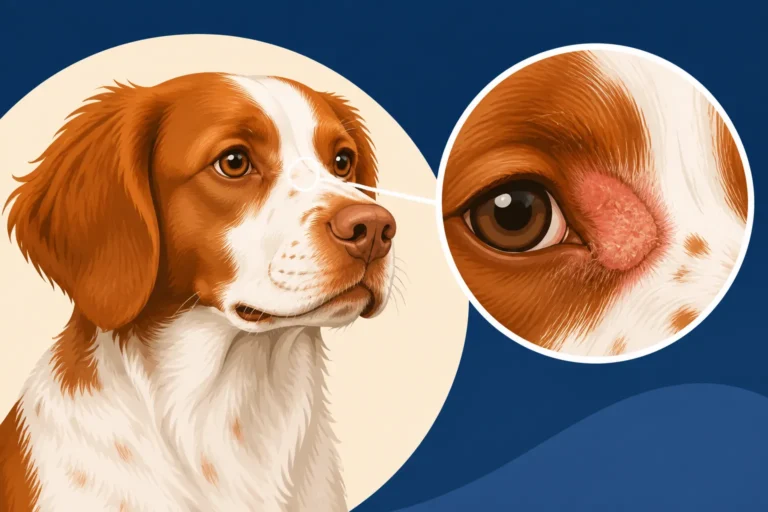
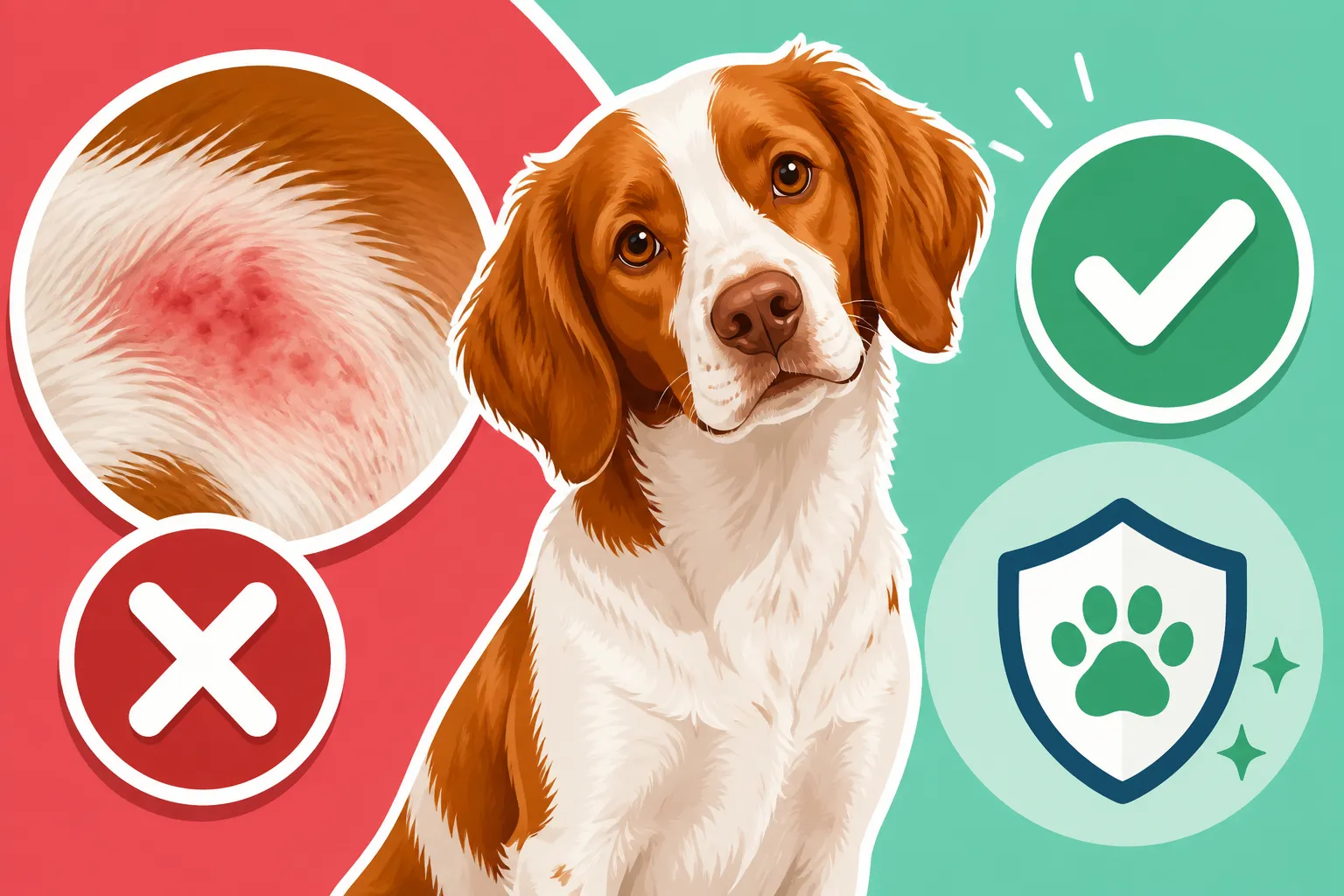
The area becomes inflamed, red, swollen, and can quickly start oozing pus or serum. The hair around it often becomes matted and sticky, and the lesion itself is usually warm to the touch (hence "hot spot") and quite painful. What starts as a nickel-sized irritation can, in a matter of hours, blossom into a patch several inches wide. Owners often describe the smell as unpleasant, a clear sign of bacterial overgrowth. It's a vicious cycle: something irritates the skin, the dog licks it, the licking makes it worse, which makes the dog lick more, and so on.
Why Brittanys Are Particularly Prone
Brittanys, with their active outdoor lifestyles and specific coat characteristics, have a few strikes against them when it comes to hot spots. They are energetic dogs, always exploring, running through tall grass, and often taking a dip in ponds or streams. This constant exposure to environmental factors increases their risk.
First, let's talk about their coat. Brittanys have a dense, medium-length coat with feathering on their legs, belly, and ears. This beautiful feathering, while classic to the breed, can be a perfect trap for moisture, debris, and allergens. When these areas get wet and don't dry properly, or when they collect burrs and foxtails, it creates a warm, moist environment ideal for bacterial growth. Whether a Brittany's Feathering Should Be Trimmed is a question many owners ponder precisely for this reason. A thick coat can also make it harder for air to circulate, exacerbating the problem.
Second, many Brittanys are sensitive souls, and some are prone to allergies, whether environmental or food-related. Whether a Brittany Gets Skin Allergies is a common concern among owners. These underlying allergies cause itchiness, leading to scratching and licking that primes the skin for a hot spot. Their active nature also means they might be more exposed to insect bites, another common trigger.
The Frustration of Hidden Skin Issues
One of the most frustrating aspects of hot spots in Brittanys is how easily they can go unnoticed until they're quite severe. That dense coat and flowing feathering, especially on the flank, legs, or behind the ears, can effectively hide a brewing hot spot. You might not see it until the oozing has matted the fur, or your dog starts showing obvious signs of discomfort.
Think about it: your Brittany is out in the field, joyfully working or playing. They come home, maybe a little wet or dirty, and you give them a quick pat down. Unless you're meticulously parting their fur and inspecting every inch of skin, a small irritated patch can easily be missed. By the time you notice, your dog might have been suffering for a day or two, and the hot spot has grown significantly. This is where a proactive, hands-on approach to daily checks and grooming becomes absolutely critical, especially during warmer, more humid months or after heavy outdoor activity.
Common Triggers for Hot Spots in Brittanys
Understanding the 'why' behind hot spots is crucial for effective prevention. For Brittanys, their genetics, lifestyle, and even temperament can contribute to these skin woes. Let's delve into the most common culprits.
Allergies: The Usual Suspect
Just like us, dogs can suffer from allergies, and for many Brittanys, skin irritation is the primary symptom. These allergies can be broadly categorized:
- Environmental Allergies (Atopy): Pollen from trees, grasses, and weeds, dust mites, and molds are incredibly common triggers. A Brittany might develop itchy paws, an irritated belly, or inflamed ears, leading to obsessive licking or scratching in these areas. This constant irritation breaks the skin barrier, setting the stage for a hot spot. If you notice your Brittany constantly scratching or chewing their feet, or if their ears seem perpetually itchy (a common issue discussed in Why a Brittany's Ears Get Infected Every Season), environmental allergies could be the underlying cause.
- Food Allergies: Less common than environmental allergies, but equally problematic. Certain protein sources (like chicken, beef, or dairy) can cause systemic itchiness, manifesting as skin irritation. Eliminating these through a carefully managed food trial with your vet can often resolve the issue.
- Flea Allergy Dermatitis (FAD): This is one of the most common causes of intense itching in dogs. Even a single flea bite can trigger a massive allergic reaction in a sensitive Brittany, leading to severe itchiness, especially around the base of the tail, groin, or belly. The ensuing scratching and chewing are prime hot spot instigators. Regular, effective flea prevention is non-negotiable for a Brittany.
Moisture and Lack of Airflow
Brittanys are often drawn to water – whether it's retrieving from a pond or simply getting caught in a summer shower. While they love a good splash, their dense double coat and feathering can retain moisture for a surprisingly long time.
- Wet Fur: After a swim, a bath, or even just running through dew-soaked grass, if your Brittany's coat isn't thoroughly dried, that trapped moisture creates a breeding ground for bacteria and yeast. This is especially true in areas with thick feathering or skin folds. The skin becomes macerated, weakened, and easily broken by licking or scratching.
- Humidity: High humidity in the environment, combined with a thick coat, can also contribute to a damp skin surface, even without direct water exposure.
- Poor Air Circulation: The dense undercoat, particularly during shedding season, can further trap heat and moisture. How Much a Brittany Sheds highlights the importance of regular brushing to remove dead undercoat, which not only keeps your home cleaner but also improves air circulation to the skin.
Parasites and Irritants
Beyond fleas, other external factors can initiate the itch-scratch cycle that leads to hot spots.
- Other Parasites: Mites (like Sarcoptes, Demodex, or Cheyletiella) can cause intense itching, flakiness, and skin irritation. Though less common than fleas, they can certainly trigger a hot spot if left untreated.
- Burrs, Foxtails, and Plant Irritants: Brittanys are field dogs; they run through all sorts of vegetation. Burrs can get tangled in their feathering, pulling at the skin. Foxtails, those insidious plant awns, can burrow into the skin, causing severe localized irritation, abscesses, and hot spots. You need to know Where Foxtails Hide on a Brittany to check for them thoroughly. Even contact with certain irritating plants can cause a localized skin reaction.
- Insect Bites: Mosquitoes, gnats, and spiders can all deliver bites that cause an itchy welt, prompting your Brittany to lick and chew at the spot.
- Poor Grooming: Not removing mats or tangles, especially in the feathering, can cause skin irritation underneath, as well as trap moisture and debris.
Underlying Pain or Stress
Sometimes, the cause of a hot spot isn't purely external. Your Brittany might start licking obsessively at a particular area due to an internal discomfort or even psychological stress.
- Pain: Any localized pain, such as an arthritic joint, a minor injury, or even a deep bruise, can cause a dog to repeatedly lick the area. This constant licking can lead to a hot spot. For instance, if your Brittany has an injury, even a minor one like a pulled muscle, they might obsessively lick the sore spot.
- Boredom or Anxiety: Brittanys are intelligent, high-energy dogs. If they're not getting enough physical and mental stimulation, they can become bored or anxious, leading to compulsive behaviors like excessive licking. This is often seen on the paws or lower legs. What an Under Exercised Brittany Does at Home often includes destructive behaviors or repetitive actions like licking. Separation anxiety or changes in routine can also trigger stress-related licking.
Prevention and Early Detection: Your Best Defense
When it comes to hot spots, an ounce of prevention is truly worth a pound of cure. Being vigilant and proactive can save your Brittany a lot of discomfort and you a trip to the vet. This means establishing a routine of thorough grooming, attentive post-activity care, and consistent health management.
Proactive Grooming and Coat Care
Regular grooming is your first line of defense against hot spots, especially for a breed like the Brittany with its distinctive coat.
- Daily Brushing: This isn't just about keeping their coat looking neat; it's vital for skin health. Daily brushing, particularly with a good pin brush or slicker brush, helps remove loose hair, dead undercoat, and any minor tangles or debris. This improves air circulation to the skin and helps you identify any skin abnormalities before they become a full-blown hot spot. Pay close attention to the feathering on their legs, belly, and ears, as these are prime spots for mats and trapped moisture.
- Strategic Trimming: While you wouldn't want to shave your Brittany, strategic trimming of excess feathering can be incredibly beneficial. Trimming the hair between their paw pads, for instance, prevents moisture and debris from getting trapped and reduces the risk of irritation. You might also consider carefully thinning out some of the denser feathering on the belly or behind the ears, especially during humid seasons or if your dog is frequently in water. Talk to your groomer about what's appropriate.
- Bathing Practices: Don't over-bathe, as this can strip natural oils, but regular bathing with a good quality, mild dog shampoo can keep the skin clean. After a bath, always, always ensure your Brittany is completely dry. Use absorbent towels and consider a dog-specific blow dryer on a cool setting, especially for those feathered areas. A damp coat is an invitation for trouble.
Post-Activity Care
For a sporting dog like the Brittany, what happens after the hunt or rigorous play is just as important as the activity itself.
- Thorough Drying: If your Brittany has been swimming or running through wet cover, dry them meticulously. Towel dry them as much as possible, focusing on the undercarriage, between the toes, and under the ears. A good quality absorbent towel or even a chamois can work wonders. If it's a warm day, let them air dry in a cool, breezy spot, but continue to monitor for dampness.
- Full Body Inspection: Make it a habit to perform a head-to-tail inspection after every outing, especially if they've been in dense cover. Part their fur and look at the skin underneath. Check behind the ears, around the neck, in the armpits, groin, and between the toes. These are common hiding spots for ticks, burrs, foxtails, and minor scrapes that can quickly turn into hot spots if not addressed. Knowing How to Check a Brittany for Ticks and How to Get Burrs Out of a Brittany's Coat is essential.
- Address Minor Irritations Immediately: Found a small scratch, a sticky patch, or a tiny burr you missed earlier? Clean it gently, apply a pet-safe antiseptic wipe, and keep an eye on it. Don't let a small issue fester.
Allergy Management and Flea Control
Tackling the root cause of itchiness is perhaps the most powerful preventative measure.
- Consistent Flea and Tick Prevention: This is non-negotiable for a Brittany. Use a veterinarian-recommended monthly topical, oral, or collar product. Brands like Bravecto, NexGard, or Frontline are popular choices. Even if you don't see fleas, assume they could be present if your dog is itchy.
- Managing Environmental Allergies: If your vet suspects environmental allergies, discuss strategies. This might include bathing with a medicated shampoo (like one containing chlorhexidine or oatmeal), wiping paws and belly after outdoor excursions, using air purifiers in your home, and, in some cases, prescription medications from your vet.
- Dietary Considerations: If food allergies are suspected, your vet might recommend a limited ingredient diet or a hydrolyzed protein diet to identify and eliminate triggers. Always consult your vet before making significant dietary changes.
When to See the Vet
While diligent home care goes a long way, some situations absolutely warrant a vet visit.
- Rapid Worsening: If a hot spot appears suddenly and starts to grow quickly, or if your dog is showing significant pain or distress, don't delay.
- Deep or Oozing Lesions: If the hot spot is deeply red, inflamed, producing a lot of pus, or has a foul odor, it indicates a significant bacterial infection that likely needs prescription medication.
- Recurrent Hot Spots: If your Brittany is getting hot spots repeatedly, it signals an underlying issue that needs professional investigation. This could be severe allergies, chronic pain, or another medical condition that requires a proper diagnosis and long-term management plan. Your vet can perform diagnostics to get to the bottom of the problem.
Treating a Brittany's Hot Spot: A Step-by-Step Approach
Finding a hot spot on your Brittany can be alarming, but acting quickly can prevent it from spiraling out of control. While some minor hot spots might respond to diligent home care, many will require veterinary intervention. The key is to address the infection and stop the itch-scratch cycle.
Initial Home Care Steps
As soon as you discover a hot spot, these immediate actions can make a big difference, even before a vet visit.
- Clip the Hair: This is probably the most crucial first step. Use blunt-nosed scissors or electric clippers to carefully trim away all the hair from around and above the hot spot. You need to create a wide margin of clear skin, ideally a good inch or two beyond the visible lesion. This allows air to get to the wound, helps you see the true extent of the problem, and prevents hair from getting matted with discharge, which only worsens the infection. It also makes cleaning and applying medication much easier.
- Gently Cleanse the Area: Once the hair is removed, clean the hot spot with a mild, antiseptic solution. Betadine (diluted to the color of weak tea) or a chlorhexidine solution (available at pet stores or from your vet) are good choices. Gently dab the area with cotton balls or soft gauze. Avoid harsh scrubbing, which can cause more irritation. The goal is to remove any crusts, discharge, and bacteria from the surface.
- Prevent Further Licking: Your Brittany will naturally want to lick the sore spot, but this is the primary reason hot spots don't heal and often get worse. You absolutely must prevent them from reaching it. An Elizabethan collar (cone of shame) is usually the most effective method, especially for lesions on the body. For paw hot spots, a bootie or sock might work, but ensure it doesn't trap moisture. This step is non-negotiable for healing.
Veterinary Treatments
Most moderate to severe hot spots will require professional veterinary care to fully resolve and prevent recurrence.
- Topical Medications: Your vet will likely prescribe a topical spray, cream, or ointment containing antibiotics, corticosteroids (to reduce inflammation and itch), or both. These are applied directly to the clipped and cleaned hot spot. Ensure you follow the application instructions carefully.
- Oral Medications: For more severe or widespread hot spots, or if the infection has deepened, your vet will often prescribe oral antibiotics to fight the bacterial infection systemically. A course of oral anti-inflammatory medication (like corticosteroids or NSAIDs) might also be given to quickly reduce the pain and intense itching, breaking the lick-scratch cycle. It's vital to complete the full course of antibiotics, even if the hot spot looks better quickly, to prevent a relapse.
- Pain Relief: Hot spots are painful. Your vet may also provide pain relief medication to keep your Brittany comfortable during the healing process. This can also reduce their urge to lick.
- Addressing the Underlying Cause: This is paramount. If the hot spot was triggered by fleas, your vet will ensure your dog is on an effective flea preventative. If allergies are suspected, they might discuss allergy testing, specialized diets, or long-term allergy management strategies. This is crucial for preventing future outbreaks.
The Healing Process and Preventing Recurrence
Healing a hot spot takes time and diligence. Monitoring the area and making lifestyle adjustments are key to a full recovery and preventing future episodes.
- Consistent Care: Continue cleaning the hot spot as instructed by your vet and applying topical medications. Keep the Elizabethan collar on until the lesion is completely dry, scabbed over, and no longer itchy. The duration might be longer than you think, sometimes 10-14 days.
- Monitor Progress: The hot spot should start to dry out and shrink within a few days of treatment. Look for reduced redness, less discharge, and the formation of a healthy scab. If it's not improving, or gets worse, contact your vet immediately.
- Preventing Future Hot Spots:
- Identify Triggers: Work with your vet to pinpoint what initially caused the hot spot. Was it a flea bite? Environmental allergies? Excess moisture after swimming? Once you know the trigger, you can put specific preventative measures in place.
- Enhanced Grooming Routine: Maintain a rigorous grooming schedule. Consider keeping the feathering on the belly, armpits, and paws trimmed shorter, especially in warm, wet weather.
- Post-Outdoor Ritual: Make a routine of drying your Brittany thoroughly after any water exposure and doing a full body check for ticks, burrs, and any skin irritation.
- Allergy Management: If allergies are the root cause, commit to the long-term management plan your vet outlines, whether it's special food, allergy shots, or regular medicated baths.
- Pet Insurance: The costs associated with diagnosing and treating recurrent hot spots, especially if they lead to deeper skin infections or require allergy workups, can add up. Pet insurance plans, like those offered by Healthy Paws, can help cover these unexpected veterinary expenses. It's a proactive step that gives you peace of mind that you can afford the best care for your Brittany when issues like hot spots arise. Regularly checking What a Brittany's Field Injuries Cost in a Season can also give you an idea of potential expenses for active dogs.
Remember, a hot spot is a symptom, not the underlying disease. While treating the lesion is important, finding and addressing the primary cause is what will truly help your Brittany stay healthy and comfortable in the long run.
Hot Spot Triggers and Prevention Overview
Here’s a quick overview of common hot spot triggers for Brittanys and how you can prevent them:
| Hot Spot Trigger | Common Presentation in Brittany | Prevention Strategy |
|---|---|---|
| Allergies (Environmental, Food, Flea) | Itchy paws, belly, ears; constant scratching/licking. Often seasonal for environmental, year-round for food/flea. | Consistent vet-prescribed flea prevention. Work with vet for allergy diagnosis (diet trial, allergy testing). Regular medicated baths if recommended. Wipe paws after outdoor walks. |
| Moisture/Humidity | Hot spots in areas with dense feathering (ears, flanks, belly, armpits) after swimming, baths, or wet grass. | Thoroughly dry coat after any water exposure, especially feathering. Use absorbent towels, dog dryer. Ensure good air circulation (e.g., careful trimming in problem areas). How to Dry a Brittany's Ears After Water is crucial. |
| Parasites (Fleas, Mites) | Intense localized itching, often around tail base, groin, or ears. Visible pests or "flea dirt." | Year-round, vet-recommended flea and tick prevention. Regular inspections of coat and skin. |
| External Irritants | Red, raw spots where burrs or foxtails have lodged, or after contact with irritating plants. | Daily brushing and full body checks after outdoor activity. Pay close attention to paws, ears, and feathering for burrs, foxtails. Where Foxtails Hide on a Brittany and How to Get Burrs Out of a Brittany's Coat are vital resources. |
| Boredom/Anxiety | Obsessive licking of paws, legs, or flanks, often without an initial visible irritation. | Ensure adequate physical and mental stimulation. Brittanys need a job or plenty of exercise. Regular training, long walks, scent games. Address separation anxiety if present, potentially with professional help. What an Under Exercised Brittany Does at Home covers these behavioral issues. |
| Underlying Pain | Persistent licking at a specific joint or body part where there might be an injury or arthritis. | Prompt veterinary evaluation for any limping, stiffness, or signs of pain. Early diagnosis and treatment of conditions like arthritis can prevent secondary skin issues. Consider joint supplements as your Brittany ages. |
Disclaimer
Please remember, I'm a passionate Brittany blogger, not a licensed veterinarian. The information provided in this article is for general informational purposes only and is not a substitute for professional veterinary advice. Always consult with a qualified veterinarian for any health concerns or before making any decisions about your Brittany's medical care.