Whether a Brittany Gets Autoimmune Disease
It’s a truly disheartening experience when your vibrant, energetic Brittany Spaniel starts showing subtle signs of illness, but the symptoms don’t quite fit into a neat little box. You might notice intermittent lameness, unexplained changes in their coat, or just a general "off" feeling that you can’t quite put your finger on. When you head to the vet, the diagnosis might be elusive, leading to more frustration and worry. This guide aims to shed light on autoimmune diseases in Brittanys, helping you understand what they are, how to spot them, and what steps you can take for diagnosis and management.
Understanding Autoimmune Diseases in Brittanys
When we talk about autoimmune diseases, it’s not just a fancy medical term; it’s a profound shift in how your dog’s own body works. Imagine your Brittany’s immune system, normally a valiant protector, suddenly getting its wires crossed and launching an attack on healthy cells and tissues. This misguided attack can manifest in a myriad of ways, making these conditions particularly challenging to diagnose and manage.
What Happens When the Immune System Attacks Itself
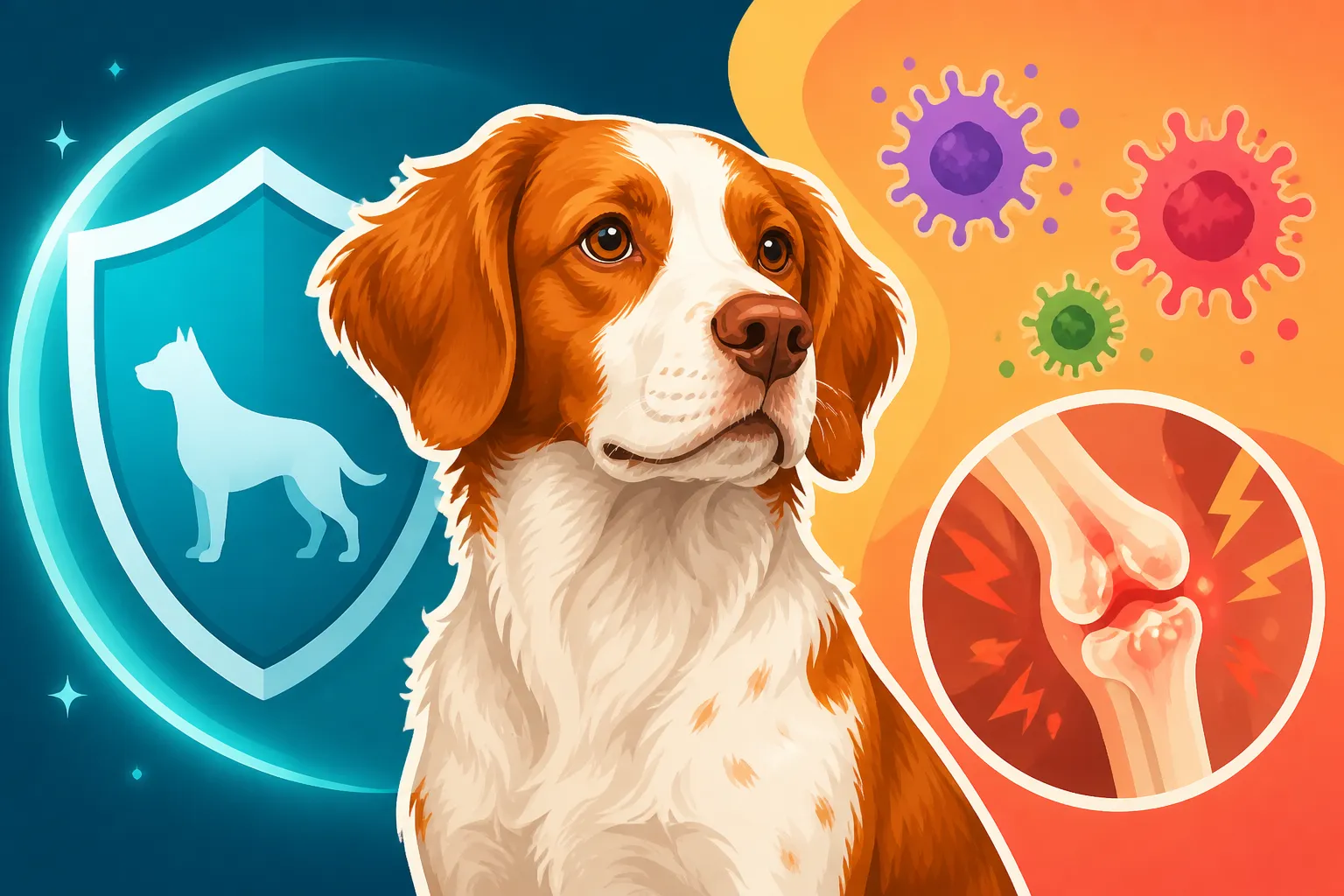
At its core, an autoimmune disease is a case of mistaken identity within your dog’s body. The immune system, which is designed to identify and destroy foreign invaders like bacteria, viruses, or parasites, mistakenly targets and attacks its own healthy cells, organs, or tissues. This can lead to chronic inflammation, tissue damage, and a range of symptoms depending on which part of the body is under assault. For a Brittany owner, this can be incredibly frustrating. One day your dog might seem fine, the next they’re lethargic or experiencing skin issues, only for those symptoms to wax and wane. It’s not just about treating a specific infection; it's about reining in an overzealous internal defense system that has gone rogue.
The exact causes of autoimmune diseases are often complex, believed to be a mix of genetic predisposition and environmental triggers. Perhaps a viral infection or exposure to certain chemicals somehow "flips a switch" in a genetically susceptible dog, causing the immune system to lose its ability to differentiate between self and non-self. This is why knowing your dog's lineage and asking your breeder about family health history is so crucial. A dog with a strong immune system usually fights off invaders without issue, but for a Brittany susceptible to these conditions, their very defense mechanism becomes their adversary.
Common Autoimmune Conditions Seen in Brittanys
While Brittanys are generally considered a robust and healthy breed, they are not entirely immune to autoimmune challenges. Some conditions crop up more frequently or are well-documented within the breed. For instance, some Brittanys can be affected by specific immune system vulnerabilities like C3 Deficiency Is the Brittany's Own Genetic Disease, which impairs their ability to fight off certain infections. This isn't a direct autoimmune attack, but it’s a primary immunodeficiency that highlights the importance of a properly functioning immune system.
One of the most recognized autoimmune diseases in Brittanys, particularly affecting their distinctive noses, is Discoid Lupus and a Brittany Spaniel's Nose. This condition specifically targets the skin, often around the nose, causing depigmentation, crusting, and even ulceration. It’s a classic example of the immune system attacking a very specific part of the body. Another common autoimmune culprit in many breeds, including Brittanys, is Autoimmune Hypothyroidism, where the immune system attacks the thyroid gland, leading to low thyroid hormone production. Then there are more systemic conditions, such as Autoimmune Hemolytic Anemia (AIHA), where the immune system destroys red blood cells, or Immune-Mediated Thrombocytopenia (ITP), which targets platelets, both critical for blood clotting. Less commonly, other conditions like Pemphigus, a group of skin diseases that cause blistering and crusting, can also appear. Understanding that your Brittany can get autoimmune disease is the first step in being prepared.
Spotting the Subtle Signs and Symptoms
Recognizing an autoimmune disease can be like trying to catch smoke. The symptoms are often vague, they can mimic other common ailments, and they frequently come and go, making them incredibly hard to pin down. As an owner, your keen observation skills are your greatest asset.
General Red Flags That Might Indicate an Autoimmune Issue
Many autoimmune conditions start with general, non-specific symptoms that could easily be attributed to a minor injury, a passing bug, or just "getting older." You might notice your Brittany is suddenly more lethargic than usual, not as eager for their daily run, or seems stiff after resting. Unexplained weight loss, despite a good appetite, or conversely, weight gain despite no change in diet and activity, can also be red flags. Intermittent lameness, where your dog limps one day and seems fine the next, without any obvious injury, is another common sign, especially if it shifts from one limb to another.
Fever that comes and goes, or enlarged lymph nodes (which you might feel as small, firm bumps under their jaw, in their armpits, or behind their knees), are also general indicators of an overactive or confused immune system. Changes in coat quality—dullness, excessive shedding, or bald patches—can also signal an underlying issue. The frustrating part is that these signs can be so easily dismissed. "Oh, he just ran too hard," or "She probably just ate something weird." But when these vague symptoms persist, recur, or are accompanied by other odd behaviors, it's time to dig deeper with your veterinarian. Being proactive and knowing How Often a Brittany Needs a Wellness Exam can help catch these issues early.
Specific Symptoms Related to Common Brittany Autoimmune Conditions
While general signs are important, knowing the more specific symptoms associated with certain autoimmune conditions can help you and your vet narrow down the possibilities quicker.
For Discoid Lupus and a Brittany Spaniel's Nose, the signs are quite localized. You might first notice that your Brittany's normally black nose starts to lose its pigment, turning pinkish or gray. This can progress to a crusty, cracked appearance, sometimes with painful sores or ulcers. Sunlight can often exacerbate these symptoms, so you might see them worsen in summer months. Early detection, watching for Signs a Brittany Has Discoid Lupus, can lead to better management and prevent severe discomfort.
In the case of Autoimmune Hypothyroidism, the immune system attacks the thyroid gland, leading to a host of systemic symptoms. You might observe a significant increase in your Brittany's weight, even if their diet hasn't changed. Their coat might become dry, brittle, and thin, often accompanied by excessive shedding or bald spots, particularly on their flanks and tail. Other signs include lethargy, intolerance to cold, and sometimes even a "tragic" facial expression due to puffiness. If you suspect your Brittany's thyroid is low, pay attention to Signs a Brittany's Thyroid Is Low, as this condition is often highly treatable with medication.
If your Brittany has a genetic predisposition like C3 Deficiency, which affects its ability to fight infections, you might see a pattern of recurrent, severe infections that are difficult to clear. This isn’t strictly an autoimmune disease where the body attacks itself, but rather an immune system defect that leaves the dog vulnerable. Recurring skin infections, respiratory issues, or urinary tract infections that just don't respond well to standard antibiotics could be a sign of What C3 Deficiency Does to a Brittany. While not an autoimmune attack, it highlights a crucial immune system malfunction that needs careful management. Beyond these, conditions like Pemphigus can cause widespread crusting, sores, and hair loss on the skin, often around the face, ears, and paw pads. If you observe pale gums, weakness, or yellowing of the skin/eyes (jaundice), it could point to AIHA, while unexplained bruising or tiny red spots (petechiae) might indicate ITP, both serious conditions requiring immediate veterinary attention.
Diagnosis and Management: A Lifelong Partnership
Getting a definitive diagnosis for an autoimmune disease can be a journey, often requiring patience, thorough investigation, and a close partnership with your veterinarian. Once diagnosed, managing these conditions usually involves a lifelong commitment to medication and supportive care.
The Diagnostic Journey: From Vet Visit to Confirmed Diagnosis
When you first bring your Brittany in with vague or suspicious symptoms, your vet will start with a comprehensive physical exam and a detailed history. This is where your observations about subtle changes become invaluable. Be prepared to discuss everything: when symptoms started, if they come and go, your dog’s diet, exercise routine, and any recent changes in their environment. Initial diagnostic tests often include a complete blood count (CBC) and a biochemistry panel, which can reveal abnormalities like anemia (low red blood cells), low platelet counts, or elevated white blood cells, all of which can point towards an immune system issue. A urinalysis is also standard. Make sure your vet includes What a Brittany's Yearly Bloodwork Should Cover as part of routine care, as early indicators can sometimes be spotted.
If initial tests are suggestive of an autoimmune process, your vet might recommend more specific diagnostics. For suspected thyroid issues, a full thyroid panel will measure the levels of various thyroid hormones and antibodies. To investigate AIHA or ITP, a Coombs test (for AIHA) or an antibody test (for ITP) might be ordered. For skin conditions like Discoid Lupus or Pemphigus, a biopsy of the affected skin is often necessary to get a definitive diagnosis by examining tissue samples under a microscope. In some complex cases, your vet might suggest consulting with a specialist, such as a veterinary internal medicine specialist or a dermatologist. They have advanced diagnostic tools and expertise in these challenging conditions. Even with advanced veterinary care, dealing with an autoimmune condition can be expensive, which is why some owners consider pet insurance from providers like Healthy Paws to help with unexpected costs.
Treatment Approaches and Living with an Autoimmune Brittany
Once an autoimmune disease is diagnosed, the goal of treatment is typically to suppress the overactive immune system, manage symptoms, and improve your Brittany's quality of life. The cornerstone of treatment often involves immunosuppressant medications. Corticosteroids like prednisone are frequently used first due to their potency and relatively fast action, but long-term use can have side effects. Other immunosuppressants, such as cyclosporine, azathioprine, or mycophenolate, may be used as steroid-sparing agents or in conjunction with steroids to reduce the dosage needed.
Beyond medication, supportive care is paramount. For conditions like Discoid Lupus, topical steroids or sun protection might be used. Dietary adjustments, such as novel protein diets, might be explored if there's a suspected allergic component contributing to the immune dysregulation, although this is more common with Whether a Brittany Gets Skin Allergies. Omega-3 fatty acid supplements can also help reduce inflammation. Regular monitoring through blood tests is crucial to ensure the medication is working, adjust dosages, and watch for potential side effects. Living with an autoimmune Brittany requires ongoing vigilance and a close working relationship with your veterinary team. There will be good days and bad days, and understanding that this is a marathon, not a sprint, is key. Pet insurance, such as a plan from Healthy Paws, can be invaluable in helping to cover the recurring veterinary visits, medications, and specialized care that these chronic conditions often demand.
The Genetic Link and Responsible Breeding
The idea of our beloved Brittanys inheriting health challenges is a tough pill to swallow, but understanding the genetic component of autoimmune diseases is vital for current owners and for the future of the breed.
Are Brittanys Predisposed? The Role of Genetics
While environmental triggers can play a role, genetics are often a significant factor in a dog's predisposition to autoimmune diseases. For Brittanys, certain conditions like C3 Deficiency have a known genetic inheritance pattern. This means that a dog can carry the gene for the condition and pass it on, even if they don't show symptoms themselves. Similarly, while not fully understood, there are suspected genetic links to autoimmune hypothyroidism and certain forms of discoid lupus in various breeds, including Brittanys. If one of your Brittany's relatives suffered from an autoimmune condition, it might increase the likelihood for your dog or future offspring.
This predisposition highlights why researching a puppy's lineage and the health history of the parent dogs is so incredibly important when choosing a breeder. A responsible breeder will be transparent about any known health issues in their lines and actively work to minimize the risk of passing on genetic diseases. This isn't just about avoiding a sick puppy; it’s about contributing to the overall health and longevity of the breed.
Screening and Breeder Responsibility
For prospective Brittany owners, asking the right questions about health testing is crucial. Beyond standard health screenings for conditions like hip and elbow dysplasia, inquiring about the incidence of autoimmune diseases in the parents' lines is paramount. Responsible breeders often engage in extensive health testing to ensure they are not inadvertently perpetuating genetic predispositions to illness. For example, they should be able to provide clear documentation regarding thyroid function and, if applicable, testing for specific genetic markers like the one for C3 Deficiency. You can learn more about What a Brittany Spaniel Breeder Should Have Tested to be fully informed.
A reputable breeder will be proactive, sometimes even choosing not to breed dogs that carry significant risks for known hereditary autoimmune conditions, even if the parent themselves is healthy. This dedication helps to gradually reduce the prevalence of these challenging diseases within the breed. For current owners, understanding your dog’s genetic background can also influence your approach to their health care, allowing for earlier monitoring or preventive strategies if they are at higher risk. Pet health insurance providers like Healthy Paws are increasingly valuable for covering the costs associated with health screenings and unexpected chronic conditions.
It’s important to remember that while a genetic predisposition exists, it doesn't guarantee your Brittany will develop an autoimmune disease. It simply means the risk is higher. Vigilant care, a healthy lifestyle, and early veterinary intervention remain the best defenses.
Disclaimer
This article is for general informational purposes only and does not constitute professional advice. Laws, prices and regulations vary by location and change over time. Consult a qualified professional for guidance on your specific situation.