Whether a Brittany Should Hunt in Snow
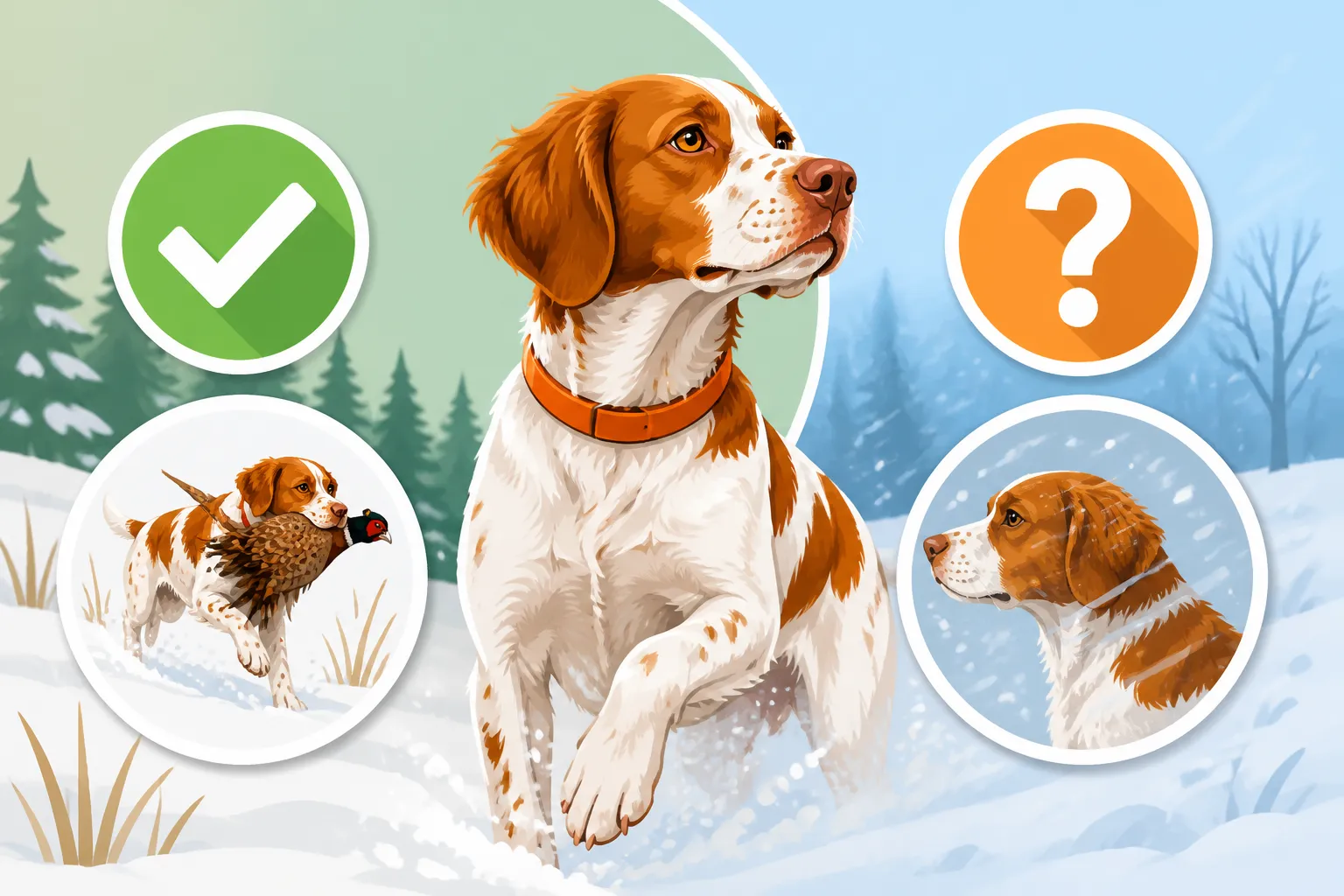
The allure of a crisp winter morning, fresh snow underfoot, and the promise of upland birds can be incredibly strong for a Brittany owner. However, taking your energetic, bird-crazy Brittany out into snowy conditions isn't just about suiting up yourself; it requires careful consideration of your dog's safety and well-being. This guide will walk you through everything you need to know about preparing for, managing, and recovering from a snow hunt with your beloved Brittany, ensuring both of you can enjoy the magic of the winter field responsibly.
Understanding Your Brittany's Cold Weather Resilience
Brittany Spaniels, with their boundless energy and tenacious drive, often seem impervious to the elements, but snow hunting presents unique challenges. While they are certainly robust, they aren't built like a Husky or a Newfoundland. Their physiological makeup provides some advantages, but also has inherent limitations that every owner needs to understand.
Natural Insulation and Coat Type
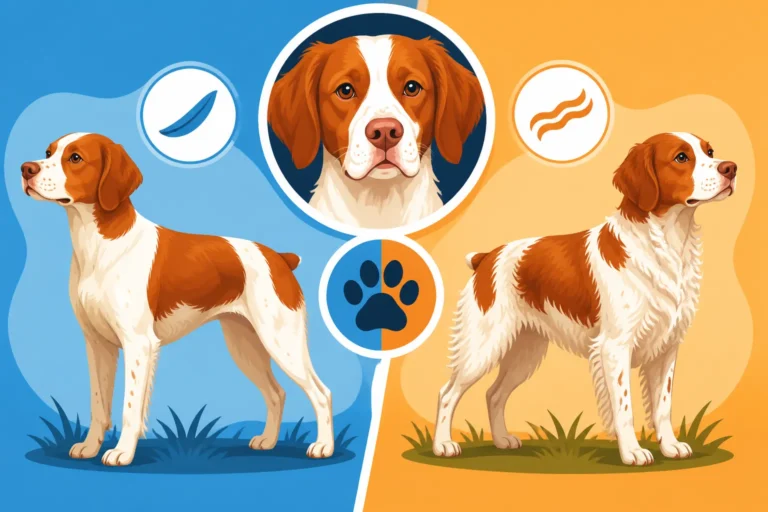
A Brittany’s coat is typically dense, but it's a single coat, not the thick, insulating double coat found on breeds specifically developed for extreme cold. This means they rely more on their activity level to generate and maintain body heat. Their relatively fine hair, while providing some barrier against light snow and moisture, isn't designed for prolonged exposure to frigid temperatures or deep snow. You might notice that when your Brittany is actively quartering the field, they are a whirlwind of motion, generating a lot of internal heat. However, once they stop to point, or if you're taking a break, that heat generation ceases, and they can cool down remarkably quickly, especially if their coat is damp.
The feathering on their legs and belly, while beautiful, can also be a mixed blessing in snow. It offers a slight degree of insulation but is also highly prone to collecting snow, ice balls, and burrs, which can become uncomfortable, pull on their skin, and reduce its insulating properties. It's a constant battle to keep those feathery bits clear during a snowy outing.
The Role of Activity and Breed-Specific Traits
Brittanys are inherently high-energy dogs. Their breed demands activity, and this works in their favor in cold conditions, as constant motion keeps their internal furnace burning. A healthy, well-conditioned Brittany will generally handle short periods in moderate snow better than a sedentary one. Their lean, muscular build, designed for agility and speed in the field, means they don't carry excess fat for insulation in the same way some northern breeds do. This high metabolism, while great for generating heat, also means they burn through calories quickly, making proper nutrition vital for sustained energy in cold environments.
It's also worth remembering that individual Brittanys will have varying tolerances. Just like people, some dogs are simply more sensitive to cold than others. You might have one Brittany who shivers at the first sign of frost, while another is eager to dive headfirst into a snowdrift. Observing your dog's specific reactions and comfort levels is paramount. Pushing a dog past their limits, even if they're trying to please you, can lead to serious health issues.
Potential Risks When Hunting Your Brittany in Snow
Hunting in snowy conditions isn't just picturesque; it comes with a unique set of hazards that can quickly turn a fun day into a dangerous situation for your Brittany. Being aware of these risks is the first step in mitigating them.
Hypothermia and Frostbite
These are perhaps the most immediate and severe threats. Hypothermia occurs when a dog's body temperature drops below normal due, essentially, to losing heat faster than it can produce it. A wet coat, especially in conjunction with wind and cold temperatures, drastically accelerates heat loss. Think about how quickly you get cold if you get soaked in winter. Your Brittany is no different. Signs of mild hypothermia include shivering, lethargy, and weakness. As it progresses, symptoms can become more severe, including muscle stiffness, shallow breathing, and a dazed or unresponsive state.
Frostbite, on the other hand, is tissue damage caused by freezing. It most commonly affects extremities with poor blood circulation, such as the tips of the ears, tail, and paws. These areas might appear pale, grayish, or even bluish, and feel cold to the touch. In severe cases, the affected skin can become hard and swollen, eventually turning black as tissue dies. What's insidious about frostbite is that the full extent of the damage often isn't apparent until days after the exposure, when tissues begin to thaw and necrosis sets in. A Brittany might not show immediate pain from frostbite while their adrenaline is pumping during a hunt.
Paw Injuries and Ice Ball Formation
Your Brittany's paws are their primary interface with the snowy terrain, and they are highly vulnerable. Snow and ice can be sharp, abrasive, and relentlessly cold. Running over frozen, crusty snow can cause cuts, abrasions, and even pad tears. Why a Brittany Cuts Its Pads on Stubble talks about this even without snow. The risk is magnified in winter. Beyond physical damage, the constant cold exposure can lead to numbness or even frostbite of the pads.
One of the most common and frustrating issues is the formation of ice balls between their toes and in their feathering. As snow melts from their body heat and then refreezes, it forms hard, painful clumps that can impede their movement, rub raw spots, and even cause lameness. Imagine trying to run with sharp ice cubes jammed between your toes – that's what your Brittany experiences. This isn't just uncomfortable; it can lead to bleeding, skin irritation, and even infection. Regular checks and preventative measures are essential to keep those paws healthy.
Joint Strain and Arthritis Flare-ups
For older Brittanys, or those with pre-existing orthopedic conditions like hip dysplasia or arthritis, hunting in snow can exacerbate their discomfort. The Age a Brittany Gets Arthritis explains how aging affects them. The cold can stiffen joints, making movement more painful. Running through deep, uneven snow requires more effort and puts additional strain on ligaments, tendons, and joints. A dog might compensate for pain in one limb by overusing another, leading to secondary injuries. A slip on ice can also lead to a serious sprain or fracture, which is far more likely when the ground is slick and unpredictable.
Even young, healthy Brittanys can experience increased muscle soreness after a strenuous snow hunt simply because their bodies are working harder to navigate the terrain and stay warm. It's vital to know your dog's physical condition and adjust expectations for intensity and duration of the hunt accordingly.
Preparing Your Brittany for Snowy Hunts
If you're determined to hunt with your Brittany in snow, thorough preparation is non-negotiable. It's about more than just bundling them up; it’s about their overall health, fitness, and having the right tools for the job.
Pre-Season Conditioning and Nutrition Adjustments
Just like you wouldn't run a marathon without training, your Brittany shouldn't hit the snowy fields without being in peak physical condition. How to Condition a Brittany Before Opening Day provides a great overview. Cardiovascular fitness and strong muscles are crucial for generating and retaining heat, as well as for navigating challenging terrain safely. Start a conditioning regimen well before the snow flies, gradually increasing duration and intensity. This could involve roading, swimming, or long hikes.
Nutrition plays an equally vital role. Hunting in cold weather demands significantly more energy. Your Brittany will burn more calories just staying warm, on top of the calories expended through vigorous exercise. Therefore, their diet often needs adjustment. Opt for a high-quality performance dog food with a higher fat and protein content. Whether a Working Brittany Needs a Performance Food delves deeper into this. You might need to increase their daily caloric intake. Brands like Ollie offer fresh, calorie-dense meal options that can be great for working dogs, providing readily available energy. If your dog is eating kibble, look for formulas specifically designed for active or performance dogs, and consider adding a high-quality fat source like salmon oil. Consult with your vet to determine the appropriate adjustments for your specific dog. How Much More a Brittany Eats in Hunting Season gives you an idea of the increased demand.
Essential Gear for Snow Protection
Having the right gear is critical for keeping your Brittany safe and comfortable in the snow. This isn't about fashion; it's about function and survival.
- Protective Vests: A good dog vest serves multiple purposes. An insulated or neoprene vest helps retain body heat, especially useful during breaks or for water retrieves in icy conditions. Whether a Brittany Needs a Neoprene Vest in Cold Water covers this in detail. High-visibility orange or blaze vests are also essential for safety, ensuring your dog stands out against the white snow and dense cover, making them visible to you and other hunters. You can find a wide variety of these on platforms like Chewy or Amazon.
- Paw Protection: This is arguably the most important piece of gear.
- Paw Wax: Products like Musher's Secret or other paw waxes create a protective barrier on the pads, helping to prevent ice ball formation, offer some protection against abrasive surfaces, and moisturize to prevent cracking. Whether a Brittany Needs Paw Wax provides more information. Apply liberally before heading out.
- Dog Boots: For ultimate paw protection, dog boots are often necessary, especially in deep, icy, or crusted snow. It can take time to get your Brittany accustomed to wearing them, so introduce them gradually during training sessions before the season starts. Look for durable, well-fitting boots that stay on securely and offer good traction. What Boots Cost for a Brittany gives you an idea of the investment. It's always a good idea to carry spares, as boots can be lost or damaged in the field.
- GPS Collar: Snow can obscure scent trails and muffle sounds, making it harder to track your dog. A reliable GPS collar is a game-changer, allowing you to pinpoint your Brittany's location even if they've ranged far or gotten into thick cover. This is especially true if you are hunting in unfamiliar territory. Whether a GPS Collar Is Worth It on a Brittany outlines the benefits.
- First-Aid Kit: A specialized first-aid kit, tailored for cold weather injuries, should always accompany you. This should include items for cuts, scrapes, pad injuries, and materials to warm your dog if hypothermia is suspected. What a First Aid Kit for a Brittany Should Hold details what to pack. Consider Mylar blankets, instant heat packs, and extra towels.
Cold Weather Hunting Preparation Checklist
To help you remember everything, here's a handy checklist before you head out into the snow:
| Item | Purpose | Notes |
|---|---|---|
| Physical Condition | Optimal stamina & heat generation | Gradually increase exercise intensity weeks prior. |
| Dietary Adjustments | Increased caloric intake for energy & warmth | High-fat, high-protein food. Consult vet. |
| Protective Vest | Insulation & visibility | Neoprene for water, bright orange for visibility. |
| Paw Wax | Prevents ice balls, protects pads | Apply liberally between toes and on pads. |
| Dog Boots | Ultimate paw protection | Practice wearing them before the hunt. Carry spares. |
| GPS Collar | Tracking in low visibility/deep snow | Ensure charged and functioning. |
| First-Aid Kit | Address injuries & cold exposure | Include Mylar blanket, heat packs, bandages, antiseptic. |
| Water & Bowl | Hydration | Dogs get dehydrated even in cold. Use an insulated bottle. |
| Towels | Drying off after exposure | Crucial for preventing hypothermia. |
| Warm Blanket/Pad | For breaks and travel | Provide insulation in the truck or during rest stops. |
| Emergency Contact | Vet & local emergency services | Have numbers readily accessible. |
| Weather Forecast | Assess conditions | Check temperature, wind chill, snow depth, and expected changes. |
On the Hunt: Safety and Management in Snowy Conditions
The hunt itself requires constant vigilance and proactive management to keep your Brittany safe in the snow. Your role shifts from just guiding them to actively protecting them from the elements.
Constant Monitoring and Regular Breaks
You need to be your Brittany's keenest observer in snowy conditions. Pay close attention to their behavior. Are they shivering, even when active? Are they lifting their paws frequently? Do they seem less enthusiastic or more lethargic than usual? These are all signs they might be getting too cold or uncomfortable.
Frequent, short breaks are crucial. Use these opportunities to get your Brittany into a warm vehicle, out of the wind, and thoroughly check them over. This is the time to:
- Inspect paws: Remove any ice balls that have formed. Check for cuts, abrasions, or signs of frostbite. Reapply paw wax if needed.
- Check ears and tail: Look for any signs of frostbite on the tips.
- Dry off: If they're damp from snow, use a towel to dry them as much as possible, especially their chest, belly, and feathering. A slightly damp coat loses heat much faster than a dry one.
- Offer water: Even in cold weather, dogs can become dehydrated. How Much a Brittany Should Drink on a Hunt is important, as the dry winter air and exertion still demand hydration. Carry water in an insulated container to prevent it from freezing.
These breaks aren't just for your dog; they're for you too. They give you a chance to reassess conditions, navigate, and warm up before continuing.
Hydration and Nutrition in the Field
While it might seem counterintuitive, dogs can become dehydrated quickly in cold, dry winter air, especially when exercising strenuously. They might not show thirst as readily as they would in summer, but their need for water is just as critical. Offer small amounts of water frequently during breaks. Carrying lukewarm water can encourage them to drink more easily than icy cold water.
As mentioned earlier, their caloric needs increase significantly. Consider bringing high-energy snacks or treats that are easy to digest in the field. These can provide quick boosts of energy, helping to keep their internal furnace stoked. Just ensure any treats are appropriate for your dog and won't cause digestive upset during a hunt.
Knowing When to Call It a Day
This is perhaps the most difficult, but most important, decision a hunter must make. Your Brittany's willingness to please can sometimes override their instinct for self-preservation. It's up to you to be the responsible one.
Factors to consider when deciding to end the hunt:
- Weather conditions: Is the temperature dropping? Is the wind picking up? Is a blizzard moving in?
- Dog's behavior: Persistent shivering, lameness, extreme lethargy, reluctance to hunt, or a change in their typical enthusiasm are all red flags.
- Injuries: Any significant cut, pad tear, or limping means the hunt is over. Attempt to provide immediate first aid and head home.
- Your own comfort: If you're becoming uncomfortably cold or exhausted, chances are your dog is feeling it too.
It's far better to cut a hunt short and have a healthy, happy dog eager for the next outing than to push too hard and risk a veterinary emergency. Your Brittany's well-being should always take precedence over bagging another bird.
Post-Hunt Care and Recovery
Once the hunt is over, the care doesn't stop. Proper post-hunt care is crucial for your Brittany's recovery and to prevent issues from delayed symptoms.
- Thorough Drying and Warming: As soon as you're off the field, dry your Brittany thoroughly with absorbent towels. Pay special attention to their chest, belly, and feet. If possible, put a warm, dry coat on them for the ride home. If you have a heated vehicle, that's a huge bonus. How to Cool a Brittany Down After a Run emphasizes overall recovery, which applies to warming up too.
- Detailed Inspection: Once home and warm, conduct a thorough head-to-tail inspection.
- Paws: Check every pad and between every toe for cuts, cracks, tenderness, swelling, or lingering ice. Apply a soothing paw balm if their pads are dry or irritated.
- Ears: Check for frostbite, especially the tips, and ensure they are clean and dry. How to Dry a Brittany's Ears After Water highlights the importance of ear care.
- Body: Look for any new lumps, bumps, cuts, scrapes, or signs of chafing from their vest or collar.
- Rest and Replenishment: Allow your Brittany to rest in a warm, comfortable spot. Offer a full meal and plenty of fresh water to help them rehydrate and replenish their energy stores.
- Monitor for Delayed Symptoms: Keep an eye on your dog over the next 24-48 hours. Symptoms of frostbite, muscle soreness, or even the onset of illness (like kennel cough from stress) can appear after the initial exposure. If you notice any limping, lethargy, loss of appetite, or skin discoloration, contact your veterinarian immediately.
Hunting in snow with your Brittany can be an incredibly rewarding experience, forging deeper bonds and creating unforgettable memories. However, it requires a commitment to responsible pet ownership, prioritizing your dog's health and safety above all else. By understanding the risks, preparing meticulously, and remaining vigilant in the field, you and your Brittany can safely enjoy the beauty and challenge of winter hunting seasons for years to come.
Disclaimer
This article is for general informational purposes only and does not constitute professional advice. Laws, prices and regulations vary by location and change over time. Consult a qualified professional for guidance on your specific situation.