Whether a Brittany Shivers After a Retrieve
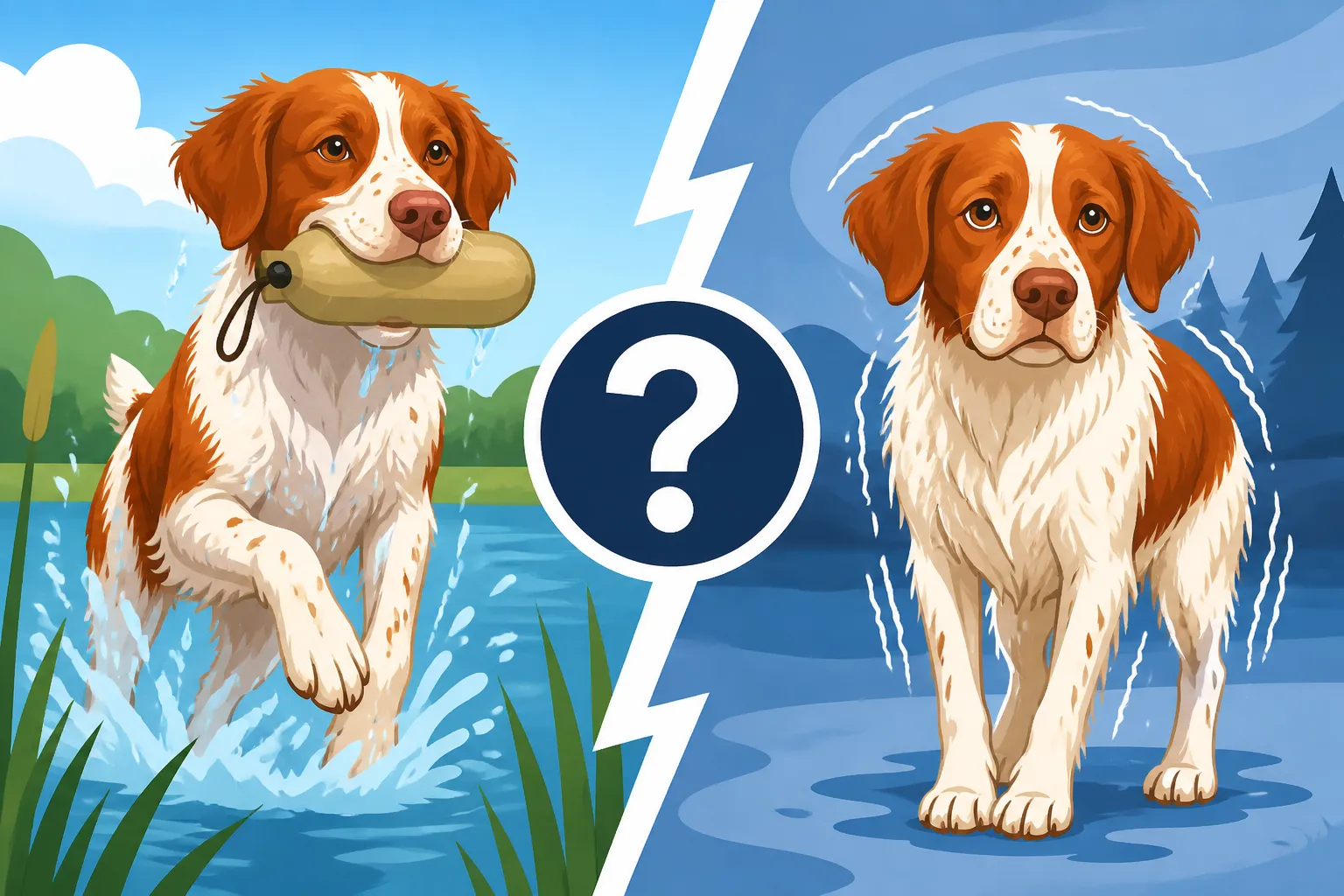
It's a familiar scenario for many Brittany owners: your enthusiastic dog bounds back from a retrieve, perhaps out of icy water or through crisp autumn fields, and then you notice the unmistakable tremor. Is that shiver just a sign of pure, unadulterated excitement over a successful find, or is it a warning that your beloved hunting companion is getting too cold? This guide will dive deep into the various reasons behind your Brittany's post-retrieve shivers, helping you understand when it's normal and when it might signal something more serious, so you can keep them safe and comfortable in the field.
Understanding Why Your Brittany Shivers After a Retrieve
Brittanys are energetic, dedicated hunting dogs, and their bodies are finely tuned machines, but even the best-conditioned athlete can experience physiological responses to exertion and environment. Shivering, in particular, can be a complex signal.
The Body's Natural Response to Cold
One of the most common and understandable reasons a Brittany might shiver after a retrieve is simply being cold. Brittanys have a dense coat, and A Brittany's Coat Is Low Maintenance Until It Hits Cover, but it's not a thick, double arctic-ready fur. When they plunge into cold water or are exposed to chilling winds and low temperatures for extended periods, their body temperature can drop. Shivering is an involuntary muscular contraction designed to generate heat and raise core body temperature. It's a primal survival mechanism that kicks in when the body senses it's losing heat faster than it can produce it.
Imagine yourself, standing in a duck blind on a frosty morning, waiting for your Brittany to bring back a bird from a half-frozen pond. The air might be crisp, maybe even below freezing. Your dog, driven by instinct and training, charges into that frigid water. Even if it's only for a minute or two, the sudden change in temperature, combined with their wet coat, can rapidly pull heat away from their body. Once they're back on solid ground, the wind can exacerbate this effect, chilling them further. Their muscles will start to shiver, sometimes quite violently, as their system tries to warm itself up. This is usually a normal, healthy response to cold stress, but it's crucial to monitor the intensity and duration of the shivering. Whether a Brittany Needs a Neoprene Vest in Cold Water is a question many owners grapple with for this exact reason.
The Adrenaline Rush of the Hunt
Beyond just being cold, the sheer excitement and adrenaline of a successful retrieve can also cause a Brittany to tremble. Brittanys are incredibly passionate dogs, bred for their bird drive and enthusiasm. When they're in the field, locked onto a scent, making a retrieve, or returning with a prize, their nervous system is firing on all cylinders. This surge of adrenaline and heightened arousal can manifest as a shake or tremor, especially after the immediate task is done and they're bringing the bird back to hand.
Think about the sheer joy and focus a Brittany exhibits. They live for the hunt. The anticipation, the chase, the successful find, and the proud return – it's an intense experience for them. Their bodies are flooded with hormones that prepare them for action. Once that action is completed, that energy needs to dissipate. This type of shivering usually isn't accompanied by other signs of distress like lethargy or pale gums. It's more of a vibrant, almost joyous tremor, a physical expression of their high spirits and intense focus. You might see this same kind of excited trembling when you pull out their leash for a walk or offer a favorite treat. It's a sign of their incredible engagement with the world around them and their inherent drive.
Other Factors Mimicking a Shiver
Sometimes, what looks like shivering might actually be tremors caused by other factors, which can be concerning. Exhaustion is a big one. A long day in the field, especially with intense activity and not enough rest or hydration, can leave a Brittany physically drained. Their muscles might tremble from fatigue, not necessarily cold. It's important to remember How Much Water a Brittany Needs on a Hunt and to provide breaks, especially on demanding days. Electrolyte imbalances from heavy exertion can also contribute to muscle tremors.
Pain or discomfort can also cause a dog to tremble. If your Brittany stepped on something sharp, pulled a muscle, or had a run-in with a sticker bush, the discomfort might lead to trembling. Always What to Check on a Brittany After Every Outing to catch any injuries early. Stress or anxiety, while less common for a happy retriever, can also induce trembling in some dogs. Perhaps a loud unexpected noise, or an unfamiliar environment, could trigger it. Finally, certain medical conditions, though rarer, can manifest as tremors. If you have any doubt, especially if the shivering seems unusual or prolonged, it’s always best to consult your veterinarian.
Distinguishing Between Normal Shivers and a Cause for Concern
Knowing the difference between a normal, healthy shiver and one that signals trouble is key to responsible Brittany ownership. It’s about being observant and knowing your dog.
When Excitement Fades and Shivers Should Too
Excitement-induced shivers are usually brief and tied directly to the stimulating event. When your Brittany brings back that pheasant, they might be quivering with anticipation and pride. But once they've delivered the bird, gotten their praise, and settled down a bit, those tremors should subside relatively quickly. If they persist for a long time after the immediate excitement has passed, or if your dog seems unable to relax, then it's time to consider other factors.
Similarly, mild cold shivers from a quick dip in a chilly pond might last a bit longer, perhaps 10-15 minutes, as their body actively works to warm itself. If you've toweled them off and gotten them into a warm crate or truck, you should see those shivers gradually lessen and then stop. If they continue to shiver intensely for an extended period, say 30 minutes or more, even after you've taken steps to warm them up, then you need to start paying closer attention. The body should be able to regulate its temperature effectively under normal circumstances.
Recognizing Signs of Hypothermia or Exhaustion
When shivering progresses beyond a simple, temporary response, it can be a sign of hypothermia, which is a dangerous drop in core body temperature. Early signs of hypothermia include continuous shivering, lethargy, weakness, and a general lack of coordination. Their gums might appear pale or bluish, and their skin might feel cold to the touch, especially their extremities like ears and paws. As hypothermia worsens, shivering may actually stop, which is a critical danger sign, as their body has lost the ability to generate heat.
Exhaustion, on the other hand, might also present with tremors, but will be accompanied by other distinct symptoms. A truly exhausted Brittany might drag its feet, appear disoriented, struggle to follow commands, or even stumble. They might have a dull, glazed look in their eyes and be unresponsive to stimulants they'd normally be excited about. Their breathing might be shallow or labored, and their heart rate could be elevated even at rest. A simple way to check hydration is to gently pinch the skin on their back; if it doesn't spring back quickly, they might be dehydrated. Signs a Brittany Is Overheating in the Field shares some overlapping symptoms with severe exhaustion, particularly in very active dogs, so it's important to distinguish between too hot and too cold/tired.
The Importance of Body Language
Your Brittany's overall demeanor and body language are powerful indicators. A dog shivering from excitement might have bright, alert eyes, a wagging tail, and be eager for the next command. They're still engaged and responsive. They might pace excitedly or whine a little, but it's an energetic whine, not a distressed one.
In contrast, a Brittany shivering from cold or exhaustion will likely show a more withdrawn or hunched posture. Their tail might be tucked, their ears might be flattened, and their eyes might look dull or distant. They might resist moving, or move slowly and stiffly. They won't make eye contact as readily. If they're cold, they might try to curl up tightly. If they're in pain, they might lick at a particular area or cry out when touched. Always trust your gut when it comes to your dog's subtle cues. You know your Brittany best, and if something feels "off," it probably is.
Practical Steps for Preventing Post-Retrieve Shivers
A little preparation and vigilance can go a long way in ensuring your Brittany stays comfortable and safe, minimizing those shivers after a retrieve.
Pre-Hunt Preparation and Gear Essentials
Before you even step foot in the field, proper preparation is paramount. First and foremost, ensure your Brittany is in peak physical condition. A well-conditioned dog handles temperature fluctuations and strenuous activity much better than one that's out of shape. Consider Conditioning a Brittany Before the Season Opens long before opening day. A strong, healthy dog has better thermoregulation capabilities.
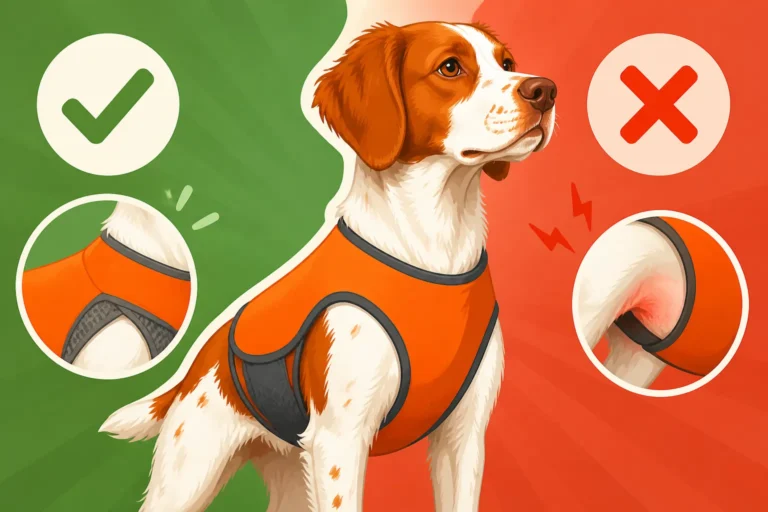
Secondly, assess the weather conditions. On particularly cold days, especially if there's water work involved, consider protective gear. A neoprene vest can make a huge difference in insulating your Brittany's core body temperature. Brands found on platforms like Chewy or Amazon offer a variety of sizes and styles designed for active dogs. While their natural coat provides some protection, Whether a Brittany's Coat Is Warm Enough for Late Season is a valid concern, particularly for smaller breeds like the Brittany or in truly extreme conditions. You might also want to have warm, dry towels ready in your truck or dog box for immediate drying after a water retrieve. Some owners even bring a small, battery-operated heater for their dog box on frigid days.
Managing Exposure During the Hunt
During the hunt itself, active management of your dog's exposure is crucial. Don't push your Brittany beyond its limits, especially in adverse weather. If they're doing multiple water retrieves in freezing temperatures, give them breaks between retrieves. Get them out of the wind, dry them off as best you can, and get them moving to generate some internal heat.
If you notice your dog starting to shiver early in the hunt, it's a clear signal to intervene. That might mean calling it a day, or at least giving them a long break to warm up. Always carry extra water for hydration, as even in cold weather, exertion can lead to dehydration, which impacts a dog's ability to regulate temperature. A high-quality performance dog food, such as those offered by Ollie, can also provide the necessary calories and nutrients to fuel their metabolism and help them stay warm. How Much More a Brittany Eats in Hunting Season is a common consideration, as their energy demands are significantly higher.
Immediate Warm-Up Strategies
The moment your Brittany returns shivering after a retrieve, act quickly. First, thoroughly towel dry them, paying special attention to their chest, belly, and ears. The Feathering on a Brittany's Legs and Ears can hold a lot of moisture, so don't forget to dry those areas too. If you're near your vehicle, get them into a warm space, like a dog box lined with dry bedding or blankets.
If you don't have access to a vehicle immediately, try to keep them moving gently to stimulate circulation, or tuck them under your jacket for a bit of body heat. You can also offer a small, easily digestible, high-energy snack to help boost their metabolism. Warming up small amounts of water in a thermos to offer them can also help raise their core temperature from the inside out. For severe cases, or if they seem disoriented, you might need to wrap them in an emergency blanket, readily available on Amazon or at outdoor supply stores, which reflects body heat.
Here's a quick comparison of shiver types and how to respond:
| Shiver Type | Characteristics | Common Causes | Action Steps |
|---|---|---|---|
| Excitement/Adrenaline | Brief, enthusiastic, tail wagging, alert eyes, dog seems happy. | High arousal from scent, retrieve, praise, anticipation. | Usually no action needed. Allow dog to settle. |
| Mild Cold | Moderate, steady shivering, dog is still responsive, may seek warmth. | Brief exposure to cold water/air, wet coat. | Towel dry thoroughly, get dog into warm, dry space (crate, truck), offer warm bedding, monitor. |
| Moderate Cold | Persistent, more intense shivering, dog may be stiff or less energetic. | Prolonged exposure to cold, multiple water retrieves without breaks. | Dry immediately, use insulating vest if available, move to heated area, offer warm fluids/snacks, gentle movement. Consider ending the hunt. |
| Hypothermia/Exhaustion | Intense, uncontrollable shivering (or shivering stops), lethargy, weakness, pale gums, disorientation. | Extended cold exposure, extreme exertion, dehydration, illness. | Emergency! Immediately warm the dog with blankets/body heat, transport to vet. Do not force feed or give large amounts of water if dog is unresponsive. Seek immediate veterinary care. |
| Pain/Injury/Illness | Shivering accompanied by limping, whimpering, licking, lethargy, loss of appetite, changes in behavior. | Sprain, cut, underlying medical condition, neurological issue. | Carefully examine the dog for visible injuries. Contact vet immediately, describe symptoms, and follow their advice. |
Long-Term Care and When to Seek Veterinary Advice
Beyond immediate field care, a holistic approach to your Brittany's health can minimize risks and enhance their well-being throughout their life.
Nutritional Support for a Working Dog
A Brittany that is regularly out in the field expends a tremendous amount of energy. Their nutritional needs are far greater than those of a sedentary house dog. Feeding a high-quality, protein-rich diet is essential for maintaining muscle mass, supporting recovery, and providing the necessary calories for energy and warmth. Whether a Working Brittany Needs a Performance Food is not just a suggestion, but often a necessity. Look for foods specifically formulated for active or sporting dogs, which will have a higher fat and protein content.
During the hunting season, you might need to adjust the amount of food your Brittany eats. Some owners split their dog's daily meal into two servings to optimize digestion and energy availability. Consulting with your veterinarian or a canine nutritionist can help you tailor a diet that meets your individual dog's specific needs, taking into account their activity level, age, and any existing health conditions. Proper nutrition is the foundation of a resilient dog, better able to withstand environmental stressors and recover quickly from exertion.
Regular Health Checks for Optimal Performance
Maintaining your Brittany's overall health through regular veterinary check-ups is paramount. A healthy dog is less prone to extreme reactions to cold or exertion. Your vet can monitor for underlying conditions like hypothyroidism, which can impact a dog's ability to regulate its body temperature, or What Hypothyroidism Does to a Brittany. They can also assess joint health, especially important for active dogs, as pain can manifest as shivering or reluctance to move.
Before hunting season starts, a pre-season vet check is a fantastic idea. Your vet can ensure your Brittany is up-to-date on vaccinations, parasite prevention, and overall fitness. Discussing your planned hunting activities can help your vet provide tailored advice on nutrition, conditioning, and emergency preparedness. What a Brittany's Yearly Bloodwork Should Cover often includes checks for organ function and thyroid levels, giving you a clearer picture of their internal health. It’s about proactive care, not just reactive treatment when something goes wrong.
What to Do If Shivering Becomes a Persistent Problem
If your Brittany's shivering after retrieves becomes a persistent or worsening issue, even after you've implemented all the preventative measures, it's time to seek veterinary attention. Don't dismiss it as "just how they are." Persistent shivering, especially if accompanied by other concerning symptoms like lethargy, weakness, appetite changes, or a change in temperament, could indicate an underlying medical issue.
It could be anything from chronic pain, a neurological condition, or even a systemic illness that's impacting their metabolism or thermoregulation. Your vet will perform a thorough physical examination, ask detailed questions about the frequency and circumstances of the shivering, and likely recommend diagnostic tests such as blood work or imaging. Being able to provide a clear history of when the shivering occurs, how long it lasts, and what other symptoms are present will be incredibly helpful for your vet in reaching an accurate diagnosis and formulating a treatment plan. Remember, your vet is your best partner in ensuring your Brittany lives a long, healthy, and vibrant life in and out of the field.
Disclaimer
This article is for general informational purposes only and does not constitute professional advice. Laws, prices and regulations vary by location and change over time. Consult a qualified professional for guidance on your specific situation.