Whether a Brittany Needs Paw Wax
As a Brittany owner, you've probably noticed that your dog's paws are like their personal all-terrain tires, constantly on the go, whether it's tearing through a briar patch or trotting across hot summer asphalt. But just like our own feet, these hardworking paws take a beating, and it's natural to wonder if they need a little extra protection. This guide will dive deep into the world of paw care for your beloved Brittany, exploring whether paw wax is a helpful tool in your arsenal against cracked pads, extreme temperatures, and rough terrain.
Understanding Your Brittany's Paws: More Than Just Feet
It's easy to take our dogs' paws for granted, especially with a breed as naturally tough and enthusiastic as the Brittany. They seem to conquer every obstacle with boundless energy, but a closer look reveals that their paws, while resilient, are also remarkably sensitive and prone to various stressors.
The Natural Design of a Brittany's Paw
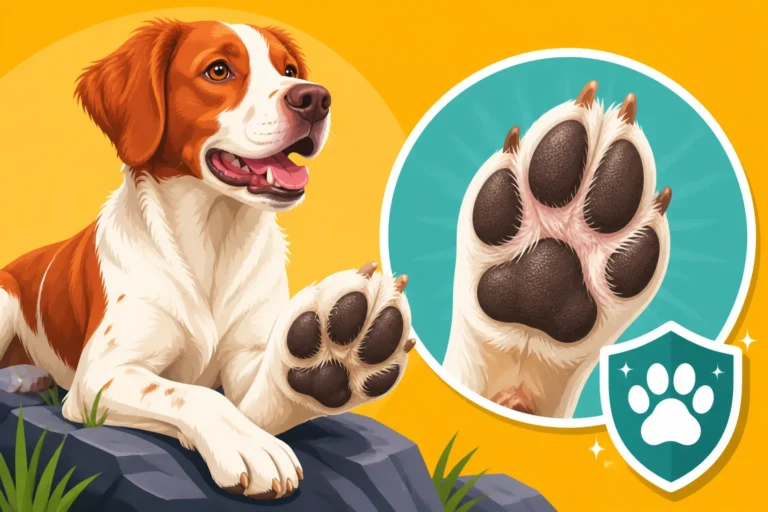
A Brittany's paw is a marvel of natural engineering, designed for agility and endurance in the field. Those thick, leathery pads are made of specialized skin, much tougher than the skin covering the rest of their body. They provide shock absorption, grip, and insulation. Between the pads, you'll find softer, more delicate skin, and fur that can offer some protection, but also easily collects debris. The nails are crucial for traction, particularly on uneven ground.
While dog paws are naturally equipped for a lot, they're not invincible. Think about the difference between walking barefoot on a soft forest floor versus hot pavement, or icy, salted sidewalks. Our Brittanys navigate all these with gusto, often without a second thought, until a little discomfort starts to show. Their pads are built to withstand friction and pressure, but constant exposure to extremes can lead to dryness, cracking, and even injury. You might have found yourself checking your Brittany’s paws How Often a Brittany's Pads Should Be Checked after a particularly long day in the field, only to find them rougher than you expected.
Common Paw Challenges for an Active Brittany
The life of a Brittany is one of adventure, which means their paws are constantly exposed to a variety of challenging conditions. This isn't just about hunting season; it's about daily walks, trips to the dog park, and backyard romps. One of the biggest frustrations for us as owners is seeing our typically robust dog favoring a paw or limping slightly after a fun outing.
In the warmer months, hot asphalt, concrete, and even sand can become scorching, literally burning their paw pads. Imagine stepping onto a blacktop road in July — that's what your Brittany's paws are contending with. In winter, icy surfaces, frozen ground, and de-icing chemicals are significant threats. These chemicals, like rock salt, can be caustic and cause irritation, drying, and cracking. Then there's the rough and tumble of hunting season: stubble fields, rocky terrain, thorns, and burrs. These can cause cuts, abrasions, and embedded foreign objects that are not only painful but can lead to infections. The Injuries a Brittany Picks Up in the Field are often centered around their hardworking paws. Without proper care, small issues can quickly escalate into bigger problems, sidelining your energetic companion.
What is Paw Wax and How Does It Work?
So, with all these challenges, is there something we can proactively do to help those precious paws? This is where paw wax comes into the picture. It's not a magic bullet, but it can be a valuable protective and conditioning agent.
The Protective Barrier
Paw wax, at its heart, is designed to create a semi-permeable barrier on your Brittany's paw pads. Think of it like a balm for their feet. Most paw waxes are made from a blend of natural waxes (like beeswax or carnauba wax) and oils (such as coconut oil, shea butter, or vitamin E). When applied, this mixture forms a protective layer that helps shield the pads from environmental stressors.
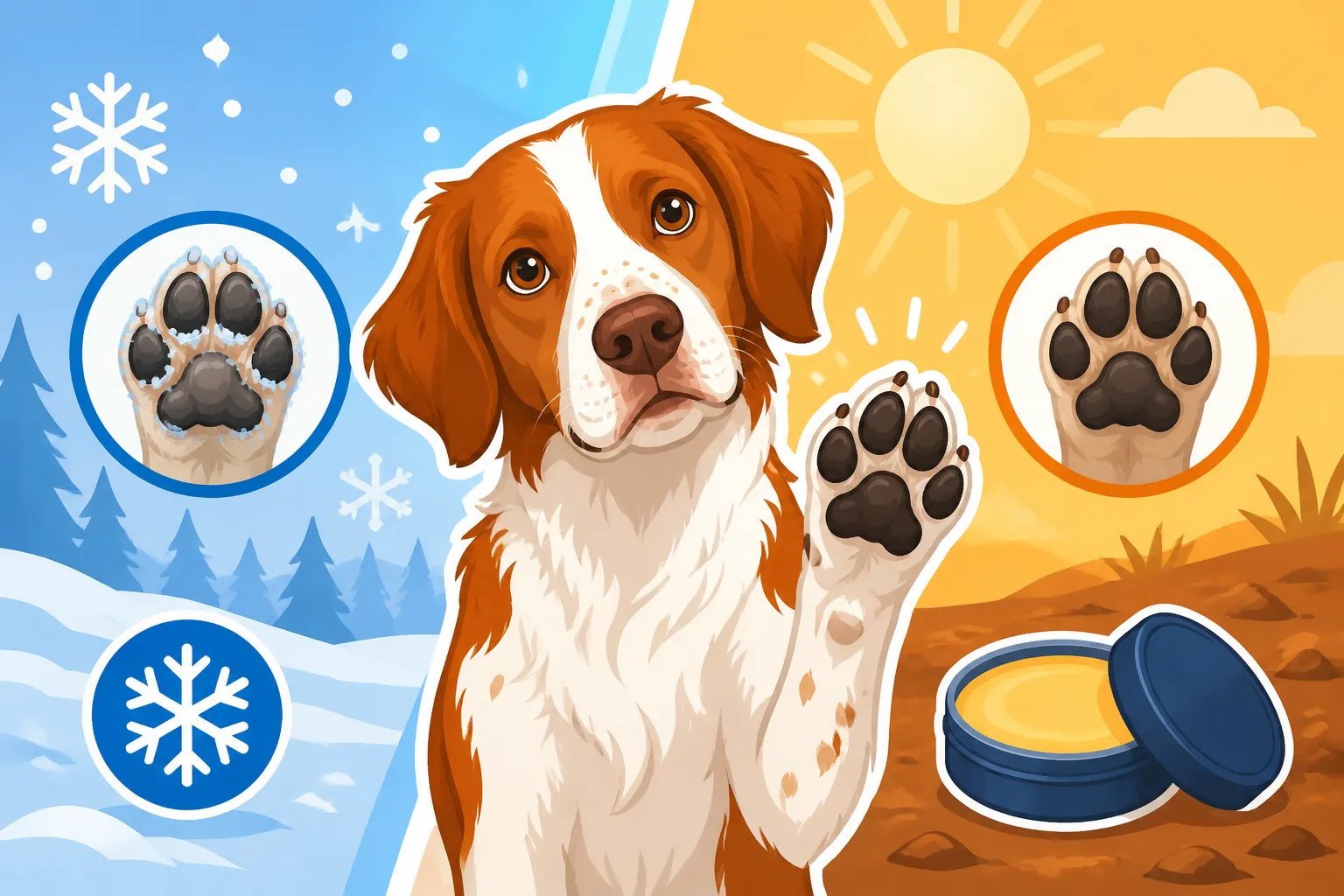
This barrier works in a few key ways. Firstly, it helps to insulate the pads from extreme temperatures, whether it's blistering hot pavement or freezing cold ice. It won't make their paws impervious, but it provides an extra buffer. Secondly, it can reduce friction and provide a slight increase in grip on slippery surfaces like ice or polished floors, which is a nice bonus. Thirdly, it acts as a physical barrier against irritants like salt, chemicals, and some rough terrain, preventing them from directly contacting and damaging the delicate pad tissue. You might find a good selection of these products available on platforms like Amazon or Chewy, making it easy to try out different formulations.
Moisturizing and Healing Properties
Beyond just protection, many paw waxes also offer moisturizing and conditioning benefits. The natural oils and butters in the formulation are absorbed into the paw pads, helping to keep them supple and prevent dryness. Dry paw pads are more prone to cracking, especially around the edges and between the toes. These cracks can be incredibly painful and create entry points for bacteria, leading to infection.
If your Brittany already has mildly dry or cracked paws, regular application of paw wax can help to soften the calloused skin, promote healing of minor fissures, and restore their natural elasticity. It's not intended for deep wounds or severe injuries, which always warrant a vet visit, but for everyday wear and tear, it can make a real difference. For overall skin and coat health, including paw pads, considering a diet rich in essential fatty acids is also important; some owners look to brands like Ollie for high-quality, fresh ingredients that support general canine well-being. Keeping your Brittany well-hydrated is also key, as dry skin can be an indicator of insufficient water intake. Remember, How Much Water a Brittany Drinks a Day can significantly impact their overall health, including their paw health.
When Your Brittany Might Need Paw Wax
While some dogs might go their whole lives without ever needing paw wax, an active Brittany, particularly one that spends a lot of time outdoors or hunting, is a prime candidate for its benefits. It's all about recognizing the situations where those paws are most vulnerable.
Extreme Weather Conditions
Weather is perhaps the most obvious reason to reach for paw wax. Our Brittanys are built for the field, but modern environments present challenges that even their ancestors didn't face.
In the heat of summer, temperatures can soar, making sidewalks, asphalt, and even some dark-colored trails dangerously hot. A quick test with your own hand on the pavement will tell you if it's too hot for your dog's bare paws. If you can't comfortably hold your hand there for seven seconds, it's too hot for them. Paw wax provides a layer of insulation, reducing the direct heat transfer to the sensitive pads. This can help prevent painful burns and blisters. Remember that Whether a Brittany's Pads Burn on Hot Ground is a serious concern, and prevention is always better than treatment.
When winter arrives, snow and ice bring their own set of problems. Beyond the obvious cold, ice can be sharp and abrasive. Even worse are the de-icing salts and chemicals commonly used on roads and sidewalks. These can be corrosive, leading to dryness, irritation, and cracking. Many Brittanys also struggle with ice balls forming between their paw pads, particularly those with more feathering. These icy clumps can be incredibly uncomfortable, causing them to limp or chew at their feet. Applying paw wax helps prevent ice and snow from clinging to the fur and pads, making it harder for those painful ice balls to form. You might also notice Whether a Brittany's Feet Crack in Winter, which paw wax can help mitigate.
Rough Terrain and Extended Activity
Brittanys are working dogs, and that means their paws are constantly engaged with varied, often challenging, terrain. A long day of hunting pheasants or quail can take a serious toll on their feet. Fields often have stubble, thorny bushes, and rocky patches that can cause minor cuts, abrasions, and general wear and tear.
Even regular hikes on rough trails can lead to excessive friction and drying of the paw pads. The cumulative effect of these activities can result in toughened, but also brittle, pads that are more susceptible to cracking and injury. Paw wax can help by creating a smoother surface, reducing some of that friction, and offering a layer of protection against minor scrapes. It also helps to keep the pads pliable, which is essential for resisting cracks. For some owners, particularly those with dogs consistently on very rough ground or spending extended periods in harsh conditions, paw boots might be considered. Whether a Brittany Needs Boots in the Field is a question many hunters grapple with, and paw wax can sometimes be a lighter alternative or a complement to boots.
Preventing and Addressing Dry, Cracked Paws
Even without extreme weather or terrain, some Brittanys are simply prone to dry paw pads. Just like human skin, dog paw pads can lose moisture, especially if they spend a lot of time on abrasive indoor surfaces or if the air is particularly dry.
Dryness often leads to cracking, starting as small, almost imperceptible lines that can deepen over time. These cracks are not only uncomfortable but can become painful and even bleed, making every step a challenge for your dog. They also open the door to bacterial or fungal infections. Regular application of paw wax can significantly reduce this risk. By keeping the pads moisturized and flexible, you're helping them maintain their natural resilience. It's a proactive step that can save your Brittany from unnecessary discomfort and potentially costly vet visits. Remember, a little prevention goes a long way in keeping your active dog comfortable and ready for their next adventure. For more guidance, you can also explore how to actively work on How to Toughen a Brittany's Pads for the season.
Alternatives and Complementary Paw Care for Brittanys
Paw wax is a fantastic tool, but it's just one piece of a comprehensive paw care puzzle. For a truly healthy and resilient Brittany, you'll want to combine wax with other practices and be prepared for different scenarios.
Regular Inspections and Cleaning
This is perhaps the most important, yet often overlooked, aspect of paw care. After every outing, especially after a hunt or a long walk in varied terrain, take the time to thoroughly inspect your Brittany's paws. We're talking about really getting in there, spreading the toes, and checking between the pads. Look for:
- Cuts, scrapes, or punctures: Even small ones can harbor bacteria.
- Thorns, burrs, or foxtails: These can embed deeply and cause serious problems.
- Excessive dryness or cracking: Note any changes from their usual condition.
- Redness or inflammation: Signs of irritation or potential infection.
- Foreign objects: Small pebbles, twigs, or bits of debris.
Cleaning is just as crucial. A quick rinse with warm water can remove dirt, mud, and any chemical residues like de-icing salts. If you've been in an area with potential allergens or irritants, a gentle dog-specific paw wash can be beneficial. Always dry their paws thoroughly afterward, paying special attention to the spaces between the pads to prevent moisture-related issues. This routine inspection is part of What to Check on a Brittany After Every Outing to ensure their well-being.
Paw Booties and Other Protective Gear
Sometimes, paw wax alone isn't enough, or certain situations call for different protection. This is where paw booties come in.
| Feature | Paw Wax | Paw Booties | Natural Paw Resilience |
|---|---|---|---|
| Primary Function | Barrier, Moisturizer, Friction Reducer | Physical Shield, Insulation, Traction | Inherent Toughness, Shock Absorption |
| Protection Type | Chemical, Temperature (mild), Minor Friction | Puncture, Abrasion, Temperature (extreme), Chemicals | General Wear & Tear, Minor Impacts |
| Application | Rub onto pads, between toes | Strap onto feet | None (it's built-in) |
| Comfort Level | Generally high, unnoticed once absorbed | Can be awkward, some dogs dislike them | High, when healthy |
| Coverage | Pads and surrounding skin | Entire paw, sometimes up the leg | Pads naturally |
| Maintenance | Reapply as needed | Clean after use, inspect for damage | Regular cleaning and inspection |
| Best Use Cases | Hot/cold surfaces, mild rough terrain, dry paws | Extreme heat/cold, sharp debris, long hikes, certain medical needs | Everyday walking, moderate outdoor activity |
Boots offer a physical barrier that wax simply cannot. If your Brittany is hunting in extremely abrasive stubble fields, running over jagged rocks, or if they have a pre-existing paw injury that needs protecting, boots might be the better choice. They are excellent for preventing cuts, punctures, and severe abrasions. They also provide superior insulation against extreme cold or heat.
However, boots aren't without their drawbacks. Many dogs dislike wearing them and can take time to get accustomed to them, sometimes doing a funny "boot dance" at first. They can also rub or chafe if not fitted properly, potentially causing other issues. Some owners find them cumbersome to put on, and they can sometimes fall off in dense cover. The cost can also add up, as discussed in What Boots Cost for a Brittany. It often comes down to personal preference and the specific needs of your dog and environment. Many owners will use paw wax for general protection and conditioning, and reserve boots for the most challenging conditions.
Nutritional Support and Hydration
Believe it or not, what goes into your Brittany can significantly impact the health of their paws. A balanced, high-quality diet provides the necessary nutrients for healthy skin, coat, and paw pads. Essential fatty acids, like Omega-3 and Omega-6, are particularly important for skin integrity and elasticity, helping to prevent dryness and cracking from the inside out.
Ensure your Brittany is getting adequate hydration, especially if they're very active. Dehydration can manifest in dry skin, including the paw pads. Always have fresh water available, and consider bringing extra water on hunts or long outings. Brands like Chewy and Amazon offer a wide range of supplements and foods that focus on skin and coat health, which can indirectly benefit paw pads. If you're using a high-performance food for a working dog, ensure it meets their caloric and nutritional demands, as sometimes nutritional deficiencies can show up in skin and paw health. Caring for a Brittany Past Ten is also a good reminder that older dogs might need dietary adjustments and supplements to maintain paw health as their skin becomes less elastic.
Taking a holistic approach to your Brittany's paw care, combining external protection with internal health, will give them the best chance at maintaining strong, healthy paws throughout their active lives.
Disclaimer
This article is for general informational purposes only and does not constitute professional advice. Laws, prices and regulations vary by location and change over time. Consult a qualified professional for guidance on your specific situation.