How to Condition a Brittany Before Opening Day
It's that time of year again, isn't it? As the leaves start to turn and the crispness returns to the air, every bird hunter's thoughts drift to opening day. But for those of us with a hard-running, bird-crazy Brittany, the excitement is often mixed with a touch of anxiety. We want our dogs to be at their absolute best, performing tirelessly and staying safe, but getting them from couch potato to field athlete takes a thoughtful, consistent approach. This guide will walk you through building a comprehensive preseason conditioning program to ensure your Brittany is strong, healthy, and ready to hit the cover with confidence and avoid injury.
Understanding the Brittany's Athletic Needs
Before you even think about lacing up your boots, or your Brittany's (metaphorical) running shoes, it's crucial to understand just what makes these dogs such phenomenal athletes and why that athleticism demands proper conditioning. They're not just pets; they're finely tuned hunting machines, and treating them as such is the first step in responsible ownership and successful hunting.
Why Brittanys Need Peak Conditioning
Brittanys are a bundle of boundless energy, known for their incredible stamina and tenacious drive in the field. They are bred to cover vast amounts of ground, quartering tirelessly in front of the gun, pointing birds, and often retrieving with gusto. This isn't a leisurely stroll in the park; it's an intense, all-day athletic endeavor that places significant demands on their cardiovascular system, muscles, and joints. A Brittany that isn't properly conditioned for this kind of work is not only less effective but also at a much higher risk for injuries, exhaustion, and even serious health complications like heatstroke.
Think about it this way: you wouldn't run a marathon without training, right? The same logic applies to your Brittany. Their natural enthusiasm will often push them past their physical limits if those limits haven't been adequately built up. This can lead to anything from muscle soreness and minor strains to torn ligaments, footpad lacerations, and systemic fatigue that can take weeks to recover from. Peak conditioning isn't just about performance; it's primarily about their well-being and longevity in the field.
A well-conditioned Brittany can maintain its energy and focus throughout the day, ensuring they remain sharp on point and responsive to commands even after hours of work. This translates directly to more birds in the bag and a much more enjoyable experience for both you and your canine partner. It's an investment in their health, happiness, and your shared passion for bird hunting.
Recognizing a Fit vs. Unfit Brittany
It's easy to tell the difference once you know what to look for. An unfit Brittany, especially after a sedentary off-season, will often carry a bit too much weight, lack muscle definition, and tire easily. When you feel along their ribs, you might struggle to locate them through a layer of fat. Their belly might hang a little lower, and their overall energy level might seem subdued compared to their usual bubbly selves. During even short bursts of activity, they'll pant heavily, recover slowly, and likely show less enthusiasm for vigorous play.
On the other hand, a truly fit Brittany will be lean and muscular. You should be able to easily feel their ribs, but not see them prominently. Their waist should be tucked up, and their muscles — especially in their hindquarters and shoulders — should be well-defined and firm. Their coat will often have a healthy sheen, reflecting good nutrition and overall vitality. In terms of behavior, a fit Brittany will exhibit sustained energy, quick recovery after exercise, and an eager, resilient attitude, ready for whatever adventure you throw their way.
Assessing your Brittany's current condition is the starting point for any preseason program. Stand above them and look down: do they have a clear waist? Feel their ribs, spine, and hip bones. A slight covering of fat is normal, but anything more suggests they need to shed a few pounds. Observing their movement – are they fluid and agile, or a bit stiff? These observations will guide how aggressively or gently you need to begin their conditioning regimen.
The Risks of Starting Unfit
Launching into a rigorous hunting season with an unfit Brittany is a recipe for disaster. The most common issues arise from muscles, tendons, and ligaments being unprepared for the sudden stress. Sprains, strains, and pulls are frequently seen, particularly in the shoulders, stifles (knees), and hocks (ankles). These injuries can sideline your dog for weeks or even months, requiring expensive veterinary care and frustrating rest periods. Beyond the immediate pain, these injuries can also lead to chronic problems like arthritis later in life.
Beyond musculoskeletal woes, heat exhaustion and heatstroke are significant concerns, especially during early season hunts when temperatures can still be surprisingly high. An unfit dog struggles to regulate its body temperature effectively. Their cardiovascular system can't cope with the demands, leading to rapid overheating, dehydration, and potentially fatal organ damage. Signs like excessive panting, staggering, bright red gums, and a vacant stare are critical emergencies. Knowing Signs a Brittany Is Overheating in the Field could be life-saving.
Furthermore, soft, untoughened paw pads are highly susceptible to cuts, abrasions, and tears on abrasive field stubble, rocky terrain, or frozen ground. A torn pad can be excruciatingly painful and difficult to heal, putting an end to your hunt – and potentially your dog's season – immediately. It’s why focusing on A Brittany's Feet Over a Long Season is so crucial. Lastly, an unfit dog simply won't perform as well. Their focus wanes, their range diminishes, and their bird drive might suffer. The physical discomfort can overshadow their natural instincts, making for a less successful and enjoyable hunt.
Building a Preseason Conditioning Program
Once you've assessed your Brittany's current fitness level, it's time to craft a realistic and effective conditioning program. The key words here are "gradual" and "consistent." Rome wasn't built in a day, and neither is a field-ready Brittany.
The Importance of a Gradual Approach
You absolutely cannot rush this process. Trying to cram weeks of conditioning into a few days or pushing your Brittany too hard, too fast, is almost guaranteed to result in injury. A good preseason conditioning program should span at least 6 to 8 weeks, ideally starting even earlier, maybe 10-12 weeks out from opening day. This allows the body to adapt slowly, building strength, stamina, and resilience without undue stress.
Start with short, easy sessions and slowly increase the duration, intensity, and complexity of the exercise. For example, if your Brittany has been mostly sedentary, begin with 15-20 minute walks on soft surfaces, gradually extending the time and introducing gentle trots. Observe your dog closely for any signs of fatigue, soreness, or lameness. If they seem stiff or tired the day after a session, you've likely pushed too hard, and you need to dial back the intensity or duration. Consistency over intensity is the mantra here.
A structured schedule helps immensely. Knowing what you're doing each day and sticking to it (within reason, allowing for rest days and flexibility) will ensure steady progress. Just like us, dogs benefit from routine, and their bodies respond best to predictable, increasing demands. Don't skip steps, and remember that some days will be better than others. The goal is long-term readiness, not a single heroic effort.
Incorporating Cardiovascular Exercise
Cardiovascular fitness is the bedrock of a successful hunting season for your Brittany. They need a strong heart and lungs to sustain their energetic searching for hours on end. There are several excellent ways to build this up, and varying them keeps things interesting for your dog and works different muscle groups.
Running is perhaps the most straightforward. Start with gentle jogs on soft terrain like grassy fields or dirt trails, avoiding pavement, especially at the beginning. Gradually increase the distance and speed. Roading, or having your dog run alongside a bicycle or ATV (safely, on appropriate surfaces, and with proper training and equipment), is an excellent way to cover significant distances and build endurance. Ensure your dog is already well-trained on leash and understands commands like "heel" and "whoa" before attempting this. Remember, Whether Roading Builds a Brittany's Wind is a positive, but careful execution is paramount.
Swimming is another fantastic, low-impact cardio option that also builds strength without stressing joints. If your Brittany enjoys the water, gradually introduce longer swimming sessions. This is particularly beneficial in warmer weather, helping them stay cool while getting an intense workout. Whether Swimming Conditions a Brittany is a definite yes, and it’s a great way to vary their routine. Fetching objects from the water can also add an element of fun and retrieve practice. Varying the types of cardio keeps your Brittany engaged and develops a more well-rounded athlete.
Strength and Endurance Building
While cardiovascular fitness is vital, Brittanys also need robust muscle strength and endurance to navigate challenging terrain, jump over obstacles, and power through thick cover. Simply running on flat ground isn't enough; you need to incorporate exercises that engage their core and build powerful hindquarters.
Hill work is invaluable. Walking or running your Brittany up and down inclines forces them to work harder, building muscle in their legs and strengthening their core. Start with gentle slopes and short repetitions, gradually moving to steeper hills and more ascents. Varied terrain is also crucial. Introduce them to fields with uneven ground, light brush, and natural obstacles. This not only builds physical strength but also improves their balance, proprioception, and agility, skills that are essential in the unpredictable hunting environment.
Retrieving drills, especially with slightly heavier dummies or in moderately dense cover, can also build endurance and strength. Make them work for the retrieve, using longer distances or slightly more challenging hides. You can even combine this with short bursts of running. Remember to keep sessions positive and fun, as Brittanys are sensitive dogs and thrive on praise and encouragement. Challenging them physically and mentally will create a truly fit and ready hunting companion.
Nutritional Support for the Working Brittany
You can train all you want, but without the right fuel, your Brittany won't reach its full potential. Just like a high-performance vehicle needs premium gasoline, a working Brittany needs a diet tailored to its elevated energy demands.
Adjusting Diet for Increased Activity
As your Brittany's exercise regimen ramps up, so too must their caloric intake. A sedentary dog's diet simply won't cut it. They'll need more energy, which means increasing their food portion sizes or, more effectively, transitioning them to a high-quality "performance" or "sporting dog" formula. These foods typically have higher protein and fat content, providing the dense calories and muscle-building blocks necessary for sustained activity.
Protein is crucial for muscle repair and growth, while fats are a concentrated source of energy for endurance. Look for formulas with at least 25-30% protein and 15-20% fat. Some popular brands offer specific performance blends, and you can easily find a wide variety of options on platforms like Chewy or Amazon. It's a good idea to research what Whether a Working Brittany Needs a Performance Food entails for proper selection. Make this transition gradually over 7-10 days to avoid upsetting your dog's stomach. Monitor their weight and body condition closely; they should remain lean, not gain excessive fat or lose too much weight.
Don't forget the importance of feeding times. While a single meal a day might be fine in the off-season, active Brittanys often benefit from two meals to help with digestion and sustained energy levels throughout the day. Always consult your veterinarian if you're unsure about the best diet plan or specific food choices for your dog's individual needs.
Hydration is Key
Water is arguably the most critical nutrient, especially for active dogs. Even mild dehydration can significantly impact performance, lead to fatigue, and increase the risk of heat-related illness. During conditioning, and certainly during the hunting season, your Brittany needs constant access to fresh, clean water.
Ensure your dog drinks before and after every exercise session. Carry water with you on walks and runs, offering it frequently, even if they don't seem thirsty. Some dogs are reluctant drinkers when distracted, so make it a habit to stop and offer. In the field, a portable water bowl is essential. Understanding How Much Water a Brittany Needs on a Hunt will give you a good benchmark for daily and in-field intake.
Electrolyte solutions designed for dogs can be beneficial on particularly long or strenuous days, especially in warm weather, but they should not replace plain water. Always introduce any new supplements or hydration aids gradually and under the guidance of your veterinarian. The goal is to keep them optimally hydrated to support all physiological functions and prevent overheating.
Supplements and Joint Health
While a balanced, high-quality diet is the foundation, some supplements can provide additional support for a working Brittany, particularly for joint health. The constant pounding and vigorous movement in the field can take a toll on their joints over time, making proactive care a smart choice.
Common joint supplements often contain ingredients like glucosamine, chondroitin, and MSM, which are believed to support cartilage health and reduce inflammation. Fish oil, rich in Omega-3 fatty acids, is another popular choice, known for its anti-inflammatory properties and benefits for skin and coat health. Many owners wonder Whether a Brittany Needs Joint Supplements or Whether a Brittany Needs Fish Oil, and for active working dogs, they can certainly be a valuable addition to their regimen.
However, it's crucial to approach supplements thoughtfully. They are not a magic bullet and should never replace a proper diet or conditioning program. Always discuss any potential supplements with your veterinarian before introducing them, especially if your Brittany has existing health conditions. Your vet can provide guidance on appropriate dosages and ensure there are no contraindications with other medications or health issues.
Paw and Pad Toughness: An Essential Component
Imagine trying to run a marathon barefoot over gravel. That's essentially what you're asking your Brittany to do if their paw pads aren't adequately conditioned. Strong, resilient paw pads are non-negotiable for a hunting dog.
Why Healthy Paws Matter in the Field
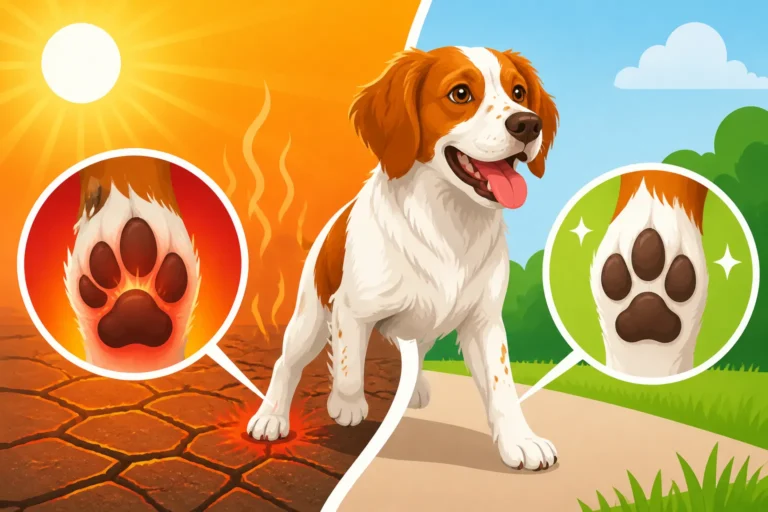
A Brittany's paws are their primary interface with the hunting environment. They absorb impact, provide traction, and are constantly exposed to rough, abrasive, and sometimes hazardous surfaces. Think about stubble fields, rocky trails, frozen ground, or even just long days of running over varied terrain – all can quickly break down soft, unconditioned pads.
Torn, cracked, or abraded paw pads are incredibly painful for a dog. They can lead to bleeding, infection, and significant lameness, effectively ending your hunt on the spot. Beyond the immediate injury, repeated trauma to the pads can also make them more susceptible to future problems. A dog with sore feet won't hunt with enthusiasm or effectiveness, and their focus will shift from birds to pain. This is why addressing A Brittany's Feet Over a Long Season isn't just a suggestion; it's a critical part of their care.
Proper paw conditioning ensures that the keratin layers of the pads thicken and harden, providing a protective barrier against the elements. It reduces the likelihood of injury and allows your Brittany to concentrate on what they do best: finding birds. It's a fundamental aspect of their field readiness that no bird hunter should ever overlook.
Methods for Toughening Pads
The best way to toughen paw pads is gradual, consistent exposure to the types of surfaces your Brittany will encounter in the field. Start with short walks on slightly rougher terrain, like dirt roads or gravel paths, slowly increasing the duration and intensity as their pads adapt. Avoid starting directly on sharp, rocky surfaces or extreme temperatures.
Several products are also available that claim to help toughen paw pads. These often come in liquid or balm form and contain ingredients designed to strengthen the skin and create a protective barrier. While opinions vary on their efficacy, some owners swear by them as an aid during the conditioning process. You can find these on Chewy, Amazon, or at specialty pet stores. If you're wondering Whether Pad Toughener Works on a Brittany, the general consensus is that they can assist, but nothing beats gradual exposure.
Another strategy is to use paw wax or balms. These products don't necessarily "toughen" the pads in the same way as gradual exposure, but they create a protective layer that can prevent cracking, chapping, and provide a barrier against extreme temperatures and abrasive surfaces. Applying these regularly, especially before and after field sessions, can add an extra layer of protection.
Nail Care and Dewclaws
Proper nail length is critical for a working Brittany. Overgrown nails can interfere with their natural gait, causing discomfort, altering their foot placement, and potentially leading to splayed toes or other orthopedic issues. Long nails are also more prone to snagging and tearing, which is an extremely painful injury.
Your Brittany's nails should be trimmed regularly so they do not touch the ground when the dog is standing naturally. You should not hear them clicking on hard floors. Regular trims keep the quick (the sensitive part of the nail) shorter, making future trims easier and less stressful. This is vital for How Short a Brittany's Nails Should Be for Running. If you're uncomfortable trimming them yourself, your vet or a professional groomer can handle it.
Dewclaws, if present, are a point of debate. Some Brittanys are born without them, or they are removed early in life. If your Brittany has intact dewclaws, especially on the front legs, they can sometimes snag on brush or thick cover, leading to painful tears. While some argue they provide extra traction, many working dog owners choose to have them removed to prevent injury. Discuss this with your veterinarian, especially during your preseason check-up, to determine the best course of action for your individual dog.
Veterinary Check-ups and Injury Prevention
Even the most meticulous conditioning program benefits from professional oversight. A comprehensive veterinary check-up before the season begins is not just a good idea—it's an essential part of responsible ownership for a working Brittany.
The Preseason Vet Visit
Before you truly commit to ramping up the physical demands on your Brittany, schedule a full check-up with your veterinarian. This visit allows your vet to assess your dog's overall health, ensuring there are no underlying issues that could be exacerbated by intense exercise. This includes a thorough physical exam, checking heart and lung function, palpating joints, and examining their teeth and ears.
Your vet can also discuss necessary vaccinations, parasite prevention (especially for ticks and heartworm, which are prevalent in the field), and any specific concerns you might have. It's a great opportunity to ask about dietary recommendations or discuss starting any supplements like joint support. Many owners also consider Whether a Brittany Needs a Preseason Vet Check to include baseline bloodwork. This can help identify any subtle organ function issues or nutrient deficiencies that might impact their performance or health during the season.
If your Brittany has a history of specific issues, such as hip dysplasia, thyroid problems, or C3 deficiency, this check-up is paramount. Your vet can advise on how to tailor the conditioning program to their specific needs and provide proactive management strategies to prevent flare-ups or new injuries.
Recognizing Warning Signs of Overtraining or Injury
Throughout the conditioning period, and indeed all season, you need to be constantly vigilant for signs that your Brittany is overdoing it or developing an injury. Brittanys are stoic dogs and often try to "tough it out," making it harder for owners to spot problems.
Watch for changes in gait, limping, or favoring a leg, however subtle. Reluctance to put weight on a paw, stiffness after rest, or difficulty getting up are red flags. Excessive panting, particularly on cooler days, or a prolonged recovery time after exercise can indicate cardiovascular strain or overheating. A change in appetite, lethargy, or unusual irritability can also be signs of discomfort or illness. It's a heartbreaking truth that How a Brittany Hides Pain can sometimes delay treatment, so pay close attention.
If you notice any of these signs, stop the exercise immediately. Do not push your dog to continue. Give them rest, rehydrate them, and if symptoms persist or worsen, contact your veterinarian. Early intervention can prevent minor issues from becoming major problems, potentially saving your season and your dog from prolonged suffering.
Field First Aid Preparedness
Accidents happen, even with the best preparation. Being equipped to handle minor injuries in the field can make a significant difference in your Brittany's comfort and recovery. Every bird hunter should carry a well-stocked dog first aid kit.
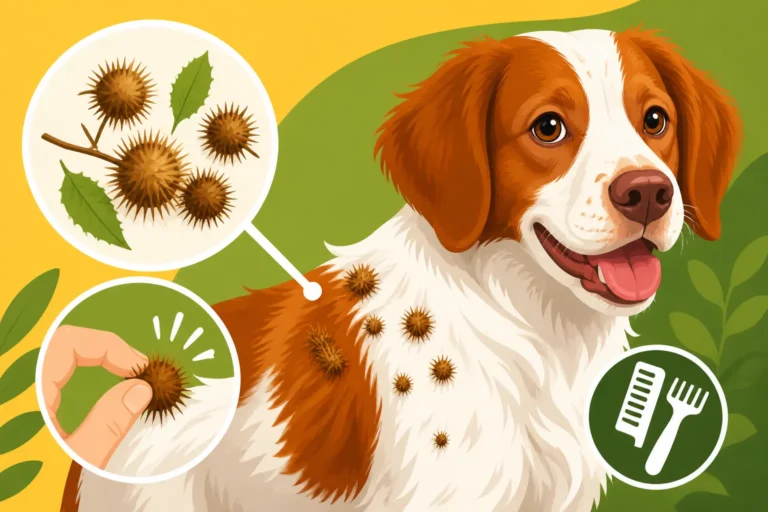
Essential items for a field kit include antiseptic wipes or spray, gauze pads, vet wrap (self-adhering bandage), medical tape, scissors, tweezers (for splinters or thorns), styptic powder (for nail injuries or minor cuts), a small bottle of saline solution (for flushing eyes or wounds), and pain relief medication specifically approved by your vet for dogs. A small flashlight, a tick remover tool, and a muzzle (for safely treating a dog in pain) are also highly recommended. Understanding What a First Aid Kit for a Brittany Should Hold is crucial, and it’s wise to refresh your knowledge and supplies before each season.
Knowing how to use these items is just as important as having them. Consider taking a pet first aid course or reviewing online resources to familiarize yourself with basic wound care, addressing lameness, and managing heat stress. Being prepared will give you peace of mind and allow you to react quickly and effectively when unexpected situations arise.
Integrating Training Drills and Mental Conditioning
Conditioning isn't just about the physical; it's also about honing those instincts and commands that make your Brittany such a joy to hunt with. Preseason is the perfect time to reinforce training in a low-pressure environment.
Incorporating Bird Work Gradually
While you're building physical stamina, you also need to reawaken your Brittany's bird drive and polish their pointing and retrieving skills. Start with controlled bird work. This isn't about running wild on chukar; it's about building confidence and precision. Live birds, such as pigeons or quail, can be introduced in a controlled setting, like a training pen or a designated bird field.
Begin with short sessions, focusing on positive experiences. Allow your Brittany to find the bird, point, and perhaps retrieve if they're already proficient. The goal is to build their excitement and focus without overtaxing their still-developing stamina. If you have a young Brittany, consider When a Brittany Puppy Should Meet Its First Bird and introduce them gently to the concept of scent and point. For older dogs, it's a refresher course.
Avoid putting too much pressure on them at this stage. Keep it fun and rewarding. You want them leaving each session eager for the next, not feeling defeated or exhausted. This gradual reintroduction to birds helps them mentally prepare for the intensity of the hunting season.
Reinforcing Basic Commands and Steadiness
The preseason is an excellent time to brush up on all those vital commands that keep your Brittany safe and effective in the field. Even the most well-trained dog can get a little rusty after months of less rigorous activity. Focus on strong recall, steady to point, whoa, and heel.
Practice your recall in increasingly distracting environments. A reliable recall is perhaps the most important command for a wide-ranging Brittany. Work on your "whoa" command, using a check cord initially to ensure compliance. The ability for your Brittany to Teaching a Brittany Whoa and remain steady on point until you arrive is fundamental to bird hunting. Incorporate these commands into your conditioning sessions; for example, practice "whoa" during a run or "heel" during a walk to the field.
Keep sessions short, positive, and consistent. Use high-value treats and enthusiastic praise to reinforce correct responses. The more ingrained these commands are, the safer and more enjoyable your hunts will be. A Brittany that is responsive and well-controlled is a joy to hunt with and less likely to get into trouble.
Mental Toughness and Desensitization
Hunting environments are full of stimuli: strange noises, new smells, changing terrain, and, of course, the sound of gunshots. Preseason is the ideal time to ensure your Brittany is mentally prepared and desensitized to these elements.
If your Brittany is still young or has shown any sensitivity to loud noises, this is when you work on gun introduction. Start with very low-decibel sounds at a significant distance from your dog, gradually decreasing the distance and increasing the volume over many sessions. Never rush this, and stop immediately if your dog shows any signs of fear. A gun-shy dog is heartbreaking, and prevention is key. You can refer to guides on How to Introduce a Gun to a Brittany for a detailed approach.
Expose your Brittany to various terrains, weather conditions, and unfamiliar sights and sounds. Take them to different fields, through light cover, and across small streams. The more varied their experiences are, the more confident and adaptable they will be when opening day arrives. A mentally tough Brittany is one that can handle the unexpected, maintain focus under pressure, and recover quickly from minor setbacks, making them a truly well-rounded hunting companion.
Sample Preseason Conditioning Schedule (8 Weeks Out)
This is a general guideline. Always adjust based on your Brittany's individual fitness level, age, and health. Consult your veterinarian before starting any new exercise program.
| Week | Cardiovascular Exercise | Strength/Endurance | Paw Conditioning | Training Drills | Rest Days |
|---|---|---|---|---|---|
| 8 Weeks Out | 20-30 min brisk walks, 3-4x/week on soft ground. | Gentle hills during walks, 1-2x/week. | Short walks on varied soft terrain (grass, dirt). | 15 min obedience refresh (recall, heel) 3x/week. | 3-4 days |
| 7 Weeks Out | 30-40 min walks/light jogs, 4x/week. Introduce very short bursts of trotting. | Increase hill repetitions. Intro short retrieving drills in light cover. | Increase time on varied terrain, introduce light gravel. Apply paw balm. | 20 min obedience & intro to "whoa" (check cord). | 3 days |
| 6 Weeks Out | 45-60 min jogs/runs, 4-5x/week. Incorporate varied speeds. | Longer retrieving sessions, slightly heavier dummies. More challenging terrain. | Longer walks on varied surfaces. Daily paw checks. | 20-30 min obedience & "whoa". Gentle gun introduction (distant, low vol). | 2-3 days |
| 5 Weeks Out | 60-75 min runs, 5x/week. Begin roading (if applicable) for 15-20 min. | More intense hill work. Introduce longer "mark" retrieves. | Extended time on all typical field surfaces. Continue paw balm/wax. | 30 min obedience, "whoa", start short controlled bird work (pigeons). | 2 days |
| 4 Weeks Out | 75-90 min runs, 5-6x/week. Increase roading to 20-30 min. | Focus on sustained, moderate-intensity work over varied terrain. | Daily long exposure to field conditions. | Increase bird work intensity (quail), focus on steadiness. Continue gun work. | 1-2 days |
| 3 Weeks Out | 90-120 min runs, 6x/week. Max roading intensity/duration. | Integrate "hunting simulations" – longer walks with frequent stops and retrieves. | Maximum pad toughness. Consider boots for tough areas if needed. | Refine steadiness to wing & shot with birds. Practice honor if multi-dog. | 1 day |
| 2 Weeks Out | Tapering: 60-90 min moderate runs, 4-5x/week. Maintain intensity, reduce duration. | Lighter strength work, focus on maintaining fitness. | Continue daily paw care. | Polish all commands. Light bird work, focus on precision & confidence. | 2-3 days |
| 1 Week Out | Active rest: 30-45 min brisk walks, 2-3x/week. | Very light play, stretching. | Ensure paws are in peak condition. | Mental review of commands. Focus on calm, positive interactions. | 4-5 days |
Disclaimer
This article is for general informational purposes only and does not constitute professional advice. Laws, prices and regulations vary by location and change over time. Consult a qualified professional for guidance on your specific situation.