Whether a Brittany Overheats in Early Season
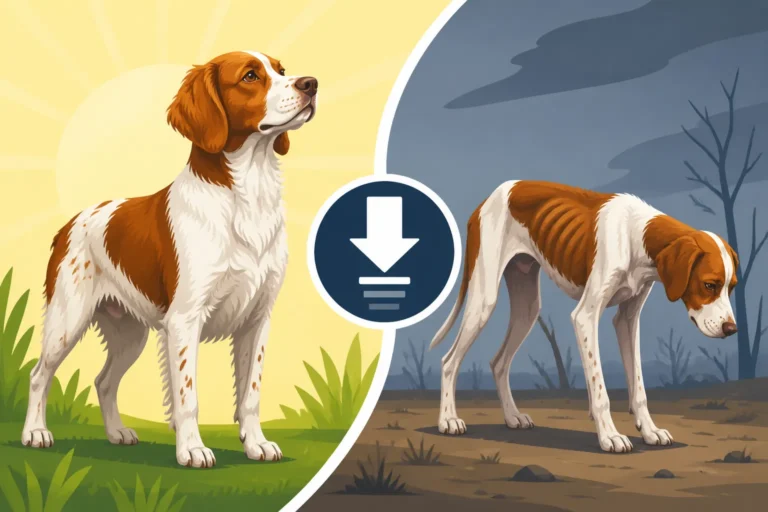
One of the biggest worries for any upland hunter with a high-energy Brittany is managing their dog's boundless enthusiasm when the temperatures start to climb, especially during those unpredictable early season days. It's a common dilemma: your dog is absolutely itching to get out there, but you’re keenly aware that their drive can easily push them past their limits, leading to dangerous overheating. This guide is here to walk you through the real risks, teach you how to spot the subtle signs, and equip you with practical strategies to keep your beloved Brittany safe and healthy when the mercury rises.
Understanding Your Brittany's Drive and the Risk of Overheating
Brittanys are, by nature, incredibly driven and energetic dogs. They live to hunt, to range, to find birds, and their stamina can often seem limitless. However, this very quality makes them susceptible to overheating, particularly in conditions that might not even feel that hot to a human. We're talking about those early fall days where the sun is out, but there's a sneaky humidity, or the air just feels heavy. Your Brittany doesn't care about the thermostat; they care about the scent of a pheasant.
Why Brittanys Are Particularly Prone to Overheating
It's not just their incredible drive that puts them at risk; a Brittany's physical makeup and instincts play a big part too. They are built for endurance, but that endurance is best suited for cooler climates or well-managed bursts of activity.
Firstly, their dense double coat, while fantastic for protection in briars and cold weather, can trap heat. Even though it's not a long, heavy coat like some breeds, it's efficient at insulation. When they're running hard, their internal temperature rises, and that coat works against them by preventing efficient cooling. Secondly, Brittanys are notoriously "game blind" – once they are on scent, their focus is absolute. They will push themselves relentlessly, ignoring fatigue or discomfort, until they physically cannot go on. This powerful instinct, while a huge asset in the field, means you, as their handler, are their primary safeguard against overexertion and heatstroke. They won't always tell you they're too hot until it's too late.
The Immediate Dangers of Heatstroke in Sporting Dogs
Heatstroke is not just your dog getting a bit warm; it's a critical medical emergency that can escalate frighteningly fast. When a dog's core body temperature rises to dangerous levels (typically above 104°F or 40°C), their body's systems start to shut down. The consequences can be devastating.
You'll see signs like excessive, rapid panting that seems unproductive, bright red or pale gums, a dazed or confused expression, weakness, staggering, or even a sudden collapse. Some dogs might vomit or have diarrhea, which can quickly lead to further dehydration. If not addressed immediately, heatstroke can cause irreversible organ damage to the kidneys, liver, and brain. In the worst cases, it can be fatal. The speed with which it can progress is what makes early detection and prevention so crucial. A dog that seems fine one moment can be in serious distress just minutes later.
Factors Contributing to Overheating in the Early Season
Early season hunting presents a unique set of challenges that can easily push a Brittany into dangerous overheating territory. It's often a perfect storm of environmental conditions, your dog's physical state, and their sheer desire to work.
Unacclimated Bodies and Early Season Zeal
Think about it: your dog has likely spent the summer enjoying a more relaxed pace. Even if you've been exercising them regularly, it's probably not at the intensity or duration of a full hunting day. Their bodies simply aren't conditioned for sustained, high-level exertion under warmer conditions. This lack of acclimation means their cardiovascular system and internal cooling mechanisms aren't operating at peak efficiency for serious work.
Compounding this is their sheer enthusiasm. After a long off-season, the first few hunts are like Christmas morning for a Brittany. They burst out of the truck with an unbridled zeal, ready to run every bird and cover every inch of ground. This "first day of school" energy often leads them to push harder and faster than their current conditioning can safely handle, especially when paired with lingering summer temperatures. This is where you, as the handler, have to be the adult in the room, tempering their excitement with smart management.
Environmental and Situational Risks
Beyond your dog's conditioning, the environment itself plays a massive role in early season overheating.
- Humidity: This is often the silent killer. It might not feel scorching hot, but if the air is thick with moisture, your dog's primary cooling mechanism – panting – becomes far less effective. Evaporation from their tongue and respiratory tract is how they dissipate heat, and high humidity drastically slows this process.
- Lack of Air Movement: Still, stagnant air, especially in heavy cover, prevents heat from escaping your dog's body. A brisk breeze can make a significant difference, but often in the thickets and tall grasses where birds hide, the air is dead still.
- Direct Sunlight vs. Shade: Running exposed in direct sunlight, particularly during the middle of the day, significantly increases heat absorption. Always prioritize hunting in shaded areas or during cooler parts of the day.
- Inadequate Water Access: This is perhaps the most fundamental and preventable risk. Without constant, easy access to fresh water, your dog will dehydrate rapidly, making them far more susceptible to heatstroke.
- Overexertion Without Breaks: Those long, uninterrupted draws and fields, or hours spent working without a pause, are prime scenarios for overheating. Your dog needs regular, enforced breaks to cool down and rehydrate.
Consider those classic early season conditions: a warm, sunny morning after a humid night, with heavy dew on the ground that soon evaporates, leaving the air thick. The birds are holding tight in dense cover, forcing your Brittany to push through thick brush. These are all scenarios that amplify the risk.
Individual Dog Differences
Not all Brittanys are created equal when it comes to heat tolerance. Just like people, individual dogs have varying sensitivities.
- Age: Puppies and very young dogs haven't fully developed their thermoregulation systems and can overheat more easily. Conversely, Caring for an Old Brittany brings its own challenges, as older dogs may have underlying health conditions, a less efficient heart, or be less able to cool themselves effectively.
- Fitness Level: A couch potato Brittany suddenly thrown into a full hunting day is at a much higher risk than one that has been rigorously conditioned.
- Underlying Health Conditions: Dogs with pre-existing heart conditions, respiratory issues (like collapsing trachea), or obesity are far more vulnerable. Their bodies are already working harder at rest, and intense exercise in heat puts immense strain on their systems.
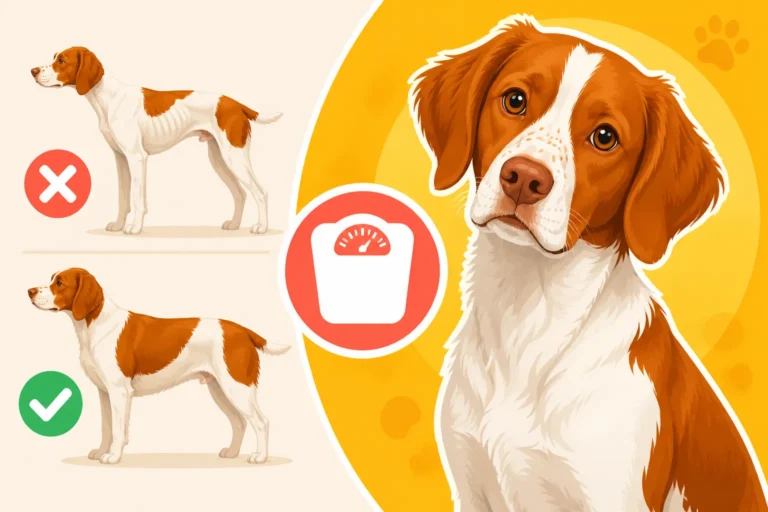
- Weight: Overweight dogs carry extra insulation, making it harder for them to dissipate heat. Keeping your Brittany at a lean, athletic weight is crucial for their overall health and heat management.
Always assess your specific dog, their health history, and current fitness before heading out.
Practical Strategies to Prevent Overheating
Being proactive is the absolute best way to keep your Brittany safe in warmer weather. It's about smart planning, consistent management, and listening to your dog.
Conditioning and Acclimation
You can't just throw a dog off the couch into a full day of hunting and expect them to perform safely. Conditioning must be a gradual process that starts well before opening day. How to Condition a Brittany Before Opening Day is a great resource. Begin with shorter, lower-intensity workouts in progressively warmer conditions.
- Gradual Increase: Slowly build up the duration and intensity of their runs and training sessions. Don't jump from a 30-minute walk to a 3-hour hunt.
- Timing is Key: Always exercise your dog during the coolest parts of the day – early morning or late evening. Avoid the midday heat entirely, especially when acclimating them.
- Observation: Pay close attention to their breathing and energy levels during these conditioning sessions. Are they recovering quickly? Are they showing any signs of excessive panting or lagging behind? Use these observations to gauge their progress.
It takes weeks, not days, for a dog's body to properly acclimate to increased exertion in heat. Patience and consistency here will pay dividends in their safety and performance when the season arrives.
Hydration and Cooling During the Hunt
Water is your Brittany's best friend when it comes to preventing overheating. You simply cannot provide too much.
- Constant Access: Carry ample water and a portable bowl (you can find great options on Amazon or Chewy) and offer it frequently. Don't wait for your dog to ask; they won't. How Much Water a Brittany Needs on a Hunt really emphasizes this.
- Forced Water Breaks: Even if they seem fine, call your dog in every 15-20 minutes for a mandatory water break. Make them drink.
- Cooling Vests and Bandanas: These can be incredibly helpful. Cooling vests (which you soak in water) can help lower core body temperature, while a wet bandana around the neck or a damp towel draped over their back can provide immediate relief.
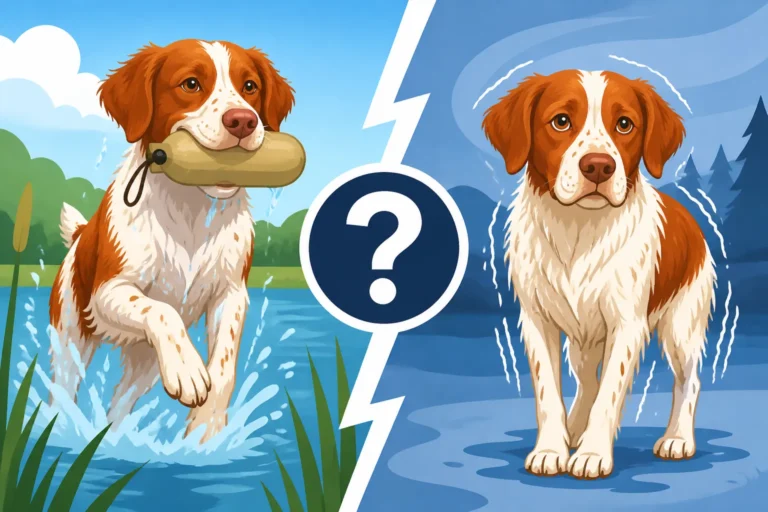
- Wet Them Down: If you have access to a stream or pond, let them wade or gently pour water over their chest, belly, and armpits. These are areas where large blood vessels are close to the surface, allowing for more efficient cooling. Even a spray bottle of cool water can make a difference during a short break. Consider your What a Brittany's Field Water Setup Costs and invest in good equipment.
Recognizing and Responding to Early Warning Signs
Knowing the Signs a Brittany Is Overheating in the Field is non-negotiable. Your ability to act quickly can be the difference between a scare and a tragedy.
| Symptom | Description | Severity | Action |
|---|---|---|---|
| Excessive Panting | Louder, faster, more strained than usual, often with the tongue fully extended and curled. | Moderate | Stop activity immediately, move to shade, offer water. |
| Bright Red Gums/Tongue | Indicates increased blood flow trying to cool the body. | Moderate | As above, plus start external cooling (wetting down). |
| Thick, Ropey Saliva | Sign of dehydration. | Moderate | Offer water, ensure intake. |
| Weakness/Lethargy | Dog lagging behind, stumbling, reluctant to move, or seeking shade/water on its own. | High | Emergency cooling, seek vet attention immediately. |
| Dizziness/Disorientation | Staggering, uncoordinated movements, difficulty recognizing commands, glazed eyes. | High | Emergency cooling, critical vet attention needed. |
| Vomiting/Diarrhea | Can accelerate dehydration and indicate organ distress. | Severe | Emergency cooling, critical vet attention needed. |
| Collapse/Loss of Consciousness | Dog goes down and cannot be roused. | Extreme | IMMEDIATE VETERINARY EMERGENCY. Continue cooling en route to vet. |
If you see any of the moderate signs, stop immediately. Get your dog into the deepest shade you can find. Offer small amounts of water. Start cooling them down by soaking them with water on their head, ears, neck, armpits, and groin. Focus on those areas with lots of blood vessels. Never use ice water, as it can cause peripheral vasoconstriction, trapping heat in the core, or induce shock. Cool or lukewarm water is best.
If symptoms progress to high or severe, it's a veterinary emergency. Get them to the nearest vet clinic immediately while continuing cooling efforts in your vehicle. Time is of the essence. How to Cool a Brittany Down After a Run offers more in-depth advice on these emergency measures. Knowing What Temperature Is Too Warm to Run a Brittany can help you prevent these situations entirely.
Gear and Nutritional Support for Warm Weather Hunting
Beyond direct management, the right gear and a thoughtful approach to nutrition can significantly bolster your Brittany's resilience in the face of warmer early season conditions.
Essential Gear for Warm Weather Safet
While a lot of hunting gear focuses on protection from cold, specific items can make a world of difference when it's warm:
- GPS Tracking Collars: In thick cover or expansive fields, a GPS collar (like those from Garmin or SportDOG, often found on Amazon) allows you to track your Brittany's movements precisely without having to call them in constantly. This means you can keep an eye on their range and pace, ensuring they aren't overexerting themselves in areas you can't see, and retrieve them quickly for water breaks or if they show signs of distress. It's a vital tool for responsible gun dog ownership, giving you peace of mind and your dog safety.
- Lightweight, Ventilated Vests: While neoprene vests are fantastic for cold water retrieves, they trap heat in warmer weather. Opt for lighter, breathable protective vests if you need them for briar protection. Some companies make vests specifically designed for warmer weather that offer protection without excessive insulation. You can learn more about general vest use in Whether a Brittany Needs a Neoprene Vest for Water.
- High-Capacity Water Systems: Don't just bring a small bottle for yourself. Invest in a dedicated hydration pack for dogs or multiple large water bottles. Some handlers even carry portable spray bottles to mist their dog during breaks.
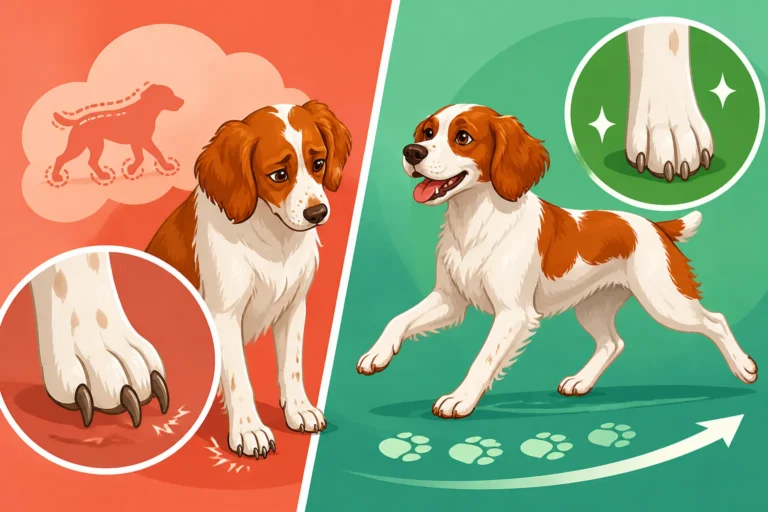
- Protective Footwear: Hot ground, especially stubble fields, can burn and damage pads. While not directly preventing systemic overheating, protecting their feet with boots (check options on Chewy or Amazon) ensures they can keep moving without pain, avoiding a secondary stressor. Learn more in Whether a Brittany Needs Boots in the Field.
Dietary Considerations for Active Brittanys
A well-nourished Brittany is better equipped to handle the demands of hunting, even in challenging conditions. Proper nutrition isn't just about fuel; it's about recovery and resilience.
- High-Quality Performance Food: During the hunting season, especially early on, your Brittany is burning a lot of calories. Feeding a high-quality performance dog food, rich in protein and healthy fats, is crucial. Brands like Ollie offer nutrient-dense options, and many premium performance foods are available on Chewy. These specialized formulas provide sustained energy and aid muscle recovery, which is critical when your dog is working hard. Whether a Working Brittany Needs a Performance Food delves deeper into this topic.
- Electrolyte Supplements: For exceptionally long days or very warm conditions, some veterinarians might recommend an electrolyte supplement for dogs. These can help replenish lost minerals through sweat (yes, dogs do sweat a little through their paw pads and nose) and panting, aiding in rehydration. Always consult your vet before adding any supplements.
- Strategic Feeding Schedule: Avoid feeding your Brittany a large meal immediately before a strenuous hunt. This can divert blood flow to the digestive system, making it harder for their body to regulate temperature and increasing the risk of bloat. Instead, feed smaller, easily digestible meals several hours before, or wait until after they've cooled down from the hunt. Consider breaking their daily ration into two meals to avoid overwhelming their system.
- Monitoring Weight and Condition: Continuously monitor your Brittany's weight and body condition throughout the season. They are expending a lot of energy, and you want them lean and fit, not skinny or carrying extra fat. A healthy weight contributes to better heat regulation and overall performance.
Remember, early season hunting with a Brittany is incredibly rewarding, but it demands vigilance and preparation. By understanding the risks, implementing smart strategies, and equipping yourself with the right tools, you can ensure your driven companion stays safe, healthy, and happy in the field. This careful approach also contributes to your Brittany's long-term health and allows them to enjoy hunting for many seasons to come. You want your dog to have a long, fulfilling hunting career, and preventing overheating is a big part of that. Knowing How Long a Brittany Can Hunt in a Day depends heavily on conditions and your dog's individual stamina, which can be quickly impacted by heat. And while we're thinking about health, understanding issues like Whether a Brittany Gets Exertional Rhabdomyolysis can further inform your approach to intense physical activity.
Disclaimer
This article is for general informational purposes only and does not constitute professional advice. Laws, prices and regulations vary by location and change over time. Consult a qualified professional for guidance on your specific situation.