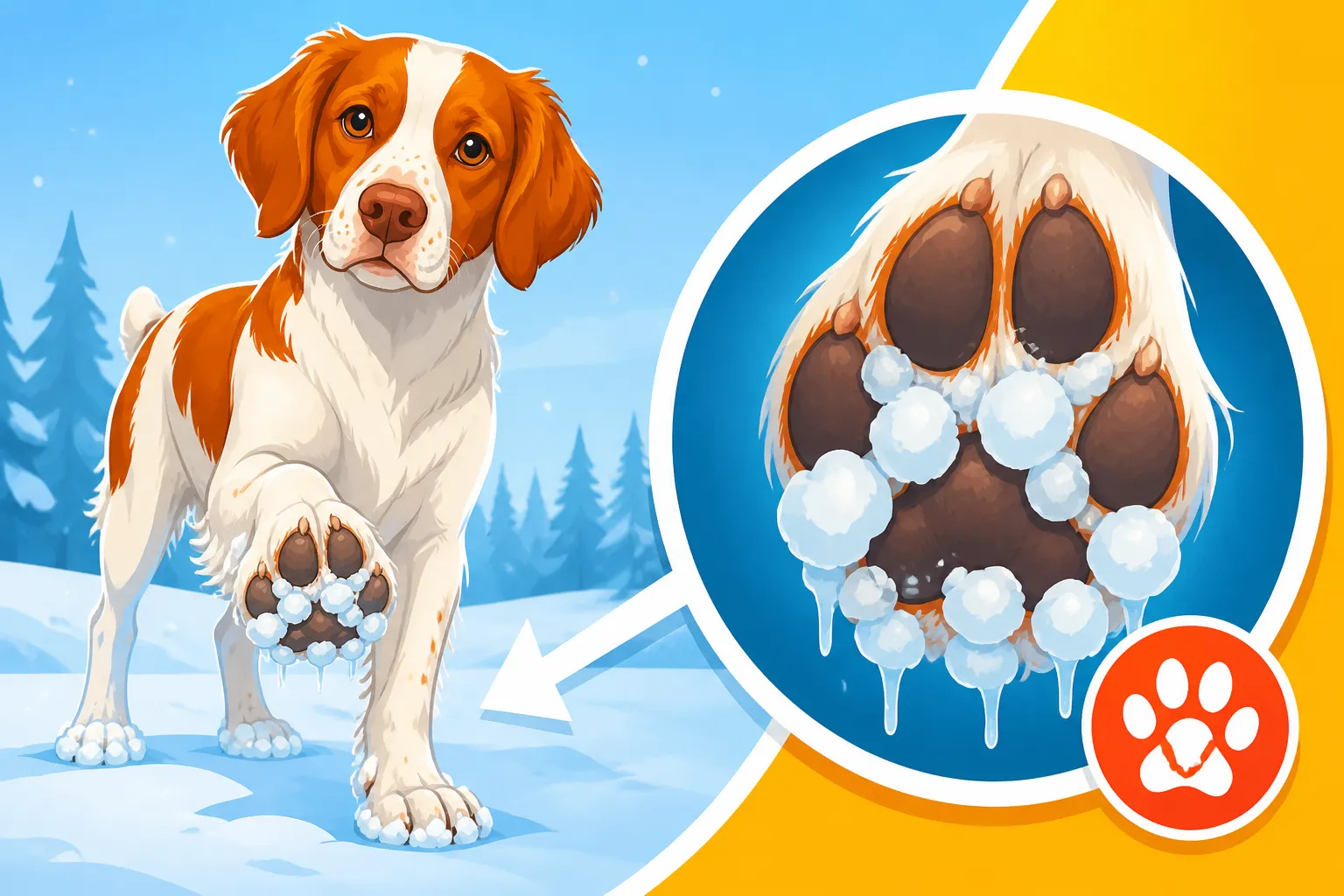
Whether Ice Balls Form in a Brittany’s Feet
There's nothing quite like a brisk winter walk with your Brittany, the crisp air, the crunch of snow underfoot… until you notice your loyal companion start to limp, lifting a paw, or even frantically gnawing at their foot. That familiar, frustrating scenario where snow and ice transform into painful, rock-hard balls wedged between their toes is a common struggle for many Brittany owners. This comprehensive guide will explore why ice balls form on your Brittany's feet, how to prevent them, and what to do when they inevitably appear, ensuring your outdoor adventures remain joyful and comfortable for your dog.
The Frustrating Reality of Ice Balls on Brittany Feet
If you've spent any time at all walking your Brittany in snowy or icy conditions, you've likely encountered the "ice ball problem." It's not just an inconvenience; it can be genuinely painful and even dangerous for your dog. These seemingly innocuous clumps of snow and ice adhere to the fur between their paw pads and quickly grow, pushing their toes apart, causing discomfort, and even leading to injury.
Why Brittany Feet Are Prone to Ice Balls
Brittanys, with their wonderfully feathered legs and compact, well-padded feet, are naturally predisposed to collecting snow and ice. It's a design feature that works against them in winter. Think about it: that lovely feathering, which looks so handsome and offers some protection in mild weather, acts like a magnet for snow. As your Brittany walks or runs, snow packs into that fur. The warmth from their body and the friction of movement cause some of the snow to melt slightly, then it quickly refreezes into hard, icy nuggets. These aren't just superficial; they embed themselves deep within the paw fur, adhering tightly and growing with every step.
The unique structure of their feet also plays a role. Brittanys have fairly close-knit toes with plenty of fur in between, creating perfect pockets for snow accumulation. Unlike breeds with extremely short, tight coats and minimal paw fur, our Brittanys are just built to collect winter debris. It’s a classic case of nature not quite anticipating modern snowy sidewalks or long treks through a winter wonderland. This can be especially pronounced after a hunt where they've been pushing through deeper snow or marshy, freezing water. You'll want to make it a habit to check their paws after any cold outing, just as you'd make other checks described in What to Check on a Brittany After Every Outing.
The Discomfort and Dangers for Your Brittany
Imagine walking with small, frozen rocks jammed between your own toes. That's essentially what your Brittany experiences with ice balls. The pressure and cold are immediately uncomfortable, leading to limping, lifting paws, or even outright refusal to walk. Beyond the immediate pain, several dangers lurk:
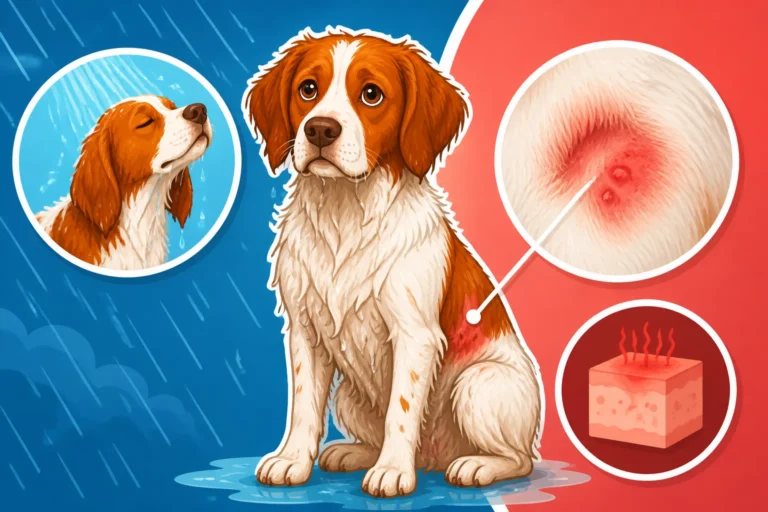
- Chafing and Irritation: As the ice balls rub and press against the delicate skin between the paw pads, they can cause chafing, redness, and irritation. This opens the door for bacterial infections if left untreated.
- Cracked Pads: The extreme cold and constant pressure can dry out and crack your Brittany's paw pads, making them sore and susceptible to further injury. This is particularly problematic for active dogs, whose pads endure a lot.
- Frostbite: While less common in temperate climates, prolonged exposure of paw pads to freezing temperatures, especially with wet fur and embedded ice, increases the risk of frostbite on the toes and pads.
- Limping and Gait Changes: To avoid pain, your Brittany will adjust their gait, which can put strain on their joints, muscles, and even their back. Over time, this can lead to soreness or more significant musculoskeletal issues. This is especially important for older dogs, for whom joint health is already a concern, as discussed in Caring for an Old Brittany.
- Ingestion of Ice Melt Chemicals: If you're walking in areas treated with ice melt, your Brittany might lick at the painful ice balls to try and remove them, inadvertently ingesting harsh chemicals that can cause stomach upset or more serious issues.
Prevention Strategies to Keep Paws Clear
The best offense is a good defense, and when it comes to ice balls, prevention is definitely key. A few proactive steps can make a world of difference for your Brittany's comfort and safety during winter walks and hunts.
Trimming and Grooming for Winter Walks
One of the most effective ways to combat ice balls is to minimize the amount of fur available for snow to cling to. Regular grooming, specifically trimming the hair between the paw pads, is essential.
- The "Pedi-Trim": Get comfortable with a good pair of blunt-nosed grooming shears or a small, quiet electric trimmer. Carefully trim the hair even with the paw pads. You don't want to cut the pads themselves, so always point the shears parallel to the pad, never into it. This creates a clean, short surface that snow can't easily adhere to. If you're unsure, ask your vet or a professional groomer to show you the first time.
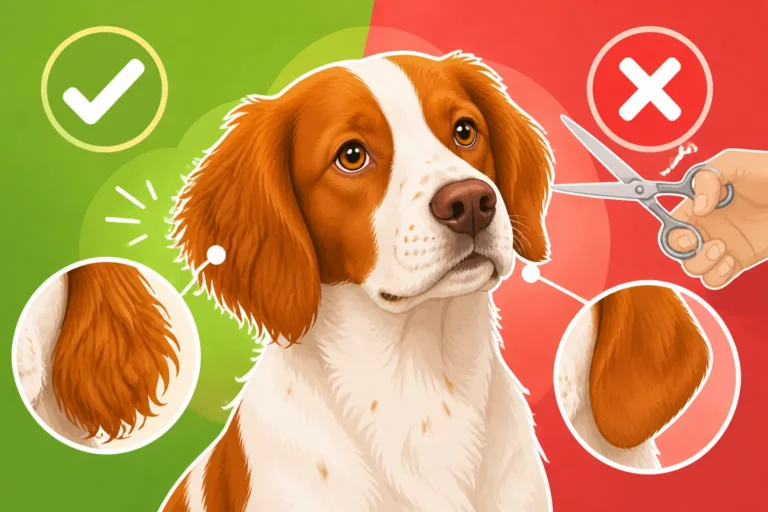
- Feathering Management: While you don't want to shave your Brittany's beautiful leg feathering entirely, you can keep it neat and trimmed, especially around the lower legs and ankles. Shorter feathering reduces the surface area for snow and burrs. This is part of general coat maintenance, which you can learn more about in The Feathering on a Brittany's Legs and Ears. Remember that even a seemingly low-maintenance coat needs attention, as described in A Brittany's Coat Is Low Maintenance Until It Hits Cover.
- Regular Brushing: Even if you're trimming, regularly brushing your Brittany's legs and feet helps prevent mats that can also trap snow and ice. A good brush through after every outing, or even daily, can dislodge loose snow before it has a chance to form ice balls. You can find more tips on this in How Often a Brittany Needs Brushing.
Protective Gear and Balms
Beyond grooming, there are excellent products designed to protect your Brittany's paws from the elements.
- Paw Waxes and Balms: These create a protective barrier on the paw pads and between the toes, making it harder for snow and ice to stick. Products like Musher's Secret or other paw waxes form a semi-permeable shield that also helps moisturize the pads, preventing cracking. Apply a generous layer before heading out. Reapply as needed for longer adventures. These can be found readily on sites like Chewy or Amazon. To learn more about this specific protection, check out Whether a Brittany Needs Paw Wax.
- Dog Boots: For serious snow, ice, or areas with harsh ice melt chemicals, dog boots are an excellent option. It might take some getting used to for your Brittany – they often do the "boot dance" at first – but with patience and positive reinforcement, most dogs adapt. Look for boots that are durable, waterproof, have good traction, and fit snugly without being too tight. Make sure they cover the entire paw and up past the dewclaws if your Brittany has them. Brands like Ruffwear, Pawz, or Muttluks are popular and offer various styles. The discussion of Whether a Brittany Needs Boots in the Field gives you more context on paw protection for working dogs.
| Protection Method | Pros | Cons | Best Use Case |
|---|---|---|---|
| Paw Wax/Balm | Easy to apply, natural feel, moisturizes pads | Needs frequent reapplication, less protection from chemicals/sharp ice, some snow still sticks | Light snow, short walks, milder cold, pad conditioning |
| Trimmed Paw Hair | Cost-free, permanent solution, less snow accumulation | Requires consistent grooming, doesn't protect pads from cold/chemicals | All winter walking, good baseline for any other method |
| Dog Boots | Full protection from snow, ice, salt, chemicals, sharp objects | Can be hard to fit, dog needs to adapt, potential for chafing if not fitted well | Deep snow, very cold temps, icy conditions, areas with heavy salt/chemicals, long outings |
Dealing with Existing Ice Balls Safely
Despite your best efforts, sometimes ice balls just happen, especially if you're out for a long time or encounter particularly sticky snow. When they do, it's crucial to remove them gently and safely to avoid further injury.
Gentle Removal Techniques
Never pull, yank, or forcefully try to chip away at ice balls. This can tear your Brittany's delicate paw fur and skin, causing pain and creating wounds. Patience is your best friend here.
- Warm Water Immersion: The most effective and gentle method is warm water. If you're still out, carry a small thermos of lukewarm water. Pour it slowly over the paws, or if you're home, immerse the paws in a basin of warm water. The ice will melt quickly and painlessly. A wet washcloth soaked in warm water and held against the paw also works if you're trying to conserve water.
- Lukewarm Towel Wrap: Another excellent method is to wrap your Brittany's paws in a towel dampened with lukewarm water. Hold it there for a few minutes, allowing the warmth to melt the ice. This is often less messy than a full immersion if you're indoors.
- Gentle Hand Pressure: Sometimes, if they're still soft, you can gently squeeze or massage the paw pads to break up and dislodge the softer snow clumps. Do this before they become hard ice balls. Once frozen solid, revert to warm water.
- Don't Shear or Clip Frozen Fur: Avoid trying to clip or shear the ice balls out while they are still frozen solid. The ice can make it impossible to see where the skin is, leading to accidental cuts. Always melt them first.
Post-Walk Paw Care
Once the ice balls are gone, your work isn't quite finished. Post-walk care is vital to ensure your Brittany's paws recover and stay healthy.
- Thorough Drying: After melting the ice, completely dry your Brittany's paws with a soft towel, paying special attention to the areas between the toes. Dampness can lead to skin irritation or fungal issues.
- Inspect for Injury: Carefully examine each paw pad and between the toes. Look for any redness, chafing, cuts, cracks, or signs of frostbite (discolored skin, swelling). If you spot any injuries, clean them gently with an antiseptic solution and apply a pet-safe healing balm. For deeper cuts, or if you suspect frostbite, it's always best to consult your veterinarian. Regular inspection of your dog's paws is an important part of overall care, as discussed in How Often a Brittany's Pads Should Be Checked.
- Moisturize Pads: If your Brittany's pads appear dry or cracked, apply a moisturizing paw balm. This helps to soothe and heal the skin, keeping it supple and more resilient for future outings.
- Continue Observation: Keep an eye on your Brittany's paws for the next day or two. If they continue to limp, lick excessively, or if you notice swelling or persistent redness, a vet visit is in order.
Long-Term Winter Foot Health for Your Brittany
Maintaining your Brittany's paw health is an ongoing process, not just a seasonal scramble. A holistic approach will help ensure their feet are resilient enough to handle all sorts of terrain and weather, including the challenges of winter.
Nutrition and Hydration in Cold Weather
What goes in your Brittany's bowl can absolutely impact the health and resilience of their skin and paw pads. Good nutrition is foundational to overall health.
- Balanced Diet: Ensure your Brittany is on a high-quality, balanced diet. Premium dog foods, like those you might find from a brand like Ollie, often include ingredients that support skin and coat health, which in turn benefits paw pads. Look for foods rich in omega-3 and omega-6 fatty acids. These essential fatty acids contribute to healthy skin, making pads more supple and less prone to cracking.
- Hydration is Key: Just like humans, dogs need adequate hydration, especially in cold, dry weather. While we often think of water needs in hot weather, indoor heating and dry winter air can be dehydrating. Ensure your Brittany always has access to fresh water. On longer winter outings, particularly during hunts, make sure they have water readily available. Remember, even in cold weather, dogs can get dehydrated, as highlighted in How Much a Brittany Should Drink on a Hunt. Well-hydrated skin and pads are less likely to crack.
Regular Paw Inspections and Maintenance
Making paw care a routine habit throughout the year, not just in winter, will pay dividends.
- Daily Checks: A quick daily check of your Brittany's paws takes only a minute or two but can prevent small problems from becoming big ones. Look for foreign objects, cuts, redness, or dryness. This is especially critical for working Brittanys who spend a lot of time in varied terrain.
- Nail Trims: Keep your Brittany's nails trimmed short. Overly long nails can splay the toes, making them more susceptible to collecting snow and ice, and can also affect their gait. Regular nail trims are a fundamental part of paw health.
- Pad Toughening (Year-Round): While you don't want hard, cracked pads, you do want resilient ones. Regular exercise on varied surfaces year-round helps to naturally toughen their pads. Think about varied terrains like grass, dirt trails, and even some pavement, rather than just soft indoor floors. This builds natural resistance, preparing them for hunting season and winter adventures. You can explore more on this topic in How to Toughen a Brittany's Pads.
By being proactive with grooming, utilizing protective gear, and practicing diligent post-walk care, you can ensure your Brittany enjoys their winter romps without the pain and frustration of ice balls. Your Brittany will thank you for taking these steps, allowing them to focus on the joy of the snow and the thrill of the hunt, rather than uncomfortable, icy paws.
Disclaimer
This article is for general informational purposes only and does not constitute professional advice. Laws, prices and regulations vary by location and change over time. Consult a qualified professional for guidance on your specific situation.