Whether a Brittany’s Ear Hair Should Be Trimmed
One of the most common worries for Brittany owners, especially those new to the breed, revolves around their beautiful, expressive ears. You love those soft, floppy ears, but you've probably also faced the seemingly endless battle against ear infections, moisture, and debris. It's a frustrating cycle that leaves many of us wondering if we're doing everything we can to keep our Brittanys comfortable and healthy. This guide is going to dig deep into one specific, often debated question: whether or not you should trim the hair inside your Brittany's ears to prevent these common ailments, offering practical advice and dispelling some myths.
Understanding the Brittany's Unique Ear Anatomy and Coat
Let's face it, a Brittany's ears are a thing of beauty – those long, silky fringes, the way they frame that intelligent face. But for all their charm, they can also be a magnet for trouble. Understanding the unique structure and hair growth pattern of a Brittany's ear is the first step toward effective care, and it's key to figuring out if trimming is right for your dog.
Why Brittany Ears Are Prone to Trouble
Unlike breeds with upright ears, the Brittany has a classic drop-ear structure. This means the ear flap hangs down, covering the ear canal. While this gives them their sweet, slightly melancholic look, it also creates a microclimate within the ear that's far from ideal for preventing infections. Think about it: a warm, dark, enclosed space. This environment significantly restricts airflow, trapping moisture, heat, and humidity. These are the perfect conditions for yeast and bacteria to flourish, leading to those all-too-common, painful ear infections that many of us know well. It’s not just about what gets in the ear, but what can’t get out. The natural drainage and ventilation that upright ears benefit from are simply not there.
The Role of Feathering and Inner Ear Hair
A Brittany's coat is generally quite fine, and this extends to their ears. You'll notice the distinct, longer, silky "feathering" on the outside of the ear flaps – a hallmark of the breed's beauty. This feathering, while gorgeous, can easily collect burrs, mud, and other debris during a hunt or even a simple romp in the backyard. But the real discussion point for many owners is the hair inside the ear. Your Brittany also has fine, downy hair growing within the ear canal itself, sometimes quite densely. This inner ear hair can act like a miniature dam, further impeding airflow and trapping any moisture, wax, or foreign bodies that manage to make their way into the canal. It’s a double-edged sword: the outside hair gathers external gunk, and the inside hair holds onto anything that gets past it, creating a perfect storm for discomfort and potential infection. Why a Brittany's Ears Get Infected Every Season goes into even more detail about these factors.
The Debate: To Trim or Not To Trim Inner Ear Hair?
This is where Brittany owners often find themselves scratching their heads, and perhaps even disagreeing with their friends or local groomers. There are strong arguments on both sides, and honestly, what works for one dog might not work for another. It’s not a one-size-fits-all answer, which is part of the frustration.
Arguments For Trimming/Plucking The Traditional Approach
For many years, and still commonly practiced by some breeders, owners, and groomers, the belief has been that reducing the amount of hair in the ear canal is beneficial. The primary reasoning behind this "traditional" approach centers on improving airflow. By trimming or plucking the hair, proponents argue that more air can circulate through the ear canal, helping it to dry out more efficiently after a swim, a bath, or simply from daily moisture buildup. This increased ventilation can theoretically reduce the humid, warm environment that yeast and bacteria love so much.
Furthermore, with less hair inside, the ear becomes much easier to clean. Without dense tufts of hair for ear wax, dirt, and debris to cling to, these irritants can be more readily removed with a cotton ball and ear cleaning solution. This might also make it simpler for you to visually inspect your dog's ears, allowing you to spot early signs of redness or irritation before they escalate into full-blown infections. It sounds logical, doesn't it? A cleaner, drier ear should be a healthier ear. Some folks who swear by this method say it significantly cut down on the frequency of ear issues for their Brittanys. They often point to the fact that field dogs, who are frequently exposed to water and debris, benefit from this practice. Whether Plucking a Brittany's Ear Hair Stops Infections dives deeper into this specific practice.
Arguments Against Trimming/Plucking The Modern Vet View
On the flip side, a growing number of veterinarians and animal health professionals advocate against routine trimming or plucking of inner ear hair. Their concerns stem from a deeper understanding of ear physiology and the potential negative consequences of such interventions. One of the main points is that ear hair, believe it or not, serves a protective function. It can act as a natural barrier, preventing small foreign objects like dust, dirt, or particularly insidious threats like grass seeds (or "foxtails" in some regions) from migrating deep into the ear canal, where they can cause severe irritation and infection. How Grass Seeds Get Into a Brittany's Ear explains just how problematic these can be.
The act of plucking itself is another major concern. When hair is plucked, it can cause tiny micro-traumas or microscopic tears to the delicate skin lining the ear canal. These tiny wounds, while invisible to the naked eye, can become entry points for bacteria and yeast, essentially introducing potential pathogens into an already vulnerable environment. Plucking can also cause inflammation and irritation, which paradoxically can increase moisture and wax production as the body tries to heal itself. This irritation can be incredibly uncomfortable for your Brittany, leading to head shaking and scratching, which only further exacerbates the problem and can lead to secondary infections. Many vets now argue that unless there's a specific, severe medical reason (like an extreme build-up of wax that cannot be cleared otherwise), the risks of plucking often outweigh the supposed benefits, potentially making your Brittany's ears more susceptible to issues in the long run.
Practical Approaches to Managing Brittany Ear Hair
So, with all this conflicting information, what's a dedicated Brittany owner to do? The good news is there are practical, safe strategies you can employ to manage your dog's ear hair and promote overall ear health, regardless of where you stand on the plucking debate. The key is to be proactive and consistent.
Gentle Trimming Techniques for Outer Feathering
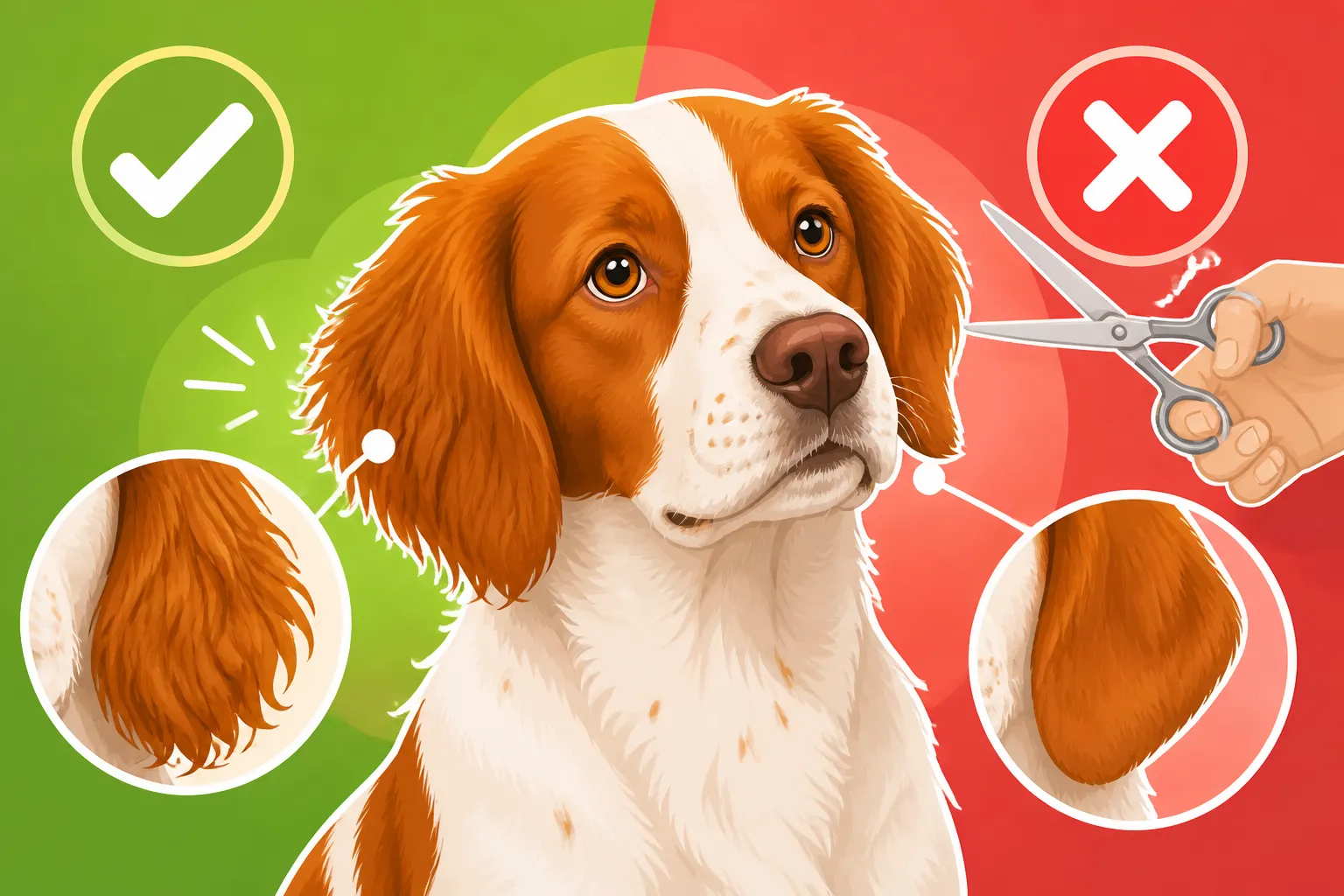
While the internal ear hair is contentious, managing the longer feathering on the outside of the ear flap and around the ear canal opening is generally less controversial and can be quite beneficial. This isn't about clearing out the deep canal, but rather tidying up the perimeter. The goal here is to prevent excessive hair from creating a dense mat over the ear canal entrance, which can still impede airflow and collect debris.
You can use a small pair of blunt-nosed scissors – safety first, always! – or even small, quiet clippers, like those used for paws or faces. Carefully hold the ear flap taut and gently trim the hair that is falling into or around the ear canal opening. You're aiming to create a neat, clear path, not to buzz the ear completely. Be extremely cautious not to cut the ear leather itself; it's easy to do if your dog wiggles unexpectedly. Many owners find that thinning shears can also be effective for the longer outer feathering. These shears remove bulk without creating a blunt, harsh line, which can look more natural and still help with airflow and reducing debris collection. Remember, less is often more. If you're unsure, a professional groomer can demonstrate the technique or perform it for you. This kind of trimming makes it easier to spot issues and keeps burrs from becoming matted disasters in the long feathering.
Cleaning and Maintenance, Regardless of Trimming Choice
Whether you decide to trim your Brittany's inner ear hair or leave it completely natural, consistent and proper ear cleaning is non-negotiable. This is perhaps the most crucial aspect of ear health for any drop-eared breed. Regular cleaning helps remove excess wax, dirt, and trapped moisture, preventing the buildup that leads to infections.
Start by gathering your supplies: a veterinarian-recommended ear cleaning solution (you can find excellent options on Chewy or Amazon), cotton balls, and treats for your cooperative pup. Gently hold the ear flap up and apply the cleaning solution directly into the ear canal. Don't be shy; you need enough to flush things out. Gently massage the base of the ear for about 20-30 seconds. You'll often hear a squishing sound, which means the solution is working its way around. Then, step back and let your Brittany shake its head – this is crucial as it helps dislodge debris and bring it to the surface. Finally, use cotton balls (never Q-tips, as these can push debris further in and damage the eardrum) to wipe away any visible solution and debris from the outer ear and the entrance to the canal. Repeat this process until the cotton ball comes out clean. How Often a Brittany's Ears Need Cleaning and How Often a Brittany's Ears Should Be Checked are fantastic resources for establishing a regular cleaning schedule. For specific product recommendations, you might look into Which Ear Cleaner Suits a Brittany to find one that's gentle yet effective.
When to Seek Professional Guidance
Even with the most diligent at-home care, our Brittanys can sometimes run into ear trouble. It’s part of owning a breed with those beautiful, yet sometimes problematic, drop ears. Knowing when to stop trying DIY solutions and seek professional help is vital for your dog's comfort and long-term health.
Recognizing Signs of Ear Infection or Trouble
Your Brittany might be a stoic dog in the field, but when it comes to their ears, they will often give you clear signals that something is amiss. Pay close attention to any changes in their behavior or the appearance of their ears. Common signs of an ear infection or other ear trouble include: excessive head shaking, persistent scratching at the ears (sometimes to the point of redness or scabbing on the outside), an unpleasant odor coming from the ear, redness or swelling of the ear flap or canal, and any kind of discharge – especially if it's yellowish, greenish, or dark brown and waxy. Your dog might also seem painful when you touch their ears, or tilt their head to one side more often than usual. Some Brittanys might even act a bit lethargic or lose their appetite. If you notice any of these signs, particularly if they persist for more than a day or two, it’s time to call the vet. Ignoring these symptoms can lead to more severe infections, discomfort, and potentially more complicated treatments down the road. Signs a Brittany's Ear Is Infected offers a comprehensive list of what to look for.
Consulting Your Veterinarian or Professional Groomer
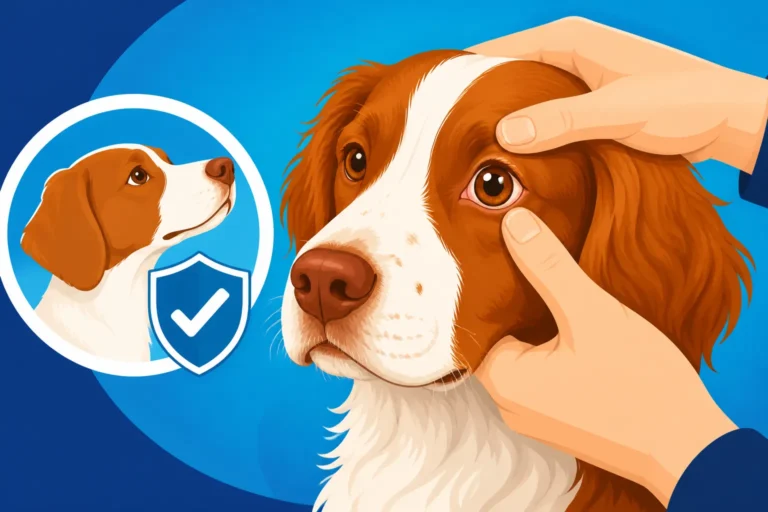
When you suspect an ear problem, or if you're just unsure about the best way to manage your Brittany's ear hair, your veterinarian is your best resource. They can perform a thorough examination of your dog's ears using an otoscope to look deep into the canal, identify any underlying issues (like foreign bodies, mites, or specific types of infections), and recommend the most appropriate course of action. They can also provide a clear, medically sound opinion on whether trimming or plucking is necessary or advisable for your specific dog, based on their individual ear health and history. Every Brittany is a little different, and what works for one might not work for another.
If you decide that some external trimming of the feathering is beneficial, a professional groomer with experience in sporting breeds can also be a great help. They have the right tools and expertise to safely trim the hair around the ear canal without causing injury or irritation. They can also show you how to do it yourself if you feel comfortable. Just make sure to communicate clearly about your preferences and any concerns you have. Remember, the goal is always to support your Brittany's health and comfort, and sometimes that means deferring to the experts. Whether a Brittany Needs a Preseason Vet Check is a good reminder that proactive veterinary care is always a smart move.
Long-Term Ear Health Strategies for Your Brittany
Beyond the immediate question of trimming, fostering long-term ear health for your Brittany involves a holistic approach. It’s about more than just cleaning; it’s about understanding their lifestyle and how various factors contribute to ear well-being.
Proactive Measures for Moist Environments
Brittanys are often water dogs. Whether it's retrieving from a pond, splashing in a creek during a hike, or simply a bath at home, their ears are frequently exposed to moisture. And as we've discussed, moisture is the enemy of a healthy drop ear. Therefore, one of the most critical proactive measures you can take is ensuring their ears are thoroughly dried after every exposure to water. This isn't just about towel-drying the outside; it's about getting that ear canal as dry as possible.
After a swim or bath, use a soft, absorbent towel to gently blot the inside of the ear flap and the visible parts of the canal. You can also use a cotton ball to absorb residual moisture. For extra measure, many owners use a veterinarian-approved ear drying solution. These solutions often contain ingredients that help evaporate water and acidify the ear canal, creating an environment less hospitable to bacterial and yeast growth. You can typically find these at your vet's office or online retailers like Chewy and Amazon. Just apply a few drops, massage the base of the ear, and let your dog shake its head. This simple routine can make a huge difference in preventing those frustrating recurring infections. How to Dry a Brittany's Ears After Water provides excellent step-by-step guidance on this process. Also, remember that Whether a Brittany's Ear Canal Stays Damp is a concern you need to actively manage.
Diet and Overall Health Considerations
It might seem counterintuitive, but your Brittany's overall health and diet can play a significant role in their ear health. Chronic ear infections, especially those that recur despite diligent cleaning and drying, can sometimes be a symptom of underlying issues, most commonly allergies. Just like humans, dogs can develop environmental or food allergies. When a dog has allergies, one of the ways their body often reacts is through skin and ear inflammation. This inflammation can lead to increased wax production, itchiness, and an environment ripe for secondary infections.
If your Brittany is a repeat offender when it comes to ear infections, it’s definitely worth having a conversation with your vet about potential allergies. They might suggest a diet trial with a limited ingredient food, or discuss allergy testing to pinpoint specific triggers. Brands like Ollie, for instance, offer customized fresh food plans that can be beneficial for dogs with sensitivities, but it's always best to consult your vet before making significant dietary changes. Ensuring your Brittany is on a high-quality, balanced diet and receiving regular veterinary check-ups contributes to a strong immune system, which is their first line of defense against all sorts of ailments, including ear problems. Being proactive about their general well-being can lead to healthier ears and a happier dog. Whether a Brittany Gets Skin Allergies offers more insight into how these issues can manifest.
Ear Hair Trimming vs. No Trimming: A Comparison
To help you visualize the different approaches and their potential impacts, here's a quick comparison of the pros and cons of trimming/plucking inner ear hair versus leaving it natural.
| Feature | Trimming/Plucking Inner Ear Hair | Leaving Inner Ear Hair Natural |
|---|---|---|
| Airflow | Potentially increased ventilation within the canal. | Natural airflow, but may be restricted by dense hair. |
| Moisture Retention | Hair is removed, potentially allowing the canal to dry faster. | Hair can trap moisture, increasing humidity in the canal. |
| Ease of Cleaning | Less hair for wax and debris to cling to, making cleaning simpler. | Wax and debris can get tangled in hair, making removal more challenging. |
| Protection | Reduced barrier against foreign objects (grass seeds, dust). | Natural barrier against foreign objects entering deep into the canal. |
| Risk of Trauma | Plucking can cause micro-traumas, leading to inflammation/infection. | No risk of trauma from hair removal. |
| Irritation | Can cause immediate irritation, redness, and discomfort. | Generally less irritation unless foreign objects get trapped. |
| Vet Opinion | Often advised against by modern vets due to risk of micro-trauma. | Often favored by modern vets as it maintains natural protection. |
| Groomer Opinion | Some traditional groomers/breeders still recommend it. | Many professional groomers now defer to vet recommendations. |
| Best For | Very specific cases of extreme wax/matting, under vet guidance. | Most Brittanys, especially with consistent cleaning and drying. |
Disclaimer
This article is for general informational purposes only and does not constitute professional advice. Laws, prices and regulations vary by location and change over time. Consult a qualified professional for guidance on your specific situation.