Whether a Brittany’s Feet Crack in Winter
The biting chill of winter brings with it unique challenges for our beloved Brittany Spaniels, and one of the most common, yet often overlooked, issues is the potential for their paw pads to crack and suffer. It’s a real struggle to watch your energetic companion hesitate on a frosty morning, limping or constantly licking their paws, and this guide is here to walk you through everything you need to know about protecting those precious paws from winter’s harsh realities.
Understanding Why Brittanys' Paws Are Vulnerable in Winter
Our Brittanys are athletes, bred to navigate varied terrain, from stubble fields to marshy bottoms. Their paw pads are remarkable structures, designed for traction and shock absorption, but they aren't invincible, especially against the unforgiving elements of winter.
The Anatomy of a Brittany's Paw Pad
Imagine the intricate design of your Brittany's paw pad – it's a marvel of nature. The outer layer, a tough, keratinized skin, is much thicker and more robust than the skin covering the rest of their body. Beneath this protective shield lies a layer of fatty tissue that acts as a cushion, absorbing the impact of running and jumping. This fatty layer also plays a crucial role in insulation, helping to protect against both heat and cold. However, despite its apparent toughness, this outer layer can become dry, brittle, and susceptible to damage when exposed to extreme conditions. Unlike our skin, which has sweat glands all over to maintain moisture, paw pads have limited moisture-producing glands, making them prone to drying out, much like a person's hands would in cold, dry weather without lotion. The intricate network of small blood vessels helps regulate temperature, but intense cold can still reduce circulation, making the tissue more vulnerable to injury.
Environmental Factors That Cause Cracking
The winter environment is a minefield of potential hazards for your Brittany's paws. It's not just the cold itself, though that's a huge factor. Think about a typical winter day: you step out, and the ground is either covered in powdery snow, slick ice, or a crunchy mix of both. This frozen ground is abrasive, and every step your dog takes on it can cause tiny micro-abrasions that, over time, can develop into full-blown cracks. Then there’s the sheer dryness of the air. Winter air, especially indoors with heating, is significantly drier than in other seasons, drawing moisture away from everything, including your dog’s paw pads. This lack of humidity makes the tough paw pad skin brittle and less pliable, so it loses its natural elasticity.
Beyond the natural elements, human interventions pose significant threats. De-icing chemicals, like rock salt or magnesium chloride, are incredibly corrosive. They might melt ice, but they can burn and irritate your Brittany's paw pads, leading to painful cracks and chemical burns. Even if you wipe their paws down, traces can remain, causing irritation or being ingested when they groom themselves, leading to stomach upset. Antifreeze, while less common on paws directly, can also be a hidden danger if tracked in. Consider the cumulative effect of a long day in the field, running through frozen stubble or crusty snow, then coming home to a warm, dry house. This constant shift from extreme cold and abrasive surfaces to warm, dry air is a recipe for cracked, painful paws.
Recognizing the Signs of Winter Paw Damage
As Brittany owners, we know our dogs are stoic. They're bred to push through discomfort in the field, so it's up to us to be vigilant and spot the signs of paw problems before they become severe.
Visual Cues and Behavioral Changes
Your Brittany might not come right out and tell you their paws hurt, but they'll definitely show you. One of the first things you might notice is excessive licking or chewing at their paws. This isn't just grooming; it's a clear indication of irritation or pain. They might start to favor a particular paw, holding it up or shifting their weight when standing. When you take them outside, watch for reluctance to walk on certain surfaces, especially cold pavement or crunchy snow. They might lift their paws more frequently or walk gingerly, as if on eggshells. You might also notice a decrease in their usual enthusiasm for walks or runs, which is a major red flag for a high-energy breed like a Brittany. Inside, they might be restless, unable to settle, or constantly shifting position to relieve pressure on their painful pads.
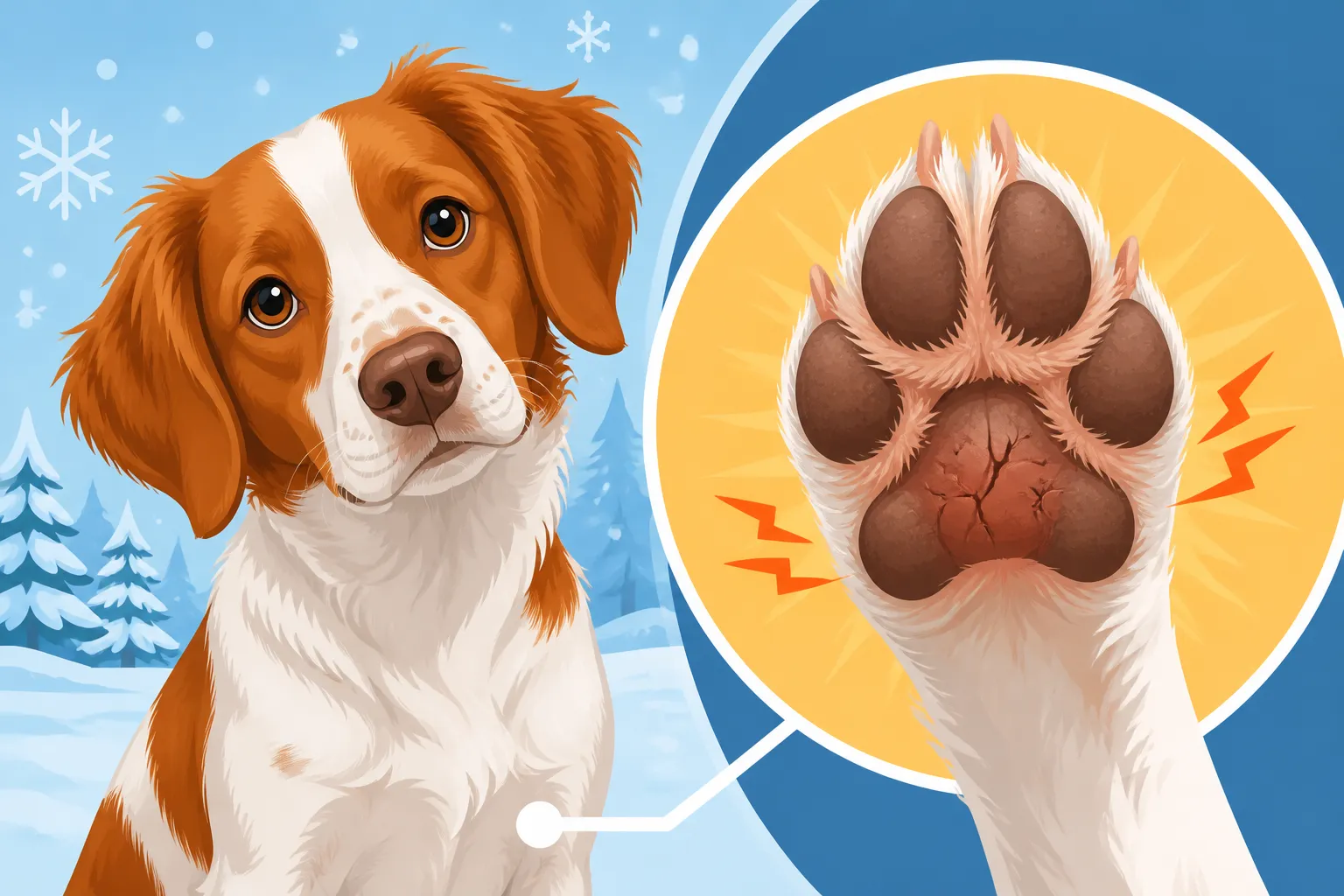
Upon closer inspection, you'll start to see the physical evidence. Look for visible cracks in the paw pads – these can range from small, superficial lines to deep fissures that may even bleed. The pads might appear dry, flaky, or unusually rough to the touch. You might also see redness, swelling, or even discharge if an infection has set in. Sometimes, the cracks might be difficult to see at first glance, hidden within the natural texture of the pad or obscured by hair. This is why a thorough, gentle inspection of each paw, including between the toes and around the nails, is so important. Don't forget about the nails themselves; sometimes, cold weather can make them brittle too, leading to breaks or splitting that can further irritate the paw. An owner truly attuned to their dog will notice subtle changes in gait or even the way their Brittany settles down for a nap – these small cues speak volumes.
The Pain and Discomfort Your Brittany Experiences
It's easy to underestimate how painful cracked paw pads can be for your Brittany. Imagine having a deep paper cut on the sole of your foot and then being asked to walk barefoot on gravel all day. That's essentially what your dog is experiencing. Each step puts pressure on these raw, exposed areas, causing acute pain. Deep cracks can expose sensitive nerve endings and the underlying fatty tissue, making even light contact agonizing. This constant pain can lead to significant stress for your dog, affecting their mood, sleep, and overall well-being. A dog in pain may become withdrawn, less playful, or even snappish if you try to touch their paws, which is completely out of character for the usually affectionate Brittany.
Beyond the immediate pain, cracked paw pads open the door to secondary problems. The integrity of the skin barrier is compromised, making it much easier for bacteria, fungi, and irritants to enter the body, leading to infections. These infections can cause further swelling, pus, and persistent pain, potentially requiring antibiotics or other medical intervention. Left untreated, a simple crack can escalate into a severe infection that impacts your dog's ability to walk, hunt, or even enjoy their daily life. The healing process for paws can be slow and frustrating, as it's hard to keep pressure off them. This makes early detection and proactive prevention absolutely crucial. Just because they can endure it doesn't mean they should have to.
Proactive Measures for Winter Paw Protection
Prevention is truly the best medicine when it comes to your Brittany's paw health in winter. A little effort upfront can save your dog a lot of pain and you a lot of worry (and vet bills!).
Pre-Winter Paw Toughening and Conditioning
Getting your Brittany's paws ready for winter isn't something you want to start the day the snow flies. It's an ongoing process that actually begins well before the first frost. Think of it like building calluses on your own hands before a big project; you want to strengthen those pads gradually. Regular walks on varied surfaces throughout the year—grass, dirt, gravel, pavement—help maintain the natural toughness of their pads. If your Brittany primarily walks on soft surfaces, introducing short periods on harder ground can help. However, be cautious not to overdo it initially, as too much too soon can cause damage. Gradual exposure is key to building resilience. You can also explore products designed to toughen paw pads. Some owners swear by specific pad conditioners or hardening balms applied regularly in the weeks leading up to winter. These aren't just for moisturizing; they can help create a slightly tougher, more resilient surface on the pads. Consistency is vital here, making it part of your daily or weekly routine. How to Toughen a Brittany's Pads delves deeper into specific strategies for this.
Another often overlooked aspect of paw conditioning is keeping the hair between the paw pads neatly trimmed. Brittany Spaniels, with their lovely feathering, can accumulate long hair between their toes. This hair can collect ice balls, snow, and de-icing chemicals, holding them close to the skin and causing irritation and frostbite. It can also reduce traction, making slips and falls more likely. Trimming this hair flush with the paw pads helps prevent these issues and makes cleaning much easier after an outing. You can use blunt-nosed scissors or a small clipper designed for pet grooming. If you're unsure how to do this safely, a professional groomer or your veterinarian can demonstrate the technique. This simple step, combined with regular conditioning, forms a strong foundation for winter paw health.
Choosing the Right Paw Protection
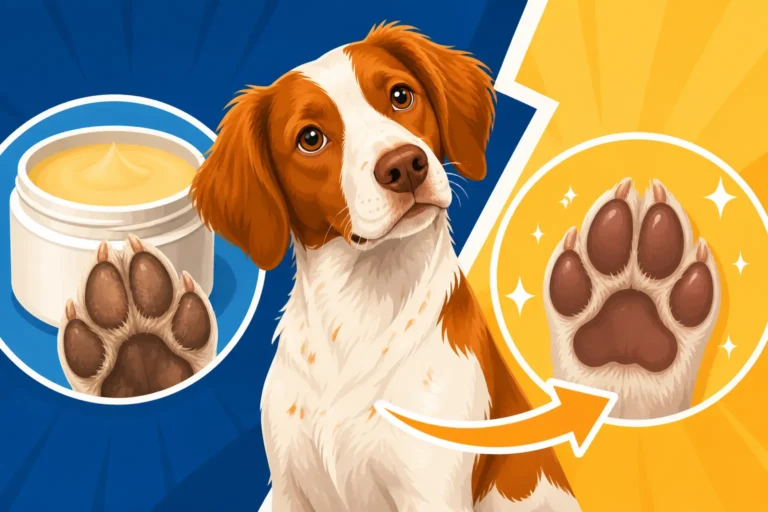
When the temperatures drop and the elements become truly harsh, sometimes conditioning isn't enough, and external protection becomes necessary. There are two main categories of paw protection: balms/waxes and boots. Paw balms or waxes, such as Musher's Secret or other commercially available paw protectants, create a breathable barrier on the pads. They help to moisturize the pads, preventing cracking, and also act as a shield against salt, chemicals, snow, and ice. Applying these regularly, especially before going out, can make a significant difference. Many owners find these easy to apply and less intrusive for their dogs than boots. Whether a Brittany Needs Paw Wax provides more insight into these products.
For more extreme conditions, or for Brittanys that spend extended periods in the snow, ice, or on rough terrain, dog boots might be the best option. Modern dog boots come in various styles, materials, and sizes, offering robust protection against freezing temperatures, sharp ice, abrasive surfaces, and corrosive de-icing agents. It’s crucial to find boots that fit properly – not too tight, which can restrict circulation, and not too loose, which can chafe and fall off. Getting your Brittany accustomed to wearing boots takes time and patience. Start with short periods indoors, rewarding them with treats and praise, and gradually increase the duration. You'll want to ensure they don't impede your dog's natural gait too much, especially if they are a working dog. Brands like Ruffwear or Pawz (available through retailers like Chewy or Amazon) offer popular options. It's a personal choice based on your dog's tolerance, the severity of the winter, and the specific activities you'll be doing. Some Brittanys will tolerate boots wonderfully; others will look at you like you've lost your mind!
Post-Outing Care Routine
The care doesn't stop when you come in from the cold. In fact, what you do immediately after an outing is just as critical for preventing paw damage. As soon as you get back inside, make it a habit to thoroughly check and clean your Brittany's paws. This is especially important if you've been in areas where de-icing salts or chemicals might be present. Even if you've used boots, some salt can inevitably get in or stick to the lower legs. Use a warm, damp cloth to gently wipe down each paw, including between the toes and around the nails. This removes any chemicals, dirt, or ice melt residues that could cause irritation or be ingested when your dog licks their paws later.
During this post-outing check, pay close attention to the spaces between their toes. This is a common spot for ice balls to form, especially if the hair isn't trimmed short. These ice balls can be incredibly uncomfortable, pulling on the hair and even causing frostbite if left unattended. Carefully remove any ice balls, or let them melt naturally with the warm cloth. After cleaning, ensure their paws are completely dry. Dampness can lead to skin irritation, fungal infections, or further cracking, especially if they then lie down in a warm, dry spot. If you've opted not to use boots or balm, consider applying a paw balm or moisturizer at this point to replenish any lost moisture and protect against the drying effects of indoor heating. Make this a positive experience with praise and treats, reinforcing that paw checks are a normal and pleasant part of their routine. This simple ritual, when consistently practiced, can prevent many common winter paw ailments. For a deeper dive, check out How Often a Brittany's Pads Should Be Checked.
Treating Cracked Paw Pads and Preventing Infection
Despite our best preventative efforts, sometimes cracked paw pads happen. When they do, knowing how to provide immediate care and when to seek professional help is vital.
First Aid for Minor Cracks
If you notice minor cracks on your Brittany's paw pads, don't panic, but do act quickly. The first step is to gently clean the affected paw. Use a mild antiseptic solution, such as a diluted povidone-iodine solution or chlorhexidine wash, to clean the cracked area. This helps to remove any dirt, debris, or bacteria that could lead to infection. Make sure the solution is dog-safe and follow dilution instructions carefully. Pat the area dry thoroughly with a clean towel.
Once clean and dry, apply a pet-safe soothing and healing balm. Many excellent options are available from your vet or pet retailers like Chewy or Amazon. Look for balms with ingredients like beeswax, shea butter, vitamin E, or calendula, which are known for their moisturizing and healing properties. These balms help to keep the pads supple, prevent further cracking, and provide a protective barrier. Avoid human lotions, as they may contain ingredients that are toxic to dogs or can exacerbate the problem. You might need to cover the paw with a light, breathable bootie or wrap (like a vet wrap, not duct tape!) to prevent your Brittany from licking the balm off immediately and to keep the area clean while it heals. Change the covering daily, reapplying the balm and checking the wound. A consistent application for several days should show improvement in minor cases. For specific guidance on injuries, How to Treat a Brittany's Torn Pad might be a useful read.
When to Seek Veterinary Attention
While minor cracks can often be managed at home, there are definite signs that indicate it's time to call your veterinarian. If the cracks are deep, bleeding profusely, or show any signs of infection (like pus, significant swelling, redness that extends beyond the crack, or a foul odor), professional help is needed immediately. Similarly, if your Brittany is limping severely, refusing to put weight on the paw, or seems to be in extreme pain, don't delay a vet visit. These could be signs of a deeper injury, a more serious infection, or even a foreign object lodged in the paw.
Your vet will be able to properly clean and assess the wound, prescribe antibiotics if an infection is present, or recommend stronger pain medication if your dog is in a lot of discomfort. They might also suggest specific wound care products or bandages that are more effective than what you can apply at home. Sometimes, deep cracks might even require stitches or other advanced treatments. Remember, your Brittany's paws are crucial for their mobility and their enjoyment of life, especially for a hunting breed. Don't take chances with severe paw injuries; a quick vet visit can prevent a minor issue from becoming a chronic problem, saving both your dog from prolonged suffering and you from more complex (and costly) treatments down the line.
Long-Term Healing and Maintenance
Healing cracked paw pads isn't an overnight process, especially for deeper fissures. It requires patience and consistent care. While the paw is healing, try to minimize your Brittany's exposure to the harsh elements that caused the cracking in the first place. Shorter walks on softer surfaces, or even indoor exercise, might be necessary for a few days or weeks. If they must go outside in cold or abrasive conditions, ensure they have proper paw protection, like well-fitting boots, to allow the pads to recover without further irritation. Continuing to apply a good quality paw balm, even after the initial cracks have healed, will help to maintain the pliability and moisture of the pads, making them less susceptible to future damage. Think of it as a daily moisturizer for their feet.
Beyond topical treatments, consider your Brittany's overall health and nutrition. A balanced diet rich in essential fatty acids (like Omega-3s) can contribute to healthier skin and coat, including the paw pads. Some premium dog foods, like those from Ollie or high-quality options found on Chewy, are formulated with skin and coat health in mind, providing the internal support needed for strong, resilient pads. Regular grooming, including trimming the hair between the pads, should become a year-round habit, not just a winter chore. And, of course, regular paw inspections, even in warmer months, will help you catch any issues early. By making paw care an integral part of your Brittany's overall wellness routine, you can help ensure those tireless hunting feet stay healthy and happy for many seasons to come.
Here's a quick comparison of common paw protection methods:
| Protection Method | Pros | Cons | Best For |
|---|---|---|---|
| Paw Balms/Waxes | Easy to apply, moisturizes, light barrier | Less protection in extreme conditions, needs frequent reapplication | Mild cold, dry air, light snow, city walking |
| Dog Boots | Excellent protection from all elements, durable | Can be uncomfortable for some dogs, fitting issues, training required | Extreme cold, ice, heavy snow, rough terrain, de-icers |
| Trimmed Hair | Prevents ice balls and trapped debris, improves traction | Not direct protection against elements, requires grooming skills | General paw health, complements other methods |
Disclaimer
This article is for general informational purposes only and does not constitute professional advice. Laws, prices and regulations vary by location and change over time. Consult a qualified professional for guidance on your specific situation.