Caring for an Old Brittany
Watching your beloved Brittany, once a whirlwind of boundless energy and enthusiasm, start to slow down can be one of the hardest parts of dog ownership. Their once-agile leaps become more hesitant, their boundless retrieves a little less eager, and the ever-present sparkle in their eyes might dim just a touch. It’s a natural part of life, but it doesn't make the transition any easier for us, their devoted companions. This guide is here to walk you through the nuances of caring for your senior Brittany, helping you understand their changing needs, manage common age-related challenges, and ensure their golden years are filled with comfort, dignity, and as much joy as possible.
Understanding the Aging Brittany's Changes
Just like us, dogs experience a wide range of physical and behavioral changes as they age. For a breed as active and spirited as the Brittany, these changes can sometimes sneak up on you, or they might feel particularly stark compared to their youthful vigor. Recognizing these shifts early is crucial for providing the best possible care.
When Does a Brittany Become a Senior?
It’s often said that dogs age seven human years for every one of their own, but that's a vast oversimplification, especially for active, medium-sized breeds like the Brittany. Generally, a Brittany is considered senior when they reach around 8 to 10 years old. This isn't a hard and fast rule, of course; some Brittanys maintain a youthful exuberance well into their teens, while others might show signs of slowing down a bit earlier. What truly matters isn't the calendar age as much as the physiological age.
You might start to notice subtle shifts, like less sustained energy during walks, a bit more stiffness after a long nap, or perhaps a slight dulling of their coat. These are often the first whispers of old age. It's a time when you need to start paying closer attention to these small signals, because they're indicators that your dog's body is working differently than it used to. Understanding The Age a Brittany Is Considered Senior is really about observing your specific dog and how their individual body is evolving.
Common Physical Changes in Senior Brittanys
As your Brittany enters their senior years, their body undergoes a variety of changes that can impact their daily life. These aren't necessarily illnesses but rather the natural wear and tear of a life well-lived. Their metabolism slows, their muscle mass might decrease, and their joints may not be as supple as they once were. You might notice a subtle greying around their muzzle, a slight cloudiness in their eyes, or even some dental issues that weren't present before.
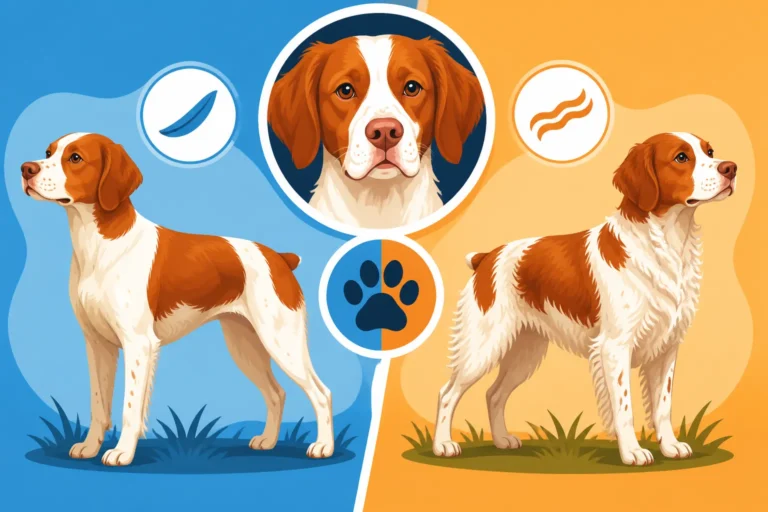
One of the most noticeable changes, especially for a field-bred dog, is a general reduction in stamina and endurance. That four-hour hunt they used to thrive on might now exhaust them after two. Their ability to regulate body temperature can also change, making them more susceptible to both heat and cold. Their coat might thin a little or become coarser, and their skin can become less elastic, prone to dryness or even benign lumps and bumps that are part of aging. You can also expect to see What Changes in a Brittany After Ten.
Behavioral and Cognitive Shifts to Watch For
Beyond the physical, aging can bring about changes in your Brittany’s behavior and cognitive function. They might sleep more during the day but become restless at night, or perhaps seem a bit disoriented in familiar surroundings. This isn't always dementia, but it can be a sign of cognitive decline, often referred to as Canine Cognitive Dysfunction (CCD).
You might also observe changes in their interaction with the family. Some senior Brittanys become more clingy, seeking comfort and reassurance, while others might become more irritable or less tolerant of young children or other pets. Their housetraining might falter, not out of malice, but due to weakened bladder control or simply forgetting their routine. These changes can be disheartening, but understanding them allows you to respond with patience and adapt their environment to support their evolving needs.
Nutritional Adjustments for Senior Brittanys
Diet plays a pivotal role in maintaining the health and vitality of your aging Brittany. Their metabolic rate slows down, their activity levels often decrease, and their bodies may struggle to absorb nutrients as efficiently as they once did. What they ate as a young, energetic gun dog might no longer be the best choice for their golden years.
Choosing the Right Senior Dog Food
The market is flooded with senior dog food options, and it can feel overwhelming to choose the right one. Look for foods that are specifically formulated for senior dogs, which typically means a slightly lower calorie count to prevent weight gain, and often enhanced levels of beneficial nutrients like omega-3 fatty acids, glucosamine, and chondroitin for joint health. Protein levels should still be adequate to maintain muscle mass, especially since Whether an Aging Brittany Loses Muscle is a common concern.
It's not just about the label; it's about the ingredients. High-quality protein sources, easily digestible carbohydrates, and a good balance of vitamins and minerals are key. Some Brittanys, especially those with dental issues, might benefit from wet food or kibble moistened with water or broth. Brands like Chewy offer a vast selection of senior dog foods, making it easier to compare options and read reviews. For Brittanys who prefer fresh food, or those with sensitive stomachs, services like Ollie provide pre-portioned, human-grade meals that can be easier to digest and more palatable.
Supplements for Joint Health and Overall Well-being
Even with a high-quality senior diet, supplements can play a crucial role in supporting your Brittany's aging body. Joint supplements containing glucosamine, chondroitin, and MSM are almost universally recommended for senior dogs, especially a breed known for its athleticism. These ingredients help maintain cartilage integrity and reduce inflammation, which can ease the discomfort of arthritis.
Omega-3 fatty acids, found in fish oil, are another powerhouse supplement. They support joint health, promote healthy skin and coat, and may even aid cognitive function. Probiotics can be beneficial for maintaining gut health, which often becomes less efficient with age. Always discuss any new supplements with your veterinarian to ensure they are appropriate for your dog's specific health needs and don't interact negatively with any medications.
Hydration and Appetite Changes
As dogs age, their sense of thirst can diminish, or they might simply find it harder to get up and walk to their water bowl as frequently. Adequate hydration is critical for kidney function and overall health. Encourage your senior Brittany to drink by placing multiple water bowls around the house, adding water to their food, or offering a pet fountain, which many dogs find more appealing.
Appetite changes are also common. Some Brittanys might become pickier eaters, while others might experience a decrease in appetite due to underlying health issues or dental pain. If your dog suddenly loses interest in food, it's vital to consult your vet to rule out any medical problems. For picky eaters, warming their food slightly, adding a tasty topper, or switching to a more palatable option can sometimes do the trick. Remember that Whether an Aging Brittany Needs Softer Food often comes down to their dental health and ease of eating.
Managing Aches, Pains, and Mobility Issues
One of the most heartbreaking aspects of watching your Brittany age is seeing them struggle with movement. Years of enthusiastic running, jumping, and pointing take their toll on joints, making arthritis and other mobility issues a common challenge.
Recognizing and Addressing Arthritis
Arthritis, or osteoarthritis, is rampant in older dogs. It's a degenerative joint disease that causes pain, stiffness, and reduced range of motion. For a Brittany, whose life revolves around movement, this can be particularly debilitating. Signs of arthritis might include difficulty getting up after resting, lameness, reluctance to jump or climb stairs, a change in gait, or even subtle personality changes due to chronic pain. How a Brittany Hides Pain is something many owners overlook; they are stoic dogs.
If you suspect your Brittany has arthritis, a vet visit is essential. Your veterinarian can diagnose the condition and recommend a treatment plan, which often includes a combination of pain management medications (like NSAIDs), joint supplements, controlled exercise, and sometimes physical therapy. There are many options available today to help manage the pain and improve their quality of life, allowing them to remain as active as comfortable.
Exercise Modifications for Joint Health
Continuing to exercise your senior Brittany is important for maintaining muscle mass, joint flexibility, and mental well-being, but the type and intensity of exercise will likely need to change. Gone are the days of marathon runs or intense field sessions. Instead, focus on shorter, more frequent walks on soft surfaces, gentle swimming (if they enjoy it and it’s appropriate for their condition), or even just supervised strolls in the backyard.
The goal is to keep them moving without overstressing their joints. How Far an Aging Brittany Should Still Run is a question that needs a very personal answer, based on your dog's current capabilities and comfort level. Pay close attention to their cues: if they lag behind, limp, or seem overly tired afterwards, you’ve done too much. Regular, gentle movement is far better than sporadic bursts of intense activity followed by days of recovery.
Tools and Aids for Mobility
Sometimes, even with medication and modified exercise, your Brittany might need a little extra help getting around. There's no shame in providing assistive devices that improve their quality of life. Ramps can be invaluable for helping them get in and out of the car, onto the couch, or up a few steps, saving their joints from impact. Brands like Amazon offer a wide array of sturdy, non-slip ramps suitable for various needs.
Orthopedic beds are another essential item, providing superior support and cushioning for achy joints compared to traditional dog beds. Harnesses with handles can give you a way to assist them when they're struggling to stand or navigate slippery floors. Even simple measures like non-slip rugs on slick surfaces can make a huge difference in preventing falls and boosting their confidence. These aids aren't a sign of defeat; they're a testament to your love and commitment to their comfort.
Addressing Cognitive Decline and Sensory Loss
As our Brittanys age, their minds and senses can experience changes, just like their bodies. It can be startling and often heartbreaking to watch a once-sharp dog become confused or unresponsive, but understanding these changes can help you provide compassionate support.
Canine Cognitive Dysfunction (CCD)
Canine Cognitive Dysfunction, sometimes likened to Alzheimer's in humans, is a progressive neurodegenerative disorder that affects older dogs. It can manifest in a variety of ways, often remembered by the acronym DISHA: Disorientation, Interactions (changed), Sleep-wake cycles (altered), House-soiling, and Activity levels (changed). Your Brittany might wander aimlessly, stare at walls, forget familiar commands, or seem confused about who you are. They might sleep more during the day but pace restlessly at night, or suddenly start having accidents indoors despite being perfectly housetrained for years.
Diagnosing CCD is primarily done by ruling out other medical conditions that could cause similar symptoms, such as thyroid issues, pain, or kidney disease. While there's no cure, management strategies can slow its progression and improve quality of life. These often include specific diets rich in antioxidants and omega-3s, certain medications, and environmental enrichment. Early recognition and veterinary consultation are key.
Managing Deafness and Blindness
Sensory loss, particularly hearing and sight, is very common in senior Brittanys. A once-attentive dog might stop responding to their name, or startle easily if approached from behind. You might notice Deafness in an Aging Brittany first when they no longer greet you at the door, or don't wake up to familiar household noises. Similarly, cloudy eyes or bumping into furniture in dim light can indicate vision impairment.
When managing deafness, rely more on visual cues and hand signals. Consider a vibrating collar for recall, or tap the floor firmly to get their attention. For blindness, keep furniture in consistent locations to minimize confusion and anxiety. Speak to them frequently as you approach to avoid startling them. Establish clear pathways and use scent markers if needed. Your unwavering patience and consistent routines become their anchors in a world that might feel increasingly disorienting.
Mental Stimulation and Enrichment
Even with cognitive decline or sensory loss, mental stimulation remains incredibly important for your senior Brittany. It helps keep their minds engaged, reduces boredom, and can slow the progression of some cognitive issues. Puzzle toys, especially those that dispense treats, can be a great way to challenge their minds and reward their efforts. Simple scent games, where they have to find hidden treats, are fantastic for deaf or blind dogs, relying on their still-sharp sense of smell.
Gentle training sessions, revisiting old commands with patience and positive reinforcement, can also be beneficial. Even just spending time with them, offering gentle massages, or letting them sniff around a new, safe environment can provide valuable enrichment. The key is to adapt activities to their current abilities, focusing on success and positive experiences rather than frustration.
Routine Care and Grooming for the Older Brittany
The fundamental aspects of care don't change for a senior Brittany, but the way you approach them and the frequency may need to be adjusted. What was once a quick brush and a glance now might require more time, patience, and attention to detail.
Adjusting Grooming Routines
A Brittany’s coat, while generally low-maintenance, can become more prone to matting and skin issues as they age. An aging coat (What an Aging Brittany's Coat Looks Like) might include more dryness, flakiness, or even new growths that need monitoring. Regular, gentle brushing becomes even more important, not just for preventing mats, but also for stimulating circulation and allowing you to check their skin for any lumps, bumps, or irritations.
Bathing might be needed more or less frequently depending on their skin condition and activity levels. Use a mild, moisturizing shampoo to avoid drying out their skin. If they struggle with standing for long periods, consider using a non-slip mat in the tub or a walk-in shower. Professional groomers who specialize in senior dogs can also be a wonderful resource, as they are experienced in making the grooming process as comfortable and stress-free as possible.
Dental Health Becomes Critical
Dental health is paramount for senior dogs. Years of plaque and tartar buildup can lead to periodontal disease, which not only causes pain and tooth loss but can also contribute to more serious systemic health issues like heart and kidney disease. Bad breath is a common indicator, but your Brittany may also show reluctance to eat hard kibble, excessive drooling, or pawing at their mouth.
Regular veterinary dental check-ups are essential. Depending on your dog's overall health, your vet might recommend professional dental cleanings under anesthesia. Between cleanings, continue with at-home dental care if tolerated – brushing their teeth with dog-specific toothpaste, using dental chews, or adding water additives. Good dental hygiene can dramatically improve your senior Brittany's comfort and extend their lifespan.
Ear, Eye, and Nail Care
Brittanys are known for their beautiful, floppy ears, but these can be prone to infections throughout their lives. As they age, their immune system might weaken, making them even more susceptible. Regular cleaning and checking for redness, odor, or discharge are crucial. Why a Brittany's Ears Get Infected Every Season can be exacerbated in older dogs.
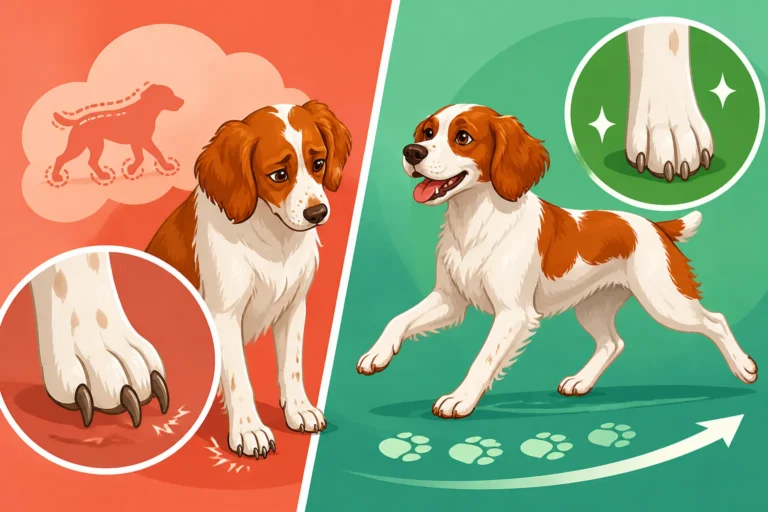
Similarly, eyes should be checked regularly for any discharge, redness, or signs of discomfort. Senior Brittanys are more prone to conditions like cataracts or glaucoma, so prompt veterinary attention for any eye changes is important. Nail care is also vital; if your senior Brittany is less active, their nails may not wear down naturally. Overgrown nails can cause pain, affect their gait, and even lead to infections. Regular, gentle trims are necessary to keep them at a comfortable length.
Veterinary Care and Preventative Health for Seniors
As your Brittany enters their golden years, preventative veterinary care becomes more important than ever. Early detection of age-related diseases can make a huge difference in management and outcome, extending both the quantity and quality of their life.
The Importance of Regular Senior Check-ups
For senior Brittanys, yearly vet visits are no longer enough. Most veterinarians recommend twice-yearly wellness exams for older dogs. These frequent check-ups allow your vet to closely monitor any changes in your dog's health, catch potential issues early, and adjust their care plan as needed. Think of it as proactive healthcare, rather than reactive.
During these visits, your vet will perform a thorough physical examination, paying close attention to their joints, teeth, eyes, ears, and any lumps or bumps. They'll also discuss any behavioral changes you've observed, which can be indicators of pain or cognitive decline. This consistent monitoring is invaluable for catching subtle shifts before they become major problems.
Common Health Concerns in Older Brittanys
Older Brittanys, like many breeds, are prone to several health conditions that become more prevalent with age. Arthritis and dental disease are almost universal, as mentioned. However, other serious conditions can also emerge. Kidney and liver disease are common, often presenting with increased thirst and urination, changes in appetite, or lethargy. Heart disease, including valve degeneration, can lead to coughing, difficulty breathing, and exercise intolerance.
Cancer is another significant concern. Brittanys can be susceptible to various forms of cancer, and regular palpation for lumps and bumps, both by you and your vet, is vital. What Most Brittany Spaniels Die Of statistics often highlight cancer as a leading cause. Hypothyroidism, where the thyroid gland doesn't produce enough hormones, can also develop, leading to weight gain, lethargy, and coat changes. Regular bloodwork can help screen for many of these conditions, often allowing for early intervention.
Bloodwork and Diagnostic Screenings
Comprehensive bloodwork is a cornerstone of senior preventative care. This usually includes a complete blood count (CBC) to check for anemia, infection, and other blood disorders, and a chemistry panel to assess organ function (kidneys, liver, pancreas) and electrolyte balance. Thyroid hormone levels are also often checked, especially if you notice signs of lethargy or weight gain.
In addition to blood tests, your vet might recommend urinalysis to check kidney function and screen for urinary tract infections. Imaging, such as X-rays, might be used to evaluate joint health and check for arthritis, or to assess organ size and look for masses. Early detection through these screenings can mean the difference between managing a condition and facing a crisis. Remember that What a Brittany's Yearly Bloodwork Should Cover will be tailored to their individual health profile.
Maintaining Comfort and Quality of Life at Home
Your home is your Brittany's sanctuary, and as they age, making small adjustments to their environment can significantly improve their comfort, safety, and overall quality of life. The goal is to create a supportive haven where they feel secure and can navigate easily.
Creating a Senior-Friendly Environment
Think about your home from your Brittany's perspective. Are there slippery floors that make walking difficult or scary? Place non-slip rugs or runners in high-traffic areas. Are there stairs that are becoming too challenging? Consider gates to restrict access to stairs if necessary, or install ramps if they still insist on using them. A cozy, easily accessible "den" or bed area where they can retreat for quiet time is also important.
Ensure their food and water bowls are easily reachable without excessive bending, especially if they have arthritis in their neck or spine. Elevated bowls can be a real game-changer. Consider their toileting needs: if they need to go out more frequently, ensure easy access to the yard, perhaps with a dog door or by creating a designated potty area closer to the house.
Providing Comfortable Resting Places
Comfortable sleeping arrangements are non-negotiable for an aging Brittany. Orthopedic beds, often made with memory foam, distribute weight evenly and relieve pressure on aching joints. These can be found at pet stores or online retailers like Chewy or Amazon. Place these beds in quiet, draft-free areas where your dog feels safe and can get undisturbed rest.
Many senior Brittanys also appreciate a soft blanket or a familiar scent to snuggle with. As they may feel the cold more Whether an Aging Brittany Feels the Cold More, a heated pet bed or a warm blanket can provide immense comfort, especially during colder months. Ensure their resting spots are away from busy household traffic, allowing them to truly relax and recharge.
Emotional Support and Quality Time
Beyond the physical changes, senior Brittanys still crave connection and affection. In fact, they might need it even more as they navigate their changing world. Spend quality time with them through gentle petting, quiet cuddles, or just sitting nearby while they rest. Reassurance is key, especially if they are experiencing cognitive decline or sensory loss.
Maintain routines as much as possible, as predictability provides comfort and reduces anxiety for older dogs. Speak to them often, even if they're deaf, as the vibration of your voice can still be comforting. Your unwavering presence and love are the most important things you can offer your aging companion. Remember that What Care a Brittany Needs Its Whole Life always includes a deep emotional bond.
Balancing Activity and Rest in the Golden Years
Finding the right balance between staying active and getting enough rest is crucial for your senior Brittany. While their youthful energy might be a distant memory, completely ceasing activity can lead to muscle loss, weight gain, and mental stagnation.
Adapting Hunting and Field Work
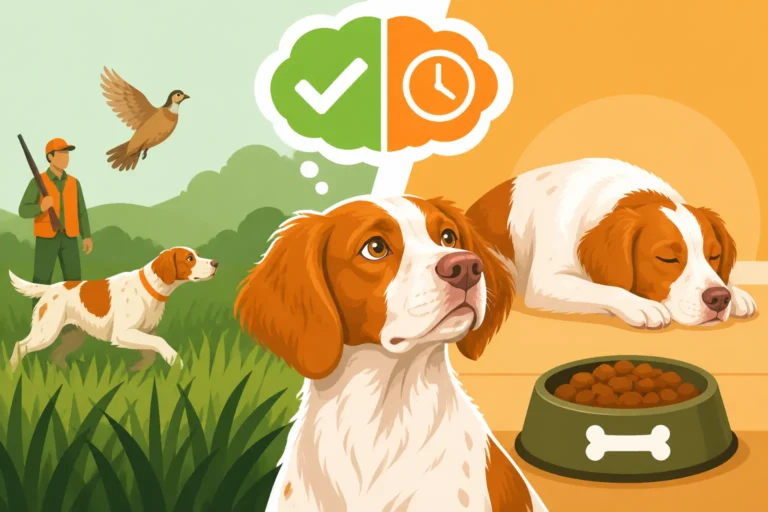
For a breed like the Brittany, field work isn't just a hobby; it's often an intrinsic part of their being. Many owners grapple with Whether an Aging Brittany Still Wants to Hunt. The answer is often yes, but with significant modifications. Shorter hunts, on easier terrain, and in milder weather conditions are usually necessary. Instead of demanding retrieves, focus on their love for the point, allowing them to use their nose and instincts.
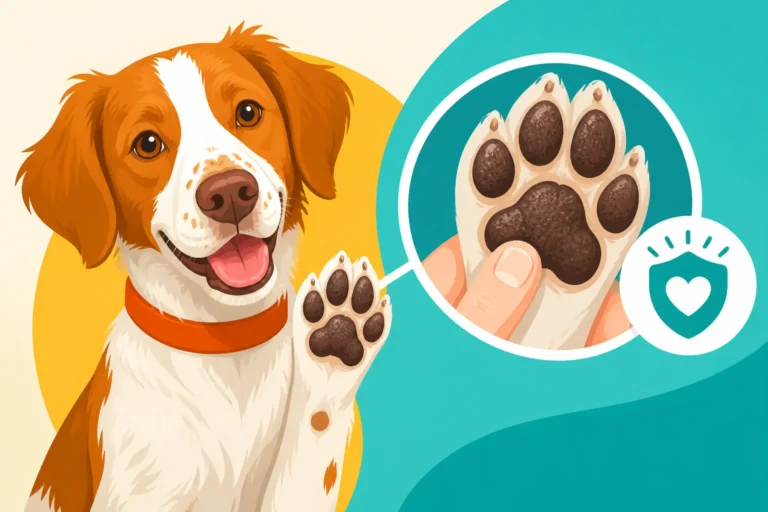
Consider limiting their time in dense cover or fields with foxtails or sharp stubble, which can be harder on their aging bodies and feet. A neoprene vest can help Whether an Aging Brittany Feels the Cold More during late-season hunts or retrieves in cold water. Always carry water and offer frequent breaks. Most importantly, watch your dog closely for any signs of fatigue, pain, or overheating, and be prepared to cut the session short. Their enjoyment and comfort should always take precedence over your hunting goals.
Gentle Exercise and Play
Even if field work is no longer feasible, gentle exercise and play are still vital. Daily walks, even if shorter and slower, help maintain muscle tone and joint mobility. Varying your walking routes can provide mental stimulation through new sights and smells. If your Brittany enjoys swimming, it can be an excellent low-impact exercise, providing a full-body workout without stressing their joints.
Interactive toys, especially those that don't require too much running or jumping, can keep them engaged. A soft ball for a gentle retrieve in the living room, or a treat-dispensing puzzle toy, are great options. The key is moderation and observation: never push your senior Brittany beyond their comfort level.
The Importance of Ample Rest
Just as important as activity is ensuring your senior Brittany gets plenty of quality rest. Their bodies take longer to recover, and adequate sleep is essential for physical and mental rejuvenation. Provide multiple comfortable, quiet resting spots throughout the house where they can nap undisturbed.
Understand that their sleep patterns might change; they may sleep more during the day but be restless at night. This can be challenging for owners, but patience and understanding are important. Why an Aging Brittany Slows Down Suddenly isn't just about physical pain; sometimes it's simply their body demanding more rest. Respect their need for downtime, and create an environment that supports peaceful slumber.
Table: Common Senior Brittany Challenges & Solutions
| Challenge | Signs to Look For | Management Strategies |
|---|---|---|
| Arthritis/Joint Pain | Stiffness, limping, reluctance to jump/climb, slowed gait | Vet-prescribed pain meds, joint supplements, gentle exercise, orthopedic beds, ramps |
| Weight Gain | Ribs hard to feel, loss of waist, lethargy | Lower-calorie senior food, controlled portions, increased gentle exercise |
| Cognitive Decline | Disorientation, altered sleep, house-soiling, changed interactions | Vet-prescribed medication, mental stimulation, consistent routines, clear pathways |
| Dental Disease | Bad breath, pawing at mouth, reluctance to eat hard food, drooling | Regular vet dental cleanings, at-home brushing, dental chews |
| Sensory Loss (Deafness/Blindness) | Not responding to commands, bumping into objects, cloudy eyes | Visual cues/hand signals, consistent furniture placement, speaking as you approach, scent markers |
| Decreased Stamina | Tires easily, lags behind, takes longer to recover | Shorter, more frequent activities, rest breaks, avoiding extreme weather |
| Urinary Incontinence | Accidents indoors, leaking while asleep | Vet evaluation, medications, frequent potty breaks, absorbent bedding |
| Skin/Coat Changes | Dryness, flakiness, mats, dull coat, lumps/bumps | Regular gentle brushing, moisturizing shampoo, vet checks for new growths |
Disclaimer
This article is for general informational purposes only and does not constitute professional advice. Laws, prices and regulations vary by location and change over time. Consult a qualified professional for guidance on your specific situation.