Whether a Brittany Feels the Cold
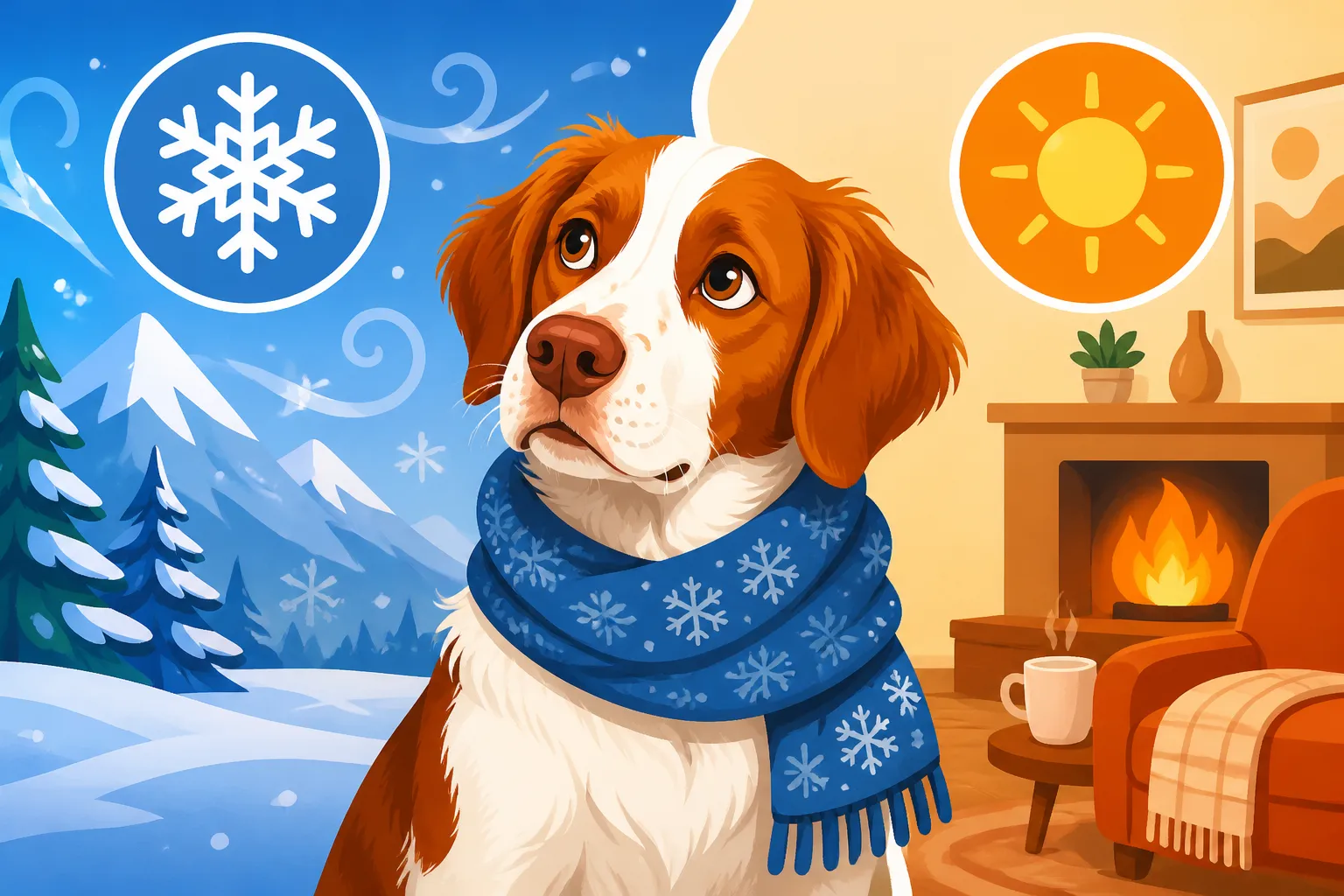
It’s a common sight for us Brittany owners: the air gets crisp, the leaves start to fall, and that boundless energy our dogs possess seems to surge even more. They're still charging through cover, plunging into icy water, and seemingly oblivious to the dropping temperatures. It makes you wonder, doesn't it? Does my Brittany really feel the cold, or are they just built for it? While our Brittanys might seem like unstoppable machines in the field, they are, in fact, susceptible to cold just like any other dog. This guide will walk you through understanding your Brittany's unique relationship with cold weather, how to spot the signs they’re getting too chilly, and practical steps to ensure they stay warm, healthy, and happy, whether they’re hunting, training, or just enjoying a brisk walk.
Understanding the Brittany's Natural Cold Tolerance
Our Brittanys are renowned for their athleticism and drive, but when it comes to battling the cold, their physical attributes play a significant role. It’s not just about how much hair they have; it’s about the quality of that coat, their metabolism, and their inherent need to move.
The Brittany Coat: More Than Meets the Eye
When you look at a Brittany, you don't typically see the shaggy, thick double coat of a Husky or a Malamute. Instead, our Brittanys sport a single, dense coat, which might lead some to think they're not well-equipped for cold weather. But don't let appearances fool you! This coat is surprisingly effective. It's designed to be fine on the body, possibly slightly wavy, and dense enough to provide a good layer of insulation against the elements. It traps air close to the body, which helps retain warmth. While it's not a heavy wool blanket, it's certainly more than just a light jacket.
Beyond its insulating properties, the Brittany's coat also has natural oils that contribute to its weather resistance. This is especially vital when they are working in damp or wet conditions, like early morning dew or marshy terrain. These oils help shed water, preventing it from soaking through to the skin and chilling them rapidly. However, it's not completely waterproof, and prolonged exposure to wet cold will eventually penetrate this natural barrier. Understanding What a Brittany's Coat Is Like can help you appreciate its nuances. So, while they might not look like a northern breed, their coat is certainly functional for their intended purpose: enduring variable field conditions.
Activity Level as a Built-in Heater
One of the biggest factors in a Brittany's cold tolerance is their incredible energy level. These dogs are practically perpetual motion machines, especially when engaged in their favorite activity: hunting. Their high metabolism and constant movement generate a significant amount of body heat, effectively acting as an internal furnace. Think about yourself after a strenuous workout in cold weather – you're warm, right? It's the same for our Brittanys. A Brittany tirelessly quartering a field, scenting birds, and holding a point is generating far more heat than one lounging on the sofa.
This self-heating mechanism is a huge advantage for a working dog. It allows them to stay comfortable and focused even when the air temperature drops. However, this also highlights a crucial point: when that activity stops, so does a good portion of that internal heat generation. A Brittany might be perfectly fine running for hours, but once they're asked to stand still on point for an extended period, or if they're left waiting in a cold truck between retrieves, their core temperature can start to drop. This is where their natural defenses might not be enough, and human intervention becomes necessary to prevent them from getting too cold.
Factors Influencing a Brittany's Cold Sensitivity
While a Brittany's breed characteristics provide a good baseline for cold tolerance, several individual factors can significantly influence how well your dog handles chilly weather. These range from age and physical condition to their environment and how accustomed they are to cold temperatures.
Age: Puppies and Seniors are More Vulnerable
Just like with humans, the very young and the very old in the canine world often have a harder time regulating their body temperature. This holds true for our beloved Brittanys.
Brittany puppies, for example, have less body fat to insulate them, and their thermoregulatory systems aren't fully developed yet. They can lose body heat much more rapidly than an adult dog, making them particularly vulnerable to cold stress. Extended exposure to cold, damp conditions can quickly lead to hypothermia in a young pup. When they're out exploring, even for short periods, you need to be extra vigilant, keeping their outings brief and ensuring they have a warm, dry place to retreat to immediately. Overdoing it in cold weather can also impact their immune system, making them more susceptible to illness.
On the other end of the spectrum, senior Brittanys also require special consideration. As dogs age, their metabolism often slows down, which means they generate less body heat. Their coats might thin out, and their circulation can become less efficient. Furthermore, many older Brittanys might suffer from arthritis or other health conditions that can be exacerbated by cold weather. A stiff joint might feel even more painful in the chill, making them reluctant to move and generate warmth. If you're Caring for an Old Brittany, remember that their comfort zone shifts significantly, and they'll likely need additional layers or a warmer resting spot than they did in their prime. Regular check-ups can also help identify any underlying issues that might affect their ability to tolerate cold.
Body Condition and Overall Health
A Brittany's physical condition and overall health play a crucial role in how effectively they can withstand cold temperatures. A dog with a healthy, lean physique, but with an adequate layer of subcutaneous fat, generally has better insulation than one that is underweight. Think of that healthy layer of fat as an extra blanket that helps keep their core warm. Conversely, a Brittany who is too thin will have less natural insulation and will burn through their energy reserves faster trying to stay warm, making them more prone to getting chilled. It's a delicate balance to strike between being fit for the field and having enough body mass for warmth.
Beyond just weight, underlying health issues can severely impact a Brittany's cold tolerance. Conditions such as hypothyroidism can slow metabolism, leading to decreased body temperature regulation. What a Brittany's Thyroid Panel Costs is an important consideration for a thorough health check, especially if you notice your dog struggling with cold or exhibiting other signs of a slow metabolism. Heart conditions or respiratory issues can also compromise their ability to cope with cold stress, as their body systems are already working harder. Always consult with your veterinarian if you have concerns about your Brittany's health and its potential impact on their ability to handle cold weather, particularly if they will be engaging in strenuous activities outdoors. Even seemingly minor illnesses can deplete their energy reserves, leaving them more vulnerable to the cold.
Acclimatization and Environmental Factors
Brittanys, like all dogs, can develop a degree of acclimatization to the weather conditions they regularly experience. A Brittany that lives in a region with consistently cold winters and spends a good amount of time outdoors (within safe limits) will generally be more accustomed to the chill than one from a mild climate or an exclusively indoor dog. Their bodies gradually adapt by slightly thickening their coat and optimizing their metabolic response to cold. However, this acclimatization has its limits and doesn't make them immune to extreme conditions.
Crucially, environmental factors can drastically alter how "cold" a temperature actually feels to your Brittany. Wet conditions, such as rain, snow, or even just high humidity, accelerate heat loss at an alarming rate. A wet coat loses most of its insulating properties, and the water conducts heat away from the body much faster than air. Imagine stepping out into chilly weather soaking wet – it's far worse than being dry! The wind chill factor is another significant player. Wind can penetrate their coat, stripping away the warm air trapped within the fur, and making the effective temperature feel much colder than the thermometer indicates. Hunting near water or on windy, exposed plains amplifies these risks. These elements mean that a 40-degree day with rain and wind can be far more dangerous than a dry, still 20-degree day, requiring extra precautions to keep your Brittany comfortable and safe.
Recognizing the Signs of a Cold Brittany
Our Brittanys are tough, often stoic dogs, and sometimes they try to push through discomfort. It's up to us, their owners, to be observant and recognize the subtle and not-so-subtle cues that tell us they're getting too cold. Ignoring these signs can lead to serious health issues, including hypothermia.
Behavioral Cues to Watch For
The first indicators that your Brittany is feeling the chill often come through their behavior. One of the most obvious signs is shivering. Just like us, dogs shiver uncontrollably when their body temperature drops, as it's an involuntary attempt to generate heat through muscle contractions. You might also notice them hunching their back, tucking their tail tightly between their legs, or trying to curl up into a tight ball. This posture reduces their exposed surface area, minimizing heat loss.
Another common behavioral cue is reluctance to move. A normally enthusiastic Brittany might start lagging behind, showing less interest in retrieving, or trying to find sheltered spots, perhaps under a bush or close to your legs. They might lift their paws off the cold ground frequently, or even whimper or bark more than usual – though, let's be honest, a Brittany can whine for many reasons! Pay attention to changes in their typical demeanor. If your normally energetic companion is acting subdued, seeking warmth, or seems generally uncomfortable, it's a strong signal that they're feeling the cold and need intervention.
Physical Indicators of Hypothermia
While behavioral cues are a good early warning system, severe cold exposure can lead to hypothermia, which presents more concerning physical signs. Early signs might include cold ears, paws, and tail to the touch, as the body restricts blood flow to extremities to protect vital organs. Their gums might appear paler than usual, again due to reduced blood flow. As hypothermia progresses, their movements can become uncoordinated and stiff, leading to stumbling or a general lack of enthusiasm. Their breathing might become shallow and slow, and their heart rate could decrease.
In severe cases, a hypothermic Brittany will become increasingly lethargic, weak, and disoriented. They might stop shivering altogether, which can be a dangerous sign, indicating their body has run out of energy reserves to generate heat. Their pupils might dilate, and eventually, they could collapse or become unconscious. If you suspect severe hypothermia, this is an emergency situation. You need to immediately get them to a warm place, wrap them in blankets, and seek veterinary attention without delay. It’s important to know the signs of when things are going wrong, much like knowing Signs a Brittany Is Overheating in the Field helps you react to the opposite extreme. Time is of the essence when dealing with plummeting body temperatures.
Keeping Your Brittany Warm and Safe
Ensuring your Brittany stays warm and safe in cold weather is a crucial part of responsible ownership, especially if they're a working dog. It involves a combination of smart gear choices, appropriate nutrition, and diligent post-activity care.
Protective Gear for Field and Home
When the temperatures drop, thinking about protective gear for your Brittany isn't just about fashion; it's about function and safety. For Brittanys working in the field, vests are often indispensable. A neoprene vest, for instance, is fantastic for water retrieves, providing an essential layer of insulation that helps prevent rapid heat loss when they plunge into icy ponds or rivers. Whether a Brittany Needs a Neoprene Vest for Water is a question many hunting dog owners grapple with, and for good reason—it can make all the difference. For dry, cold conditions, an insulated vest can help retain core body heat without impeding movement, especially during those static moments on point or while waiting in the truck.
Beyond vests, paw protection is vital. Cold ground, ice, and snow can cause frostbite, cracking, or irritation to a Brittany's sensitive paw pads. Dog boots, while sometimes met with initial canine resistance, can provide a crucial barrier against the elements and sharp ice. Considering What Boots Cost for a Brittany is a worthwhile investment when you factor in potential vet bills for injured paws. For indoor settings or less strenuous outdoor activities, a simple dog sweater or coat can offer comfort, particularly for older dogs or those with a thinner build. Ensure any gear fits well, allowing full range of motion without chafing or restricting breathing. Many excellent options for various types of protective gear can be found on retailers like Chewy or Amazon, making it easy to outfit your dog for any condition.
Adjusting Diet and Hydration
Cold weather, especially when combined with high activity levels, significantly increases a Brittany's caloric needs. Their body burns more energy simply trying to maintain its core temperature. This means that a working Brittany in the hunting season will need considerably more food than during the off-season. Thinking about How Much More a Brittany Eats in Hunting Season is not just about quantity, but also quality. Opting for a high-quality, nutrient-dense performance dog food can provide the sustained energy and calories they need. Some owners even incorporate high-fat additions or switch to specific performance blends to meet these demands. Brands like Ollie, known for their fresh, human-grade ingredients, could be a consideration for providing rich, digestible nutrition that supports their energy output and overall health in cold weather.
Hydration is just as critical, though often overlooked in cold weather. While dogs might seem to drink less when it's cold, their bodies still require ample water for all metabolic processes, including heat regulation. Dehydration can lead to fatigue and make them more susceptible to cold stress. Always ensure they have access to fresh, unfrozen water, both at home and in the field. Carrying a thermos of warm water can encourage them to drink more readily on cold days. Some owners even offer a small amount of warm broth before or after a hunt to boost hydration and provide a little extra warmth and sodium.
Post-Activity Care and Shelter
The moments immediately following a cold weather outing are crucial for your Brittany's well-being. Once they stop moving, their internal furnace dims, and they can cool down very quickly. The first priority, especially if they've been wet, is to dry them thoroughly. Use absorbent towels to remove as much moisture as possible, paying close attention to their feathered legs, belly, and ears, which can hold onto dampness. While the focus here is on warmth, the principles of post-activity care are similar to How to Cool a Brittany Down After a Run: prioritize their comfort and temperature regulation.
Next, ensure they have a warm, dry, and draft-free place to rest. This might mean a cozy spot by the fireplace, a soft dog bed away from exterior doors, or an insulated crate lined with blankets. For Brittanys who might still be damp or just need extra warmth, a dog coat can be kept on until they are fully dry and warm. Consider investing in a self-warming pet bed or adding a few extra blankets to their usual sleeping area. Many heated dog beds or warming pads are available through online retailers like Amazon or Chewy, offering an extra layer of comfort. For kennel dogs, ensure their kennel is well-insulated, raised off the cold ground, and packed with plenty of dry straw or bedding to burrow into. A proper resting environment helps their body recover and prevents residual chilling from turning into a more serious issue.
Common Cold Weather Scenarios for Brittanys
Brittanys are versatile dogs, and their activities can vary widely, presenting different challenges in cold weather. Whether they're tracking birds in snowy fields or simply joining you for a winter hike, understanding specific scenarios can help you prepare.
Hunting in Freezing Temperatures
Hunting in freezing temperatures adds multiple layers of complexity to keeping your Brittany safe and warm. Snow and ice on the ground can be deceptive; while your dog is running, their pads are constantly exposed to the cold, risking frostbite or painful cracking. More acutely, ice can form between their toes, creating Ice Balls Form in a Brittany's Feet which can be incredibly uncomfortable, cause lameness, and lead to cuts or abrasions. This necessitates frequent checks and removal of ice buildup.
Cold water retrieves are perhaps the most dangerous aspect. A Brittany plunging into icy water will experience a rapid drop in body temperature. Even with a neoprene vest, prolonged exposure or multiple retrieves can quickly become hazardous. Strategies to mitigate these risks include shortening retrieve distances, limiting the number of water retrieves, and giving your dog frequent breaks in a warm, dry spot. You might consider an alternative retriever if conditions are too extreme. Ensure you have plenty of warm towels and a dry crate in your vehicle for immediate post-retrieve care. Even a quick dip needs to be followed by thorough drying and warming.
Outdoor Kenneling and Winter Adventures
For Brittanys that spend time in outdoor kennels, winter poses significant challenges. While a Brittany can tolerate some cold, they are not naturally built to endure freezing temperatures for extended periods without proper protection. An outdoor kennel must be fully insulated, elevated off the ground to prevent conductive heat loss, and have a small, draft-free opening. Crucially, it needs an abundance of clean, dry bedding, such as straw, which allows the dog to burrow and create a warm nest. Daily checks are essential, not just for fresh food and water (ensure water bowls are either heated or frequently refreshed to prevent freezing), but also to ensure the bedding remains dry and plentiful. Prolonged outdoor stays in harsh winter conditions, especially during extreme cold snaps, are simply not suitable for most Brittanys.
However, winter can also offer exciting opportunities for adventure. Many Brittanys love frolicking in the snow, and activities like snowshoeing or cross-country skiing with your dog can be fantastic exercise. When engaging in such adventures, ensure your Brittany is appropriately conditioned, as deep snow can be incredibly strenuous. Watch for signs of fatigue or cold, and always bring plenty of warm water and high-energy snacks. Paw protection is a must, and a protective vest can help them stay warm. Be mindful of ice thickness on frozen bodies of water, and avoid areas with strong currents or known dangers. Enjoying winter safely means being prepared and attentive to your Brittany's needs, ensuring they can experience the joy of the season without risking their health.
| Factor | High Cold Tolerance (Generally) | Low Cold Tolerance (More Vulnerable) |
|---|---|---|
| Age | Adult, healthy, in prime condition | Puppies (less fat, underdeveloped systems), Senior (slower metabolism, thinner coat, joint issues) |
| Body Condition | Healthy, lean with adequate subcutaneous fat | Underweight, very thin, or overweight (less efficient circulation) |
| Activity Level | High (constant movement, generating body heat) | Sedentary, static periods (e.g., waiting, long points) |
| Coat Condition | Clean, dry, dense, well-oiled | Wet, dirty, matted, excessively thin or trimmed |
| Acclimatization | Regularly exposed to cold climates, gradually conditioned | From warm climate, primarily indoor dog, sudden temperature drops |
| Overall Health | Healthy, no underlying medical conditions | Ill, post-surgery, conditions like hypothyroidism or heart disease |
| Environmental Factors | Dry, still air, moderate temperatures | Wet (rain, snow, ice), high winds (wind chill), extreme temperatures |
Disclaimer
This article is for general informational purposes only and does not constitute professional advice. Laws, prices and regulations vary by location and change over time. Consult a qualified professional for guidance on your specific situation.