Whether a Brittany Can Free Feed
One of the trickiest things we face as Brittany owners is figuring out how to fuel these feathered bundles of energy without turning them into couch potatoes or bottomless pits. It’s tempting to just keep the food bowl full and let them graze, especially with their seemingly endless activity levels, but this "free feeding" approach comes with its own set of challenges. This guide will explore whether free feeding is truly suitable for a Brittany Spaniel and offer practical alternatives to ensure your beloved companion stays healthy, happy, and well-nourished.
Understanding the Brittany's Unique Metabolism and Drive
Brittanys aren't just pretty faces; they're finely tuned athletes, bred for hours of energetic work in the field. This fundamental aspect of their nature dictates a lot about their nutritional needs and how they interact with food.
The Brittany's High Energy Output and Nutritional Needs
Let's be real: a Brittany on a typical day probably moves more than most people do in a week. Even if your Brittany isn't actively hunting game birds for eight hours straight, they have an incredible drive to run, explore, and play. This high energy output means they burn a significant number of calories throughout the day. Their bodies are designed to convert food into sustained energy, which is fantastic when they're working, but it can create a delicate balance when it comes to everyday feeding.
If a Brittany isn't getting enough consistent fuel, you might start to see subtle but concerning changes. They could lose muscle mass, their beautiful coat might become dull, or they might seem more lethargic than usual – a truly rare sight for a healthy Brittany! In a hunting season, their caloric needs can skyrocket, and understanding How Much More a Brittany Eats in Hunting Season becomes crucial. Compared to a more sedentary breed, a Brittany's nutritional demands are simply on a different playing field. They thrive on a consistent intake of quality nutrition that supports their active lifestyle.
The Instinct to Forage and Eat
Beneath all that enthusiasm and joyful tail-wagging lies a strong, ancient instinct to forage and find food. Brittanys are intelligent, scent-driven dogs, and their natural curiosity and drive to explore the world with their nose often extends to their food bowl. In the wild, canids don't just eat two square meals a day; they forage, hunt, and opportunistically eat whenever food is available. While our domestic Brittanys aren't hunting their own kibble, this inherent drive means that if food is constantly presented, many will see it as an opportunity not to be missed.
This instinct can manifest in different ways. Some Brittanys might graze throughout the day, taking small bites whenever they pass the bowl. Others might gorge themselves, especially if they perceive competition, even if no other pets are around. This opportunistic eating, while natural, doesn't always align with optimal health in a domestic setting, especially when food is readily available and not requiring effort to obtain. This brings us to the core question of whether free feeding really suits them.
The Pros and Cons of Free Feeding for a Brittany
The idea of free feeding often comes from a place of convenience for us, the owners, and perhaps a belief that dogs will self-regulate their intake. However, for a high-drive breed like the Brittany, the reality can be quite different.
Potential Benefits and Why They Often Don't Apply to Brittanys
On the surface, free feeding seems wonderfully simple. You fill the bowl, and your dog eats when they're hungry. This can be a godsend for busy households where consistent meal times are difficult to maintain. For some rare, low-drive, self-regulating breeds, it can work. These dogs might eat a few bites here and there, maintaining a healthy weight without issue. It might also reduce perceived mealtime stress if you have multiple dogs, theoretically preventing squabbles over limited resources.
However, these benefits rarely pan out for a Brittany. A Brittany's enthusiastic nature, coupled with their ingrained drive to find and consume resources, means that "self-regulation" is often a pipe dream. Instead of politely grazing, many Brittanys view a constantly full bowl as a challenge to empty, or at least to consume far more than their body actually needs. The convenience for the owner quickly becomes a detriment to the dog's health and well-being. The stress of multiple dogs eating from a communal free-fed bowl can also lead to resource guarding issues, rather than alleviate them, especially with a breed as sensitive and intelligent as a Brittany.
Significant Drawbacks for the Brittany
While free feeding might seem convenient, the drawbacks for a Brittany Spaniel are numerous and significant, potentially leading to serious health and behavioral problems.
Obesity Risk
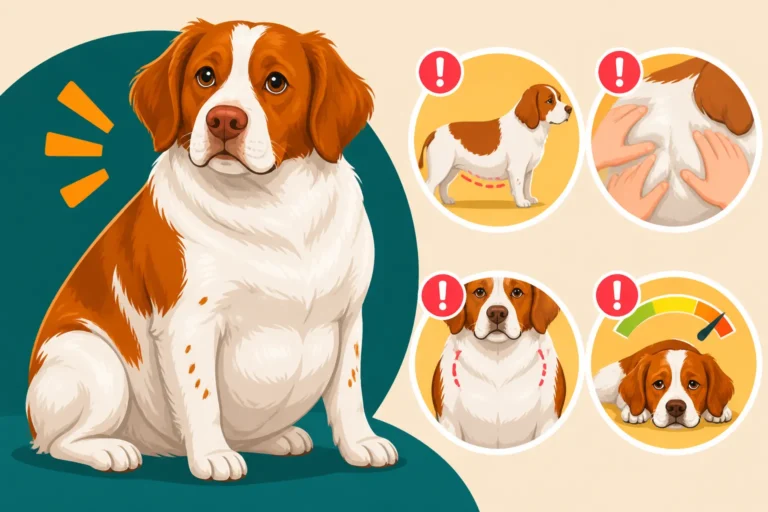
This is, hands down, the biggest concern for free-fed Brittanys. Despite their high metabolism, if food is always available, many Brittanys will overeat. This isn't a moral failing on their part; it's simply their instincts kicking in. Constant access to calories that aren't consistently burned off through rigorous exercise inevitably leads to weight gain. Obesity in dogs, just like in humans, comes with a litany of health problems. It puts immense strain on their joints, exacerbating issues like hip dysplasia – a concern we already monitor in Brittanys, as discussed in How Common Hip Dysplasia Is in Brittany Spaniels. Beyond joint problems, obesity increases the risk of heart disease, diabetes, certain cancers, and even reduces overall lifespan. When you consider Signs a Brittany Is Overweight, you'll see how easily those extra pounds can creep on when a bowl is always full.
Behavioral Issues
Free feeding can foster several undesirable behaviors. Resource guarding, as mentioned, can become a problem if there are other pets, or even just people in the household. The dog might feel the need to "protect" their constant food source. It can also lead to picky eating; if a dog knows food is always available, they might skip meals or only pick at their favorites, leading to an unbalanced diet. Conversely, some Brittanys become intensely focused on the food bowl, developing anxiety around its level and becoming pushy or demanding.
Hygiene and Pest Control
Leaving kibble out all day, especially in humid environments, can lead to it becoming stale, absorbing moisture, or even attracting pests like ants, mice, or other critters. This isn't just unpleasant; it can be unhygienic for your dog and for your home. You don't want your Brittany accidentally ingesting something that's gone bad or sharing their meal with unwanted guests.
Medical Monitoring
One of the most valuable insights into your dog's health is their appetite. A sudden change in how much your Brittany is eating, or a complete refusal of food, is often one of the first indicators that something is medically amiss. With free feeding, it's nearly impossible to accurately track how much your dog has consumed, making it difficult to detect subtle changes in their eating habits. This can delay critical veterinary intervention when time might be of the essence. Regular veterinary check-ups, including discussions around diet and weight, are essential, and the information gleaned from structured feeding can be incredibly helpful for things like What a Brittany's Yearly Bloodwork Should Cover.
Training Challenges
Food is a primary motivator in dog training. If your Brittany always has access to food, its value as a reward diminishes significantly. Training commands like "sit," "stay," or a reliable recall are much easier to teach when your dog is motivated by the promise of a tasty treat or a portion of their meal. Free feeding can strip you of one of your most powerful training tools, making it harder to shape desirable behaviors and reinforce good manners.
Practical Alternatives to Free Feeding for Your Brittany
Given the challenges of free feeding for an energetic breed like the Brittany, structured meal times and creative feeding solutions are almost always the better choice. These methods support their physical health, mental well-being, and even strengthen your bond.
Structured Meal Times and Portion Control
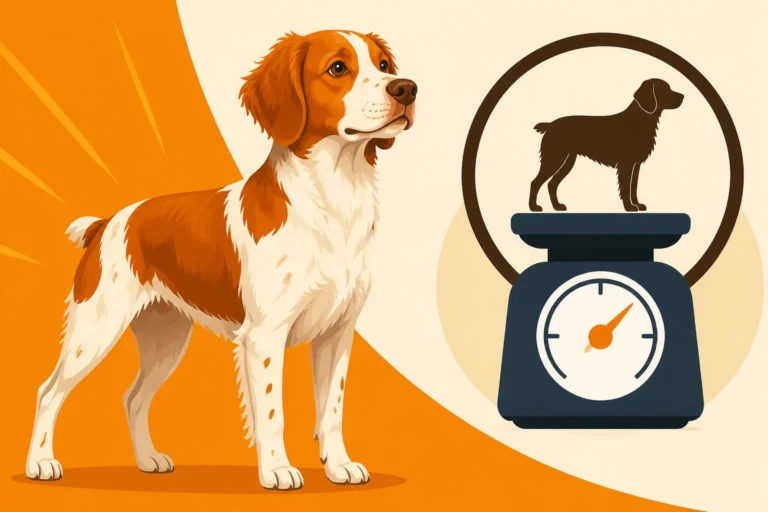
This is the gold standard for most dog owners, and especially for Brittanys. Aim for two, or sometimes three, scheduled meals a day. This consistency helps regulate your dog's digestion, keeps their metabolism steady, and makes it much easier to manage their weight.
To figure out the right portion size, start with the guidelines on your chosen dog food bag. These typically provide a range based on your dog's weight. However, remember these are just starting points! A Brittany that's actively hunting or getting vigorous exercise for hours a day will need more calories than a Brittany who enjoys leisurely walks and couch cuddles. It's a good idea to consult your veterinarian to determine the precise caloric needs for your specific dog, taking into account their age, activity level, and any underlying health conditions. We have a great article on How Many Cups a Day an Adult Brittany Eats that delves deeper into this.
The benefits of scheduled feeding are immense:
- Weight Management: You have direct control over caloric intake, making it much easier to keep your Brittany at a healthy weight. This is vital to prevent long-term joint and organ issues.
- Predictability: Dogs thrive on routine. Knowing when mealtime is coming reduces anxiety and can prevent begging behaviors.
- Health Monitoring: As mentioned, you'll immediately notice if your Brittany isn't eating, which is a crucial early warning sign for many health problems.
- Improved Digestion: Regular meals can help prevent issues like bloat, though Whether a Brittany's Deep Chest Risks Bloat is a factor to consider regardless of feeding schedule.
When selecting food, there are countless high-quality options available. Reputable brands can be found easily through online retailers like Chewy or Amazon, offering a wide variety to suit different needs and budgets. Some owners even opt for fresh-prepared foods, like those from Ollie, if they are looking for specific dietary benefits.
Interactive Feeders and Puzzle Toys
Even with scheduled meals, Brittanys benefit immensely from mental stimulation, and interactive feeders are a fantastic way to provide it while slowing down their eating. These tools make your dog "work" for their food, mimicking the natural foraging behavior that free feeding fails to satisfy.
- Slow Feeder Bowls: These bowls have ridges or obstacles that prevent your dog from gulping down their food too quickly. This helps digestion, reduces the risk of bloat, and makes mealtime last longer, providing a bit of mental engagement.
- KONGs and Treat-Dispensing Toys: You can stuff these toys with part of your Brittany's meal (wet kibble, canned food, or a bit of peanut butter mixed with kibble) and freeze them. Your dog will spend a good amount of time licking and working to get the food out. This is particularly great for keeping a Brittany occupied when you need them to settle down, perhaps after a long run.
- Puzzle Feeders: These come in various forms, requiring your dog to manipulate levers, slide panels, or flip compartments to access their food. They engage your Brittany's problem-solving skills and prevent boredom, which can lead to destructive behaviors.
By using these tools, you turn mealtime into an enriching activity, satisfying a Brittany's intelligent, working drive in a constructive way.
Incorporating Training and Enrichment with Food
Food is a powerful motivator, and scheduled meals open up a world of training and enrichment opportunities.
- Mealtime Manners: Use mealtime as a chance to reinforce basic obedience. Have your Brittany sit or lie down and wait for an "okay" cue before approaching their bowl. This teaches impulse control and reinforces your role as the provider.
- "Scatter Feeding": Instead of putting food in a bowl, scatter a portion of your Brittany's kibble across a clean area of your yard or inside on a snuffle mat. Your dog will use their incredible nose to find each piece, providing excellent mental and physical exercise. This is a fantastic activity for satisfying their natural desire to hunt and forage.
- Training Rewards: A portion of your Brittany's daily food allowance can be set aside and used as rewards during training sessions. This keeps them motivated and ensures they're still getting their full nutritional needs met. Whether it's basic obedience, retrieving, or even advanced field work, using food wisely helps cement positive associations. For high-value rewards, you might consider using a small portion of a special treat, or even a different, appealing food like that offered by Ollie, during particularly challenging training tasks.
Tailoring Feeding to Your Brittany's Lifestyle
There's no one-size-fits-all feeding plan, especially not for a breed with such a diverse range of activity levels as the Brittany. What works for one Brittany might not work for another, and what works during one season might not work in the next.
The Active Hunter vs. The Family Companion
The most significant factor influencing your Brittany's dietary needs is their activity level.
- The Active Hunter: A Brittany actively participating in hunting season, running hundreds of acres daily, requires a significantly higher caloric intake than a pet Brittany. Their bodies are constantly burning fuel, and they need a diet rich in protein and healthy fats to sustain that energy and recover from exertion. Many performance dog foods are formulated specifically for these needs. It's not uncommon for a working Brittany to need substantially more food in season, as explored in How Much More a Brittany Eats in Hunting Season. Their portions will need to be adjusted upwards, sometimes considerably, to prevent undesirable weight loss, as Whether a Brittany Loses Weight Over a Season can be a real concern.
- The Family Companion: Even a Brittany who is primarily a family companion needs regular, vigorous exercise. However, if their activity consists of daily walks and backyard play rather than intense field work, their caloric needs will be lower. Overfeeding this type of Brittany, especially if free-feeding, will almost certainly lead to weight gain. For these dogs, strict portion control based on their actual activity and body condition is crucial.
Seasonal adjustments are also key. During hunting season or periods of intense training, increasing food is often necessary. During the off-season or less active periods, portions should be slightly reduced to prevent excess weight gain.
Age and Specific Dietary Needs
A Brittany's life stage also plays a critical role in their nutritional requirements.
- Puppies: Growing Brittanys have intense caloric needs for development but need to grow at a steady, appropriate pace to protect their developing joints. They often benefit from more frequent, smaller meals throughout the day (e.g., three times a day) rather than two large ones. What a Brittany puppy eats needs to be carefully monitored. We delve into this more in What a Brittany Puppy Eats.
- Adults: Most adult Brittanys do well on two meals a day, with portions adjusted for activity.
- Senior Dogs: As Brittanys age, their metabolism can slow down, and their activity levels might decrease. An aging Brittany might need fewer calories to maintain a healthy weight, and sometimes a change to a senior-specific formula to support joint health and other age-related concerns, as discussed in Whether an Aging Brittany Needs Fewer Calories.
- Health Conditions: Any dog with a specific medical condition, such as kidney disease, allergies, or a sensitive stomach, will have very particular dietary requirements. Free feeding makes it incredibly difficult to manage these needs, as precise portioning and consistent access to specific food are often vital for their treatment plan.
In all these scenarios, your veterinarian is your best resource. They can help you craft a tailored feeding plan that accounts for your Brittany's individual needs, ensuring they receive the optimal nutrition to thrive throughout their life.
| Feature | Free Feeding for Brittanys | Scheduled Feeding for Brittanys |
|---|---|---|
| Convenience | High for owner (fill bowl once) | Moderate (requires consistent meal times) |
| Obesity Risk | High due to overconsumption instinct | Low if portions are controlled and appropriate |
| Behavioral | Potential for resource guarding, picky eating, anxiety | Promotes routine, reduces anxiety, enhances training |
| Health Monitor | Difficult to track appetite changes | Easy to spot changes in eating habits, crucial for health |
| Training Value | Low; food's value as a motivator diminishes | High; food is a powerful reward for positive reinforcement |
| Hygiene | Food can become stale, attract pests | Fresh food at each meal, less attractive to pests |
| Digestion | Risk of bloat from gulping, irregular digestion | Better regulation, reduces risk of digestive upset |
| Weight Control | Challenging to maintain ideal body condition | Straightforward to manage and adjust for activity |
Ultimately, while the thought of free feeding might seem like a simple solution, it rarely aligns with the specific needs and instincts of a Brittany Spaniel. Their high energy, intelligent drive, and opportunistic nature make them prone to overeating and the health issues that follow. By opting for a structured feeding plan, utilizing interactive feeders, and leveraging food as a tool for training and enrichment, you provide your Brittany with not just sustenance, but a foundation for a long, healthy, and happy life.
Disclaimer
This article is for general informational purposes only and does not constitute professional advice. Laws, prices and regulations vary by location and change over time. Consult a qualified professional for guidance on your specific situation.