How Much Water a Brittany Drinks a Day
One of the most common worries for Brittany owners, especially those new to the breed or just starting their first hunting season, is making sure their spirited companion is drinking enough water. It’s not always obvious how much water is "normal" for a dog that can go from zero to sixty in a blink, and inadequate hydration can quickly lead to serious problems, especially out in the field. This guide aims to demystify your Brittany's daily water needs, helping you understand the many factors at play and how to ensure your loyal bird dog stays happy, healthy, and perfectly hydrated.
The Basics: What Influences Your Brittany's Thirst
Figuring out exactly how much water your Brittany needs each day isn't as simple as checking a chart. While there are general guidelines, a Brittany isn't a static creature; their needs fluctuate wildly based on a variety of factors. What's perfectly fine for a lazy Sunday afternoon might be dangerously insufficient for a rigorous hunt. Understanding these influences is key to becoming a truly observant and proactive owner.
Activity Level and Energy Output
This is, without a doubt, the biggest variable in your Brittany's daily water consumption. A Brittany that's primarily a companion animal, enjoying leisurely walks and backyard play, will have vastly different hydration needs than one that's tearing through briar patches for birds all day. For working Brittanys, especially during hunting season, their bodies are burning through calories and expelling heat at an incredible rate, all of which demands a significant increase in water intake. Think of it like a human athlete: a marathon runner drinks far more than someone walking a mile. Your Brittany is an athlete, and their hydration must match their exertion.
On an average day, a Brittany might drink around 1 to 2 cups of water per 10 pounds of body weight. So, for a 40-pound Brittany, that's roughly 4 to 8 cups, or 32 to 64 ounces. But once they hit the field, that number can easily double or even triple. A Brittany running hard, quartering fields, and pointing birds for hours isn't just exerting energy; they're panting to cool themselves, which means rapidly losing water vapor. This is why hydration strategies for hunting are so crucial. It’s not just about offering water at breaks; it’s about understanding the metabolic demands and proactive replenishment. For more specific guidance, you might find How Much Water a Brittany Should Drink on a Hunt particularly helpful.
Diet and Hydration from Food
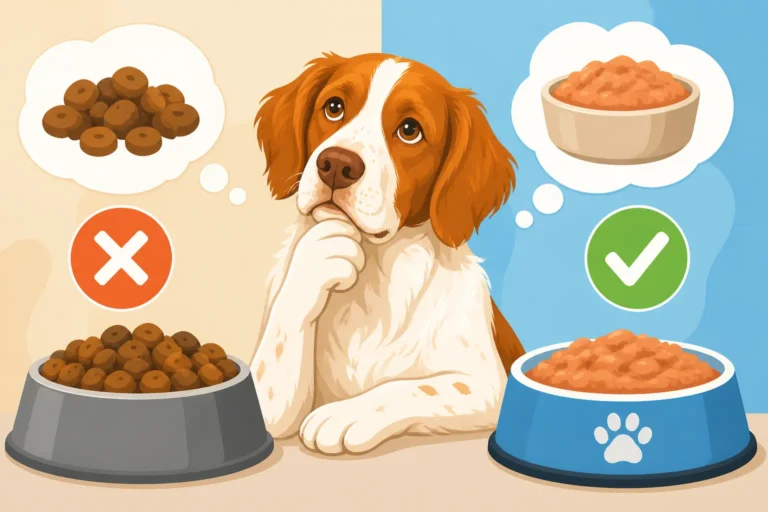
The type of food you feed your Brittany also plays a surprisingly significant role in their overall hydration. Dry kibble, by its very nature, has a low moisture content—often less than 10%. This means your Brittany needs to get almost all of its necessary water from drinking. If your dog is on a high-quality dry kibble, like many performance formulas found on Chewy, they'll naturally drink more water throughout the day to compensate for the lack of moisture in their diet.
On the other hand, if you feed a diet with a higher moisture content, such as wet food, fresh cooked food from a brand like Ollie, or even adding water or broth to their kibble, your Brittany might drink noticeably less from their water bowl. This isn't necessarily a bad thing; it just means they're getting a portion of their hydration through their meals. Some owners swear by adding a bit of water to their Brittany's dinner, especially during hunting season, to ensure an extra boost of hydration without forcing extra trips to the water bowl. It's an easy way to sneak in some vital fluids, and many Brittanys seem to enjoy the slightly softened kibble.
Environmental Factors: Heat, Humidity, and Cold
Just like us, a Brittany's thirst is heavily influenced by the environment. Hot and humid conditions are a double whammy for dogs. The heat increases their body temperature, requiring more panting to cool down, and the humidity makes evaporative cooling less efficient, meaning they have to pant more to achieve the same cooling effect. This translates directly to a much higher water demand. Leaving your Brittany without adequate water on a hot day, even just in the backyard, can be dangerous. Knowing the Signs a Brittany Is Overheating in the Field is vital, and a key prevention is constant access to water.
Conversely, while often overlooked, cold weather also necessitates good hydration. Dogs might not pant as much, but the dry winter air can still lead to fluid loss. Plus, running in snow or cold water requires energy expenditure, and a dog's metabolism is working hard to stay warm. Even in freezing temperatures, your Brittany will still need regular access to fresh, unfrozen water. Don't assume that because it's cold, they don't need to drink as much. And for water retrieves, especially in chilly conditions, you might wonder Whether a Brittany Shivers After a Retrieve, which can indicate energy loss and a need for warmth and hydration afterward.
Monitoring Your Brittany's Water Intake and Health
Since there's no single magic number for daily water intake, the real skill lies in monitoring your individual Brittany and understanding what's normal for them. This means paying attention to their habits, knowing the warning signs, and employing smart strategies to encourage healthy hydration.
Recognizing Normal vs. Excessive or Insufficient Drinking
A healthy Brittany will have a pretty consistent drinking pattern. You'll notice them visit the water bowl a few times throughout the day, perhaps after a play session, a meal, or a nap. The key is consistency for your dog. If your Brittany suddenly starts drinking significantly more than usual, almost obsessively, it could be a sign of an underlying health issue such as kidney disease, diabetes, or even a simple urinary tract infection. Similarly, a sudden decrease in thirst, especially alongside lethargy or loss of appetite, is a red flag for dehydration or illness.
It's a good practice to observe how much water you put out and how much disappears over a 24-hour period, especially if you have concerns. While not precise, it gives you a baseline. For instance, if you usually fill a 64oz bowl twice a day, and suddenly it's empty three times, that's a change worth noting. Remember, a Brittany is an active breed, and even a slightly Under Exercised Brittany Ends Up in Rescue because of behavioral problems, but also their physical health can suffer if not managed properly. Regular vet check-ups, including What a Brittany's Yearly Bloodwork Should Cover, can often catch health issues that affect thirst early on.
Tools and Techniques for Encouraging Hydration
Sometimes, our Brittanys need a little nudge to drink enough. This is especially true when they are distracted by exciting scents in the field or simply aren't feeling well. Simple tools can make a big difference. For home, consider a larger, heavier ceramic or stainless steel bowl that won't tip over and is easy to clean. You can even find elevated bowls on Amazon that some dogs find more comfortable. For adventures, a collapsible silicone bowl or a dog-specific water bottle with an attached drinking trough is invaluable. These are easy to toss in your hunting vest or backpack and ensure you always have a way to offer water.
Beyond the bowls, think about the water itself. Some dogs are picky. Filtering tap water can sometimes encourage them to drink more if your tap water has a strong chemical taste. You can also try adding a tiny bit of low-sodium chicken broth to their water to make it more appealing, especially when trying to get them to drink after a long run. Another excellent technique, as mentioned earlier, is simply adding water to their regular food. If you are feeding a performance diet, especially if considering Whether a Working Brittany Needs a Performance Food, these foods can be quite dry, and adding water can both aid digestion and boost hydration.
When to Worry: Signs of Dehydration or Overhydration
Dehydration is a serious concern for an active breed like the Brittany. Early signs include lethargy, sunken eyes, dry gums, and a loss of skin elasticity (if you gently pull up the skin on their back, it will be slow to return to its normal position). If your Brittany is showing these signs, it's an emergency, and they need veterinary attention immediately. Severe dehydration can lead to organ damage and heatstroke.
Less commonly, overhydration can also be an issue, though it's usually only seen in extreme circumstances like a dog compulsively drinking large amounts of water after intense exercise without proper electrolyte balance. This can lead to hyponatremia (low sodium), which can cause swelling of the brain and other serious neurological symptoms. However, for most Brittany owners, the concern is overwhelmingly on the side of underhydration, particularly during strenuous activity. Always offer water in sensible amounts, allowing them to drink their fill but not forcing excessive intake.
Practical Tips for Keeping Your Brittany Hydrated
Being proactive about your Brittany's hydration means having a plan, both for daily life and especially for those intense hunting excursions. Consistent access, quality water, and a keen eye for their individual needs are your best tools.
Hydration Strategies for Active and Hunting Brittanys
For the hunting Brittany, hydration is a strategic endeavor. It starts before you even leave the house. Ensure your dog is well-hydrated in the days leading up to a hunt. On the day of the hunt, offer water before you head out. In the field, regular water breaks are non-negotiable. Don't wait until your dog is panting heavily and slowing down; offer water every 30-45 minutes, or more frequently in hot weather. Even if they only take a few laps, those small sips add up and help prevent dehydration.
Many experienced hunters carry a dedicated field water system. This could be a large jug of water in the truck with a communal bowl, or a personal water bottle and collapsible cup that you carry with you. Brands like Chewy offer a range of portable hydration solutions, from foldable bowls to specialized water bottles. Remember that dirty, stagnant water from puddles or ponds can harbor parasites like Giardia, so always aim to provide clean, fresh water from your supply. Whether a Brittany Gets Giardia From Field Water is a very real concern, and proper water sourcing is a simple preventative measure. Over the course of a long day, perhaps How Long a Brittany Can Hunt in a Day, these frequent, clean water breaks are paramount. And don't forget the post-hunt hydration! Once they're back at the truck, give them a good, long drink, but not so much that they gorge themselves, which could potentially contribute to bloat, though Brittanys are less prone to it than some larger breeds. Planning for What a Brittany's Field Water Setup Costs is a wise investment in your dog's health.
Everyday Hydration for the Companion Brittany
Even if your Brittany isn't a dedicated hunting dog, their energetic nature means they still need consistent access to fresh water throughout the day. Place water bowls in multiple locations around your home, especially if you have a larger house or multiple floors. This ensures that no matter where your Brittany settles down, a drink is always within easy reach. Keep the bowls clean, washing them daily to prevent bacterial growth and slime buildup, which can deter some dogs from drinking.
Consider investing in a pet drinking fountain. Many dogs are fascinated by moving water and may drink more from a fountain than from a still bowl. This can be a great option for a Brittany that might otherwise be a reluctant drinker. During warmer months, you might even put out an extra bowl outside in a shady spot. Fresh water, consistently available, is the simplest and most effective way to ensure your companion Brittany stays properly hydrated.
Water Quality and Access
The quality of the water you provide is just as important as the quantity. Just like you wouldn't drink dirty, stagnant water, neither should your Brittany. If your tap water is heavily chlorinated or has an unpleasant taste, consider using a filtered water pitcher or a pet fountain with a built-in filter. This can sometimes make the water more appealing to picky drinkers and removes impurities.
Always ensure the water is fresh. Don't leave water sitting out for days on end, especially in warm weather, as it can quickly become a breeding ground for bacteria and algae. During the winter, if you have outdoor water bowls, be vigilant about checking for ice. Heated water bowls are an excellent solution for preventing freezing, ensuring your Brittany always has access to liquid water even on the coldest days. Especially for What Changes in an Aging Brittany, ensuring easy and comfortable access to water can make a big difference in their daily comfort and health.
Brittany Water Intake Factors at a Glance
| Factor | Effect on Water Intake | Recommendations |
|---|---|---|
| Activity Level | High activity (hunting, intense play) significantly increases needs. Low activity reduces needs. | Provide frequent water breaks during exercise. Carry portable water. Match intake to exertion. |
| Temperature | Hot/humid weather increases needs due to panting for cooling. Cold weather still requires consistent access due to dry air. | Offer extra water on warm days. Ensure unfrozen water in winter. Be aware of Signs a Brittany Is Overheating in the Field. |
| Diet Type | Dry kibble increases drinking needs. Wet food/raw food provides more moisture, reducing drinking from bowl. | Add water or broth to dry kibble. Consider higher moisture content foods. Check brands like Ollie for fresh food options. |
| Health Status | Certain conditions (kidney disease, diabetes) increase thirst. Illnesses (vomiting, diarrhea) cause dehydration. | Monitor for sudden changes in thirst. Consult vet for excessive or insufficient drinking. Regular check-ups with bloodwork can help catch issues. |
| Age | Puppies and very old dogs might have slightly different needs or require more frequent, smaller offerings. | Ensure constant access for puppies. For seniors, make water easily accessible to account for mobility issues. |
| Size/Weight | Larger/heavier dogs generally need more water. Rule of thumb: 1-2 cups per 10 lbs body weight. | Adjust general guidelines based on your Brittany's specific size. |
Ultimately, your Brittany's water intake is a dynamic figure that responds to their environment, activity, and health. By understanding these factors and paying close attention to your individual dog, you can ensure they remain perfectly hydrated, ready for whatever adventure comes next.
Disclaimer
This article is for general informational purposes only and does not constitute professional advice. Laws, prices and regulations vary by location and change over time. Consult a qualified professional for guidance on your specific situation.