How to Tape a Brittany’s Foot in the Field
There are few things more heartbreaking for a Brittany owner than seeing your tireless hunting partner suddenly pull up lame in the field, lifting a paw, and looking at you with those worried, intelligent eyes. A paw pad injury can bring a fantastic day of bird work to an abrupt halt, and knowing how to quickly and effectively tape your Brittany's foot right there and then can make all the difference in getting them safely home and minimizing further damage. This guide will walk you through the practical steps to handle such an emergency, from recognizing the problem to applying a secure field bandage.
Recognizing a Foot Injury in the Field
When you're out in the field, surrounded by the rustling of dry leaves, the scent of game, and the eager energy of your Brittany, it's easy to get caught up in the moment. But a good handler always has one eye on their dog, not just for their performance but for any subtle changes that signal trouble. A paw injury can happen in an instant, and recognizing it quickly is key to effective intervention.
Immediate Signs to Look For
Sometimes, the signs are glaringly obvious. Your Brittany might let out a yelp, a sharp, quick sound that cuts through the quiet of the woods. Then you'll see them pull up short, perhaps holding a paw gingerly off the ground. If you're lucky enough to be hunting in snow or on wet ground, a tell-tale streak of blood might be left behind as they try to move. You might also notice them repeatedly licking at one particular paw, even when you've paused for a breather. This obsessive licking is usually a clear indicator that something isn't right on that foot. Don't ignore these overt signals; they are your dog's way of telling you they're in pain.
Less Obvious Indicators
Brittanys are tough, and they often try to push through discomfort, especially when their bird drive is high. This can make subtle injuries harder to spot. Keep an eye out for a slight, almost imperceptible change in their gait. Instead of their usual springy, ground-covering trot, they might be shifting their weight, taking shorter strides, or favoring one side. They might be less enthusiastic to range out, or seem hesitant when crossing certain types of cover they'd normally blast through. Sometimes, a quiet whimper or a low growl when they accidentally put weight on the injured paw is the only warning you get. Don't mistake a sudden slowdown or a moment of hesitation for fatigue; always check their paws if their behavior changes. Remember, early detection of a minor scrape can prevent it from becoming a debilitating gash. You can read more about Signs a Brittany's Hips Hurt to distinguish between joint and paw issues.
Common Causes of Paw Injuries
The field is a wonderful place for a Brittany, but it's also full of hazards for their sensitive paw pads. Stubble from harvested fields, sharp rocks hidden beneath sparse grass, and even jagged ice crusts in late season can all cause nasty cuts and abrasions. We've all seen dogs come back with burrs matted deep in their feathering, but those same prickly hitchhikers can embed themselves between paw pads, causing irritation and even infection if not removed. Another common culprit is simply overworking. On a long, hard hunt, especially if your Brittany isn't adequately conditioned, their pads can become raw and tender, making them susceptible to tearing. It's important to understand Why a Brittany Cuts Its Pads on Stubble so you can be prepared.
Essential Supplies for a Field First-Aid Kit
You wouldn't head into the field without your shotgun and shells, so why would you go without a well-stocked first-aid kit for your hunting partner? A few carefully chosen items can mean the difference between a quick fix and a trip to the emergency vet when you're miles from anywhere. Planning ahead is paramount, and thankfully, most of these items are readily available.
Must-Have Taping Materials
First and foremost, you need the right materials to create a stable, protective bandage. Vet wrap (also known as self-adhering bandage) is your best friend. It sticks to itself, not to your dog's fur, and provides compression and support. I always carry at least two rolls. Next, you'll need some sterile gauze pads. These are crucial for absorbing blood, cleaning wounds, and providing a soft layer directly over the injury. For securing the gauze and adding extra protection, a roll of medical adhesive tape (like a sturdy athletic tape) can be incredibly useful to create anchor strips. Lastly, a small pair of blunt-nosed scissors or trauma shears are essential for cutting tape and wrap without accidentally snipping your dog's fur or skin. You'd be amazed how often you need them for other things too, like cutting loose threads or tangled fishing line. Ensuring you have What a First Aid Kit for a Brittany Should Hold before heading out is critical.
Supporting Supplies
Beyond the basic taping materials, a few other items will significantly improve your ability to treat a paw injury effectively. A small bottle of saline solution (the kind used for contact lenses works great) is perfect for flushing dirt and debris from a wound without irritation. Antiseptic wipes or a small bottle of chlorhexidine solution can then be used to sterilize the area, reducing the risk of infection. For minor nicks or nail bed injuries that might bleed profusely, a small container of styptic powder is a lifesaver. This powder helps to clot blood quickly. And of course, a good pair of blunt tweezers is indispensable for removing thorns, splinters, or stubborn burrs from between pads. Consider packing some paw balm or wax as well, like Musher's Secret, for preventive measures. While not for immediate injury treatment, it can toughen pads over time. For more on preventing injuries, check out How to Toughen a Brittany's Pads.
Where to Source Your Kit
Building a comprehensive first-aid kit doesn't have to be complicated or expensive. Most of these items can be found at your local pharmacy, pet supply store, or online retailers. Amazon is a fantastic resource for bulk vet wrap, gauze, and even pre-made pet first aid kits that often include many of these essentials. You can also find high-quality antiseptic solutions and styptic powder there. Chewy is another excellent option, often carrying veterinary-grade supplies, including specific pet-safe antiseptic sprays and wound cleansers. If you're looking for specialized paw care products, such as paw wax or conditioning balms, brands like Ollie sometimes offer natural options that could be beneficial for long-term pad health and injury prevention. The key is to assemble your kit well before hunting season begins and check it regularly to ensure supplies haven't expired or run out.
Step-by-Step Guide to Taping a Brittany's Injured Paw
When your Brittany is hurting, every second feels like an hour. Having a clear, calm plan for taping their paw will help you manage the situation efficiently and get your dog more comfortable. It’s not about being a vet, but about providing immediate, effective support until you can get professional help.
Pre-Taping Assessment and Cleaning
First, find a safe, relatively clean spot to work. If you're in the middle of a thorny patch, move to a clear area under a tree. Gently but firmly hold your Brittany, speaking to them in a reassuring voice. They're likely in pain and possibly a bit agitated. Carefully examine the injured paw. Spread the toes wide and inspect each pad and the spaces between them. Look for cuts, punctures, thorns, or any foreign objects. If you find debris like a piece of glass or a deeply embedded thorn, use your blunt tweezers to remove it carefully. If it's something large or deeply lodged, or if your dog is in extreme pain, it might be best to stabilize the paw as best you can and head straight to a vet rather than risking further damage.
Once any debris is removed, clean the wound. Use your saline solution to flush out dirt and grime. Follow this with an antiseptic wipe or solution to disinfect the area. Blot the paw dry with a clean gauze pad. If there's active bleeding, apply gentle pressure with a sterile gauze pad for a few minutes. If it's a minor cut, a bit of styptic powder can work wonders to stop the flow. Remember, a clean wound is the first step to preventing infection. You can treat How to Treat a Brittany's Torn Pad but always consider vet care.
Applying the Padding and Wrap
Now for the actual bandaging. Place a sterile gauze pad directly over the wound. For extra cushioning, especially if the wound is on a main pad, you can layer a few gauze pads. To prevent pressure sores and ensure comfort, particularly between the toes, you can gently place small wisps of cotton or a thin layer of gauze in those spaces.
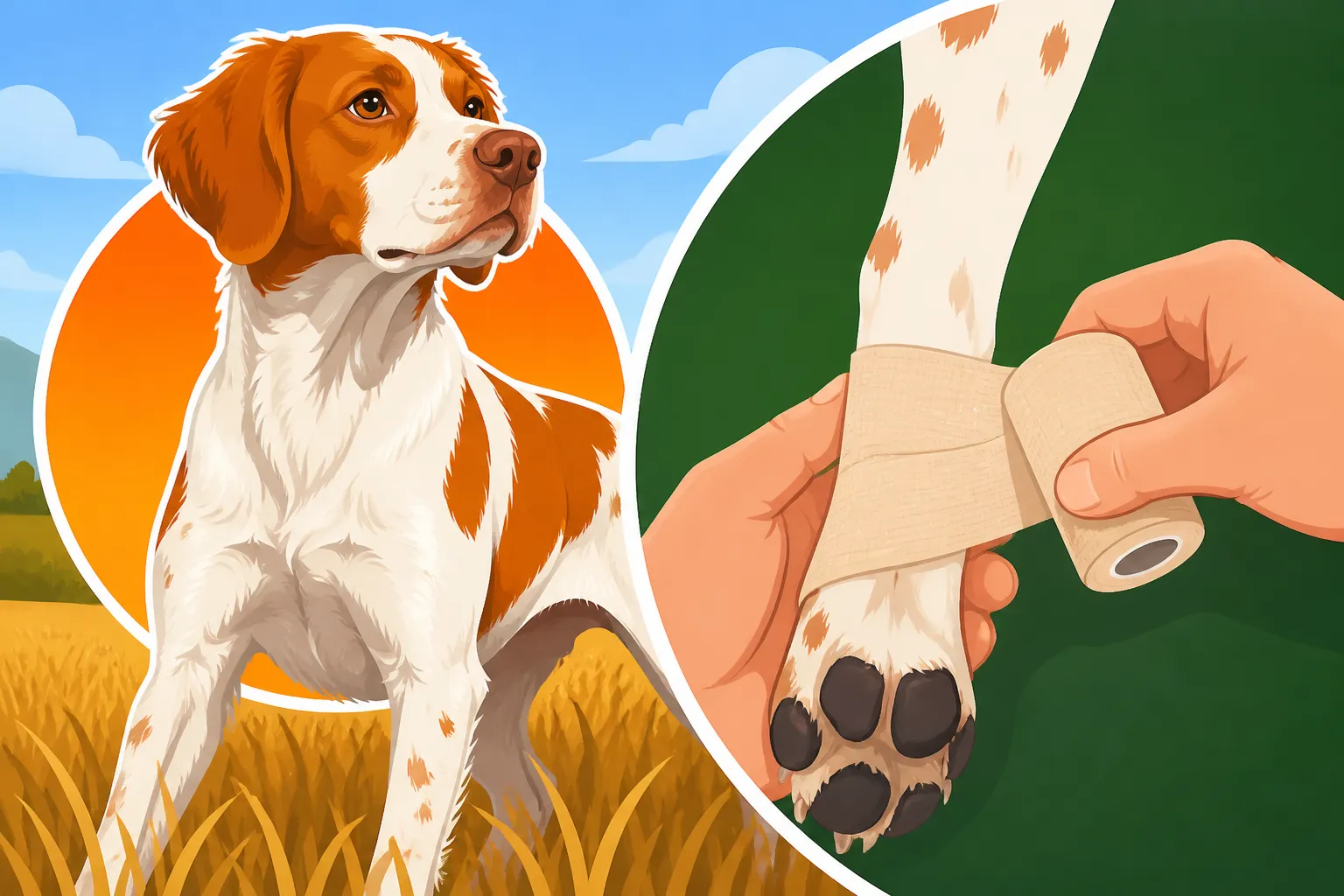
Next, take your vet wrap. Start by wrapping it just above the paw, around the narrowest part of the leg. This acts as an anchor. Do not pull it too tight; you should be able to comfortably slide two fingers under the wrap. Then, bring the wrap down under the paw, encasing the pads. Now, here's the crucial part: create a "figure-eight" pattern. Go around the paw, then loop up around the lower leg again, crossing over the top of the foot. This helps secure the bandage and prevents it from slipping off. Continue this figure-eight motion, overlapping by about 50%, working your way down to cover the entire paw and about an inch or two above the ankle. Ensure the vet wrap extends slightly beyond the tip of the toes to protect them. Crucially, leave the middle two toenails exposed if possible. This helps you monitor for swelling and ensures the wrap isn't too tight. Keeping a close eye on your dog after wrapping is important, and knowing How Often a Brittany's Pads Should Be Checked is good practice.
Securing and Finishing the Wrap
Once the paw is fully covered and the wrap feels secure but not constricting, tear off the vet wrap and press it firmly into place. Because vet wrap only sticks to itself, you might want to add a few strips of medical adhesive tape around the top and bottom edges of the wrap. This adds extra security, especially if your Brittany is a wiggler or will be covering more ground. Make sure the tape is also not too tight, just enough to prevent unraveling.
The finished bandage should cover the injured area, provide light compression, and stay put as your Brittany moves. Check the tightness immediately by trying to slide your fingers under the top edge; it should feel snug but not restrictive. Watch your dog for any signs of discomfort, excessive licking, or swelling above or below the bandage after a few minutes. If the wrap is too tight, it can restrict circulation, so always err on the side of slightly looser rather than too tight. Remember, this is a field repair to get you home, not a long-term solution. You might consider Whether a Brittany Needs Boots in the Field to protect the bandage or prevent future injuries.
Post-Taping Care and When to See a Vet
A field bandage is a temporary fix, a bridge to proper veterinary care. Once you've taped your Brittany's paw, your job isn't quite done. You need to monitor them closely and understand when a field repair simply isn't enough.
Monitoring Your Brittany
Even after a successful field taping, your vigilance needs to continue. Observe your Brittany carefully as you head out of the field. Are they walking more comfortably? Are they still favoring the paw, or is the bandage allowing them to put some weight on it? Once you're out of the field, remove the bandage, clean the wound again, and re-apply a fresh, clean dressing as soon as you can. This allows you to reassess the injury without the field's distractions. Check for any signs of swelling above or below the bandage, cold toes, or limping that has worsened. These can all indicate that the bandage is too tight or the injury is more severe than it appeared. It’s a good habit to thoroughly check your dog after every outing. For comprehensive care, remember to inspect not just paws but ears and coat as well. You can find more tips on What a Brittany Needs Within an Hour of a Hunt.
When a Field Repair Isn't Enough
While a well-executed field bandage can be a lifesaver, there are definitely times when it's just not enough, and immediate veterinary attention is crucial. If the cut is deep and wide, exposing muscle or bone, or if it's bleeding profusely and you can't get it to stop with pressure and styptic powder, you need a vet. Puncture wounds, especially if caused by something dirty like a rusty nail or a suspicious stick, carry a high risk of infection and should always be checked by a professional. If your Brittany is in extreme pain, won't bear any weight on the leg, or if you suspect a broken bone (unlikely from a paw pad injury, but possible if they fell awkwardly), don't delay. Also, keep an eye out for signs of infection in the days following the injury: redness, swelling, heat, pus, or a foul odor. What a Brittany's Field Injuries Cost in a Season can be substantial, and early veterinary intervention often reduces long-term complications and expenses.
Preventing Future Injuries
While accidents happen, you can take steps to minimize the risk of paw injuries for your Brittany. Regular conditioning is paramount. Strong, healthy paw pads are less likely to tear. Gradually increase the intensity and duration of runs on varied terrain throughout the off-season. Routinely trim the hair between your Brittany's paw pads; this prevents burrs, foxtails, and debris from getting matted and irritating the skin. Many owners use paw balms or waxes, particularly before hunts, to create a protective barrier and help toughen the pads. Brands often sell paw waxes for this purpose, available on platforms like Chewy or Amazon. Regularly inspecting your dog's paws, even when they aren't limping, is a great habit. Check them before and after every hunt, looking for cracks, tenderness, or embedded objects. You might even consider having your Brittany wear protective boots, especially in harsh terrain or extreme weather. While not every dog loves them, some adjust well, and they can offer excellent protection. Check out Whether a Brittany Needs Paw Wax for more protective measures.
Disclaimer
This article is for general informational purposes only and does not constitute professional advice. Laws, prices and regulations vary by location and change over time. Consult a qualified professional for guidance on your specific situation.