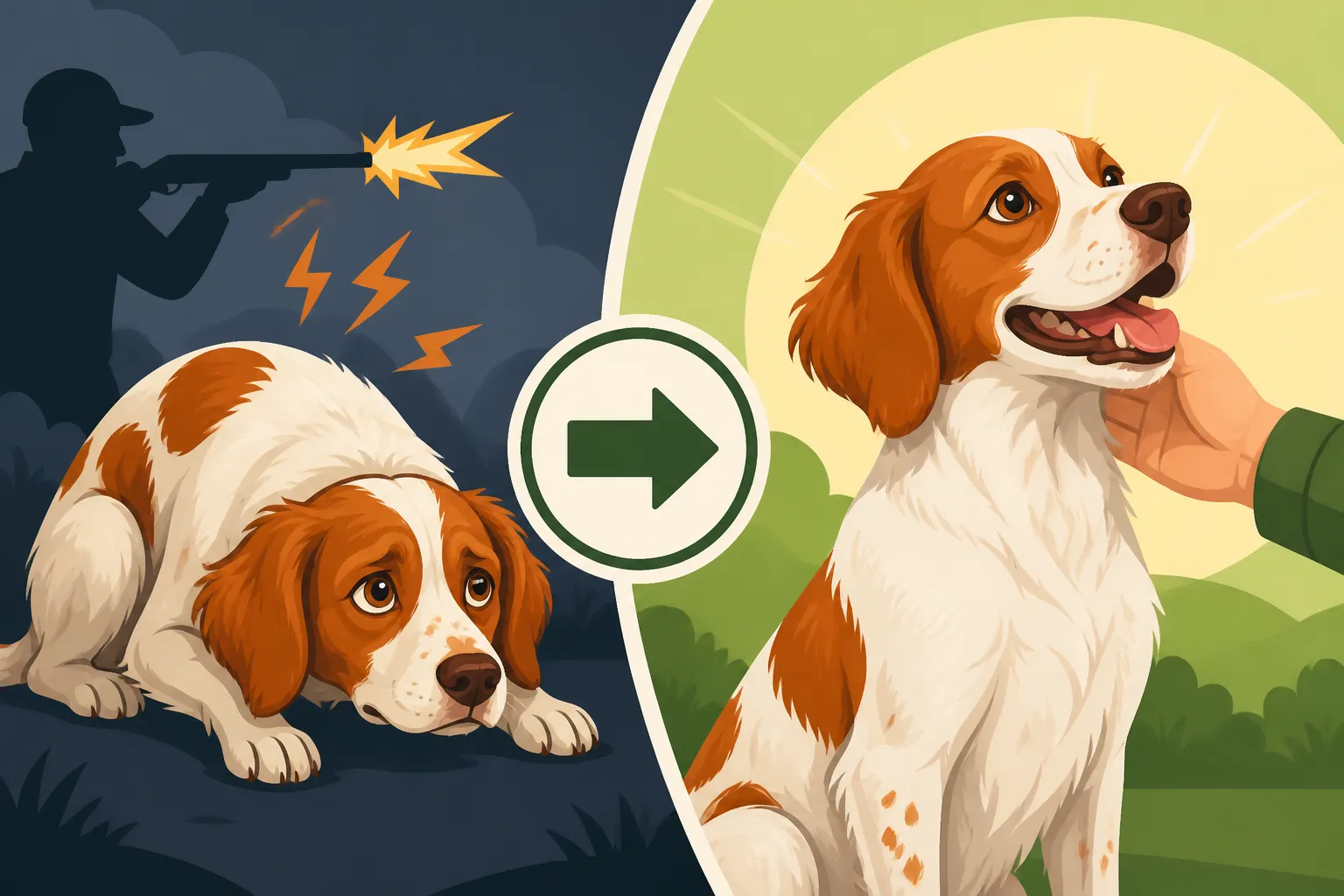
Whether a Gun Shy Brittany Can Be Fixed
It's incredibly disheartening, and frankly, heartbreaking, to witness your spirited Brittany – a breed born to hunt and thrive in the field – suddenly cower, shake, or bolt at the sound of a gun. The dream of a hunting partner can feel shattered when gun shyness rears its head, leaving you wondering if your dog will ever be able to enjoy the activity it was seemingly bred for. This guide is dedicated to exploring the complex issue of gun shyness in Brittanys, diving deep into its causes, offering practical strategies for prevention, and, most importantly, discussing whether a gun-shy Brittany can indeed be rehabilitated to confidently work alongside a firearm.
Understanding Gun Shyness in Brittanys
Gun shyness isn't just a mild dislike of loud noises; it's a profound fear response that can severely impact a dog's well-being and, for a hunting breed like the Brittany, its entire purpose. It manifests in various ways, and understanding these signs is the first step toward addressing the issue.
What Gun Shyness Looks Like
When a Brittany is truly gun shy, their reaction to the sound of a firearm goes far beyond a simple startled jump. You might see a range of behaviors, from mild anxiety to outright panic. Some dogs will tuck their tails, flatten their ears, and try to hide, perhaps under your legs or behind a truck tire. Others might begin shaking uncontrollably, drooling excessively, or even urinating or defecating out of sheer terror. The most extreme reactions involve a frantic attempt to escape, often breaking through fences, running away, or injuring themselves in their desperate bid to get away from the perceived threat.
Imagine a young Brittany, full of life and eager to please, experiencing its first proper shot. Instead of the excited bounce you hoped for, it slams on the brakes, spins around, and takes off for the truck, tail tucked low, eyes wide with fear. This isn't just an inconvenience; it’s a clear signal that something has gone wrong in its association with the sound. This kind of fear can quickly generalize to other loud noises, making everyday life a challenge, let alone a day in the field.
Why Brittanys Are Particularly Prone
Brittanys, as a breed, are known for their sensitive nature. While this "softness" makes them incredibly biddable and responsive to gentle training, it also means they can be more susceptible to negative experiences, especially concerning loud, sudden noises. This isn't a weakness; it's just part of their inherent temperament. They bond deeply with their owners and are often very tuned into their environment, which can make them hyper-aware of changes, including auditory ones.
Think about it: The Brittany Is the Softest of the Pointing Breeds. This sensitivity, combined with an intense prey drive, means that while they want to hunt, a single traumatic event can override that natural instinct with a deep-seated fear. Unlike some more stoic breeds, a Brittany is less likely to "tough it out" if a gun introduction goes awry. Their intelligence and keen senses mean they register and remember frightening experiences vividly, making careful introductions absolutely critical.
The Difference Between Gun Shyness and Sound Sensitivity
It's important to distinguish between true gun shyness and general sound sensitivity or a simple startle response. Almost any dog will react to a sudden, loud noise, especially if it's unexpected. This might involve a jump, a quick look around, or even a brief retreat. This is a normal, healthy startle reflex. Sound sensitivity might mean a dog is generally more reactive to everyday noises like thunder, fireworks, or a dropped pot, exhibiting some anxiety but not full-blown panic.
True gun shyness, however, is specifically tied to the sound of a firearm, and often generalizes quickly to similar sounds. A dog that is merely sound sensitive might be wary of a distant gunshot but could be brought around with patient desensitization to various loud noises. A gun-shy dog, on the other hand, exhibits profound fear, panic, and often a shutdown or escape response specifically when a gun is fired, even when the sound is expected or part of a training scenario. The distinction lies in the intensity, specificity, and profound behavioral change associated with the sound of a gun.
Causes and Contributors to Gun Shyness
Gun shyness doesn't typically appear out of nowhere. It's usually a result of specific experiences or an underlying predisposition. Understanding these root causes is crucial for both prevention and successful rehabilitation.
Traumatic First Experiences
The single biggest cause of gun shyness is a traumatic first introduction to gunfire. This often happens when a young, unprepared Brittany puppy or dog is exposed to a loud gunshot too close, too soon, or without proper positive association. It's a mistake easily made by eager new owners or even experienced handlers who might rush the process.
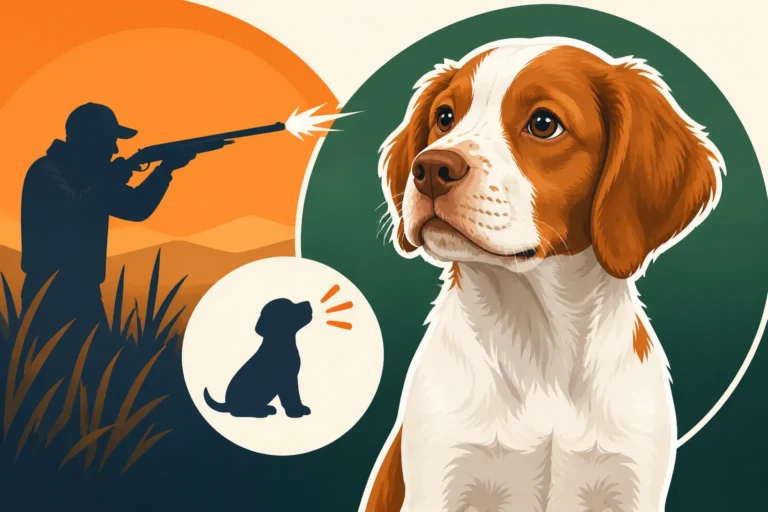
Imagine taking your four-month-old Brittany puppy, who's never heard a loud noise, to the duck blind on opening day. The first shotgun blast erupts directly overhead, shocking the puppy to its core. This sudden, overwhelming noise, combined with the vibrations and perhaps the smell of gunpowder, imprints a terrifying memory. From that moment on, the sound of a gun, or even the anticipation of it in a hunting environment, triggers a primal fear response. Why a Brittany Is Easy to Ruin With a Gun cannot be overstated in this context. A single, poorly managed incident can undo months of careful socialization and instill a fear that takes immense effort to overcome.
Genetic Predisposition and Temperament
While environment plays a huge role, genetics and an individual dog's inherent temperament also contribute significantly. Some Brittanys are simply born with a more nervous disposition or a heightened sensitivity to sound. These dogs are genetically predisposed to developing phobias more easily, and gun shyness is no exception. A puppy from parents known for being bold and steady might handle a less-than-perfect introduction better than a puppy from a line where shyness or nervousness crops up.
A reputable breeder will often screen their breeding stock for temperament, looking for dogs that are calm, confident, and stable, not just in the field but in everyday life. They understand that temperament is inherited and that a fearful parent is likely to produce fearful offspring. This is why choosing a puppy from a breeder who prioritizes sound temperament, alongside health clearances and hunting ability, is so incredibly important for preventing issues like gun shyness. If a puppy already shows signs of general shyness or anxiety, it's a huge red flag regarding its potential for gun shyness.
Environmental Factors Beyond the Shot
It's not always just the gun itself. Other environmental factors surrounding the traumatic event can exacerbate or contribute to gun shyness. Was the dog also in an unfamiliar or frightening location? Was it alone or with a handler it didn't fully trust? Was it physically restrained or unable to escape? These compounding factors can intensify the negative association.
For instance, a dog might be exposed to a gunshot in a crowded, chaotic training session where other dogs are reacting poorly, amplifying its own fear. Or perhaps the handler was stressed or angry, transferring that negative energy to the dog. Even the weather can play a role; a sudden, loud crack of thunder during a training session where a cap gun is being used could inadvertently link the two, making the dog fearful of both. It's the whole experience, not just the bang, that registers in the dog's mind. Similarly, a dog that has a What Triggers a Brittany's Seizure might also be more sensitive to loud noises if the seizure activity makes them generally more anxious or prone to overstimulation.
Early Intervention and Prevention Strategies
The absolute best way to deal with gun shyness is to prevent it from happening in the first place. Careful, thoughtful introduction to sounds and environments from a young age can build a resilient, confident gun dog.
Proper Introduction to Sound
The key to preventing gun shyness is a gradual, positive introduction to increasingly louder sounds, starting long before a real gun is ever fired. This process should begin when the puppy is very young, ideally between 8 to 16 weeks, during its critical socialization period. Start with very soft, distant noises, like clapping hands, dropping a plastic bowl, or even the sound of distant fireworks (if your puppy isn't already Whether Fireworks Make a Brittany Gun Shy).
The rule of thumb is this: the sound should never elicit a fear response. If your puppy startles, the sound is too loud or too close. The goal is for the puppy to barely notice the sound or, even better, associate it with something wonderful, like food or play. Use a cap gun, starting hundreds of yards away, always pairing the sound with high-value treats or an exciting game. Gradually, over weeks and months, you can decrease the distance and increase the volume, but only if the dog remains relaxed and happy. Remember, The Age a Brittany Should Hear Its First Shot should be done with extreme care and patience, not rushed.
Desensitization and Counter-Conditioning Methods
For puppies that show a bit of apprehension or for older dogs that haven't had proper introductions, desensitization and counter-conditioning are invaluable. Desensitization means gradually exposing the dog to the feared stimulus (gunfire) at a level they can tolerate, slowly increasing the intensity. Counter-conditioning means changing the dog's emotional response to that stimulus from negative to positive.
You might start by playing recordings of gunshots at a very low volume while your dog is happily eating a meal or playing with a favorite toy. Online resources or even apps can provide gun sound effects. As long as your Brittany remains relaxed, you can ever-so-slightly increase the volume over many, many sessions, always ensuring the dog stays below its fear threshold. The moment you see any signs of anxiety – ears back, tail tucked, tension – you've gone too far. Pair every sound, no matter how faint, with something incredibly positive. This might include high-value treats, enthusiastic praise, or a game of fetch. Many online puppy training programs, like those from BAXTER & Bella, emphasize positive reinforcement, which is exactly the foundation you need to build this confidence around sounds.
The Role of a Reputable Breeder
A responsible, reputable Brittany breeder is your first line of defense against gun shyness. They do more than just produce puppies; they actively work to set those puppies up for success. This includes early neurological stimulation, proper socialization, and careful exposure to various sounds and environments.
A good breeder will not only have health clearances for their dogs but will also be transparent about the temperament of their breeding pair. They'll ask you about your hunting plans and advise you on the best puppy in the litter for your specific goals, understanding that some puppies are naturally bolder than others. They'll also typically provide guidance on how to introduce sounds safely. When you choose a puppy from a breeder who has carefully vetted for temperament and started the socialization process correctly, you're getting a dog with a much stronger foundation, making it less likely to develop fear-based issues like gun shyness. Always ask about the parents' reactions to gunfire and how the puppies are socialized.
Methods for Rehabbing a Gun-Shy Brittany
If you find yourself with a Brittany that has already developed gun shyness, don't despair. While it requires immense patience and dedication, rehabilitation is often possible, especially if the shyness isn't severe. The approach must be gentle, systematic, and focused on rebuilding trust and positive associations. How to Rebuild a Gun Shy Brittany is a long road, but a worthwhile one.
Systematic Desensitization with Low-Level Sounds
This is the cornerstone of rehabilitating a gun-shy dog. It involves reintroducing gun-like sounds at a level so low that your dog barely notices it or shows no fear response whatsoever. You need to identify your dog's "fear threshold" – the point at which they start to show even the slightest sign of anxiety. You then work below that threshold.
Start with a cap gun or even a starter pistol, fired at a very significant distance (think hundreds of yards away), perhaps by a helper. Your Brittany should be engaged in a favorite activity, like eating, playing fetch, or getting a massage. The sound should be almost imperceptible to them. Gradually, over many, many sessions and days or weeks, you'll slowly decrease the distance or slightly increase the volume, only if your dog remains completely relaxed and happy. If they show any sign of anxiety, you've moved too quickly, and you need to go back to the previous, successful step. This process cannot be rushed. It’s about creating a new, positive emotional memory, one tiny step at a time. Many trainers advocate using remote launchers that you can trigger from a distance, allowing you to control the sound and timing perfectly. These can often be found on platforms like Amazon.
Positive Reinforcement and Association Building
Every step of desensitization must be paired with overwhelmingly positive experiences. This is where high-value treats, enthusiastic praise, and exciting play come into their own. The goal is to condition your Brittany to associate the sound of a gun, even a faint one, with something wonderful happening.
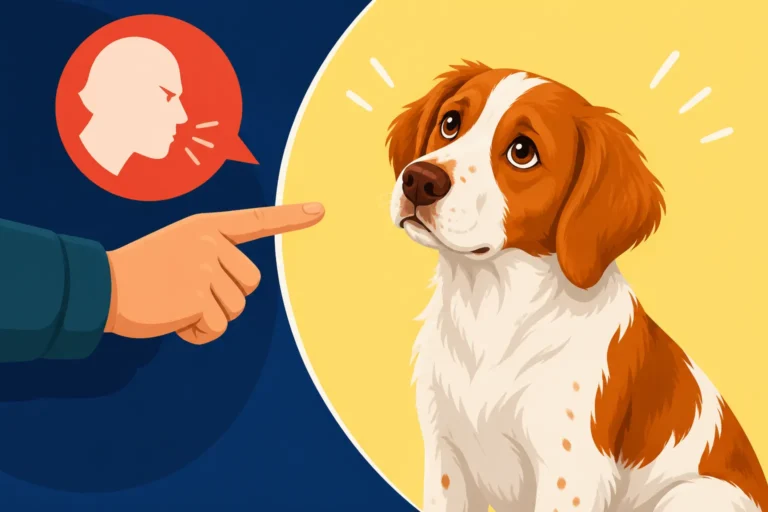
For example, when a distant cap gun fires, immediately give your dog a piece of cooked chicken or initiate a vigorous game of tug. The dog should think, "Oh, that little pop means good things are coming!" This is classic counter-conditioning. Consistency is key. Every single time a gun-like sound is introduced, it must be followed by a positive reward. You are literally rewiring your dog's brain to change its emotional response. Avoid any harsh corrections or punishment if your dog shows fear; this will only confirm its belief that the sound is indeed something to be feared and undermine your efforts. Remember, How Sensitive a Brittany Is to Correction means a gentle approach is paramount.
Using Training Aids and Tools
Several tools can aid in the rehabilitation process:
- Cap Guns/Starter Pistols: These produce a less intense sound than a shotgun and are excellent for gradual introductions.
- Remote Launchers: As mentioned, these allow precise control over when the sound occurs, helping you manage the desensitization process.
- Sound Machines/Apps: For initial desensitization, playing recordings of gunshots at controlled volumes in a safe, familiar environment can be very effective.
- E-collars (Vibrate/Tone Only): While controversial, some trainers use the vibrate or tone function (NEVER static stimulation for gun shyness) on an e-collar, paired with a positive reward, to create an association before sound is introduced, helping the dog understand a cue that precedes a noise, building predictability. Always introduce e-collars with a qualified trainer.
- Protective Ear Gear: For very sensitive dogs, once they are on the path to recovery, specialized ear protection can sometimes help reduce the impact of actual gunfire in the field, making the experience more comfortable. These are specifically designed for dogs and can be found online.
A detailed plan, often formulated with a professional, is vital. Here’s a brief comparison of approaches:
| Severity of Gun Shyness | Recommended Approach | Key Considerations |
|---|---|---|
| Mild (Startles, briefly retreats) | Gradual desensitization, consistent positive reinforcement, playful introductions to sound. | Focus on building confidence, ensure all experiences are overwhelmingly positive. |
| Moderate (Shakes, hides, tries to escape) | Systematic desensitization from extreme distances, counter-conditioning with high-value rewards. Professional guidance highly recommended. | Slow pace, avoid triggers at all costs initially, rebuild trust over months. |
| Severe (Panic, frantic escape, injury) | Intensive behavior modification with a certified professional behaviorist or gun dog trainer. Potentially medication. | May never fully overcome. Focus on management, safety, and a non-hunting life. Avoid field situations entirely. |
Challenges and Realities of Fixing Gun Shyness
While rehabilitation is often possible, it's crucial to approach it with realistic expectations. Fixing gun shyness is rarely a quick or easy process, and some dogs may never fully recover.
The Time and Patience Required
Rehabilitating a gun-shy Brittany is a marathon, not a sprint. It can take months, or even years, of consistent, patient work. There are no shortcuts, and rushing the process will almost certainly lead to setbacks. You need to be prepared for the long haul, dedicating time each day or several times a week to focused training sessions.
This means consistently setting up scenarios, often with a helper, to introduce sounds at the correct level, always pairing them with positive reinforcement. It means foregoing hunting seasons or even informal trips to the range if your dog isn't ready. The emotional toll on the owner can be significant too, as you witness your dog's fear and grapple with the slower pace of progress. It's a true test of patience and commitment, but the reward of seeing your Brittany overcome its fears can be immense.
Risk of Relapse and Setbacks
Even after significant progress, a gun-shy Brittany always carries a risk of relapse. A single negative experience – perhaps an unexpected loud bang too close, or a stressed environment – can quickly undo weeks or months of work. This is why vigilance and consistency are lifelong commitments for these dogs.
For example, you might have painstakingly worked your Brittany up to being comfortable with a distant .22 caliber shot. Then, an inexperienced friend fires a 12-gauge shotgun directly next to your dog, causing a full-blown panic. This can set your dog back to square one, or even worse, deepen the phobia. What a Brittany Does When It Is Corrected Too Hard is similar; a single harsh moment can scar a sensitive dog. It’s critical to control the training environment meticulously and never assume your dog is "cured." Maintenance training, even after recovery, is often necessary to reinforce positive associations.
Recognizing When Progress Stalls
There will be plateaus and moments when it feels like your Brittany isn't making any progress. It's vital to recognize these signs and adjust your approach rather than pushing forward. If your dog consistently shows fear at a certain level of sound or distance, it means you've hit their current limit. Pushing beyond this will only reinforce the fear.
When progress stalls, it's often a sign that you need to go back to an easier step, spend more time at the current level, or seek professional guidance. It might also mean evaluating if your expectations are realistic for that specific dog. Some dogs, due to severe trauma or genetic predisposition, may have a very limited capacity for recovery. Understanding this and being willing to accept that your Brittany might never be a field trial champion is part of responsible ownership. Sometimes, success means your dog can tolerate the sound of distant fireworks without panicking, not necessarily standing steady to wing and shot.
When to Seek Professional Help and Alternative Paths
For many owners, tackling gun shyness alone can be overwhelming. Knowing when to call in the experts and understanding that a hunting life might not be in the cards for every Brittany are important steps.
Consulting a Certified Gun Dog Trainer
If you're struggling to make progress or if your Brittany's gun shyness is severe, consulting a certified professional gun dog trainer or a behaviorist specializing in fear-based issues is highly recommended. These professionals have the experience, knowledge, and often the specialized equipment to assess your dog's specific needs and develop a tailored rehabilitation plan.
A good trainer can observe your dog's reactions, identify subtle signs of fear you might miss, and guide you through the desensitization process step-by-step. They can also provide a controlled environment for gun introductions and help you troubleshoot any issues that arise. They might use specialized tools or techniques that you wouldn't have access to on your own. When considering professional help, look for trainers who prioritize positive reinforcement and gentle methods, as harsh approaches will only worsen gun shyness in a sensitive breed like the Brittany. Programs like BAXTER & Bella also offer comprehensive online guidance that, while not a substitute for hands-on pro help for severe cases, can provide foundational positive training principles.
Veterinary Behavioral Consultations and Medication
In severe cases of gun shyness, especially those where the dog experiences extreme panic, a veterinary behaviorist might be the best course of action. These are veterinarians with advanced training in animal behavior, who can assess if underlying anxiety disorders are contributing to the gun shyness. They can prescribe anti-anxiety medications that can help lower your dog's overall stress levels, making them more receptive to behavioral modification training.
Medication is never a standalone solution; it's a tool to help create a window of opportunity for behavioral therapy to be more effective. By reducing the intensity of the panic response, the dog can learn more easily. This is a serious step, but for dogs living in constant fear, it can significantly improve their quality of life, whether they ultimately return to the field or not. They can also help determine if Whether a Thunderstorm Phobic Brittany Will Hunt is a related, overarching issue.
Embracing a Non-Hunting Life for Your Brittany
Perhaps the hardest reality for a Brittany owner is coming to terms with the possibility that their dog may never be a gun dog. If, despite your best efforts and professional help, your Brittany continues to exhibit profound fear of gunfire, the most compassionate choice might be to accept that a hunting life is not for them.
Brittanys are incredibly versatile dogs with many talents. They excel at agility, obedience, scent work, hiking, or simply being wonderful family companions. Redirecting their energy and intelligence into other activities can provide them with a fulfilling life free from the stress of gunfire. An Whether an Aging Brittany Still Wants to Hunt is often a sign of their enduring drive, but if fear outweighs that drive, it’s time to find alternative ways for them to thrive. Your Brittany's well-being and happiness should always come first. There's no shame in admitting that some fears are too deeply ingrained to overcome completely, and a dog free from chronic anxiety is far happier than one forced into a role it cannot comfortably fulfill.
Disclaimer
This article is for general informational purposes only and does not constitute professional advice. Laws, prices and regulations vary by location and change over time. Consult a qualified professional for guidance on your specific situation.