Whether a Brittany Forgives a Mistake
It's a common worry among us dog owners, isn't it? That moment when you realize you might have messed up, said the wrong thing, or acted out of frustration, and then you look at those soulful Brittany eyes and wonder: "Will they ever forgive me?" It’s a completely natural feeling, especially with a breed as intelligent and sensitive as our beloved Brittanys. This guide is all about diving deep into the Brittany's capacity for forgiveness, understanding how our actions affect them, and most importantly, how to mend those bonds and prevent future missteps.
Understanding the Brittany's Sensitive Nature
Anyone who's lived with a Brittany knows they are not your average tough-as-nails working dog. While they are certainly robust in the field, their emotional landscape is often described as "soft," and for good reason. This isn't a weakness; it's a fundamental part of their charm and biddability, but it also means our interactions with them carry more weight.
Why Brittanys Are Often Called "Soft"
Our Brittanys are renowned for their eagerness to please, their incredible desire to work with us, and their uncanny ability to pick up on our moods. This makes them wonderfully trainable, often seeming to anticipate our next command. However, this same sensitivity means they are highly reactive to harshness. A sharp word that another breed might shrug off can sting a Brittany deeply. They don't typically respond well to heavy-handed corrections or loud, angry tones. Their desire to cooperate can quickly shut down if they feel misunderstood or unfairly treated. It’s not that they are fragile, but rather that their emotional antennae are finely tuned to their human companions.
Think about it: when you raise your voice, you might see their ears droop, their tail tuck, or their whole body language change to a subtle cringe. They aren't trying to be defiant; they are often genuinely trying to understand what went wrong and how to fix it, even if we were the ones at fault. This "softness" is why building a positive, trust-based relationship is paramount with a Brittany.
How Brittanys Perceive Corrections
When we talk about corrections, it’s important to distinguish between guidance and punishment. Brittanys thrive on clear, consistent guidance delivered with a calm, confident demeanor. They are highly intelligent and learn quickly, especially when positive reinforcement is involved. However, when a correction crosses the line into something harsh or scary, a Brittany can internalize that experience much more profoundly than many other breeds.
They don't process things with human logic; they don't think, "Oh, my owner is just having a bad day." Instead, they form associations. A loud yell from you might become associated with the training exercise itself, or worse, with your presence. This can erode trust and make them hesitant to engage in future training. You might notice them avoiding eye contact, becoming less enthusiastic to retrieve, or even showing signs of fear when approaching you. This isn't "holding a grudge" in a human sense, but rather a memory of a negative association that impacts their willingness to trust. Many owners find themselves asking What a Brittany Does When It Is Corrected Too Hard and the answer often involves a dog that retreats emotionally, becoming less cooperative. This makes patience and understanding crucial when teaching them boundaries or new behaviors.
The Impact of Mistakes on Your Relationship
We all make mistakes. It’s part of being human. But when those mistakes involve our dogs, particularly a sensitive Brittany, the fallout can feel significant. Understanding the common missteps and recognizing the signs that your Brittany is affected is the first step toward healing and strengthening your bond.
Types of "Mistakes" Owners Might Make
There's a wide spectrum of owner mistakes that can impact a Brittany, from minor slip-ups to more significant errors in judgment. Sometimes it's accidental, like an unexpected loud noise or an inadvertent scolding when they were just being themselves. Other times, it might be a lapse in consistency in their training, leading to confusion. Perhaps you got frustrated during a training session and lost your cool, resulting in a harsh tone or an impatient yank on the leash. You might wonder What Happens When You Shout at a Brittany and observe them shutting down, rather than understanding.
Beyond training, not meeting a Brittany's profound needs for exercise and mental stimulation can also be a huge mistake. A bored or under-exercised Brittany might develop behavioral issues, like destructive chewing or excessive barking, which then leads to more owner frustration. Or perhaps you didn't properly introduce them to new experiences, inadvertently causing fear, such as with gun shyness. Imagine trying to introduce your Brittany to a gun for the first time without proper desensitization, and they spook. That's a mistake that takes significant effort to undo. All these scenarios, intentional or not, can create cracks in the trust between you and your dog.
Signs a Brittany Is Affected by a Negative Experience
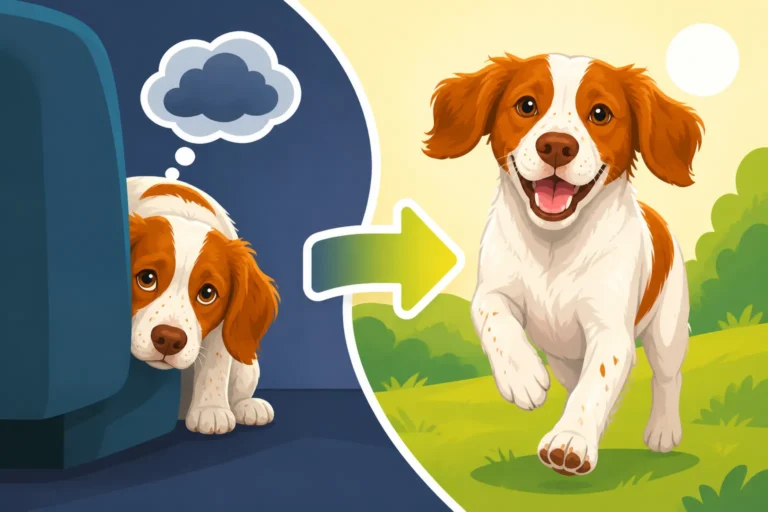
Recognizing that your Brittany is struggling after a negative interaction isn't always obvious, as they can be quite stoic. However, subtle changes in body language and behavior are usually excellent indicators. A Brittany who feels unfairly treated or scared might start cowering, ducking their head, or avoiding eye contact when you approach. Their tail, which is usually a happy, active flag, might be tucked low or held stiffly. They might become reluctant to engage in activities they once loved, like coming for a walk or playing fetch.
Behavioral changes can also manifest as withdrawal; they might spend more time by themselves, seemingly less interested in interaction. Some Brittanys might even start exhibiting displacement behaviors, like excessive licking, yawning, or sniffing the ground when stressed. If the mistake was related to a specific command or training area, they might show reduced enthusiasm, or even outright refusal, when asked to perform it again. For example, if you over-corrected them on whoa, they might hesitate to freeze on point next time. It's not necessarily that Whether a Brittany Sulks in the human sense, but rather that they are processing the negative experience and adjusting their behavior to avoid it. If they start acting out in other ways, like chewing forbidden items or having accidents indoors, it might signal that their needs aren't being met, and they're feeling stressed or anxious due to previous interactions or a lack of appropriate outlets for their energy. What an Under Exercised Brittany Does at Home can be an eye-opener for many owners, revealing how easily a Brittany's unmet needs can lead to problem behaviors and strained relationships.
Rebuilding Trust and Fostering Forgiveness
So, you've realized you made a mistake. The good news is that Brittanys, with their inherently biddable and affectionate nature, are generally very forgiving. But "forgiveness" isn't passive; it's something you actively rebuild through consistent, positive effort.
Strategies for Mending the Bond
The cornerstone of mending any relationship, especially with a Brittany, is positive reinforcement. You need to re-establish yourself as the source of all good things, making every interaction a positive one. This means lots of high-value treats (think tiny pieces of chicken or cheese), enthusiastic praise, and engaging play sessions. Whenever your Brittany approaches you, makes eye contact, or offers a desired behavior, reward it immediately and generously. This helps them form new, positive associations with you and your presence.
Consistency and patience are absolutely key. You won’t fix things overnight, especially if the mistake was significant. It's a marathon, not a sprint, and every single positive interaction chips away at the negative memories. Avoid getting frustrated or rushing the process; a calm, predictable environment is what your Brittany needs to feel safe again. If you're struggling, consider re-evaluating your training methods. Online resources or professional trainers who specialize in positive reinforcement can offer invaluable guidance. Platforms like BAXTER & Bella offer comprehensive online training programs that focus on building a strong, positive relationship, which can be immensely helpful if you're trying to reset.
Crucially, don't forget their core needs. A well-exercised, mentally stimulated Brittany is a happier, more resilient Brittany. Ensure they get ample physical activity, whether it's long walks, retrieving games, or field work. Mental stimulation through puzzle toys (easily found on Amazon), scent games, or short, fun training sessions can also do wonders. A dog whose needs are met is much less likely to revert to problematic behaviors and more open to re-establishing trust.
Practical Steps for Recovery
To actively foster that forgiveness, start with structured, short play sessions. Make them entirely about fun and connection. Use their favorite toys, keep the energy positive, and end before they get bored, always on a high note. This leaves them wanting more and reinforces the idea that time with you is enjoyable.
Hand-feeding some of their meals can be a powerful way to rebuild trust. It makes you the direct provider of sustenance and comfort, strengthening your bond. Sit on the floor, offer small portions from your hand, and speak softly to them. Establish calm, predictable routines for feeding, walks, and playtime. Predictability reduces anxiety and helps your Brittany feel secure in their environment.
It's also important to identify and avoid repeating any specific triggers that led to the original mistake. If a loud noise startled them, work on gradual desensitization in a controlled, positive way. If you realize your temper flared, take a break next time you feel frustrated. Remember, Whether a Brittany Reads Your Mood is definitely true; they are incredibly attuned to our emotional states, so your calm energy will go a long way. If destructive behaviors arise from anxiety or boredom, providing appropriate outlets like durable chew toys or interactive puzzle feeders (many great options are available on Amazon) can redirect that energy positively and alleviate stress, helping your Brittany relax and rebuild their sense of security.
| Mistake Type | Brittany's Typical Reaction | How to Remedy |
|---|---|---|
| Harsh Verbal Correction | Cowering, avoiding eye contact, shutting down | Soft tone, positive reinforcement, rebuild trust. |
| Inconsistent Training | Confusion, hesitant obedience, frustration | Clearer cues, consistent expectations, short positive sessions. |
| Not Enough Exercise/Mental Stimulation | Destructive chewing, excessive barking, hyperactivity | More physical activity, puzzle toys, scent work. |
| Accidental Scare (e.g., loud noise) | Fear, avoidance, withdrawal | Positive desensitization, calm reassurance, avoid triggers. |
| Neglect/Lack of Attention | Seeking attention negatively, depression | Structured play, hand-feeding, consistent interaction. |
Preventing Future Missteps
The best way to ensure your Brittany continues to be a happy, well-adjusted companion is to learn from past mistakes and implement proactive strategies. Prevention is always easier than remediation, especially with a sensitive breed.
Educating Yourself About Brittany Behavior
Continuous learning is vital for any dog owner, but particularly for those of us with Brittanys. They are a unique blend of intelligence, biddability, and sensitivity, and understanding these traits is key to avoiding miscommunications. For instance, knowing How Sensitive a Brittany Is to Correction helps you choose appropriate training methods from the start, leaning heavily on positive reinforcement rather than punitive measures.
Researching breed-specific characteristics can illuminate why your Brittany behaves the way it does. Their strong prey drive, for example, means they need appropriate outlets for hunting instincts, even if they aren't field dogs. Mental engagement is just as important as physical exercise; a bored Brittany is often a mischievous Brittany. Understanding these nuances helps you anticipate their needs and react appropriately, rather than getting frustrated by behaviors that are simply innate to the breed. The more you know about what makes a Brittany tick, the better equipped you'll be to communicate effectively and build a stronger, more trusting relationship.
Proactive Training and Socialization
Starting with a strong foundation of positive training and early socialization is invaluable. A well-socialized Brittany puppy, exposed to a variety of sights, sounds, people, and other friendly dogs in a positive way, is less likely to be fearful or reactive later in life. Puppy classes and structured exposure are excellent for this.
When it comes to training, remember that Brittanys thrive on short, fun, and frequent sessions. How Long a Brittany's Training Session Should Be is typically short, around 5-10 minutes, to keep them engaged and prevent boredom or frustration. Always end on a high note, even if it means asking for an easy command they know well and rewarding them lavishly. Consistency in your commands and expectations is also crucial; everyone in the household should be on the same page. This predictability creates a secure environment where your Brittany knows what’s expected of them.
Learning to read your dog's body language is arguably one of the most important skills you can develop. Brittanys communicate constantly through their posture, tail, ears, and eyes. Recognizing subtle signs of stress, discomfort, or confusion allows you to intervene before a situation escalates or before you inadvertently cause a negative experience. If you're ever in doubt, or if you feel your Brittany needs a little extra guidance, don't hesitate to seek out professional help. Many trainers offer positive reinforcement classes or one-on-one sessions tailored to sensitive breeds. Online resources, like the aforementioned BAXTER & Bella, also provide structured curricula and support to help you navigate everything from basic obedience to more advanced concepts, all while strengthening the bond with your beloved Brittany.
Disclaimer
This article is for general informational purposes only and does not constitute professional advice. Laws, prices and regulations vary by location and change over time. Consult a qualified professional for guidance on your specific situation.