The Age a Brittany Should Hear Its First Shot
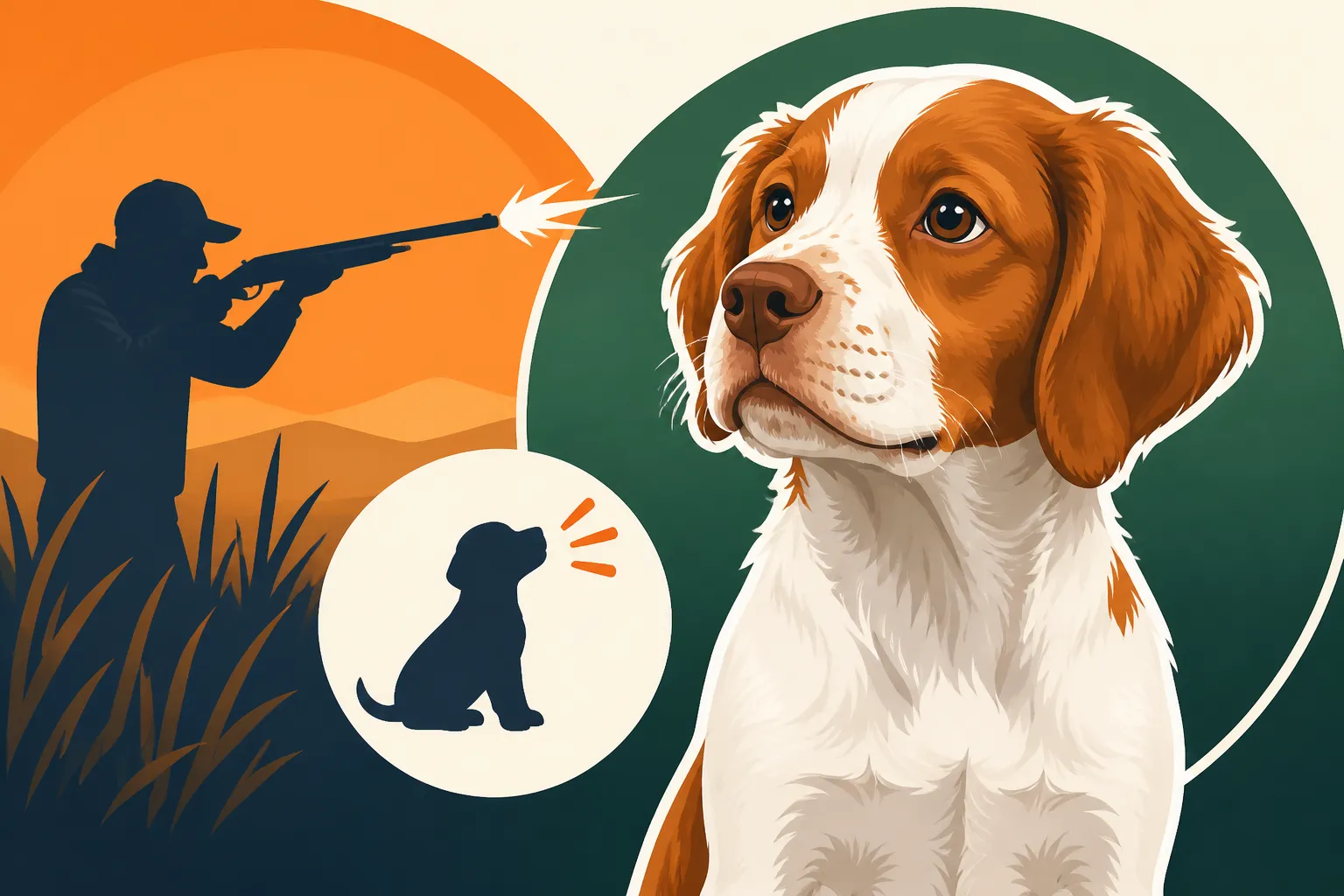
One of the most common anxieties for new Brittany owners, especially those dreaming of a bird dog, is how to introduce their eager puppy to the sound of gunfire without making them gun-shy. It’s a completely valid worry, as Brittanys are known for their intelligence and drive, but also for a certain sensitivity that can make a jarring first experience detrimental. This guide will walk you through the process, helping you understand the right age, methods, and precautions to ensure your Brittany grows into a confident, steady hunting companion.
Understanding the Brittany's Unique Sensitivity to Sound
It’s no secret that our beloved Brittanys are keen, intelligent dogs, but they also possess a particular sensitivity. This isn't a weakness; it's simply part of their character, influencing how they perceive and react to the world around them. When it comes to loud noises, like a gunshot, this sensitivity becomes a critical factor in their training.
The Brittany's Innate Nature and Noise
Brittanys are often described as "soft" dogs, which means they respond best to gentle, consistent training methods rather than harsh corrections. They are incredibly in tune with their surroundings and their handler's emotions. Their excellent hearing, a trait that makes them superb bird finders, also means they register sounds more acutely than some other breeds. Think about it: a sound that might be a mere "pop" to us can be an explosion to a dog with super-sensitive ears.
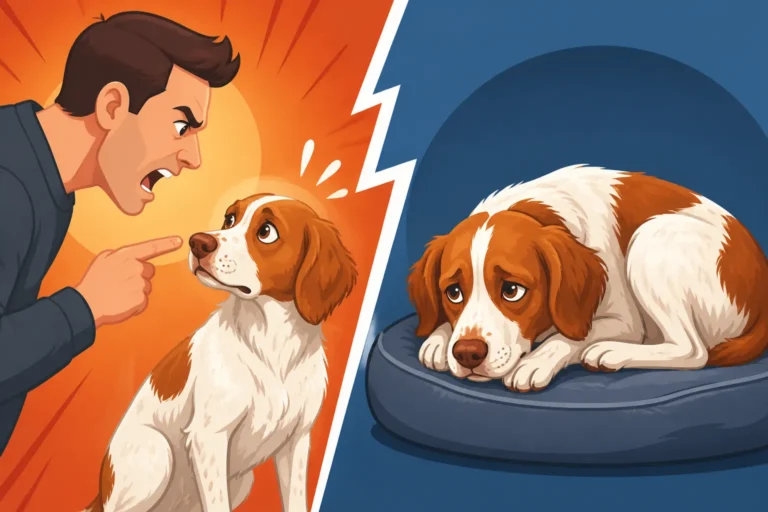
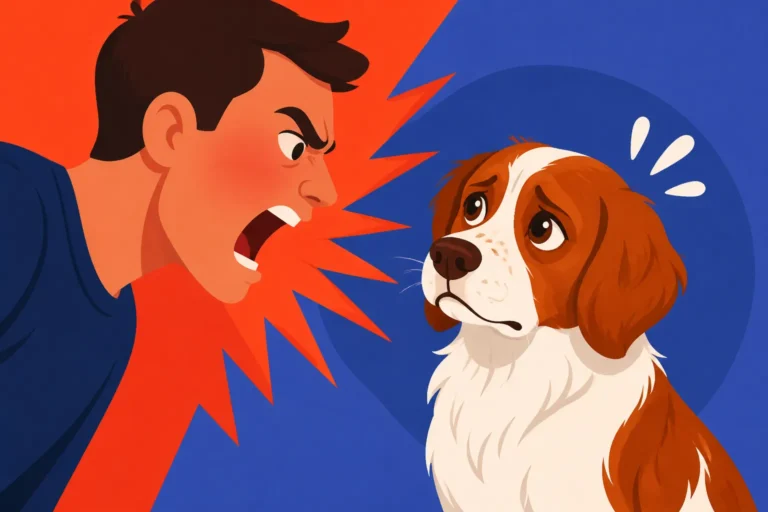
This innate nature makes them highly receptive to learning, but also vulnerable to negative experiences. A sudden, unexpected, and overwhelmingly loud bang can be genuinely terrifying for a young, impressionable Brittany puppy. It's not about being "scared" in a human sense; it's a primal fear response to something that feels threatening and inescapable. If you’ve ever seen a Brittany cower or bolt after a loud noise, you understand exactly what I mean. This sensitivity is precisely why an improper introduction to gunfire can lead to lifelong gun shyness. It's why we emphasize a gentle approach, far removed from the "tough love" methods some older trainers might have advocated. Remember, a Brittany thrives on cooperation, not coercion, and shouting or harsh handling will rarely yield the desired results. What Happens When You Shout at a Brittany often leads to a dog that shuts down, which is the last thing you want when trying to build confidence around a gun.
Why Early, Controlled Conditioning is Crucial
The period between eight weeks and six months is a critical window for a puppy's development. During this time, they form foundational impressions of the world. While you might not be introducing actual gunfire to a two-month-old, the groundwork for sound desensitization and confidence can begin much earlier. Exposing your puppy to a variety of everyday sounds, making them positive experiences, is an excellent start. Think vacuum cleaners, doorbells, clanging pots and pans, even car horns from a distance. The goal is to normalize unexpected sounds.
Controlled conditioning means you dictate the terms of the exposure: the volume, the distance, and the positive association. It’s about building a positive emotional response, or at least a neutral one, to loud noises before they ever encounter a real gunshot. This isn't just about preventing fear; it's about building resilience and trust. A well-socialized Brittany, confident in its environment and its handler, is much more likely to accept novel experiences, including the sound of a gun. This early work also ties into other fundamental training, ensuring your dog is responsive and focused, making the gun introduction smoother down the line. A strong bond and a foundation of basic obedience will serve you well when you move to more advanced training.
The Ideal Age and Gradual Introduction to Gunfire for Your Brittany
So, when exactly should your Brittany puppy hear its first shot? There's no magic number carved in stone, but most experienced trainers agree that a gradual, positive introduction usually begins when the puppy is around four to six months old, and is already showing a strong interest in birds. The key word here is gradual. You are building an association, not startling a pup.
Starting with Distant, Low-Volume Sounds
The absolute worst thing you can do is take a young, untrained Brittany out to the duck blind or the trap range and expect them to be fine. That's a recipe for disaster. Instead, the process needs to be methodical and indirect. You want the sound to be so far away and so low in volume that the puppy barely notices it, or associates it with something overwhelmingly positive.
Start with a cap gun or even just clapping your hands loudly from a significant distance – say, 50 to 100 yards away – while your puppy is intensely focused on something else, like a retrieved bumper or a released bird. The crucial part is that the bird or the retrieve is the primary focus, not the sound. The sound should be almost background noise, a distant punctuation mark to an exciting event. If your pup barely registers the sound, or better yet, seems even more excited about the bird because the sound happened, you're on the right track. This also happens naturally when you're getting your Brittany started on live birds, where their inherent bird drive takes over. The Age a Brittany Puppy First Points and begins to focus on birds is often a good indicator that they are mentally ready for this stage of sound introduction.
As your puppy consistently shows no negative reaction, and maintains focus on the birds, you can very, very slowly reduce the distance or slightly increase the volume of the sound. This might mean having someone fire a cap gun 75 yards away, then 50 yards, all while your Brittany is retrieving or pointing. Never move faster than your dog is comfortable.
Moving to Starter Pistols and Training Guns
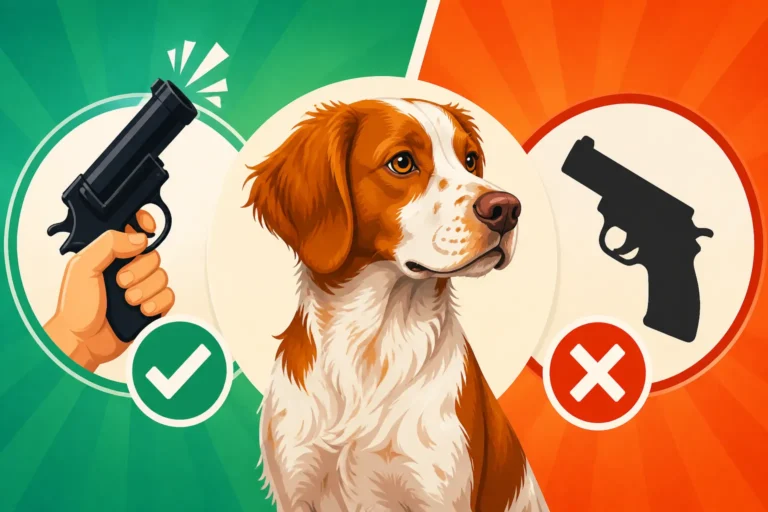
Once your Brittany is comfortable with the distant, low-volume sounds of a cap gun, you can graduate to a .22 blank pistol or a dedicated starter pistol. These training tools emit a louder report than a cap gun but are still significantly less powerful than a shotgun. You can find excellent starter pistols and blank ammunition on platforms like Amazon, making it easy to acquire the right equipment. Again, the principle remains the same: the sound should be secondary to the bird work.
I recommend starting with the starter pistol from a distance again, gradually working closer. Always ensure your Brittany is engrossed in the retrieve or point. When the shot goes off, immediately praise and reward their continued focus. You want them to think, "Oh, that noise means something exciting is happening with the bird!" This positive reinforcement is key. The actual shot should be a signal for a positive event, not a scary one. Many trainers use bird launchers, often remote-controlled, that release a bird immediately after the shot, strengthening this positive association. The Gear a Brittany Needs Before Its First Bird should ideally include a good starter pistol and some training birds.
Avoiding Common Mistakes
There are several pitfalls to avoid that can easily derail your Brittany's gun introduction:
- Rushing the process: Impatience is your enemy. If you push too fast, your dog will tell you. Listen to them.
- Exposing to live fire too soon: A shotgun, especially a magnum load, is incredibly loud. Do not use one for initial gun introduction. Stick to blanks and starter pistols.
- Introducing the sound when the dog isn't focused: If your puppy is distracted, nervous, or bored when the sound goes off, they won't associate it positively with bird work. Their attention needs to be fully on the task at hand.
- Using punishment: Never, ever punish a dog for reacting negatively to a sound. This will only amplify their fear. You want to build confidence, not instill terror.
- Firing a gun when the dog is startled or restrained: Imagine being tied up and someone firing a gun next to you. That's how a dog feels. Ensure they have agency and are engaged.
Making any of these mistakes can quickly lead to a gun-shy dog, and Why a Brittany Is Easy to Ruin With a Gun is a stark reminder of how sensitive these intelligent dogs are. Recovery from gun shyness is possible, but it is a much longer and more arduous journey than getting it right the first time.
Essential Tools and Techniques for a Positive Gun Introduction
Successfully introducing your Brittany to gunfire isn't just about when and how loud; it's also about the overall training environment and the techniques you employ. It's about building a trusting relationship and making every step a positive learning experience.
Creating a Positive Association
The core philosophy behind successful gun introduction is creating a strong, positive association with the sound. The gunshot should never be a surprise; it should be a cue that something good is about to happen or is already happening.
Here’s how to reinforce that positive link:
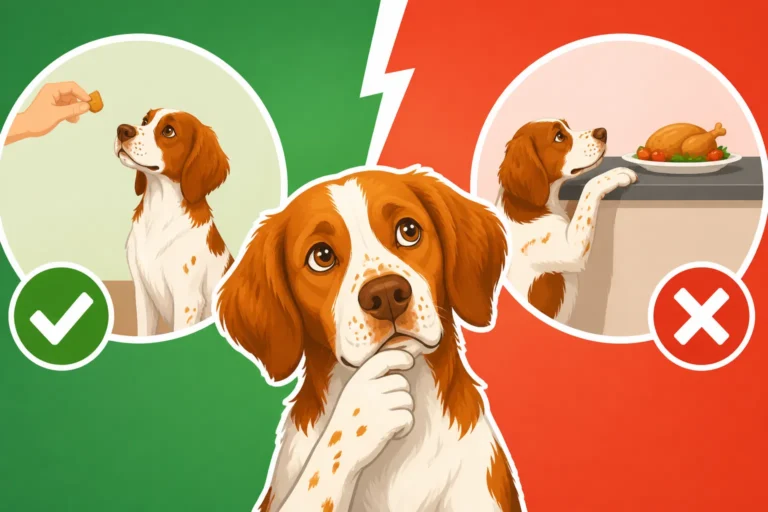
- Pair with High-Value Rewards: Every time a low-level shot is fired (from a distance), immediately follow it with something your Brittany absolutely loves. This could be their favorite treat, an exciting game of fetch, or the release of a bird they get to chase and retrieve. The key is immediacy. The brain creates a strong link between events that happen close together.
- Bird Work is Best: For a hunting breed like a Brittany, bird work is arguably the most powerful positive reinforcer. A shot followed by a bird flushed or a successful retrieve naturally taps into their instincts. Use pigeons, quail, or pheasants in controlled training scenarios.
- Consistent Repetition (but not Over-Exposure): Short, frequent, and positive sessions are far better than long, intense, and potentially overwhelming ones. You want to build a cumulative positive experience without pushing your dog to its limits.
Many owners benefit from structured, positive-reinforcement training programs that build a dog's general confidence and obedience before specialized gun work. Programs like BAXTER & Bella offer online resources and live support that can help you establish a strong foundation of communication and trust, which is invaluable before introducing something as significant as gunfire.
Using E-Collars and Whistles Appropriately
When it comes to advanced gun dog training, tools like e-collars and whistles become important, but their role in gun introduction is often misunderstood.
- E-Collars (Electronic Collars): A modern e-collar is a communication tool, not a punishment device. If you use an e-collar, it should only be used to reinforce commands your dog already knows with low-level stimulation, never to correct a reaction to gunfire. Introducing an e-collar for correction during gun introduction can create a negative association with both the sound and the collar. Instead, if your Brittany is ready for an e-collar, it should already be familiar with its proper use for commands like "Whoa" or "Here." Whether a Brittany Needs an E Collar is a common question, and for hunting applications, many trainers find them indispensable after proper introduction and foundational training.
- Whistles: Whistles are fantastic for recall and direction in the field. They are clear, consistent, and carry over long distances. While not directly tied to gun introduction, having a strong "Here" command reinforced with a whistle can be a lifesaver if your dog does get startled and bolts. It helps you regain control and prevent a negative incident from escalating.
The Role of a Mentor or Professional Trainer
For many first-time gun dog owners, or even seasoned owners tackling a particularly sensitive dog, the guidance of a mentor or a professional trainer is invaluable. They'll have:
- Experience: They've seen hundreds of dogs, including many Brittanys, and can read subtle cues that you might miss. They know when to push a little and when to back off.
- Controlled Environments: Professionals often have access to training grounds, bird launchers, and a variety of training guns to create the ideal, safest conditions for introduction.
- Objective Perspective: An experienced eye can tell you if you're rushing things or if your dog is showing early signs of concern.
Don't be afraid to seek help. Many Brittany clubs have members who are eager to mentor new owners, or you can find reputable professional gun dog trainers in your area. Whether a Brittany Needs a Pro to Reach a Title is a question many ask, and while not strictly necessary for every hunting dog, professional guidance for specific challenges like gun introduction can make all the difference.
Here’s a simplified breakdown of the sound introduction process:
| Stage | Sound Source | Distance (Approx.) | Dog's Focus | Goal |
|---|---|---|---|---|
| 1. Baseline | Clapping hands, cap gun | 100+ yards | Engaged in play/toy | No reaction, curiosity maybe |
| 2. Engage | Cap gun | 75-100 yards | Actively retrieving/bird work | Neutral or positive association with bird |
| 3. Progress | Starter Pistol (.22 blanks) | 50-75 yards | Actively retrieving/bird work | Strong positive association with bird |
| 4. Close In | Starter Pistol (.22 blanks) | 25-50 yards | Pointing/retrieving | Confident, unconcerned with sound |
| 5. Live Fire | Shotgun (light loads) | 50+ yards | Focused on birds | Ready for actual hunting scenarios |
Always remember to observe your dog's individual response and adjust the pace accordingly. Some Brittanys will fly through these stages, while others might need more time at each step.
Recognizing and Addressing Gun Shyness in Your Brittany
Even with the most careful and gradual introduction, some Brittanys may still show signs of gun shyness. It's important to recognize these signs early and address them immediately and appropriately. Ignoring them will only make the problem worse.
Identifying Signs of Gun Shyness
Gun shyness isn't always a dramatic bolting or cowering response. It can manifest in subtle ways, especially initially. Being attuned to your dog’s body language is critical.
Look out for these common indicators:
- Subtle Flinching or Head Turning: At the first sound of a distant shot, your dog might flinch, drop its head slightly, or quickly turn its head away.
- Loss of Focus: Instead of continuing their bird work or play, they might stop, look around nervously, or become distracted.
- Increased Clinginess or Avoidance: They might suddenly want to be very close to you, or conversely, try to put distance between themselves and the source of the sound.
- Tail Tucked or Body Language: A tucked tail, hunched posture, ears flattened against the head, or excessive licking of lips are all signs of stress and anxiety.
- Freezing or Trembling: In more severe cases, they might freeze in place, tremble, or pant excessively.
- Bolting or Hiding: The most obvious sign is when a dog tries to run away, find a hiding spot, or refuse to leave the truck or kennel.
- Refusal to Hunt or Retrieve: If a dog suddenly loses all interest in birds or retrieving after a shot, that's a red flag.
These signs, especially the more subtle ones, are your dog's way of telling you they are uncomfortable. Signs a Brittany Is Becoming Gun Shy are often overlooked until they escalate, so pay close attention.
Remedial Steps for a Gun-Shy Brittany
If you notice any signs of gun shyness, the very first step is to stop all direct gun exposure immediately. Pushing a fearful dog will only deepen the trauma.
Here’s what you can do:
- Re-evaluate and De-escalate: Go back to square one, or even before square one. Spend time rebuilding your dog's confidence in general. Focus on basic obedience, fun games, and activities they enjoy in quiet, familiar environments.
- Start from a Greater Distance and Lower Volume: Once your dog is calm and confident again, you can very slowly reintroduce extremely distant, barely audible sounds, even softer than a cap gun if necessary. Use clapping hands or a very small starter pistol from hundreds of yards away.
- Intensify Positive Association: Pair the faint sound with extraordinarily high-value rewards. This means their absolute favorite treat, an epic game of tug, or a very easy, rewarding bird retrieve. The goal is to utterly overwhelm any negative feeling with an intense positive one.
- Use "Happy" Sounds: Sometimes, playing recordings of happy, exciting sounds (like children playing or other dogs happily barking) while the dog is receiving treats or praise can help create a positive sound association in general.
- Seek Professional Help: This is where a professional gun dog trainer truly shines. Rebuilding a gun-shy dog requires immense patience, expertise, and a nuanced understanding of canine behavior. They can help identify specific triggers and devise a tailored desensitization and counter-conditioning program. How to Rebuild a Gun Shy Brittany is a long and challenging process, but with the right approach and professional guidance, many dogs can overcome their fear and eventually enjoy the field. It might take months or even years, but it's worth it for your dog's well-being and your shared passion.
Remember, patience, empathy, and positive reinforcement are your most powerful tools when working with a Brittany. Their sensitive nature is part of what makes them such devoted and intelligent companions; respect that, and you'll forge an unbreakable bond, whether they're in the field or simply by your side.
Disclaimer
This article is for general informational purposes only and does not constitute professional advice. Laws, prices and regulations vary by location and change over time. Consult a qualified professional for guidance on your specific situation.