Signs a Brittany Is Becoming Gun Shy
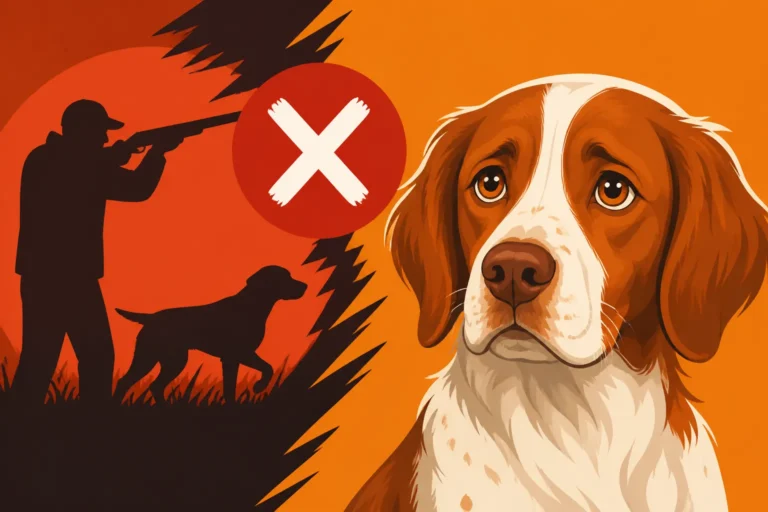
It's heartbreaking to watch your enthusiastic Brittany, a dog bred for the field, suddenly flinch or even bolt at the sound of a gun. You dream of those crisp autumn mornings, watching your dog work the cover, but then a shot rings out, and their whole demeanor changes. This isn't just a fleeting moment of surprise; for some Brittanys, it's the insidious onset of gun shyness, a deeply ingrained fear that can derail their potential as a hunting companion and impact their overall well-being. This guide will help you recognize the subtle and overt signs that your Brittany might be developing gun shyness, so you can address it before it becomes a permanent hurdle.
Understanding Gun Shyness in Brittanys: More Than Just a Flinch
Gun shyness is a profound aversion to loud noises, specifically gunshots, that goes beyond a normal startle response. It's a genuine fear that can stem from a variety of factors, but it's particularly devastating for a breed like the Brittany, whose very purpose is to work alongside hunters. It's not about being "stubborn" or "disobedient"; it's about a dog experiencing genuine terror, and understanding that is the first step towards helping them.
The Sensitive Nature of the Brittany
Our beloved Brittanys are known for their intelligence, eagerness to please, and boundless energy, but they also possess a remarkable sensitivity. This "softness," as many experienced trainers describe it, makes them incredibly receptive to our moods and training methods. It's what makes them such biddable partners, but it also means they can be easily overwhelmed or scared if not handled with care and understanding. A harsh word, an unexpected loud noise, or an overly forceful correction can leave a lasting impression on a Brittany, far more so than on some other, harder breeds. This inherent sensitivity is often why they excel in training when positive reinforcement is used, but it also means we must be extra vigilant about potential stressors. Think about it: a dog that reads your every nuance is also keenly aware of anything that feels threatening. How Sensitive a Brittany Is to Correction really highlights this trait.
Because of this, a seemingly minor negative experience with a loud noise can disproportionately affect a Brittany. It's not just the volume itself, but the context and the dog's individual perception of safety. If a young Brittany experiences a sudden, close gunshot without proper desensitization, or if they associate a loud bang with pain or extreme fear, that neural pathway can quickly form, solidifying into gun shyness. This isn't just about one event; it's about how that event imprints on a sensitive mind.
Why Early Exposure is So Crucial
The period when a Brittany puppy is developing its worldview—typically between 7 weeks and 4 months—is absolutely critical for introducing them to new experiences, including sounds. This is often referred to as the socialization period. During this time, positive, controlled exposure to various stimuli helps build a confident, well-adjusted dog. When it comes to gun sounds, the goal isn't to blast them with a shotgun right away, but to gradually introduce them to distant, muffled sounds and progressively increase the intensity as they remain calm and engaged.
Skipping this vital desensitization phase, or doing it improperly, is one of the most common reasons a Brittany develops gun shyness. Imagine a puppy being thrown into a full-blown hunting scenario on opening day, with shotguns booming all around. For a sensitive Brittany, this can be terrifying and set them back significantly, often irreparably. A proper introduction might involve feeding them their favorite meal while a cap gun goes off far in the distance, slowly moving closer over days or weeks. This allows them to associate the sound with something positive, like food, and to gradually acclimate without fear. Understanding The Age a Brittany Should Hear Its First Shot is paramount to success. It's about building positive associations and confidence, step by careful step.
Observable Physical Signs of Developing Gun Shyness
Recognizing gun shyness early means paying close attention to your Brittany's body language, not just during an actual hunt but even in response to other loud noises in their environment. It’s a subtle dance of fear, and your dog will tell you something is wrong long before they refuse to go into the field.
Body Language Cues Before the Shot
A Brittany on the cusp of gun shyness might exhibit specific behaviors even before a loud sound occurs, especially if they anticipate it (for example, if you’re at a shooting range or a field trial). Look for subtle signs of unease. This might include a lowered head or tail, pulling back on the leash, or an attempt to hide behind your legs. Their ears might be pinned back, not just in an attentive way, but flattened against their skull in submission or fear. You might see excessive yawning or lip-licking, which are common canine appeasement gestures indicating stress.
Another tell-tale sign is a change in their focus. A birdy Brittany is usually intensely focused on the task at hand – the scent, the cover, the bird. If they suddenly become distracted, constantly looking around for potential threats, or are unable to settle, it could be a precursor to a fear response. They might refuse to take treats, even high-value ones, which is a big red flag for a food-motivated breed like the Brittany. Even freezing in place, becoming completely still and rigid, can be a sign they are preparing for a fright or trying to disappear from the perceived threat.
Reactions During and Immediately After a Sound
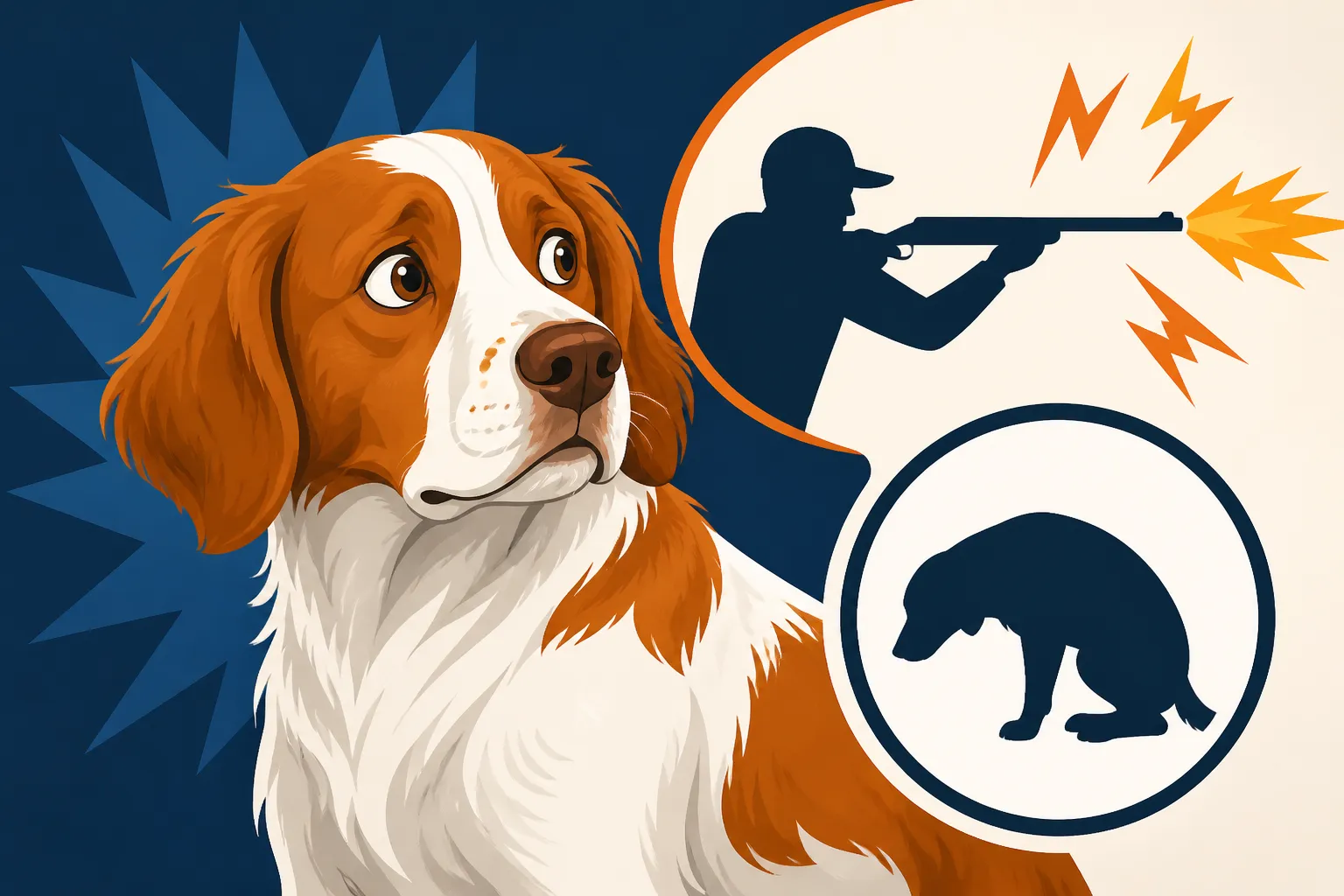
When a loud sound actually happens – be it a distant shotgun, fireworks, or even a sudden backfire from a car – the reactions of a gun-shy Brittany can be more pronounced. A mild reaction might be a simple flinch, an ear twitch, or a quick glance. But if the fear is developing, you'll see more significant physical signs. They might tuck their tail tightly between their legs, crouch low to the ground, or try to bolt in the opposite direction. Some dogs will physically shake or tremble uncontrollably, even if the sound wasn't extremely close or loud.
Panting, drooling excessively, or even urinating or defecating can also occur in severe cases of fear. After the sound, a gun-shy Brittany won't just "shrug it off" and go back to business. They might remain agitated, restless, and refuse to re-engage with the environment or the task. They might cling to your side, try to jump into your arms, or frantically try to get back to the vehicle or kennel, seeking safety. It's crucial to differentiate this from a normal startle, which usually passes quickly; a gun-shy dog will remain distressed for a prolonged period. This kind of intense reaction is often a clear indication that Why a Brittany Is Easy to Ruin With a Gun has become a reality.
Here's a quick comparison of normal startle vs. developing gun shyness:
| Behavior Trait | Normal Startle Response | Developing Gun Shyness |
|---|---|---|
| Initial Reaction | Brief flinch, head turn, momentary pause. | Strong flinch, crouch, tail tuck, may yelp or jump. |
| Recovery Time | Recovers quickly (seconds), re-engages activity. | Prolonged anxiety (minutes to hours), unable to focus. |
| Seeking Comfort | May look at handler, but not overtly seek refuge. | Clings to handler, tries to hide, seeks escape route. |
| Engagement Level | Returns to previous activity with enthusiasm. | Avoids continuing activity, seems "shut down." |
| Physical Signs | May tense briefly. | Trembling, excessive panting, drooling, possibly elimination. |
| Anticipation | No noticeable change before a sudden sound. | Shows signs of anxiety before an anticipated sound (e.g., at shooting range). |
Behavioral Changes: How a Brittany's Demeanor Shifts
Beyond the immediate physical reactions, developing gun shyness often manifests in broader behavioral changes that impact a Brittany's daily life and their willingness to participate in activities they once loved. These shifts can be subtle at first, then become more pronounced.
Reluctance to Engage in Training or Hunting Activities
One of the most disheartening signs of developing gun shyness is when your Brittany, once a keen and enthusiastic worker, starts showing a distinct reluctance towards anything associated with hunting or field training. This might begin subtly. Perhaps they're slower to load into the truck on a training day, or they might resist getting their E-collar or vest put on. They might even try to hide when they see you gathering your hunting gear. It's a clear signal that they've started to associate these items and routines with the frightening sounds of gunfire.
In the field, this reluctance can escalate. They might ignore birds they previously would have eagerly pointed, or they might work much closer than usual, constantly checking back with you for reassurance. Some Brittanys will start to "cheat" their way out of situations where they expect a shot, perhaps ranging wide to avoid the perceived threat area or refusing to honor another dog's point if they think it will lead to a gunshot. Their natural bird drive, which is so strong in this breed, starts to be overridden by their fear. Whether a Gun Shy Brittany Can Be Fixed becomes a paramount concern at this stage.
Avoidance of Noisy Environments or Objects
The fear of gunshots can quickly generalize to other loud noises and even objects associated with those sounds. Your Brittany might start exhibiting fear of fireworks, thunderstorms, or even the sound of a car backfiring, even if they were previously unbothered. This generalization is a common characteristic of phobias, where the original fear expands to encompass similar stimuli. For instance, a dog might initially only fear actual gunshots but then extend that fear to loud claps, construction noises, or even the slamming of a door. Whether Fireworks Make a Brittany Gun Shy is a common question, and yes, they absolutely can contribute to gun shyness or reveal an underlying sensitivity.
Beyond sounds, they might begin to avoid places where they've experienced startling noises. This could mean resisting walks in certain parks, showing anxiety when approaching a shooting range, or even avoiding specific rooms in the house if they've heard a loud bang there. They might also react fearfully to objects like starter pistols, blank guns, or even the sight of a shotgun being taken out of its case. This avoidance behavior is a coping mechanism, but it severely limits their quality of life and your ability to enjoy activities together. Some owners find tools like sound machines, available on platforms like Amazon, helpful in desensitizing dogs to everyday noises, which can sometimes have a carry-over effect in reducing overall sound sensitivity.
Changes in Social Interaction
A gun-shy Brittany might also display changes in their social interactions, both with humans and other dogs. They might become more withdrawn, less playful, and less affectionate, especially in environments where they anticipate loud noises. Instead of greeting you with their usual joyful bounce, they might be subdued or even hesitant. Their personality, which is typically so vibrant and outgoing, can seem to shrink under the weight of their fear.
With other dogs, they might become more reactive or fearful. If another dog is confident around loud noises, a gun-shy Brittany might either try to stick close to them for reassurance or, conversely, become agitated by their calm demeanor, as if the other dog isn't "understanding" the danger. In some cases, extreme fear can even manifest as aggression, where a dog snaps or growls when cornered or unable to escape a perceived threat, though this is less common with gun shyness specifically, which usually leads to avoidance. Observe if your Brittany's typical happy-go-lucky nature, which makes them such a joy, starts to diminish.
Distinguishing Gun Shyness from Other Fear Responses
It's easy to lump all fear responses into one category, but understanding the nuances can help you pinpoint the exact issue with your Brittany. Not all fear is gun shyness, and recognizing the difference is key to effective intervention.
Fear of Specific Objects vs. Sound Aversion
Sometimes, a dog might show fear or apprehension around a specific object, like a strange-looking tree branch, a new piece of equipment, or even another dog with an unusual appearance. This is generally a fear of the unfamiliar or a conditioned response to a past negative interaction with that particular object. For instance, if a Brittany was once hit by a rogue frisbee, they might develop a fear of frisbees, but this doesn't mean they're generally fearful of all flying objects or all sounds. This kind of fear is usually contained to the specific object or similar-looking items.
Gun shyness, however, is primarily an aversion to sound, specifically the sharp, concussive bang of a gunshot. While it can generalize to other loud noises and even objects associated with guns (like a gun case or a specific type of shell), the root fear is auditory. The dog isn't afraid of the gun itself as an object; they're afraid of the sound it produces and the perceived threat it represents. A Brittany who is fearful of a specific object might still be perfectly calm during a thunderstorm or at a shooting range, whereas a gun-shy Brittany would react intensely to the gun sound.
General Anxiety vs. Gun Shyness
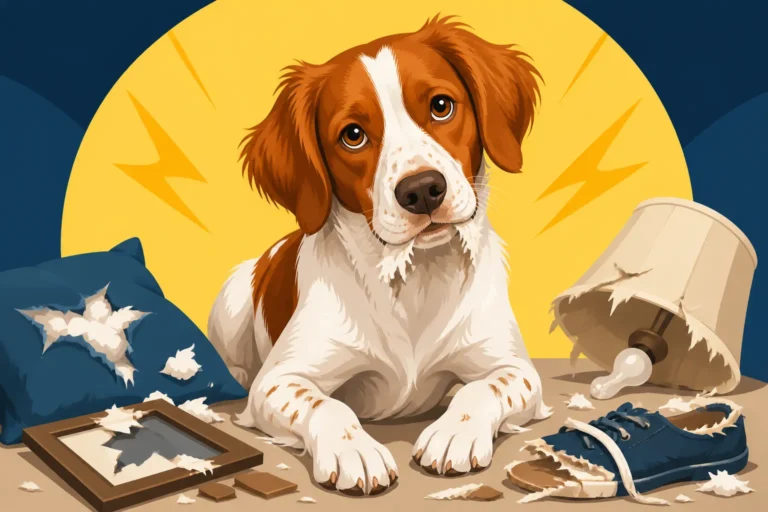
General anxiety in dogs is a broader term, encompassing persistent worry or nervousness across various situations. A generally anxious Brittany might pace, whine, destroy things, or show separation anxiety when left alone. They might be nervous around strangers, new places, or sudden changes in routine. This anxiety is often pervasive and not tied to one specific trigger. For example, a dog with general anxiety might be restless and pant a lot even in a quiet, familiar home environment. They might exhibit Whether a Brittany Gets Separation Anxiety if left alone.
Gun shyness, while a form of anxiety, is much more specific. The primary trigger is loud, sudden noises, particularly gunshots. While a gun-shy Brittany might become generally anxious due to the constant stress of anticipating or avoiding loud sounds, the initial and primary fear is linked to the auditory stimulus. If your Brittany is perfectly calm and confident in all situations except when loud noises occur, it's more likely gun shyness than general anxiety. However, chronic gun shyness can certainly lead to heightened overall anxiety as the dog lives in a constant state of alert, fearing the next loud bang. It's a spectrum, and sometimes general anxiety can exacerbate a predisposition to gun shyness. Training programs like those from BAXTER & Bella often emphasize building overall canine confidence, which can be beneficial for both general anxiety and more specific fears.
The Long-Term Impact and What to Do Next
Ignoring the signs of gun shyness in your Brittany won't make it go away; in fact, it will almost certainly get worse. This isn't just about losing a hunting companion; it's about the welfare of your dog.
The Escalation of Unaddressed Gun Shyness
If left unaddressed, gun shyness rarely improves on its own. Instead, it tends to escalate, becoming more severe and generalized over time. What starts as a mild flinch might progress to frantic attempts to escape, followed by trembling, vocalization, and potentially even physical illness (like stress-induced diarrhea). The dog's world begins to shrink as they develop a broader aversion to any loud noises, not just gunshots. Fireworks, thunderstorms, construction sounds, or even car backfires can trigger extreme panic. Whether a Thunderstorm Phobic Brittany Will Hunt becomes a very real question for many owners.
This constant state of fear can lead to chronic stress, which negatively impacts a dog's physical health, immune system, and overall temperament. A once-happy, outgoing Brittany might become withdrawn, skittish, and less willing to engage in even everyday activities. Their mental well-being is severely compromised, and their quality of life diminishes significantly. Furthermore, a gun-shy dog can be a danger to itself and others if it bolts in a panic, potentially running into traffic or getting lost. This isn't just a "training problem"; it's a deep-seated phobia that requires compassionate intervention.
Seeking Professional Help and Remediation
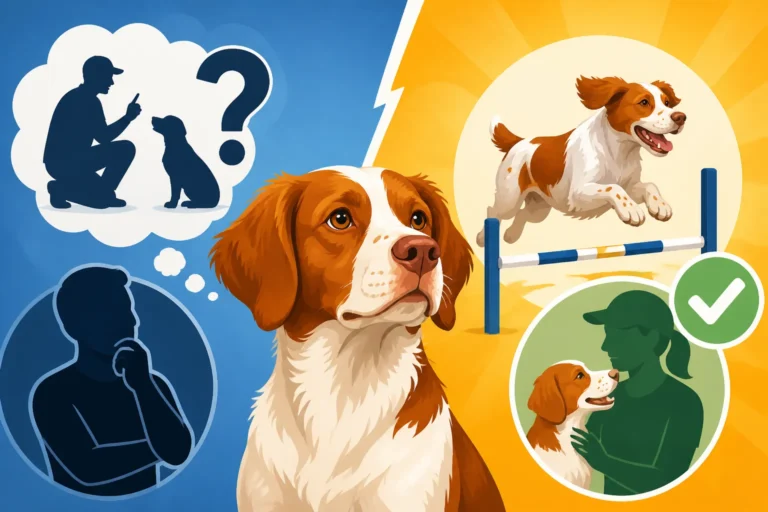
Once you've identified the signs of gun shyness, the absolute best course of action is to seek professional help. This is not a problem you can typically solve with brute force or by simply "making" your dog get over it. In fact, such approaches will almost certainly worsen the problem. A qualified professional, such as a certified professional dog trainer specializing in gun dogs or a veterinary behaviorist, can assess your Brittany's specific situation and develop a tailored desensitization and counter-conditioning program.
This program will likely involve very gradual exposure to quiet, distant gun sounds (or recordings of them), paired with positive reinforcement like high-value treats and praise. The goal is to slowly change your dog's emotional response from fear to indifference or even positive anticipation. This process takes time, patience, and consistency. It might mean going back to basics, using a starter pistol at an extreme distance, and ensuring every exposure is a positive one. How to Rebuild a Gun Shy Brittany is a challenging but often rewarding journey. Remember, a Brittany's sensitive nature means they respond best to gentle, consistent methods, and a professional can guide you through this delicate process, giving both you and your beloved companion the best chance at recovery.
Disclaimer
This article is for general informational purposes only and does not constitute professional advice. Laws, prices and regulations vary by location and change over time. Consult a qualified professional for guidance on your specific situation.