Whether a Brittany Needs a Pro to Reach a Title
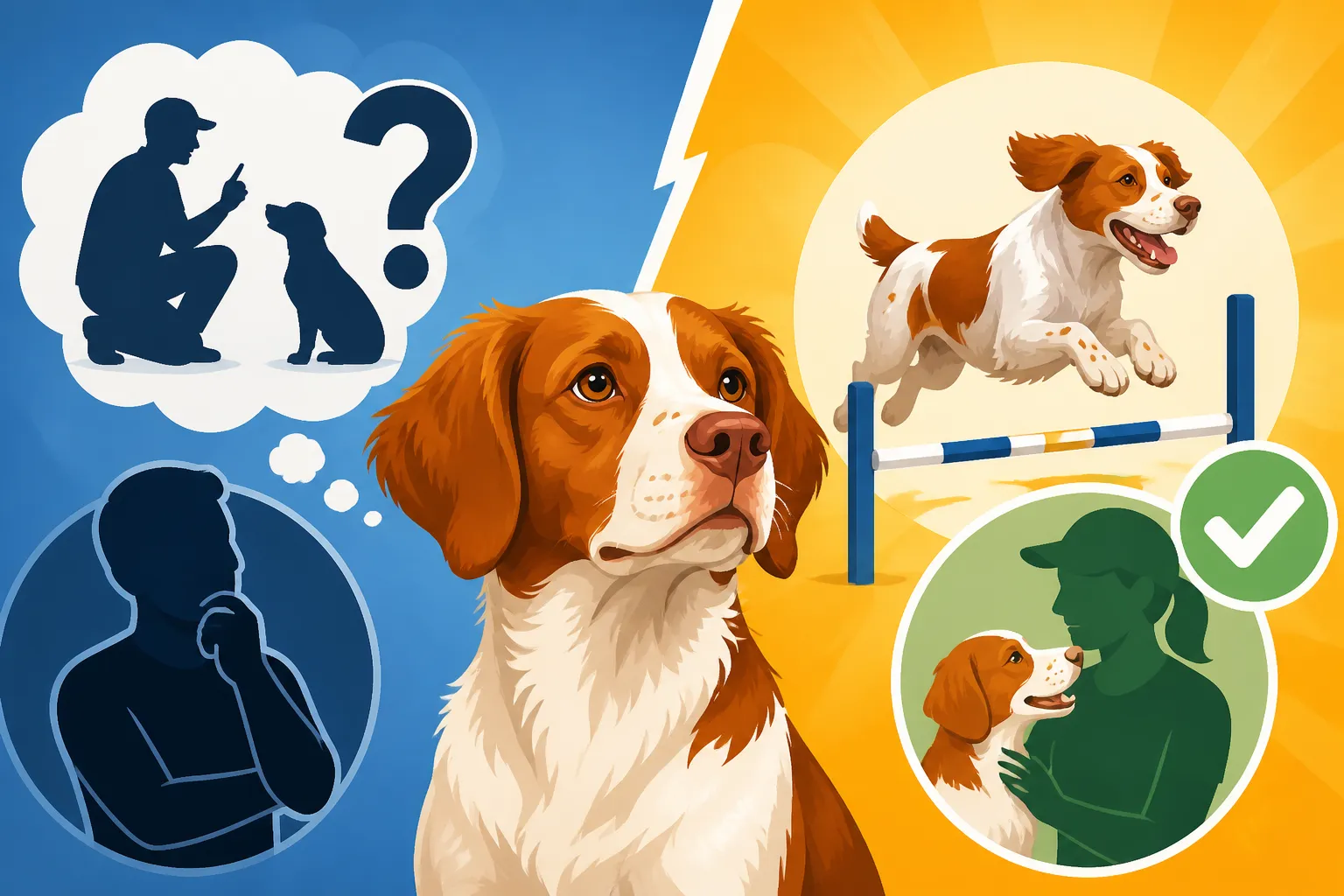
It's a common dilemma for Brittany owners who dream of seeing their energetic, bird-driven companions earn a title: do you really need to send your beloved dog away to a professional trainer, or can you, the dedicated owner, guide them to success? The truth is, while a professional can certainly expedite the process and refine skills, the path to a title for your Brittany is often more accessible to the owner-handler than you might think, provided you're ready for the commitment. This guide will explore the feasibility of training your own Brittany for titles, when a professional might be necessary, and how to combine both approaches for the best results.
Understanding the Brittany's Trainability and Natural Aptitude
Before we even talk about professionals, let's talk about your dog. The Brittany is, by its very nature, a cooperative and intelligent breed. They aren't called "the pointing breed you can live with" for nothing! This inherent temperament makes them a joy to train, but also requires a nuanced approach.
The Brittany's Inherent Bird Sense and Drive
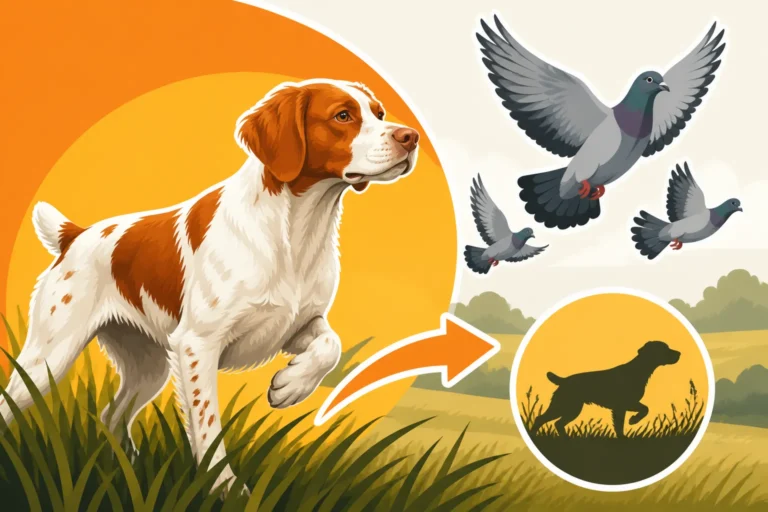
One of the most remarkable qualities of a Brittany is their deep-seated instinct for birds. Many puppies will show a natural point at a very young age, often on butterflies or even a blowing leaf. They are literally born with a drive to find and point game, a trait that makes them exceptional partners in the field. This isn't something you teach; it's something you nurture and refine. Your Brittany already has a blueprint for success in their DNA. This incredible bird drive is often what draws people to the breed, and it's a huge head start when you're considering training for hunt tests or field trials. You don't have to instill the desire to hunt; you just have to channel it.
However, this powerful drive can also be a double-edged sword. While it means they're eager to work, it also means they can be single-minded and enthusiastic, sometimes to a fault. They want to please you, but their passion for birds can sometimes override their focus on formal commands in the heat of the moment. This is where patience and consistent, clear communication become paramount. Understanding Whether a Brittany Points Naturally or Whether a Brittany Retrieves Naturally is the first step in knowing how much natural talent you're working with.
Brittany's Sensitivity and Response to Training Methods
The Brittany is often described as "soft," and this isn't a weakness; it's a characteristic that demands a specific training style. The Brittany Is the Softest of the Pointing Breeds means they respond best to positive reinforcement, gentle guidance, and consistency, rather than harsh corrections. They thrive on praise, affection, and food rewards, which strengthens your bond and makes training a joy for both of you.
Imagine a scenario: you're working on whoa, and your Brittany breaks point slightly. A sharp, loud correction might shut them down completely, making them hesitant to point again, or even associate your presence with negativity during bird work. Instead, a gentle re-positioning, a calm "whoa," and immediate praise when they hold can work wonders. This sensitivity means that while they are highly intelligent and capable of learning complex commands, they can also be easy to "ruin" with incorrect methods. A dog that is constantly yelled at or treated roughly might become timid, lose its enthusiasm for hunting, or even become gun-shy. The key is to be firm, fair, and consistent, always keeping their sensitive nature in mind.
Owner-Handler Training: Feasibility and Requirements
So, can you train your Brittany to a title? Absolutely, for many levels of titling. It's incredibly rewarding, deepens your bond, and allows you to understand your dog's nuances intimately. But it's not a walk in the park.
The Time Commitment for DIY Training
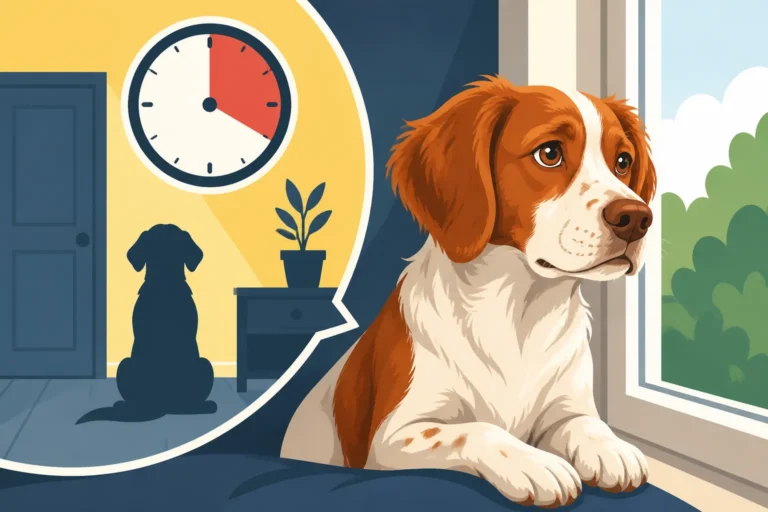
This is often the biggest hurdle for owner-handlers. Training a gun dog, especially for titles, isn't a weekend hobby; it's a lifestyle. You'll need to dedicate consistent time, almost daily, to short, focused training sessions. Think about it:
- Puppyhood: Daily socialization, basic obedience, house manners. This lays the critical foundation. You might spend 10-15 minutes, two or three times a day, just on simple commands like sit, stay, come, and leash manners. Services like BAXTER & Bella offer comprehensive online puppy training programs that can guide you through these initial stages, making it easier to stay consistent from the comfort of your home.
- Early Bird Work (4-12 months): Introducing wings, pigeons, live birds, developing point and retrieve. This requires access to birds and suitable training grounds. These sessions might be longer, 20-30 minutes, several times a week, plus time for setup and travel.
- Advanced Field Work (12 months+): Refining whoa, steadiness, honoring, gun introduction. Teaching a Brittany Whoa is a marathon, not a sprint. This means regular trips to the field, sometimes for hours, often involving planting birds, working alongside other dogs, and simulating hunt test scenarios.
- Off-Season Conditioning: Keeping your dog fit and sharp even when hunting season is over. This involves daily exercise and refresher training.
Let's be realistic: if you work a demanding job, have a busy family life, and your weekends are packed, finding the consistent, dedicated time for all aspects of gun dog training can be tough. It's not just the training itself, but the travel to suitable locations, sourcing birds, and maintaining equipment. This is where many passionate owners realize they might need help, not because they lack skill, but because they lack hours in the day.
Essential Skills and Knowledge for the Owner-Trainer
You don't need to be a professional trainer to train your Brittany for titles, but you do need to educate yourself. This isn't just about reading a book or two; it's about understanding canine behavior, learning theory, and specific gun dog techniques.
- Reading Your Dog: A good trainer can read their dog's body language, anticipate their next move, and understand why they're doing what they're doing. This involves observing subtle cues, knowing when your dog is stressed, bored, or ready for more.
- Foundation Obedience: A Brittany needs solid basic obedience before you even think about birds. A reliable recall, sit, stay, and heel are non-negotiable. Without these, field work becomes chaotic. How Long a Brittany's Training Session Should Be is key here – short, positive sessions build confidence and prevent burnout.
- Gun Dog Specifics: You'll need to learn how to properly introduce your dog to birds and gun fire without making them gun-shy. Introducing a Gun to a Brittany That Spooks Easily is a delicate process that, if done incorrectly, can ruin a promising hunting dog. You'll also need to understand how to teach and enforce "whoa," develop a reliable retrieve, and teach them to honor another dog's point.
- Trial Mechanics: Understanding the rules and expectations of hunt tests or field trials is crucial. What are the judges looking for? What are the penalties? Attending trials as a spectator and volunteering can be invaluable learning experiences.
Many successful owner-handlers sought out mentorship from experienced individuals in their local Brittany clubs or hunt test organizations. These mentors can offer guidance, help troubleshoot problems, and provide invaluable insights that no book can fully replicate.
Resources Available for the DIY Trainer
Fortunately, you don't have to reinvent the wheel. A wealth of resources exists to support the owner-handler:
- Books and DVDs: Classic texts on bird dog training provide foundational knowledge. Look for resources specific to versatile breeds or pointing dogs.
- Online Courses and Videos: Platforms like BAXTER & Bella, while often focused on general obedience, provide excellent modules that lay the groundwork for a well-behaved dog, which is essential before introducing complex field work. For more advanced gun dog specific training, there are numerous online subscriptions and video series from experienced trainers.
- Training Equipment: You'll need a range of gear. A good 30-50 foot check cord for teaching whoa and recall. A bird launcher can help simulate flushing birds and control scenarios. An electronic collar (e-collar) can be a powerful tool for reinforcing commands at a distance, but it requires careful and educated use. You can find quality versions of these items on platforms like Amazon, making them accessible to any owner committed to the process.
- Local Clubs and Associations: Joining your local Brittany club, an AKC hunt test club, or a NAVHDA chapter is perhaps the single most valuable resource. These groups offer training days, seminars, and a community of like-minded individuals who are often eager to share their knowledge and experience. They can provide opportunities to train with live birds and in realistic field conditions.
When Professional Training Becomes a Valuable Investment
While owner-handling is highly rewarding, there are definite times and reasons why a professional trainer becomes not just beneficial, but perhaps essential, especially for higher titles.
Identifying Gaps in Your Own Training Ability
Even the most dedicated owner-handler can hit a wall. Maybe your Brittany is creeping on point, refusing to honor another dog, or consistently breaking after the shot. These are common issues, and sometimes, a fresh pair of experienced eyes can make all the difference.
- Behavioral Roadblocks: If you've tried everything you know to fix a specific behavioral issue in the field, and you're not seeing progress, a professional likely has a broader toolkit and experience with many different dog personalities. They can often diagnose the root cause of the problem and implement a solution much more quickly.
- Lack of Facilities or Expertise: Perhaps you don't have consistent access to training grounds with live birds, or you're unsure how to safely introduce gunfire. A professional trainer provides not only their expertise but also the necessary environment and resources.
- Time Constraints for Advanced Work: Reaching titles like Master Hunter (MH) or Field Champion (FC) demands an immense amount of consistent, high-level training. As discussed earlier, if your personal schedule simply doesn't allow for the necessary hours in the field, a professional can fill that gap. This doesn't mean you've failed; it means you're being realistic about your limitations for your dog's benefit.
Specialized Skills and Advanced Titling Needs
For the most prestigious titles, the level of precision and consistency required can be incredibly high. This is where a professional's deep experience with advanced handling and trial mechanics truly shines.
- Master Hunter (MH) Level: This title demands steadiness to wing and shot, honoring another dog's point, retrieving to hand, and demonstrating excellent bird-finding ability in varied cover. The dog must perform flawlessly under pressure, often with multiple falls and complicated retrieves. What a Brittany Needs to Earn a Master Hunter Title is a rigorous standard.
- Field Trial Champion (FC) / Dual Champion (DC): Field trials are a whole different ballgame from hunt tests. They are competitions designed to evaluate a dog's natural ability, style, and range under competitive conditions. This often involves brace work (two dogs running together), specific handling techniques, and a deep understanding of field trial strategy. A professional trainer who regularly campaigns dogs in field trials has an intimate knowledge of these nuances, including understanding judges' preferences and how to showcase a dog's strengths. What Training a Dual Champion Brittany Takes is a monumental effort, which is why Brittanys hold the record for dual champions—a testament to their versatility and trainability, often achieved with professional guidance.
Consider the table below for a quick comparison of training approaches:
| Feature | Owner-Handler Approach | Professional Trainer Approach |
|---|---|---|
| Cost | Lower initial outlay (equipment, birds) | Significant investment (training fees, boarding) |
| Time | High personal time commitment | Less personal time for active training |
| Bond | Deepens bond through shared effort | Dog forms bond with trainer, then reconnects with owner |
| Control | Full control over training philosophy | Trainer's philosophy and methods are primary |
| Pace | Set by owner's schedule and learning curve | Often faster, more consistent progress |
| Expertise | Acquired through self-study, mentors | Immediate access to vast, specialized knowledge |
| Facilities | Relies on personal access, club grounds | Access to dedicated grounds, large bird populations |
| Advanced Titles | Achievable but requires intense dedication and skill | Often more efficient route for top-tier competitive titles |
Finding the Right Professional Trainer for Your Brittany
If you decide to enlist professional help, choosing the right trainer is paramount.
- Experience with Brittanys/Versatile Breeds: Look for a trainer who understands the Brittany's sensitive nature and natural pointing style. A trainer experienced primarily with flushers or very hard-charging breeds might not be the best fit.
- Training Philosophy: Ask about their methods. Do they use positive reinforcement? How do they handle corrections? Make sure their approach aligns with your values and your Brittany's personality. Avoid anyone who relies solely on harsh methods.
- References and Reputation: Ask for references from current and past clients. Watch them work their own dogs and observe how they interact with their trainees. A good trainer will be transparent and welcome your questions.
- Communication: A great trainer will keep you informed about your dog's progress and actively involve you in the process. You should expect regular updates and "owner lessons" so you can learn to handle your newly trained dog effectively. The goal isn't just a titled dog, but a dog you can handle in the field. Remember, What a Professional Gun Dog Trainer Charges for a Brittany will vary widely, so research and get estimates.
The Path to Titling: A Hybrid Approach
For many Brittany owners, the most successful path to titles isn't an either/or choice, but a smart combination of owner-handling and professional support.
Building a Strong Foundation at Home
Regardless of whether you plan to send your Brittany to a pro later, the initial foundation work is best done by you, the owner.
- Early Socialization and Exposure: From the moment you bring your Brittany puppy home, immerse them in varied experiences. Expose them to different sights, sounds, people, and safe environments. This builds a confident, stable dog.
- Basic Obedience: A strong grasp of basic commands like "sit," "stay," "come," and "heel" is absolutely crucial. These commands are the building blocks for all future training, and they foster a clear line of communication between you and your dog. Programs like those offered by BAXTER & Bella can be incredibly helpful in structuring this early training, making it fun and consistent. Building this solid foundation yourself not only saves you money on professional training fees but also strengthens your bond, which is vital for a sensitive breed like the Brittany. Whether a Brittany Needs Puppy Class is a resounding yes for this very reason.
- Leash Manners and Recall: Before any serious field work, your Brittany needs to walk politely on a leash and have a rock-solid recall, especially if they will be ranging wide. This early work establishes you as the leader and ensures control in various environments.
By putting in the effort during puppyhood and adolescence, you hand a professional trainer a well-mannered, confident dog that is ready to learn advanced concepts, rather than one that needs extensive remedial work on basic behaviors.
Utilizing Professionals for Specific Milestones or Problem Solving
Think of a professional trainer not as a replacement for your efforts, but as an expert consultant or a specialized tool in your training arsenal.
- "Tune-Ups" or Finishing: Many owners handle the bulk of the initial bird work and then send their Brittany to a professional for a "finishing" program. This is where the pro refines steadiness, strengthens honoring, or puts the final polish on retrieving to hand. This might be a few weeks to a couple of months, rather than a full six-month program.
- Troubleshooting Specific Issues: If your Brittany develops a particular problem you can't seem to resolve – perhaps they're bumping birds, showing a lack of style, or consistently breaking point – a few weeks with a professional or even a series of private lessons can often fix it. They can observe the issue, implement a targeted training plan, and then teach you how to maintain the correction.
- Competitive Edge: For those aspiring to higher-level competition, a professional's expertise in trial strategy, handling under pressure, and understanding judging criteria can be invaluable. They can help your Brittany perform its best when it counts. Even if you plan to handle your dog yourself in trials, a pro can help you prepare for the specific demands of the event, teaching you how to present your dog effectively. What an AKC Hunt Test Entry Costs a Brittany Owner is an investment, and you want to feel confident you're prepared.
Ultimately, whether your Brittany needs a professional trainer to reach a title depends on your personal goals, available time, financial resources, and commitment to learning. For entry-level titles, many dedicated owner-handlers achieve great success. For higher, more competitive titles, or to troubleshoot persistent issues, a professional can be a game-changer. The most common and often most successful path is a partnership, where you build the foundation, and a professional helps you reach those advanced milestones, creating a truly titled and well-rounded hunting companion.
Disclaimer
This article is for general informational purposes only and does not constitute professional advice. Laws, prices and regulations vary by location and change over time. Consult a qualified professional for guidance on your specific situation.