Introducing a Gun to a Brittany That Spooks Easily
Bringing a Brittany into your home, especially one with a keen nose and boundless energy, is often a dream come true for a hunter. But for many, the joy can quickly turn into anxiety when it comes time to introduce them to the sounds of the field, particularly gunfire. The fear of creating a gun-shy dog is a very real, disheartening concern for any owner, especially with a breed known for its sensitive nature. This comprehensive guide will walk you through a gentle, step-by-step process designed specifically for the easily spooked Brittany, focusing on patience, positive reinforcement, and building rock-solid confidence before you ever reach for a shotgun.
Understanding the Brittany's Sensitivity to Noise
Brittanys are truly exceptional dogs, celebrated for their intelligence, eagerness to please, and incredible bird drive. However, these very traits can sometimes make them prone to sensitivity, especially when it comes to loud, sudden noises. It's not a flaw in their character; it's just part of what makes them unique.
The Brittany's Temperament and Auditory Sensitivity
If you've spent any time with a Brittany, you've likely noticed their incredible awareness of their surroundings. Their ears swivel, their nose is constantly working, and they pick up on subtle cues that other breeds might miss. This heightened sensory perception, particularly their auditory acuity, is a double-edged sword. While it makes them excellent hunters, capable of hearing a distant flush or the whisper of wind through cover, it also means they can be more easily startled by unexpected loud sounds. They often react more strongly than, say, a stoic Labrador might. This sensitivity is a hallmark of the breed, contributing to why many describe the Brittany as "soft." They thrive on positive reinforcement and can shut down if subjected to harsh corrections or overwhelming situations.
Imagine yourself walking through a quiet forest, suddenly startled by an unexpected, jarring boom. Your dog experiences something similar, but often with an even greater intensity due to their superior hearing. Brittanys are also incredibly perceptive of their owner's emotions. If you're tense or anxious about introducing gunfire, your dog will pick up on that, adding another layer of stress to their experience. This can lead to a vicious cycle where your anxiety heightens their fear, making the process even more challenging. It's crucial to approach this with a calm, confident, and empathetic mindset, understanding that their reaction isn't defiance, but genuine apprehension.
This inherent sensitivity means that a general, casual introduction to gunfire, where you just "see what happens," is highly unlikely to succeed and far more likely to backfire, creating a lasting fear response. A Brittany's intelligence also means they learn quickly – for better or worse. A single traumatic experience with a loud noise can be deeply ingrained, making rehabilitation a much longer and more arduous journey than proactive, positive conditioning. This is why a methodical, thoughtful approach is absolutely essential from day one.
The Critical Period for Noise Socialization
Just like human children, puppies go through critical developmental periods. For noise socialization, the window between 8 and 16 weeks is often highlighted as a prime time. During this phase, puppies are generally more open to new experiences and are rapidly learning about the world around them. Exposing them to a wide variety of sounds – from vacuum cleaners and traffic noises to children playing and distant lawnmowers – in a positive, controlled manner can build a strong foundation for a well-adjusted adult dog. If a Brittany misses out on this crucial period, or if their early experiences with loud noises are negative, they are more likely to develop fear responses later in life, including gun shyness.
However, if your Brittany is older and you're just starting this process, don't despair! While the early window is ideal, it's never truly too late to work on sound desensitization. It simply means you'll need even more patience, a slower pace, and a commitment to making every step a positive one. For an older dog, you're not just introducing a new sound; you might be trying to override existing anxieties or a lack of positive associations. Think of it like teaching an adult a new language versus a child – both can learn, but the child often picks it up with greater ease and less self-consciousness. The key is never to rush and always to put your dog's emotional comfort first. A scared dog cannot learn effectively, and forcing the issue will only deepen their apprehension. This is an area where taking your time truly pays off in the long run.
Laying the Foundation: Pre-Gun Introduction Training
Before you even think about introducing a starter pistol, you need to build a rock-solid foundation of trust, confidence, and positive associations with you and the world around them. This isn't just about obedience; it's about making your Brittany feel safe and secure, knowing that you are their reliable leader.
Building Confidence Through Positive Reinforcement
A confident dog is far less likely to be spooked by new or loud stimuli. Confidence in a Brittany is built primarily through consistent, positive reinforcement training. Every successful "sit," "stay," or "come" that is rewarded with praise, a favorite treat, or a quick game of tug strengthens their belief in themselves and, crucially, in you. This bond of trust is paramount. Your Brittany needs to see you as a source of safety and positive experiences, rather than an unpredictable force. Avoid harsh corrections or punishment, especially with a sensitive breed like the Brittany. These methods can erode trust and create an anxious dog, which is the exact opposite of what you need when preparing for gunfire. Remember, What a Brittany Does When It Is Corrected Too Hard can set back training significantly and damage the bond you're trying to build.
Focus on making every training session fun and engaging. Use high-value treats and enthusiastic praise. Practice basic obedience commands in a variety of environments, gradually increasing distractions. This teaches your Brittany to focus on you even when there are other things happening around them, which will be invaluable when you introduce the distraction of sound. A dog that is constantly looking to you for guidance and feels secure in your presence is much better equipped to handle novel stimuli without panic. This foundation isn't just for gun introduction; it's for a happy, well-adjusted dog overall.
Gradual Introduction to Controlled, Non-Threatening Sounds
Once your Brittany has a good grasp of basic commands and feels confident with you, it's time to start a broad program of sound desensitization, completely unrelated to guns. The goal here is to expose your dog to a wide array of everyday noises, gradually increasing their intensity and duration, always ensuring that the experience is positive. Start with mundane household sounds. Drop a pan in the kitchen, play some music, or turn on the vacuum cleaner, always while your dog is happily engaged in something positive, like eating a meal or playing with a toy. The key is that the sound happens, but nothing bad follows, and often something good (a treat, a game) happens instead.
Move on to slightly more unusual or louder sounds. You can find recordings of thunder, distant fireworks, or construction noises online. Play these at a very low volume while your Brittany is relaxed and enjoying a chew toy or getting a belly rub. Slowly, over days or weeks, increase the volume, always watching for any signs of discomfort. If your dog shows even slight apprehension, back off the volume or increase the distance until they are comfortable again. The point is not to scare them, but to make them accustomed to varied sounds as a normal part of life. Remember the importance of early and consistent exposure; Whether a Brittany Puppy Should Be Socialized Heavily is a question that breeders and owners often grapple with, and the answer is usually yes, for sounds as much as sights and smells.
It’s about creating positive associations. For example, when you drop a pan, immediately give a treat and cheerful praise. The sound becomes a cue for something good. This proactive approach significantly reduces the likelihood of developing specific phobias later. This broad exposure builds overall resilience, making them less likely to react strongly to any single new loud noise they encounter, including, eventually, gunfire. It teaches them that loud noises don't always mean danger, especially when you, their trusted handler, remain calm and reassuring.
The First Steps: Introducing Distant, Muffled Gunfire
This is where many owners get nervous, and rightly so! The first true introduction to a gun sound needs to be handled with extreme care and sensitivity, especially for a Brittany that you suspect might spook easily. Rushing this stage is the quickest way to create a problem that's much harder to fix.
Choosing the Right Environment and Equipment
The setting for your Brittany's first gun introduction is just as important as the sound itself. You need a large, open area, preferably free of anything that could amplify or echo the sound. Avoid small clearings in dense woods or areas with lots of buildings, as these can make the sound much louder and more startling than intended. A wide-open field or prairie is ideal. This allows the sound to dissipate quickly and gives you ample room to adjust your distance from the dog. You'll also need a helper for this stage. This person will be the one making the sound, while you focus 100% on your dog.
As for equipment, start with the absolute lowest possible caliber sound. A .22 caliber starter pistol, often used in track and field events, is perfect. Some even start with a cap gun designed for children, just to introduce the idea of a sharp, sudden noise. The goal is a "pop," not a "boom." It's tempting to jump straight to a shotgun, but resist that urge. You can find a good quality starter pistol on platforms like Amazon, providing a convenient and accessible way to secure the right tool for these initial, critical steps. Remember, the idea here is gentle desensitization, not testing their limits.
The "Food and Fun" Method: Associating Sound with Positives
This method is simple yet profoundly effective for sensitive dogs. You want your Brittany to associate the sound of a distant shot with something incredibly positive and enjoyable, to the point where they barely register the sound as anything unusual. Start by having your helper position themselves very far away from you and your dog – at least 100-200 yards, or even more if your dog is particularly sensitive. While your dog is enthusiastically eating their favorite meal or deeply engaged in a fun game of retrieve, have your helper fire a single, distant shot.
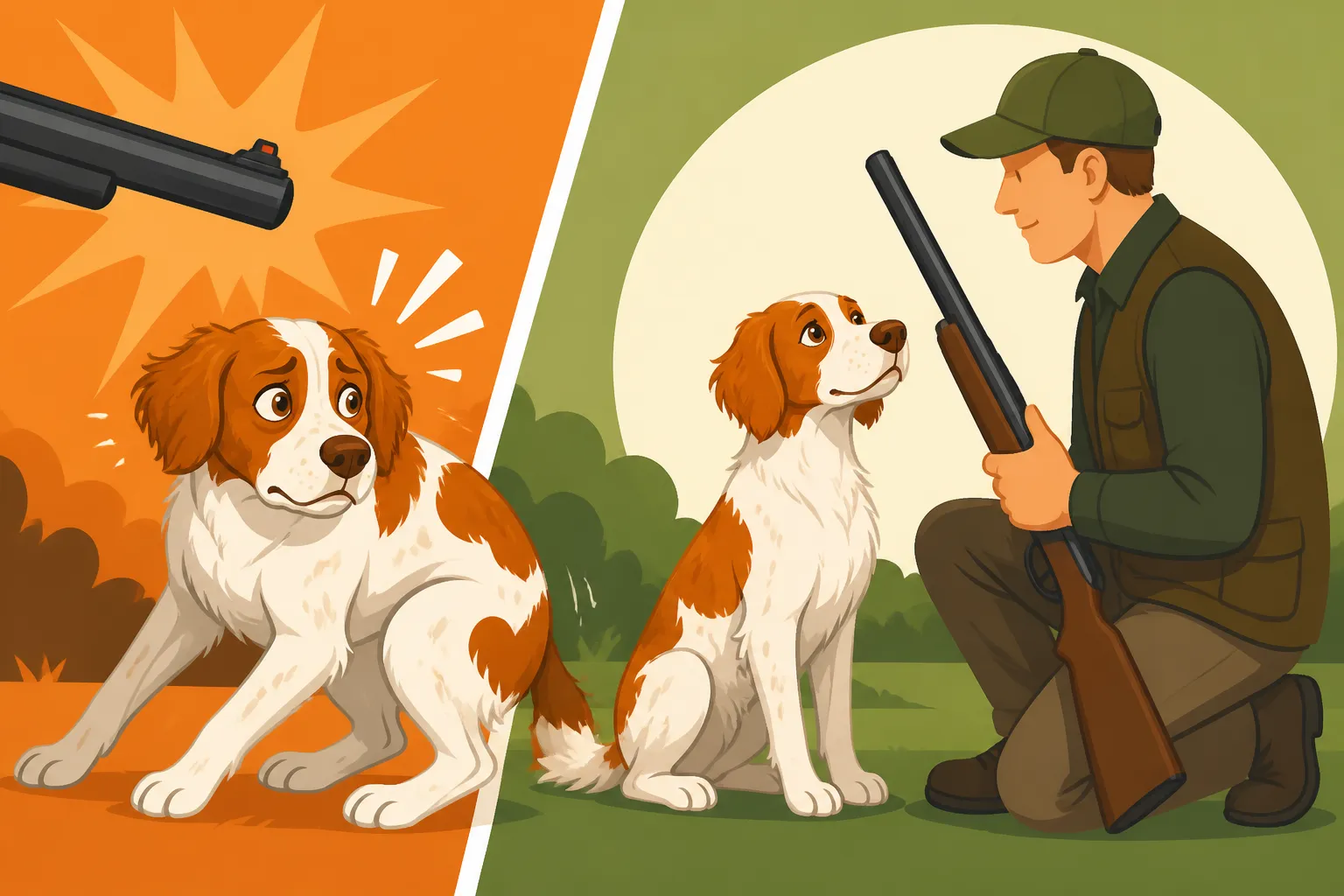
The crucial part: you do not react. Do not flinch, do not praise for not reacting, do not reassure. Just continue with the positive activity as if nothing happened. Your dog's reaction is your guide. If they don't even twitch an ear, great! If they pause momentarily but immediately go back to eating or playing, that's also great. If they startle, stop eating, tuck their tail, or try to escape, you are too close. Immediately increase the distance or reduce the volume (e.g., wrap the starter pistol in a towel) for the next session. Repeat this process over several sessions, keeping them short (5-10 minutes) and always ending on a positive note. The idea is to make the distant pop a non-event, something that just happens in the background while they are having a wonderful time.
Integrating Play and Movement with Distant Sounds
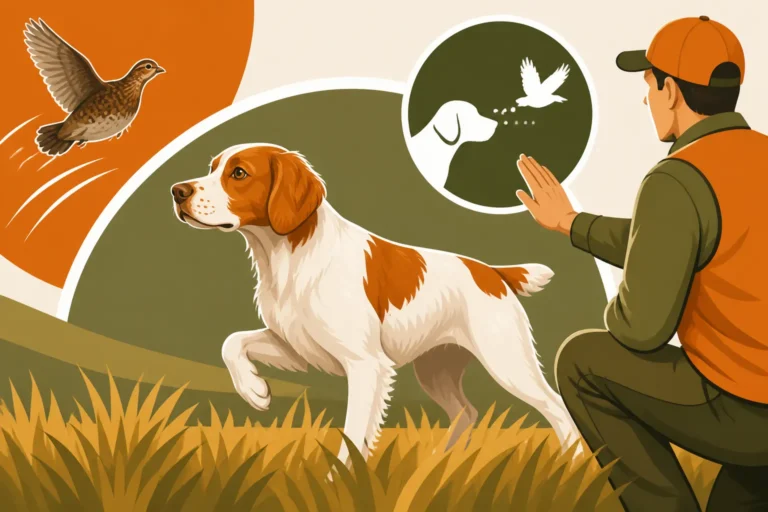
Once your Brittany is consistently showing no negative reaction to the distant pops during meal times or stationary play, you can start to integrate the sounds into more active scenarios. Take your dog on a fun walk or an off-leash retrieve session in that same large, open field. While they are happily exploring or eagerly retrieving a bumper, have your helper fire a distant shot. Again, your reaction (or lack thereof) is key. Keep the energy light and positive, focusing entirely on the game or the walk. The Age a Brittany Should Hear Its First Shot isn't set in stone, but the earlier you start with these positive, distant introductions, the better.
The goal is for the gun sound to become just another element of a normal, enjoyable outing. It's not something to be feared or even given much attention. It's simply part of the background noise when they're having fun. By making the sound predictable in its non-threat, and associating it with high-value activities, you're building a mental catalog of positive experiences. If your Brittany ever shows signs of being startled or anxious, immediately increase the distance of the shooter or revert to a quieter sound. Never, ever push through the fear. The entire process relies on building confidence, and pushing a sensitive dog will only erode it. The patience you invest now will pay dividends in a steady, confident hunting companion later.
Progressing to Closer and Louder Gunfire
Once your Brittany is completely relaxed with distant, muffled sounds, you can slowly begin to close the gap and increase the volume. This stage requires even more vigilance and a keen eye for your dog's subtle cues.
Incremental Reductions in Distance and Increases in Volume
This is a delicate dance, and it needs to be done with extreme care. Continue to use your helper and the starter pistol in your large, open field. The only difference is that with each successful session, your helper will reduce the distance to your dog by a small, incremental amount – perhaps 10-20 yards at a time. Never make a big jump. Your dog should remain engaged in their positive activity (retrieving, exploring, playing) and show no signs of concern with the sound. The moment you see a flicker of apprehension – a head turn, an ear twitch, a momentary freeze, or a slight stiffening of the body – you know you've gone too far, too fast.
If you observe any such signs, immediately go back to the distance where your dog was completely comfortable. It's far better to take two steps back and reinforce confidence than to push forward and risk creating a negative association. The key is that the sound should be present but never alarming. Think of it as slowly turning up the volume dial on a radio – you want it to be a smooth, almost imperceptible increase, not a sudden blast. This process might take weeks or even months, and that's perfectly normal for a sensitive Brittany.
Introducing Different Types of Gunfire
After your Brittany is completely comfortable with the starter pistol at various distances, including relatively close ones (e.g., 25-50 yards), you can begin the transition to a shotgun. This is another major step and should be treated like a brand new introduction. Start by having your helper fire a shotgun (using light loads, if possible) at the same distant range you started with the starter pistol – 100-200+ yards away. A shotgun has a different sound signature, often deeper and more concussive, so it needs to be introduced with the same caution as the very first sound.
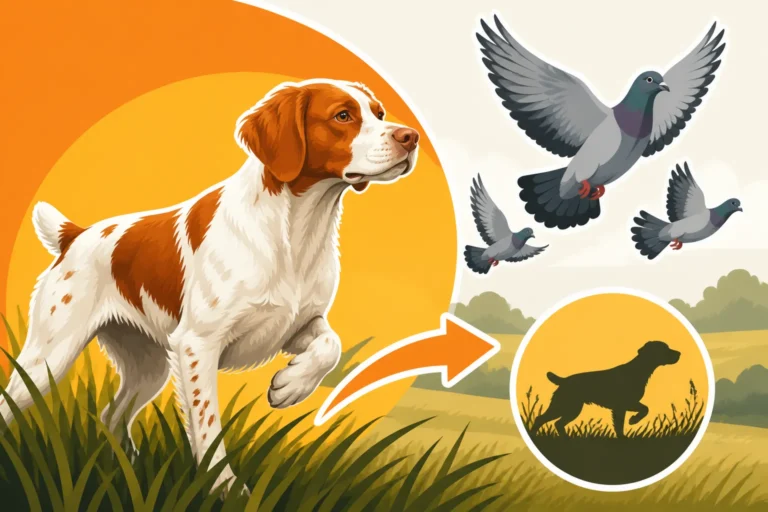
Again, ensure your dog is happily engaged in a positive activity. Once they are accustomed to the distant shotgun blasts, you can incrementally reduce the distance, just as you did with the starter pistol. Consider incorporating actual bird work into this stage. While your Brittany is pointing or retrieving a planted bird, have your helper fire a shotgun from a significant distance. The excitement and natural instinct of the hunt can often override minor apprehension, creating a very strong positive association. However, always be ready to back off if your dog shows any signs of distress.
Training Around Other Dogs and Hunters
Once your Brittany is reliably steady to various gun sounds when working with you and a single helper, it's time to introduce them to the complexities of a real hunting environment. This means exposing them to multiple guns, different types of shots, and the presence of other hunters and dogs. Start in a controlled setting, perhaps with one or two calm, experienced gun dogs that are already steady to shot. Observing another dog remain unfazed by gunfire can be incredibly reassuring for a sensitive Brittany.
Attend a local hunt test or field trial as a spectator, keeping your dog at a distance where they are comfortable. Let them observe the sounds and activities from afar, gradually moving closer over multiple visits. When it's time to actually hunt with other people, make sure they understand your Brittany's sensitive nature. Ask them to fire shots at a greater distance from your dog initially, and keep your Brittany focused on the birds and the hunt. The goal is to make the sounds of the field a normal, integrated part of the exhilarating hunting experience, not a separate, alarming event. Remember that How Far Away a Brittany's First Shot Should Be is a critical factor and must be adjusted for sensitivity.
Recognizing and Addressing Signs of Gun Shyness
Even with the most careful introduction, some Brittanys might still show signs of apprehension. Knowing how to spot these early warnings and how to respond appropriately is crucial to preventing full-blown gun shyness.
Identifying Early Warning Signals
It's tempting to think that if your dog isn't outright bolting, they're fine. But with a sensitive Brittany, the signs of distress can be subtle. Learn to read your dog's body language. Early warning signals might include:
- Ear position: Flattened against the head, pulled back.
- Tail position: Tucked low between the legs, or stiffly held.
- Body posture: Crouching, cowering, trying to make themselves small.
- Movement: Freezing, becoming stiff, refusing to move, or conversely, trying to escape or hide.
- Eyes: Dilated pupils, wide "whale eye" (showing the whites of their eyes), darting glances.
- Panting/Drooling: Excessive panting or drooling when not hot or exercising.
- Licking lips/Yawning: Often stress signals.
- Loss of interest: Refusing treats or toys they normally love.
- Inattention: Unable to focus on you or the task at hand.
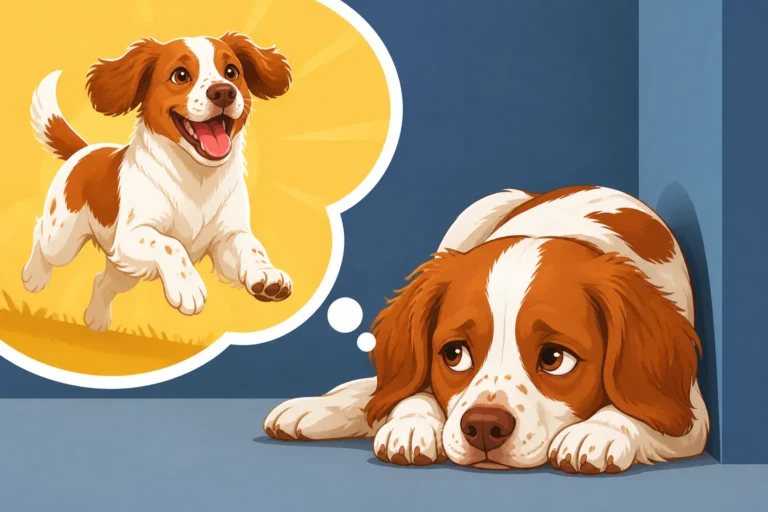
Even a slight stiffening or a quick glance around after a shot should be noted. These are your dog's ways of communicating "I'm not comfortable." Ignoring these signals and continuing to push could lead to a severe fear response. If you're seeing any of these signs, you need to reassess your approach. For a deeper dive into these behaviors, consider looking at Signs a Brittany Is Becoming Gun Shy.
Retreating and Rebuilding Confidence
If your Brittany exhibits any of the warning signs, the absolute best thing you can do is immediately stop the session and retreat. Do not scold them, do not try to "comfort" them by fussing over their fear (which can inadvertently reinforce the behavior), and certainly do not force them. Simply end the activity, put the gun away, and calmly take your dog back to a safe, quiet space. The next time you attempt an introduction, you must go back to a stage where your dog was unequivocally comfortable and confident. This might mean significantly increasing the distance of the shooter, using a quieter sound source, or simply focusing on non-gun-related positive reinforcement for a few sessions.
The key here is patience. You are effectively "resetting" their emotional state. Rebuild confidence by engaging in activities they love, totally separate from gun sounds. Then, when you reintroduce the sound, make sure it is at such a low level or far distance that there is absolutely no possibility of a negative reaction. Associate the sound with extremely high-value rewards – the absolute best treats, their favorite game. The goal is to flood them with positive associations, effectively "erasing" the previous negative one. It's a slow process, but it's the only way to genuinely rebuild their trust and confidence around gunfire.
The Importance of Professional Guidance
Sometimes, despite your best efforts, a Brittany's gun shyness can be deeply ingrained or particularly severe. If you find yourself hitting a wall, or if your dog's fear response is escalating, it's time to seek professional help. A qualified gun dog trainer with experience in sensitive breeds and behavioral modification is an invaluable resource. They can assess your dog's specific triggers and fear levels, identify any subtle body language cues you might be missing, and develop a tailored desensitization and counter-conditioning plan.
A good professional trainer won't use harsh methods or try to "fix" your dog through force. Instead, they'll use positive, humane techniques to systematically expose your dog to gun sounds in a controlled and safe manner. They can also offer insight into your own handling techniques and help you refine your approach. Remember, it's not a sign of failure to ask for help; it's a responsible choice that gives your Brittany the best chance at overcoming their fear and becoming a happy, confident hunting companion. For those looking for structured guidance, online training platforms like BAXTER & Bella offer programs that can provide a framework for positive reinforcement and desensitization, which can be a great starting point before seeking in-person professional help. If you're dealing with a truly gun-shy dog, be sure to read How to Rebuild a Gun Shy Brittany for specific strategies.
Common Mistakes and Best Practices for Sensitive Brittanys
When working with a sensitive breed like the Brittany, certain approaches can be detrimental, while others are universally helpful. Understanding these can make all the difference in your success.
What NOT to Do When Introducing Guns
With a sensitive Brittany, what you don't do is often as important as what you do. Avoid these common pitfalls at all costs:
- Never Force It: This is the golden rule. If your dog is showing fear, do not drag them closer to the sound, hold them down, or otherwise force them to endure the noise. This will only amplify their fear and create a deeply traumatic experience, potentially leading to irreversible gun shyness.
- No Sudden, Unprepared Blasts: Never, ever take a new dog to a shooting range or hunting preserve and let a shotgun go off unexpectedly nearby. The first sound must be controlled, distant, and associated with something positive. A sudden, loud bang out of nowhere is a recipe for disaster for a sensitive dog.
- Don't Scold or Punish Fear: Your dog's fear is a genuine emotional response, not an act of defiance. Punishing a dog for being afraid will not make them less afraid; it will only make them afraid of you and the situation, leading to a breakdown in trust.
- Avoid Excessive Reassurance: While you shouldn't scold, overly comforting a dog who is showing fear can sometimes inadvertently reinforce the fearful behavior. Acknowledge their concern by backing off, but then redirect their attention to a positive, confident activity without fussing over the fear itself.
- Don't Assume "One and Done": Just because one session went well doesn't mean your dog is "cured" or fully desensitized. This is a gradual process requiring consistent, positive reinforcement over many sessions and various environments.
- Don't Neglect General Sound Socialization: Focusing solely on gunfire while neglecting broader sound exposure can create a dog that is fine with guns but still spooky about other loud noises. A well-rounded approach is best.
Remember, Why a Brittany Is Easy to Ruin With a Gun often comes down to one or more of these mistakes.
Consistency and Patience Are Key
Building a confident, gun-steady Brittany is a marathon, not a sprint. There are no shortcuts, especially with a sensitive dog. Consistency in your training approach is paramount. This means making sound desensitization a regular part of your routine, even if it's just a few minutes each day. Short, frequent sessions are far more effective than long, infrequent ones. Long sessions can lead to fatigue, boredom, or even overwhelm, all of which are counterproductive. Five to ten minutes of positive, controlled exposure, several times a week, will yield much better results than one hour-long session once a month.
Patience is your most valuable tool. There will be days when you feel like you're not making progress, or even taking steps backward. That's okay. Celebrate the small victories – a twitch-free ear, a continued focus on a toy, a relaxed body posture. Every tiny step forward is a win. Never allow yourself to get frustrated with your dog; if you feel yourself getting stressed, end the session and try again another day. Your calm, confident demeanor is a critical part of the training environment. If you're anxious, your Brittany will sense it and become anxious themselves. Trust the process, trust your dog, and remember that slow and steady wins the race.
Utilizing a Positive Training Environment
Creating the right atmosphere for training is often overlooked but profoundly impactful, especially for a sensitive breed like the Brittany. Before any sound introduction session, ensure your dog is in an optimal state for learning and positive engagement. This means they should be well-rested, not overly tired or wired from lack of sleep. They should also be adequately fed but not so full that they're sluggish, or so hungry that they're distracted. And crucially, they need to have had ample physical exercise to burn off excess energy. A tired dog is generally a calmer, more receptive dog.
Your own emotional state is equally important. Dogs are incredibly attuned to human emotions. If you approach a session feeling tense, worried, or stressed, your Brittany will pick up on that anxiety and reflect it. Strive for a calm, confident, and cheerful demeanor. Your positive energy will reassure your dog that everything is okay. Think of yourself as their anchor in a new, potentially startling experience. Maintain a light tone, offer praise freely, and make sure every interaction is positive. This approach, combined with the Brittany's inherent biddability, can make a huge difference. As we've discussed before, The Brittany Is the Softest of the Pointing Breeds, meaning they respond best to gentle, encouraging methods in an environment where they feel completely safe.
Beyond Gunfire: Holistic Sound Desensitization
While gun introduction is the immediate goal, a truly confident Brittany in the field benefits from a broader approach to sound desensitization that goes beyond just the bang.
General Noise Exposure and Habituation
Think about all the noises a hunting dog encounters: truck engines, slamming doors, other barking dogs, whistles, calls, rustling brush, the splash of water, even human conversations and laughter. If your Brittany is generally sensitive to unexpected or loud sounds, focusing solely on gunfire might leave them unprepared for other aspects of the hunting environment. A comprehensive approach involves exposing your dog to as many different sounds as possible in a controlled, positive way. This builds a general resilience to noise and helps them habituate to the idea that sounds, even loud ones, are a normal part of life and not always a threat.
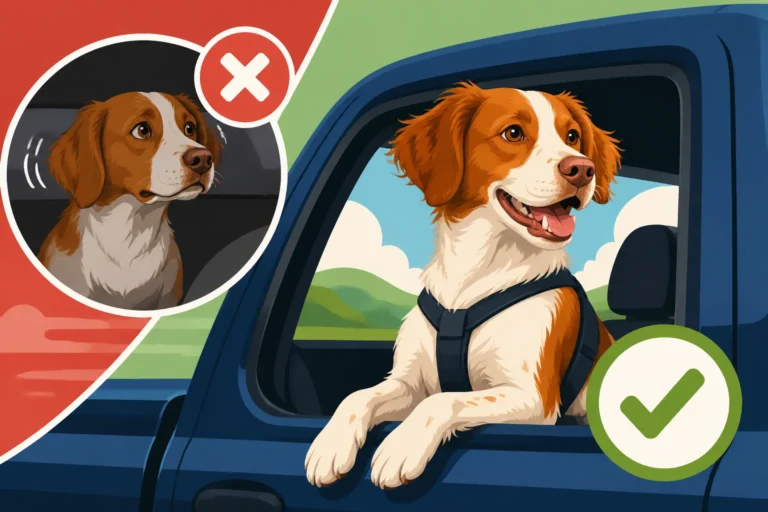
Take your Brittany on car rides, expose them to the sounds of a busy park or a bustling street (from a safe distance, of course). Let them hear different types of music, the sounds of home appliances, and even recordings of thunderstorms or fireworks played at a low volume. Always pair these exposures with positive reinforcement – treats, praise, or a favorite game. The goal is for these sounds to become background noise that your dog can simply tune out, rather than something that triggers a startle response. This broad exposure is vital; just as Whether a Brittany Puppy Should Be Socialized Heavily applies to social interactions, it also applies to environmental stimuli like sounds.
Desensitizing to Other Hunting Sounds
The sound of a gun isn't the only noise associated with hunting that might startle a sensitive Brittany. Consider sounds like bird launchers, which often make a distinct "whoosh" or "thump" as they launch a bird. The whirring of a remote-controlled training pigeon, the sharp blast of a dog whistle, or even the intense rustle of heavy cover can be unexpected for a novice dog. Just like with gunfire, these sounds should be introduced gradually and positively.
Start by introducing these sounds from a distance, while your dog is engaged in a fun activity. For example, fire a bird launcher without a bird while your dog is playing, gradually moving it closer or increasing its frequency. Use the same "food and fun" method, ensuring that positive associations are built. Investing in quality training birds and launchers, often available from sporting goods retailers or through marketplaces like Amazon, allows you to create realistic, yet controlled, training scenarios for these specific sounds. By systematically desensitizing your Brittany to all the sounds of the hunt, you are preparing them for a much more confident and enjoyable experience in the field.
Creating a Calm "Home Base"
Beyond active desensitization, it's incredibly important to ensure your Brittany has a calm, secure "home base" where they can decompress and feel completely safe. This might be their crate, a specific bed in a quiet room, or simply a designated corner of the house. This personal sanctuary should be a place where they are never bothered, where they can retreat when feeling overwhelmed, and where loud noises are generally kept to a minimum.
Having this predictable, safe space reinforces their overall sense of security and well-being. If a Brittany knows they can always retreat to a quiet haven after a stimulating or potentially stressful experience (like a training session with new sounds), it helps them process and recover. This isn't about isolating them, but rather giving them control over their environment and a place to truly relax. For a high-energy and sensitive breed, this ability to switch off and feel safe is crucial for their mental health and overall confidence. Even if you live in a smaller space, knowing Whether a Brittany Can Live in an Apartment happily depends greatly on providing consistent exercise and a calm, personal retreat within that space.
Stages of Gun Introduction for Sensitive Brittanys
To help visualize the progressive steps for introducing gunfire, especially to a sensitive Brittany, here's a table outlining the stages, focus, and key considerations. This is a guideline; always adjust based on your individual dog's reactions.
| Stage | Focus | Equipment/Location | Key Actions | Goal |
|---|---|---|---|---|
| 1: Pre-Conditioning | General noise desensitization, building confidence | Household, varied environments, recordings | Expose to diverse sounds (vacuum, traffic, thunder recording) paired with positive rewards. Build strong obedience foundation. | Dog views everyday loud sounds as normal/non-threatening. Strong bond and trust with handler. |
| 2: Initial Distant Pop | First gun-like sound, extreme distance | Starter pistol/cap gun, large open field (100-200+ yards) | Helper fires single distant shot while dog is eating/playing enthusiastically. Handler remains calm. | Dog barely registers the distant pop, associates it with positive activity. No startle response. |
| 3: Play & Movement Integration | Distant pop during active enjoyment | Starter pistol/cap gun, large open field (100-200+ yards) | Helper fires distant shot while dog is on a fun walk, retrieving, or exploring. Handler maintains upbeat mood. | Dog views distant pop as a non-event during fun, active outings. |
| 4: Gradual Distance Reduction | Incremental closing of distance | Starter pistol, large open field (gradually 100 yards down to 25-50 yards) | Systematically reduce shooter's distance in small increments (10-20 yards/session). Always observe dog for apprehension. | Dog is comfortable with starter pistol at closer distances during varied activities. |
| 5: Shotgun Introduction | Transition to realistic firearm sound | Shotgun (light loads), large open field (start back at 100-200+ yards) | Re-introduce a single, distant shotgun blast using the "food and fun" method, then progress distance as before. | Dog accepts distant shotgun sounds as non-threatening. |
| 6: Field Environment Simulation | Realistic hunting sounds and scenarios | Shotgun, bird launcher, whistles, varied cover, other calm dogs | Incorporate shotgun shots during actual bird work. Expose to multiple guns, other dogs, and field noises. | Dog is confident and focused on the hunt amidst all typical field sounds. |
Disclaimer
This article is for general informational purposes only and does not constitute professional advice. Laws, prices and regulations vary by location and change over time. Consult a qualified professional for guidance on your specific situation.