How Many Hours a Brittany Can Be Left
It's a question many Brittany owners grapple with, often accompanied by a pang of guilt: how long is too long to leave my energetic, devoted companion home alone? Life happens, errands call, and work demands our time, but understanding the unique needs of a Brittany is crucial to preventing boredom, anxiety, and the destructive behaviors that can follow. This guide will delve into realistic expectations for leaving your Brittany, provide practical strategies to make their solo time more comfortable, and help you recognize when your beloved bird dog needs more support.
Understanding Your Brittany's Need for Companionship and Activity
Brittanys are not just dogs; they're partners, bred for intense fieldwork and deep connection with their human counterparts. Their lineage as versatile pointing dogs means they come hardwired with an incredible amount of energy and a profound desire to be with you, which directly impacts their ability to handle solitude.
The Brittany's Inherent Drive and Energy Levels
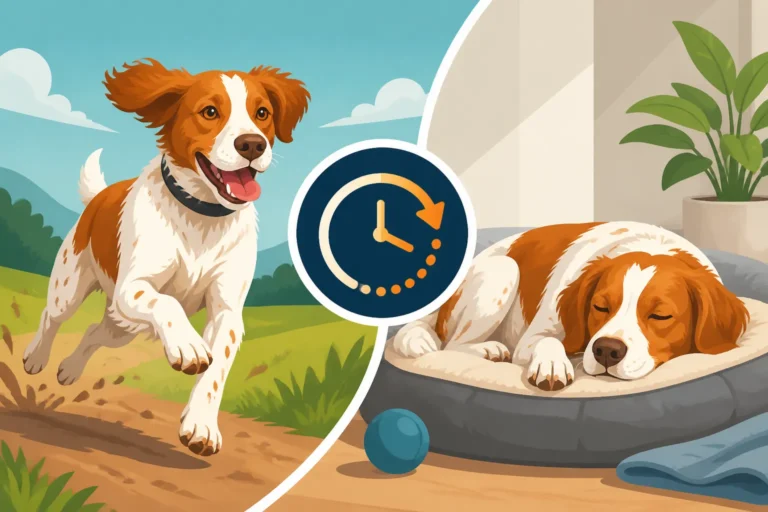
Imagine a dog engineered to cover vast amounts of ground, tirelessly quartering fields, driven by an instinct to find and point game. That's your Brittany. This isn't a breed content to be a couch potato for hours on end, waiting patiently for you to return. Their high intelligence, coupled with their athletic build and seemingly endless stamina, means they crave both physical exertion and mental engagement. They thrive on having a "job" to do, whether it's hunting, retrieving, or just running around the yard with you.
When these needs aren't met, that coiled energy has to go somewhere. Owners often describe a feeling of being constantly "on" with their Brittanys, and it's easy to see why. Neglecting their exercise requirements, even for a day, can result in a whirlwind of pent-up energy that manifests in less-than-desirable ways when they're left alone. It's not maliciousness; it's simply a genetic imperative demanding an outlet. If you've ever come home to scattered couch cushions or chewed baseboards, you know exactly what I'm talking about.
Brittanys as "Velcro Dogs": The Social Aspect
Beyond their physical demands, Brittanys are incredibly social creatures. They form strong, almost inseparable bonds with their families, often earning them the affectionate moniker of "Velcro dogs." They love to be involved in whatever you're doing, following you from room to room, leaning against your legs, or resting their chin on your lap. This deep attachment is one of the most endearing qualities of the breed, but it also means they don't always take well to being left in isolation.
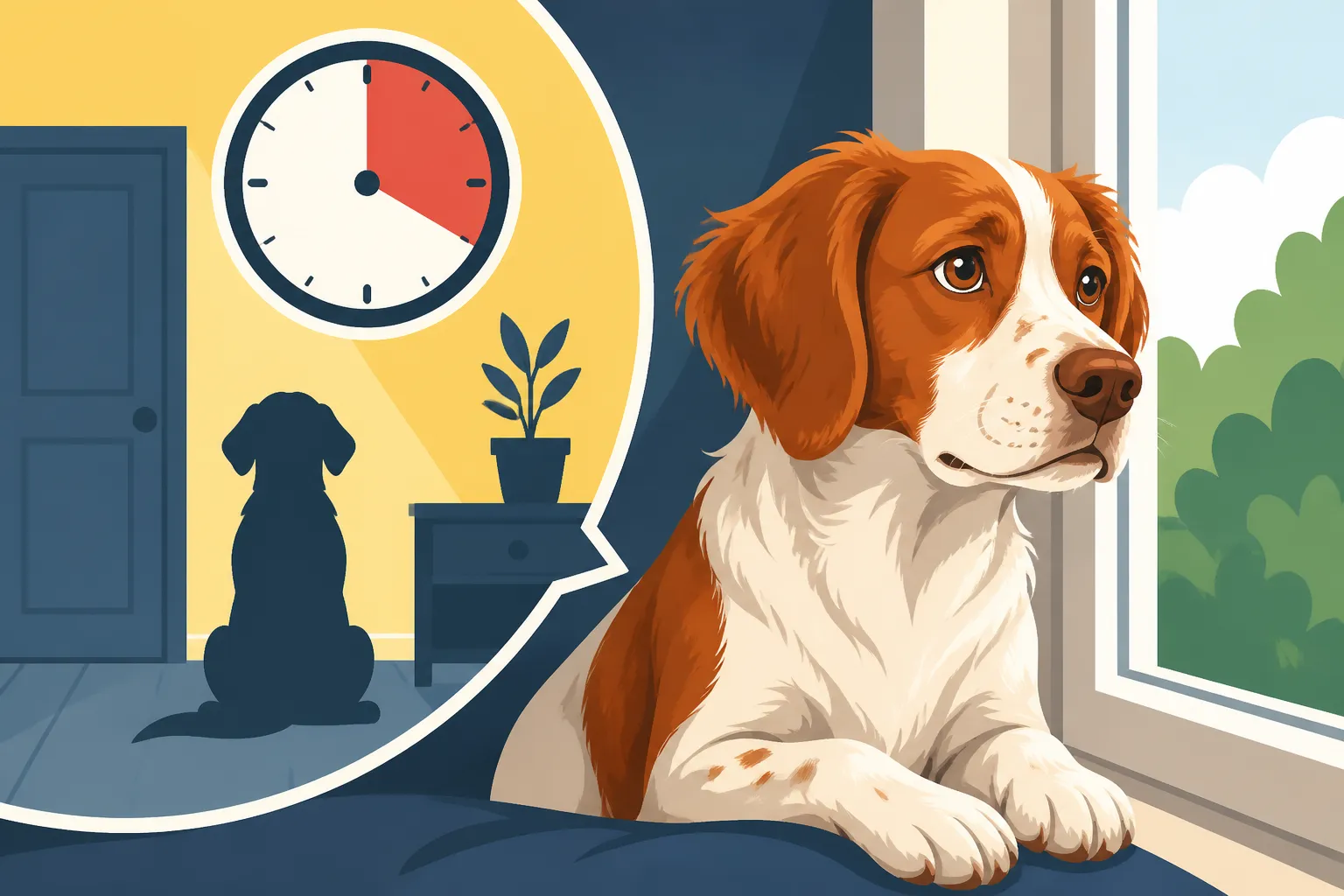
Their need for companionship isn't just about cuddles; it's about feeling secure and connected. When that connection is broken for extended periods, especially without proper preparation, it can lead to feelings of distress and loneliness. It's why many Brittanys develop separation anxiety, vocalizing their unhappiness, pacing, or even trying to escape. They're not being "bad"; they're genuinely struggling with the absence of their primary social unit. Understanding this inherent need for closeness is the first step in setting realistic expectations for how long your Brittany can comfortably spend alone.
The Risks and Realities of Leaving a Brittany Alone Too Long
Leaving a Brittany alone for excessive periods isn't just a matter of convenience; it can have significant repercussions on their behavior, physical health, and emotional well-being. What might seem like a minor inconvenience to us can be a deeply distressing experience for a dog whose primary instinct is companionship and activity.
The Manifestations of Boredom and Anxiety
When a Brittany is left alone for too long, especially if they haven't had adequate exercise or mental stimulation, that pent-up energy and emotional distress have to find a release. The results can be frustrating, to say the least.
One of the most common manifestations is destructive chewing. A bored Brittany might decide that your favorite pair of shoes, the leg of your dining room table, or even the drywall is a perfectly acceptable substitute for a game of fetch or a mentally stimulating puzzle. It's not that they're trying to punish you; they're simply trying to cope with their anxiety or alleviate their boredom. This isn't just annoying; it can be dangerous if they ingest something harmful. Many owners lament coming home to a house that looks like a tornado went through it, and this is almost always a clear signal that their Brittany's needs for activity and companionship are not being met. You might find a detailed exploration of these behaviors in What a Bored Brittany Destroys.
Excessive barking and whining are another frequent complaint. Your neighbors might not be as understanding of your Brittany's lamentations as you are. These vocalizations are often a desperate attempt to call you back or express their distress. In some cases, owners return to find that their otherwise housetrained Brittany has had an accident inside, a clear sign of stress or simply being unable to "hold it" for too long. This isn't a lapse in training but a symptom of an underlying problem related to their alone time.
Physical and Mental Health Implications
The consequences of prolonged solitude extend beyond behavioral issues; they can deeply impact your Brittany's overall health. Chronic stress and anxiety, brought on by frequent or extended periods of being alone, can weaken their immune system, making them more susceptible to illness. Just like humans, dogs under constant stress can develop physical ailments.
Lack of consistent exercise is also a major concern. If your Brittany is spending too many hours alone, it likely means they're not getting the physical activity their breed demands. This can lead to weight gain, which puts undue strain on their joints and organs, potentially shortening their lifespan. Over time, an under-exercised Brittany can also become lethargic and depressed, losing some of that joyful, enthusiastic spark that makes them such wonderful companions.
Furthermore, a dog that is consistently anxious or bored won't be able to engage in proper rest. While they might nap sporadically, their minds will be constantly on alert or seeking an outlet, preventing the deep, restorative sleep necessary for good health. This cycle of stress and insufficient activity can create a very unhappy, unhealthy dog, and that's the last thing any Brittany owner wants for their loyal friend.
Strategies for Managing Your Brittany's Time Alone
While it might feel impossible to perfectly align your schedule with your Brittany's energetic needs, there are many effective strategies you can employ to make their alone time more comfortable and manageable. It's all about proactive planning and creating a supportive environment.
Pre-Departure Preparation and Exercise
The golden rule for any high-energy dog, especially a Brittany, is "a tired dog is a good dog." Before you leave your Brittany alone, make a concerted effort to drain some of that boundless energy. This isn't just a quick walk around the block; it needs to be a substantial physical and mental workout.
Consider a long, brisk walk or a spirited game of fetch in the park. If you have access to a safe, fenced area, letting them run and explore for a good 30-60 minutes can work wonders. Many Brittany owners swear by a solid retrieve session or even a short training drill before they head out. Getting their bodies moving and their minds engaged before you leave helps them settle down much more easily. A tired Brittany is far less likely to resort to destructive behaviors or persistent barking out of boredom. For more ideas on keeping them fit, you might want to read How Much Exercise a Brittany Needs Off Season. Even a quick mental exercise session, like a few minutes of obedience commands or a hide-and-seek game with treats, can contribute significantly to their readiness for alone time.
Creating a Safe and Engaging Environment
Once your Brittany is sufficiently tired, the next step is to ensure their environment is set up for success while you're gone. This often involves a combination of containment and enrichment.
Crating can be an excellent tool when used correctly. A properly sized crate should be a comfortable, den-like space where your Brittany feels secure, not a punishment. Introduce it gradually and positively, ensuring it's associated with good things like treats and quiet time. For Brittanys, a sturdy wire crate or a heavy-duty plastic kennel can be found on retailers like Amazon. Make sure there's enough room for them to stand, turn around, and lie down comfortably. If you're wondering about crates, Whether a Brittany Can Be a Kennel Dog offers further insights.
Beyond crating, consider dog-proofing a specific room or area of your home. Remove anything valuable or potentially dangerous that your Brittany might be tempted to chew. Provide plenty of appropriate chew toys and puzzle feeders filled with high-value treats. These mental games can keep their brains occupied for a significant amount of time, turning their alone time into a positive, enriching experience rather than a boring one. Some interactive toys dispense kibble slowly, requiring your dog to work for their meal, which can be a great distraction. You can find a wide variety of these enrichment toys on Amazon, perfect for keeping a clever Brittany engaged.
Mid-Day Solutions and Support Systems
For those unavoidable long days, relying solely on pre-departure exercise and a few toys might not be enough. This is where external support systems come into play.
Hiring a professional dog walker to come mid-day can be a game-changer. Even a 30-minute walk can break up the monotony, allow them to relieve themselves, and provide some much-needed human interaction. If a professional walker isn't in your budget, perhaps a trusted neighbor, friend, or family member could step in.
Doggy daycare is another excellent option for social Brittanys who enjoy the company of other dogs. It provides supervised play, exercise, and socialization, ensuring they come home tired and happy. However, ensure the daycare is reputable, with experienced staff and a good dog-to-staff ratio. Not every Brittany thrives in a high-energy daycare setting, so a trial period is always recommended. For Brittanys that prefer human company over canine, a pet sitter who comes to your home can provide personalized attention and comfort. These options can significantly reduce the mental and physical toll of long hours alone.
Training Your Brittany for Alone Time Success
Beyond environmental management, active training plays a pivotal role in helping your Brittany develop a healthy relationship with solitude. It's not about forcing them to endure loneliness, but rather teaching them that being alone is a normal, non-threatening part of their routine.
Desensitization and Gradual Increase in Alone Time
One of the biggest mistakes owners make is suddenly leaving their Brittany for an extended period without prior preparation. For a sensitive breed like the Brittany, this can be quite traumatic. The key is desensitization and gradually building up their tolerance.
Start by practicing short absences. Leave the room for a minute or two, then return calmly. Don't make a big fuss when you leave or return; this helps your Brittany understand that your departures are routine, not a dramatic event. Gradually increase the duration of your absences. First, leave them in their crate or designated safe space while you're still home but in another room. Once they're comfortable with that, step outside for a few minutes, then five, then ten, and so on.
Pay attention to your departure cues – things like grabbing your keys, putting on your coat, or picking up your bag. Brittanys are smart and quickly learn to associate these actions with your leaving. Practice these cues randomly throughout the day without actually leaving, or by simply going out for a moment and returning, to dilute their predictive power. This helps to reduce anticipatory anxiety. The goal is to make alone time a neutral experience, not one filled with panic. This approach can be particularly helpful if you're dealing with early signs of Whether a Brittany Gets Separation Anxiety.
Utilizing Training Programs and Resources
Sometimes, tackling alone-time issues requires more structured guidance, especially for puppies or Brittanys with existing anxieties. Professional trainers or comprehensive online programs can provide invaluable support.
A good obedience foundation is crucial. Teaching your Brittany a solid "stay" command, for example, can be an excellent starting point for building their tolerance for your absence, even if you're just in another room. Programs like BAXTER & Bella offer online puppy training courses and resources that can help owners establish good habits from a young age, including exercises focused on building confidence and comfort with being alone. They emphasize positive reinforcement and structured learning, which aligns well with the Brittany's sensitive nature.
If your Brittany exhibits severe signs of distress, such as frantic escape attempts, self-mutilation, or incessant vocalization, it's wise to consult a certified professional dog trainer or a veterinary behaviorist. They can help diagnose the root cause of the anxiety and develop a tailored behavior modification plan, sometimes including medication in conjunction with training. Remember, training is an ongoing process, and consistency is far more important than intensity when it comes to teaching a Brittany to be comfortable on their own.
Realistic Expectations and When to Seek Help
Setting realistic expectations for how long your Brittany can be left alone is vital for both your sanity and their well-being. There's no one-size-fits-all answer, but understanding the general guidelines and knowing when to seek professional help are key.
Defining "Too Long" for Your Individual Brittany
The amount of time a Brittany can comfortably be left alone depends heavily on several factors: their age, individual temperament, and how well their needs are met before you leave.
- Puppies (Under 6 months): Young puppies have tiny bladders and an even greater need for social interaction. They should generally not be left alone for more than 2-3 hours at a time. This includes frequent potty breaks, feeding, and play. Pushing them beyond this limit can lead to housetraining regressions and heightened anxiety.
- Adolescent Brittanys (6-18 months): These are often the most challenging, full of energy and curiosity, but with a bit more bladder control. They might manage 4-6 hours, but this requires substantial exercise beforehand and plenty of mental stimulation while you're gone. If they're prone to destructive chewing, this age group needs extra supervision and indestructible toys.
- Adult Brittanys (1.5 – 7 years): A well-exercised, well-adjusted adult Brittany can typically handle 6-8 hours alone. This is often the maximum recommended, even for the calmest dogs. Any longer than this, and you're really pushing their limits for both physical comfort (needing to potty) and mental well-being (loneliness, boredom). Some exceptional individuals might cope with a bit longer, but it should not be a daily occurrence.
- Senior Brittanys (8+ years): As Brittanys age, their needs can shift. They might have less energy but often require more frequent potty breaks due to aging bladders or medical conditions. An older Brittany, particularly if dealing with issues like those discussed in The Age a Brittany Is Considered Senior, might only be comfortable for 4-6 hours, or even less, depending on their health.
It's important to remember these are general guidelines. Some Brittanys are naturally more independent, while others are incredibly sensitive and prone to separation anxiety. Observing your dog's behavior when you return home, and even using a pet camera to monitor them while you're away, can give you valuable insights into their comfort levels.
Here's a quick reference table:
| Age Group | General Max Alone Time (Hours) | Key Considerations |
|---|---|---|
| Puppy (Under 6 months) | 2-3 | Frequent potty breaks, high social needs |
| Adolescent (6-18 months) | 4-6 | High energy, potential for destructive chewing |
| Adult (1.5 – 7 years) | 6-8 | Pre-departure exercise, mental enrichment is crucial |
| Senior (8+ years) | 4-6 (or less) | Frequent potty breaks, health considerations |
Recognizing Signs of Severe Separation Anxiety
While some level of protest when you leave is normal, severe separation anxiety is a serious behavioral issue that requires intervention. It's more than just being bored; it's a genuine panic attack.
Look for these escalated signs:
- Destructive behavior focused on exit points: Chewing around doors, windows, or attempting to dig out of crates. This isn't random destruction but an effort to reunite with you.
- Excessive and persistent vocalization: Constant barking, howling, or whining that doesn't subside. A pet camera can confirm this.
- Self-harm: Licking or chewing paws or other body parts to the point of injury.
- Loss of bladder/bowel control: Urinating or defecating indoors, even if recently let out, and especially if accompanied by other anxiety signs.
- Pacing or trembling: Continuous restless movement or shivering, even in a comfortable environment.
If your Brittany exhibits these severe symptoms, they are not simply misbehaving; they are truly suffering. This is the time to reach out to your veterinarian. They can rule out any underlying medical conditions and may recommend consulting with a certified veterinary behaviorist. These specialists are trained to diagnose and treat complex behavioral issues like separation anxiety, often using a combination of behavior modification techniques, environmental changes, and sometimes medication to help your Brittany cope. Addressing severe anxiety early can prevent it from worsening and significantly improve your dog's quality of life.
Ultimately, leaving your Brittany alone requires careful consideration and a tailored approach to meet their individual needs. It's a balance of exercise, mental stimulation, a safe environment, and perhaps a little extra help when life calls you away for longer stretches.
Disclaimer
This article is for general informational purposes only and does not constitute professional advice. Laws, prices and regulations vary by location and change over time. Consult a qualified professional for guidance on your specific situation.