What Share of Brittanys Fail an OFA Hip Screen
The fear of your beloved Brittany facing debilitating joint issues is a real source of anxiety for many owners, especially with all the talk about hip dysplasia in active breeds. You want to know if your energetic companion is truly at risk and what the statistics actually say about the chances of a Brittany failing an OFA hip screen. This guide will walk you through the specifics of OFA certifications, reveal the actual percentages for Brittanys, and explain what these numbers mean for your dog's future.
Understanding OFA Hip Screening and Grading for Brittanys
When we talk about hip screening for Brittanys, the Orthopedic Foundation for Animals (OFA) is often the first name that comes up. It’s a voluntary registry that has been collecting data and providing hip evaluations for dogs for decades. For many Brittany breeders and owners, an OFA certification is a hallmark of responsible breeding practices, aiming to reduce the incidence of hip dysplasia within the breed. It’s more than just a piece of paper; it’s a detailed radiographic examination of your dog's hips, interpreted by a panel of three independent, board-certified veterinary radiologists.
The process typically involves taking specific X-ray views of your Brittany’s hips when they are at least 24 months old. This age is crucial because it's when the hip joints are considered mature enough for a definitive evaluation. Attempting to screen earlier, say before their growth plates fully close, might give misleading results. Once the X-rays are submitted, the radiologists review them and assign one of seven possible grades based on the congruence, conformation, and overall health of the hip joint.
The Seven OFA Hip Grades
The OFA uses a standardized grading system that ranges from excellent to severely dysplastic. Understanding these grades is key to interpreting your Brittany’s results:
- Excellent: This is the best possible grade, indicating superior hip joint conformation with a tightly fitting femoral head (ball) into a well-formed acetabulum (socket). There's very little space between the two, signifying excellent joint integrity.
- Good: Hips are well-formed and healthy, with good congruence between the ball and socket. It's a solid, healthy rating, just slightly less perfect than Excellent.
- Fair: While not perfect, these hips are still considered within the normal range. There might be minor irregularities, but they are still functionally healthy. These three grades—Excellent, Good, and Fair—are all considered "Normal" and eligible for an OFA certification number. This means a Brittany with a "Fair" rating has passed the OFA screening for healthy hips.
- Borderline: This grade is exactly what it sounds like. The radiologist sees some mild changes that prevent them from assigning a "normal" pass, but the changes aren't significant enough to definitively diagnose dysplasia. Dogs receiving a Borderline grade are recommended to have their hips re-evaluated in six to twelve months. For a breeder, this is generally considered a "fail" as it doesn't grant a clear certification.
- Mild Dysplasia: There are definite radiographic signs of hip dysplasia. This could include slight flattening of the femoral head or a shallow acetabulum, leading to some joint laxity.
- Moderate Dysplasia: More pronounced changes are visible, such as significant flattening of the femoral head, a shallow acetabulum, and substantial joint laxity. Dogs with moderate dysplasia often show clinical signs of discomfort.
- Severe Dysplasia: This is the most extreme form, characterized by significant anatomical changes, severe joint laxity, and often evidence of degenerative joint disease. Brittanys with severe dysplasia typically experience significant pain and mobility issues.
When people ask what share of Brittanys fail an OFA hip screen, they are generally referring to those dogs graded Borderline, Mild, Moderate, or Severe dysplasia, as these ratings do not result in a "Normal" certification number, which is essential for responsible breeding. You can learn more about exactly when a Brittany's hips should be X rayed for the most accurate results.
The Numbers: Brittany OFA Hip Dysplasia Rates
It's natural to wonder about the statistical likelihood of your Brittany developing hip dysplasia. Fortunately, the OFA makes its breed statistics publicly available, offering valuable insights into the health trends of the Brittany Spaniel. These numbers are derived from thousands of evaluations submitted by breeders and veterinarians over many decades, giving us a robust picture.
Let's dive into the data. Based on the comprehensive statistics provided by the Orthopedic Foundation for Animals, the Brittany breed actually shows a very encouraging trend regarding hip health. As of recent data (which encompasses tens of thousands of individual Brittany evaluations), the vast majority of Brittanys evaluated receive a "Normal" hip rating.
Specifically, when you look at the cumulative statistics for Brittanys, you'll typically find something like this:
| OFA Hip Grade | Percentage of Brittanys | Status for Breeding |
|---|---|---|
| Excellent | 10-15% | Pass (Certifiable) |
| Good | 35-40% | Pass (Certifiable) |
| Fair | 30-35% | Pass (Certifiable) |
| Normal (Total) | ~80-85% | Pass |
| Borderline | 3-5% | Fail (Non-Certifiable) |
| Mild Dysplasia | 6-8% | Fail (Non-Certifiable) |
| Moderate Dysplasia | 3-4% | Fail (Non-Certifiable) |
| Severe Dysplasia | <1% | Fail (Non-Certifiable) |
| Dysplastic (Total) | ~10-13% | Fail |
Note: These percentages are approximate based on historical OFA public data for the Brittany and can fluctuate slightly with new submissions.
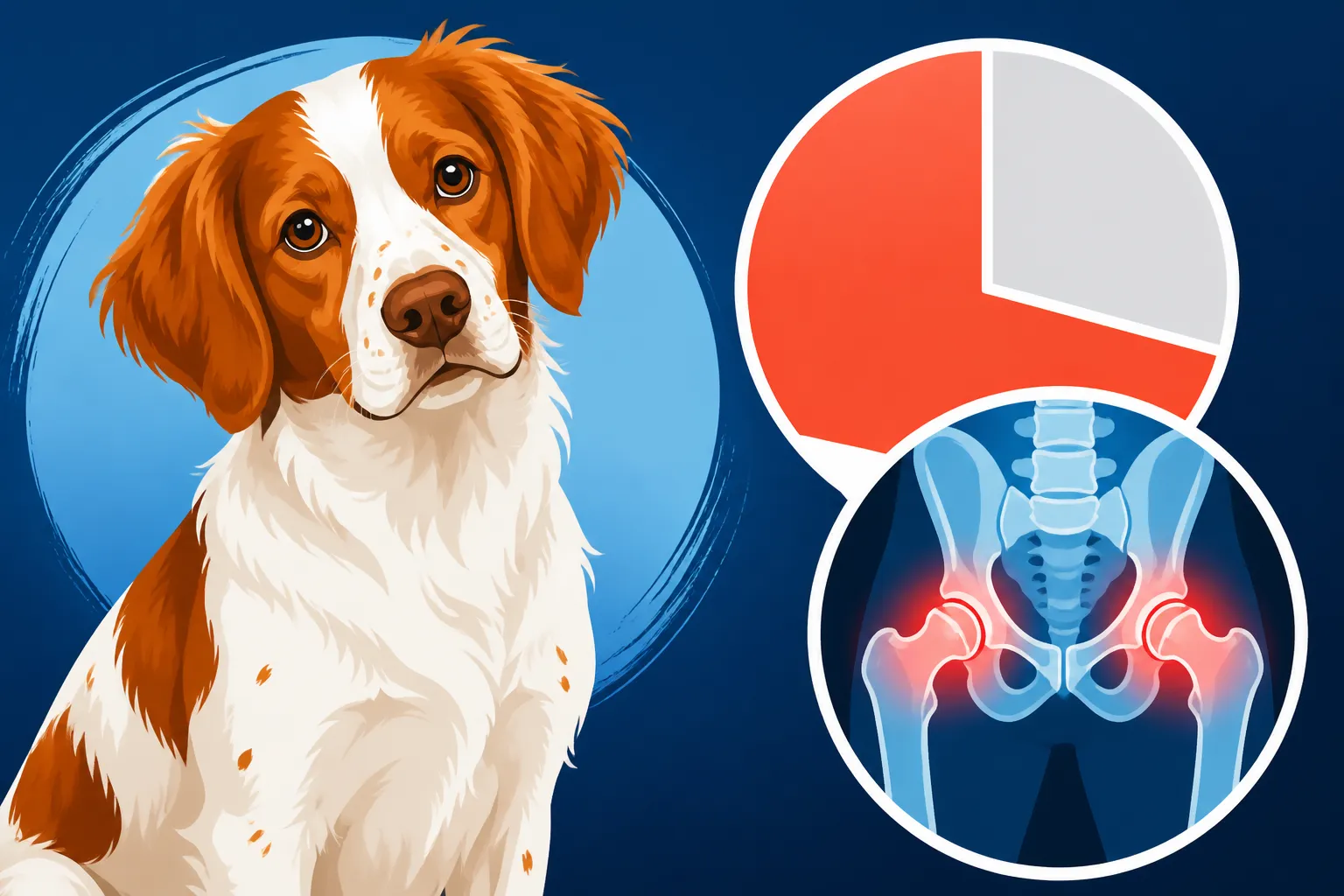
What these numbers tell us is that roughly 10-13% of Brittanys submitted for OFA evaluation receive a dysplastic rating (Mild, Moderate, or Severe). If you also include the "Borderline" category, which doesn't qualify for a "Normal" certification, the total failure rate (meaning not passing for breeding purposes) falls in the range of 13-18%. This is a significant improvement and a relatively low rate compared to some other popular breeds known for higher incidences of hip dysplasia.
This data demonstrates the positive impact of responsible breeding practices over the years, as breeders have diligently worked to screen their dogs and make informed choices. To understand the historical context, you might be interested in reading about What the OFA Records Show About Brittany Hips, which details how the breed's hip health has evolved. It’s a testament to the dedication within the Brittany community that such a large percentage of dogs receive healthy hip certifications.
Factors Influencing Hip Health in Brittanys
Even with favorable statistics, it’s important to remember that hip dysplasia is a complex condition, influenced by more than just genetics. While you can't change your Brittany's inherited predisposition, understanding the environmental factors that play a role can help you proactively support their joint health throughout their life.
The Role of Genetics
Genetics are undoubtedly the primary factor in hip dysplasia. It’s a polygenic trait, meaning multiple genes contribute to its expression, and environmental factors can also influence whether a dog with a genetic predisposition actually develops the condition. This is why responsible breeders place such a high emphasis on OFA certifications, ensuring that only Brittanys with "Normal" (Excellent, Good, or Fair) hip ratings are used for breeding. This rigorous screening helps to gradually reduce the incidence of hip dysplasia in future generations. You can dive deeper into the significance of What Hip Screening Did for the Brittany Spaniel to see how critical this practice has been for the breed.
When you're looking for a Brittany puppy, always ask to see the OFA certificates of both parents. A reputable breeder will be transparent about these health clearances and should be able to explain the ratings clearly. If a breeder is breeding dogs that have failed their OFA hip screen, it’s a significant red flag.
Nutrition and Growth Rates
Proper nutrition, especially during puppyhood, plays a crucial role in preventing developmental orthopedic diseases like hip dysplasia. Rapid growth, often fueled by diets too high in calories or calcium, can put undue stress on a rapidly developing skeletal system. This is why many veterinarians and breeders recommend feeding large breed puppy food to Brittanys, even though they are considered a medium-sized breed. These foods are formulated to promote slower, more controlled growth, which can help support healthy joint development.
Overfeeding and allowing your Brittany puppy to become overweight can also exacerbate any genetic predisposition to hip dysplasia. Excess weight places additional strain on immature joints, increasing the risk of structural abnormalities. Maintaining a lean body condition is vital from puppyhood through adulthood.
Appropriate Exercise and Lifestyle
Brittanys are incredibly active and energetic dogs; they thrive on exercise. However, the type and intensity of exercise, particularly during their rapid growth phase, can impact hip health. High-impact activities like excessive jumping, prolonged running on hard surfaces, or strenuous agility work before their growth plates have closed (typically around 12-18 months) can potentially damage developing joints.
While your Brittany puppy needs plenty of opportunities to play and burn off energy, structured, high-impact activities should be introduced gradually and cautiously. Instead, focus on controlled walks, soft-surface play, and swimming, which provides excellent non-weight-bearing exercise. This period is also important for building muscle around the hip joints, which can help stabilize them. Many new owners wonder Whether a Brittany Puppy Should Run on Hard Ground, and the consensus leans towards caution in their early months.
Even for adult Brittanys, maintaining a fit and muscular physique is beneficial for joint health. Strong muscles help support the hips and can reduce the symptoms of arthritis if it develops later in life. However, overworking a Brittany, especially on hard terrain or in extreme conditions, can also lead to wear and tear. Finding the right balance of activity for your dog’s age and condition is crucial. For working dogs, this is especially true, and topics like Whether a Working Brittany Wears Its Joints Out are common discussions among hunters.
What an OFA Failure Means for Your Brittany
Discovering that your Brittany has received a dysplastic or borderline OFA hip rating can be upsetting, but it’s important to understand what this truly means for your dog and what steps you can take. While it rules out breeding for ethical reasons, it doesn't necessarily spell a lifetime of severe pain or immobility.
Breeding Implications
For breeders, an OFA rating of Borderline, Mild, Moderate, or Severe Dysplasia means the dog is not suitable for breeding. This is a non-negotiable aspect of responsible breeding practices aimed at improving the health of the breed. Reputable breeders use OFA certifications to make informed decisions and prevent passing on genetic predispositions to hip dysplasia. If you obtained your Brittany from a breeder, this is where the health guarantee in your contract might come into play, as many breeders guarantee against severe hip dysplasia.
Quality of Life and Potential for Pain
For pet owners, an OFA "fail" can range from a mild inconvenience to a serious health concern, depending on the severity of the dysplasia. Many Brittanys with mild or even moderate dysplasia live full, active lives with proper management, sometimes showing no clinical signs until much later in life, if at all. Others, however, may begin to show signs of discomfort or pain as early as puppyhood or young adulthood.
Signs that your Brittany's hips might be bothering them can include:
- Reluctance to jump, run, or climb stairs
- A "bunny hopping" gait when running
- Lameness in the hind legs, especially after exercise
- Stiffness after rest
- Loss of muscle mass in the hindquarters
- Pain when the hip area is touched
If you observe any of these Signs a Brittany's Hips Hurt, it’s crucial to consult your veterinarian. Early intervention and management can significantly improve your Brittany's quality of life.
Management and Treatment Options
If your Brittany is diagnosed with hip dysplasia, a range of management and treatment options are available. The best approach will depend on the severity of the condition, your dog's age, and their overall health.
-
Conservative Management: This is often the first line of defense for mild to moderate cases, or for dogs who are not candidates for surgery.
- Weight Management: Keeping your Brittany lean is paramount. Excess weight puts immense strain on arthritic joints.
- Controlled Exercise: Regular, moderate, non-impact exercise like swimming or leash walks on soft surfaces can help maintain muscle tone without over-stressing the joints. Avoid intense, high-impact activities.
- Supplements: Glucosamine, chondroitin, and omega-3 fatty acids can help support joint cartilage and reduce inflammation. Your vet might recommend specific brands or formulations.
- Anti-inflammatory Medication: Non-steroidal anti-inflammatory drugs (NSAIDs) can effectively manage pain and inflammation, especially during flare-ups. Long-term use requires regular monitoring of kidney and liver function.
- Physical Therapy: Canine rehabilitation specialists can design exercise programs to strengthen supporting muscles, improve range of motion, and manage pain.
-
Surgical Options: For more severe cases, especially in younger dogs or those not responding to conservative management, surgery might be considered. The choice of surgery depends on the specific condition of the hips and the dog's age.
- Juvenile Pubic Symphysiodesis (JPS): This procedure is performed on puppies (typically 4-5 months old) to encourage proper growth and development of the hip socket.
- Triple Pelvic Osteotomy (TPO) / Double Pelvic Osteotomy (DPO): These surgeries involve cutting and rotating pelvic bones to improve the fit of the femoral head into the acetabulum. They are typically performed on younger dogs before significant arthritis develops.
- Femoral Head Ostectomy (FHO): In this procedure, the head and neck of the femur are removed. The dog then forms a "false joint" of scar tissue. This is often an option for smaller, lighter dogs (though Brittanys can sometimes be candidates) or when other surgeries aren't feasible.
- Total Hip Replacement (THR): This is the most effective surgical treatment, replacing the diseased hip joint with prosthetic components. It offers excellent long-term results but is also the most expensive and invasive option. The cost can be substantial, which makes pet insurance plans like those offered by Healthy Paws a wise investment for many Brittany owners, as they can help cover a significant portion of these expenses. You can read more about What Hip Surgery Costs on a Brittany to get a clearer picture of the financial commitment involved.
Living with a Brittany diagnosed with hip dysplasia can be challenging, but with the right care and management, they can still enjoy a good quality of life. Regular veterinary check-ups are essential to monitor their condition and adjust treatment plans as needed. As Brittanys age, arthritis often progresses, and understanding The Age a Brittany Gets Arthritis can help you prepare for age-related changes in their mobility. Planning for the long term, including potential future medical costs, is a part of responsible pet ownership. Robust pet insurance, such as a plan from Healthy Paws, can provide peace of mind by helping to manage unexpected veterinary bills for chronic conditions like hip dysplasia throughout your Brittany's life.
Disclaimer
This article is for general informational purposes only and does not constitute professional advice. Laws, prices and regulations vary by location and change over time. Consult a qualified professional for guidance on your specific situation.